Whales are some of the largest and most fascinating animals on Earth. They live in oceans around the world, from warm tropical waters to the cold Arctic seas. Although many whales look similar at first, different species have very different body shapes, feeding methods, habitats, and behaviors. Some use baleen plates to filter tiny prey from seawater, while others have teeth and hunt fish, squid, or other marine animals. In this guide to the Different Types of Whale, we will explore well-known whale species, where they live, what they eat, how they behave, and some interesting facts about these remarkable marine mammals.
What Is a Whale?
A whale is a marine mammal belonging to the order Cetacea. Like other mammals, whales breathe air with lungs, are warm-blooded, give birth to live young, and produce milk for their calves.
Whales spend their entire lives in water, but they must regularly come to the surface to breathe. They use a blowhole on top of the head to take in air.
The word “whale” is used broadly for many large cetaceans. Cetaceans also include dolphins and porpoises. Scientists generally divide living cetaceans into two major groups: baleen whales and toothed whales. Baleen whales use baleen plates to filter food from water, while toothed whales have teeth and actively capture individual prey.
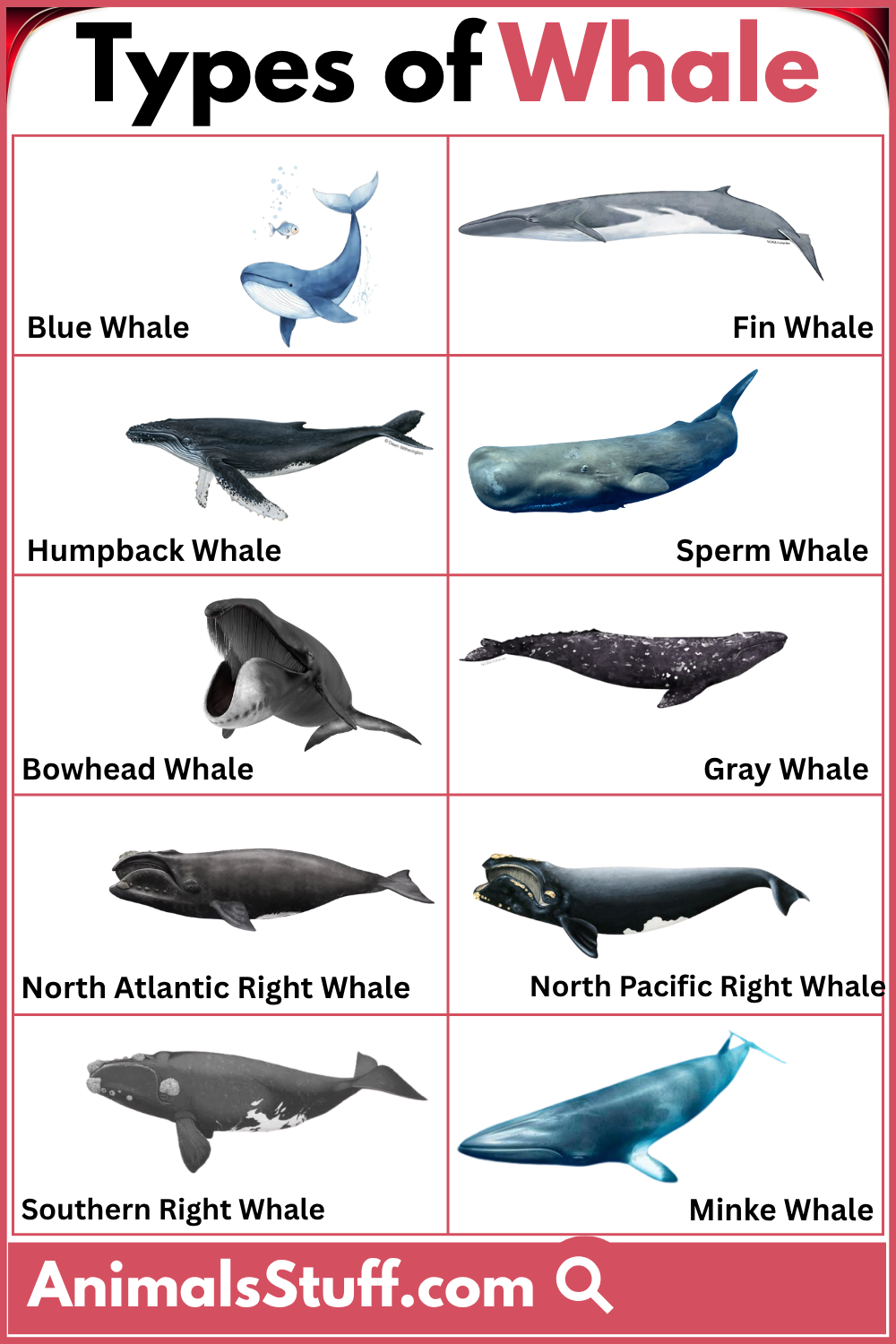
Different Types of Whale with Short Descriptions
| Whale Type | US IPA | Short Description |
|---|---|---|
| Blue Whale | /ˈbluː weɪl/ | The largest known animal on Earth, feeding mainly on tiny krill in oceans around the world. |
| Fin Whale | /ˈfɪn weɪl/ | A very large, slender whale known for its speed and long streamlined body. |
| Humpback Whale | /ˈhʌmpbæk weɪl/ | A famous whale with long flippers, a distinctive body shape, and complex songs. |
| Sperm Whale | /ˈspɝːm weɪl/ | The largest toothed whale, recognized by its enormous square-shaped head and deep-diving ability. |
| Bowhead Whale | /ˈboʊhɛd weɪl/ | A thick-bodied Arctic whale adapted to extremely cold waters and seasonal sea ice. |
| Gray Whale | /ˈɡreɪ weɪl/ | A mottled gray whale famous for long migrations and feeding along the ocean floor. |
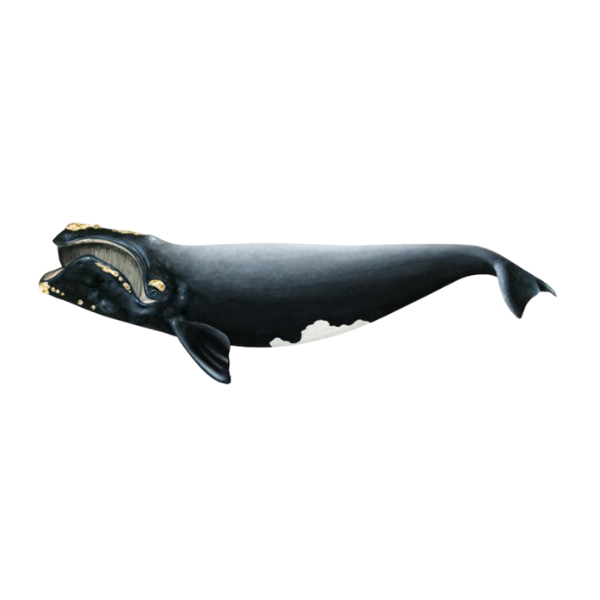
| North Atlantic Right Whale | /ˌnɔrθ ətˈlæntɪk raɪt weɪl/ | A large baleen whale with a broad head and distinctive rough skin patches called callosities. |
| North Pacific Right Whale | /ˌnɔrθ pəˈsɪfɪk raɪt weɪl/ | A rare large baleen whale found in parts of the North Pacific Ocean. |
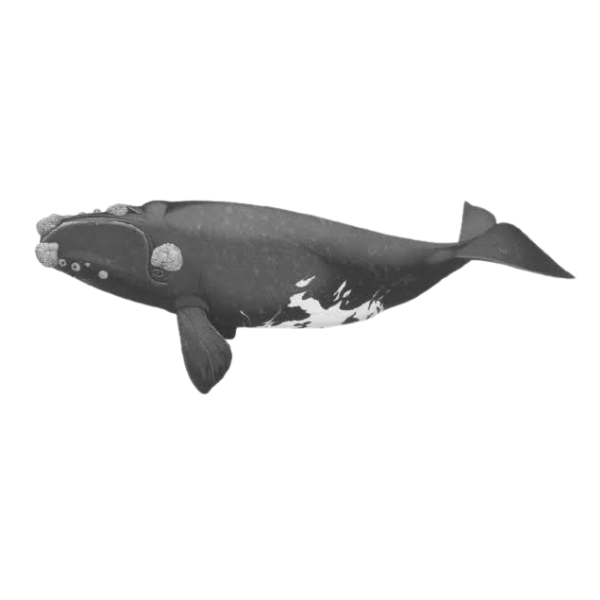
| Southern Right Whale | /ˈsʌðərn raɪt weɪl/ | A large baleen whale found mainly in Southern Hemisphere waters, recognized by its broad body. |
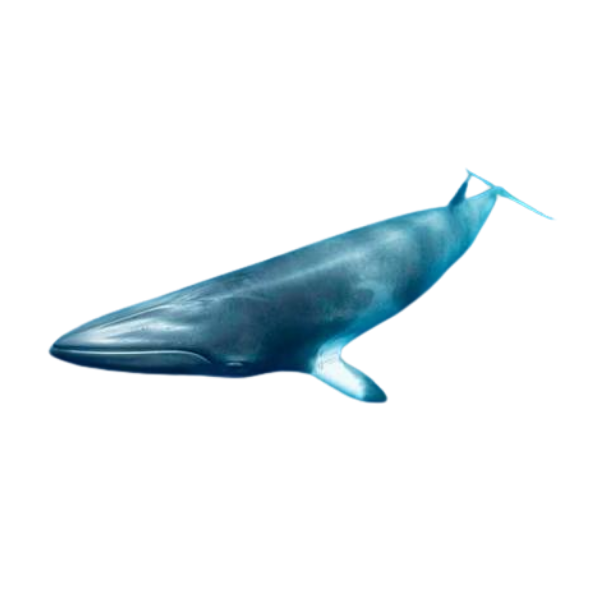
| Minke Whale | /ˈmɪŋki weɪl/ | A relatively small baleen whale with a pointed head and streamlined body. |
Different Types of Whale with Picture
Blue Whale
The Blue Whale is the largest animal known to have ever lived on Earth. It has a long, streamlined body, blue-gray skin, and a powerful tail. Blue Whales live in oceans around the world and mainly feed on tiny krill. Despite their enormous size, they are gentle filter feeders. They migrate between feeding and breeding areas and communicate using very deep, powerful sounds.

Fin Whale
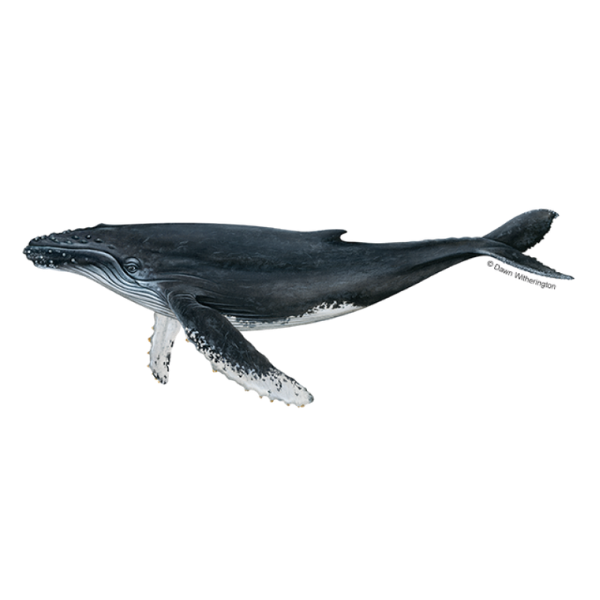
The Fin Whale is one of the largest whale species and is sometimes called the “greyhound of the sea” because of its fast swimming ability. It has a long, slender body with a dark back and lighter underside. Fin Whales live in many oceans and feed mainly on krill, small fish, and squid. They often travel long distances during seasonal migrations.
Humpback Whale
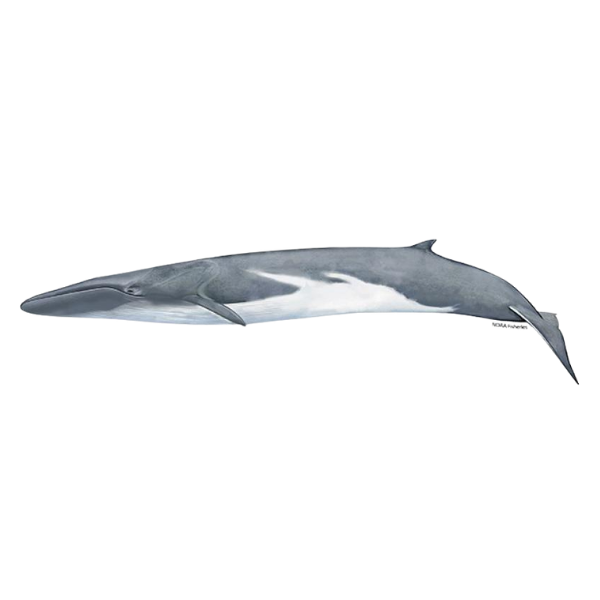
The Humpback Whale is famous for its long flippers, distinctive body shape, and spectacular jumping behavior. It lives in oceans around the world and makes long migrations between feeding and breeding areas. Humpback Whales mainly eat krill and small fish. Males produce complex songs, especially during the breeding season. Their powerful tail flukes help them swim, dive, and move through the ocean.
Sperm Whale
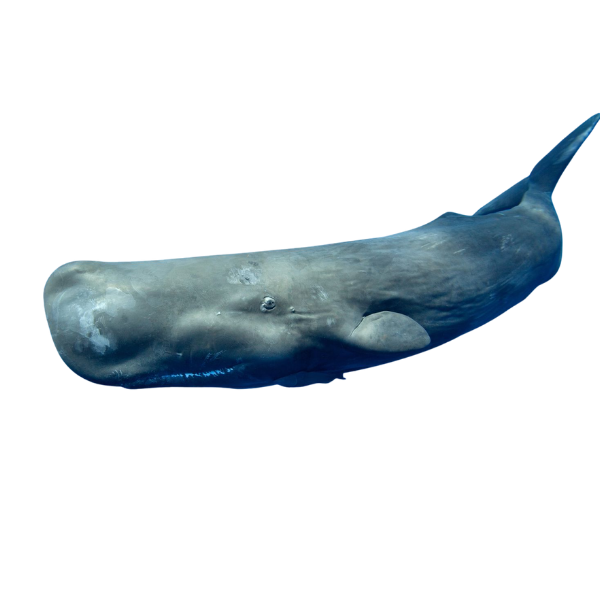
The Sperm Whale is the largest toothed whale and is recognized by its huge square-shaped head. It lives in deep oceans and is an excellent deep diver. Sperm Whales mainly hunt squid and fish, often searching for food far below the surface. They use clicking sounds for echolocation and communication. Their large brains and unusual body structure make them fascinating marine mammals.
Bowhead Whale
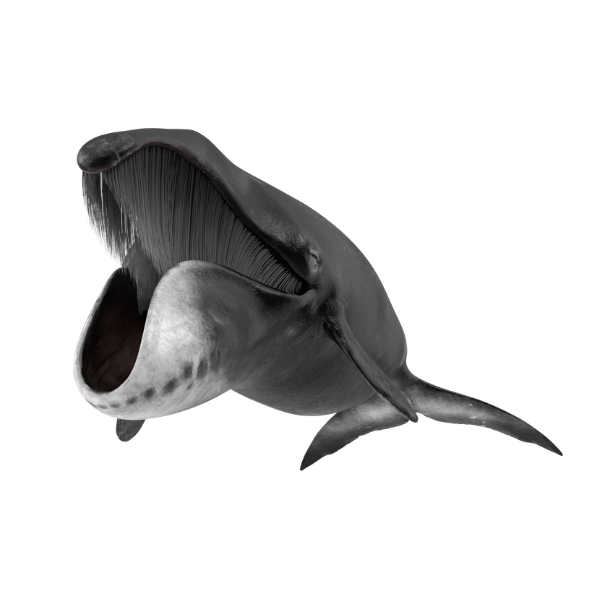
The Bowhead Whale is a large Arctic whale with a massive head and a thick layer of blubber. Its enormous skull helps it break through sea ice when breathing. Bowhead Whales mainly eat tiny organisms such as krill and other small planktonic animals by filtering seawater through baleen plates. They are specially adapted to cold Arctic waters and can live for many decades.
Gray Whale
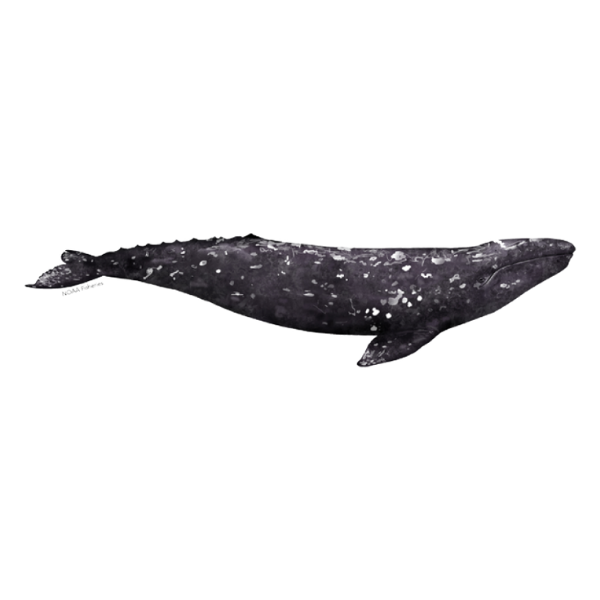
The Gray Whale is a baleen whale known for its long migrations along coastal waters. It has a mottled gray body often covered with barnacles and other marine organisms. Gray Whales mainly feed on small creatures found in ocean-floor sediments, using their mouths to filter food from the seabed. They are commonly associated with the North Pacific and undertake seasonal migrations between feeding and breeding areas.
North Atlantic Right Whale
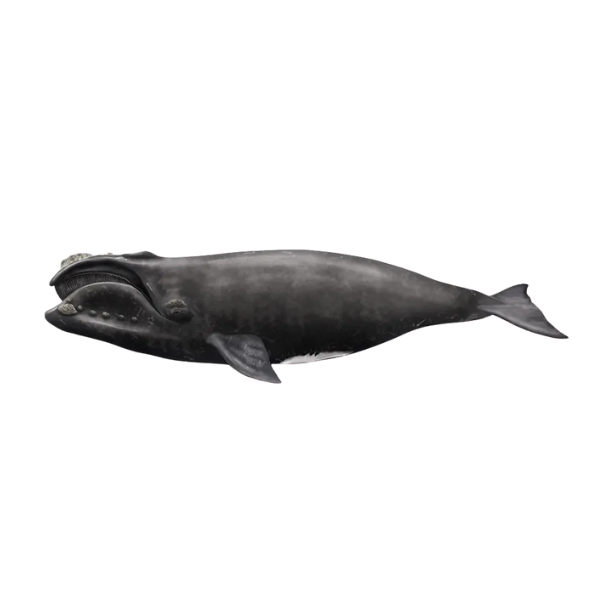
The North Atlantic Right Whale is a large baleen whale with a broad head, dark body, and distinctive rough patches called callosities. It mainly feeds on tiny copepods and other small plankton by filtering seawater through baleen plates. These whales migrate through the North Atlantic Ocean and are known for their slow swimming speed. Their population faces serious threats from fishing gear and ship collisions.
North Pacific Right Whale
The North Pacific Right Whale is a large, dark-colored baleen whale found mainly in northern Pacific waters. It has a broad body, large head, and strongly curved mouth. These whales feed mostly on tiny plankton such as copepods by filtering seawater through baleen. They are generally solitary or found in small groups. Their population is very small, making conservation and habitat protection especially important.
Southern Right Whale
The Southern Right Whale is a large baleen whale found mainly in the southern oceans. It has a broad body, dark skin, and distinctive white callosities on its head. These whales feed on small plankton by filtering seawater through their baleen plates. They migrate between feeding areas and warmer breeding grounds. Southern Right Whales are often seen near coastlines and can sometimes approach boats.
Minke Whale
The Minke Whale is a relatively small baleen whale compared with many other large whale species. It has a streamlined body, pointed head, and dark gray coloration. Minke Whales are found in oceans around the world and feed on krill, small fish, and other tiny marine animals. They are fast swimmers and can be difficult to observe because they often move quickly through the water.
Where Do Whales Live?
Whales can be found in almost every major ocean environment. Some species prefer cold polar waters, while others live mainly in tropical or temperate regions.
For example, bowhead whales are strongly associated with Arctic and subarctic waters, while Bryde’s whales are generally associated with warmer regions. Blue whales occur throughout most of the world’s oceans, except the Arctic.
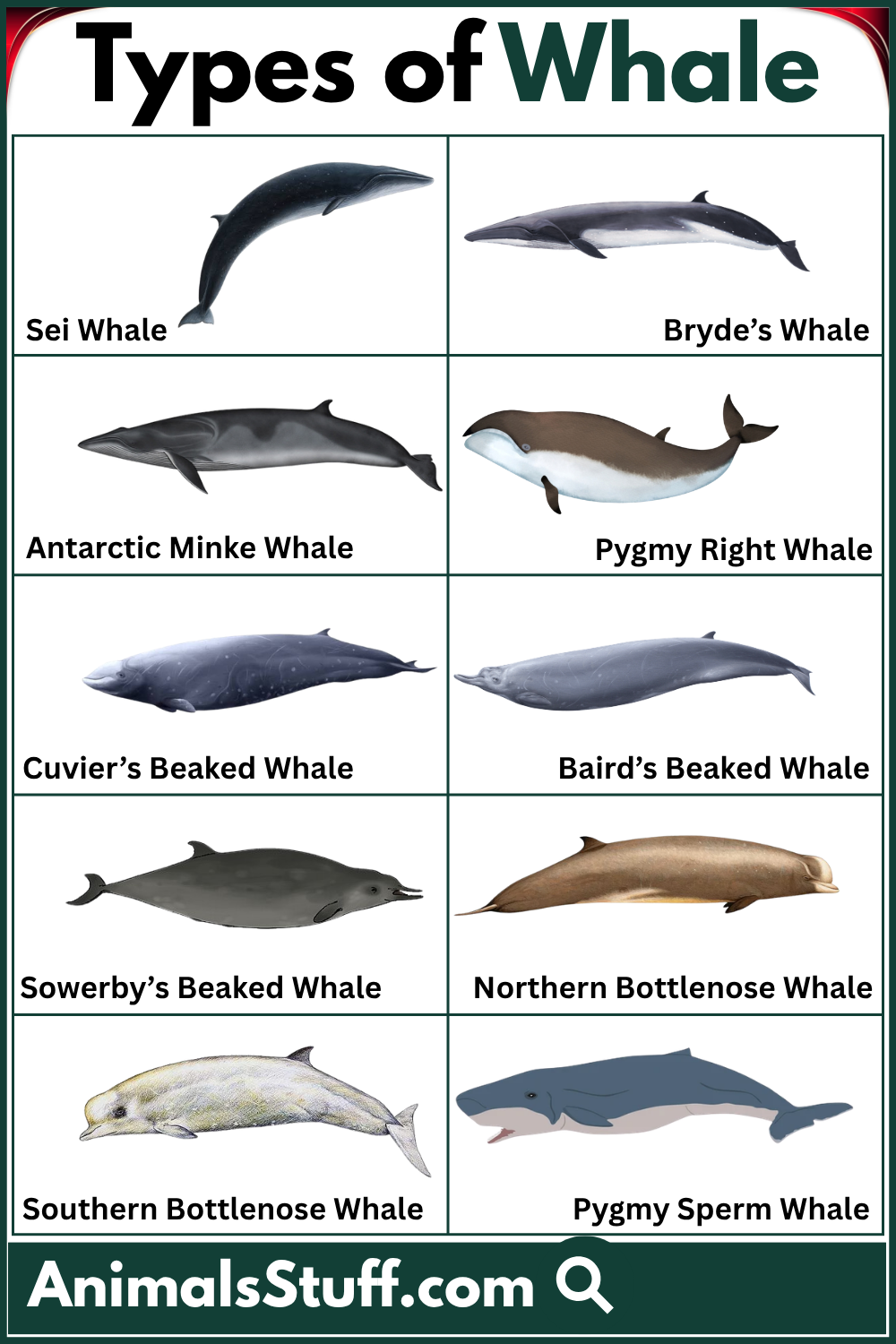
Types of Whale with Short Descriptions
| Sei Whale | /ˈseɪ weɪl/ | A fast-swimming baleen whale with a slender body that feeds mainly on small marine animals. |
| Bryde’s Whale | /ˈbruːdəz weɪl/ | A tropical and subtropical baleen whale that commonly feeds on fish and small marine organisms. |
| Antarctic Minke Whale | /ænˈtɑrktɪk ˈmɪŋki weɪl/ | A baleen whale associated with Antarctic waters where it feeds heavily on seasonal food supplies. |
| Pygmy Right Whale | /ˈpɪɡmi raɪt weɪl/ | A small baleen whale found mainly in temperate and subantarctic waters of the Southern Hemisphere. |
| Cuvier’s Beaked Whale | /ˈkjuːviərz biːkt weɪl/ | A deep-diving toothed whale known for spending much of its time in offshore waters. |
| Baird’s Beaked Whale | /ˈbɛrdz biːkt weɪl/ | A large beaked whale found mainly in the North Pacific and known for deep-water feeding. |
| Sowerby’s Beaked Whale | /ˈsaʊərbiz biːkt weɪl/ | A relatively uncommon deep-diving whale with a long, narrow beak and slender body. |
| Northern Bottlenose Whale | /ˈnɔrðərn ˈbɑtəlˌnoʊz weɪl/ | A deep-diving beaked whale with a rounded forehead and long, slender body. |
| Southern Bottlenose Whale | /ˈsʌðərn ˈbɑtəlˌnoʊz weɪl/ | A beaked whale found in Southern Hemisphere waters and adapted to deep ocean habitats. |
| Pygmy Sperm Whale | /ˈpɪɡmi ˈspɝːm weɪl/ | A small toothed whale that lives mainly in deeper offshore waters and feeds on squid and fish. |
Types of Whale with Pictures
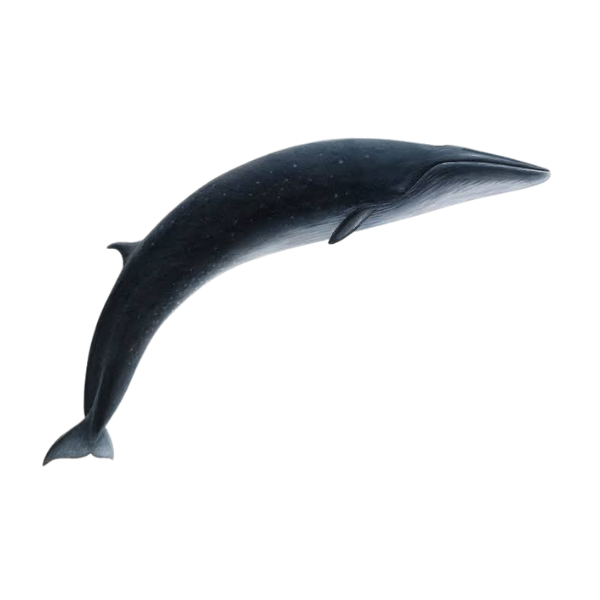
Sei Whale
The Sei Whale is a large, slender baleen whale that lives in many open-ocean regions. It has a dark gray body, pointed head, and tall dorsal fin. Unlike some whales that feed near the seafloor, Sei Whales often feed close to the surface on plankton and small fish. They are fast swimmers and may travel alone or in small groups while searching for food.
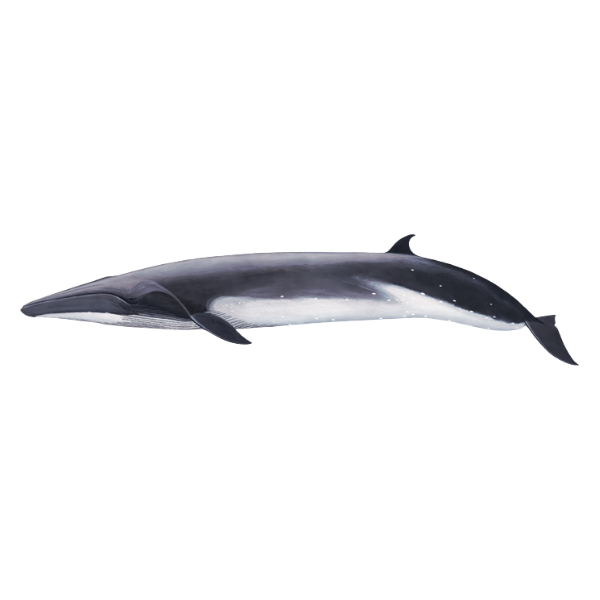
Bryde’s Whale
Bryde’s Whale is a baleen whale found mainly in warm and tropical oceans. It has a long, slender body and three noticeable ridges on the top of its head, which help distinguish it from several similar whales. It feeds on small fish, krill, and other marine organisms. Bryde’s Whales may remain in warmer waters throughout the year instead of making extremely long migrations.
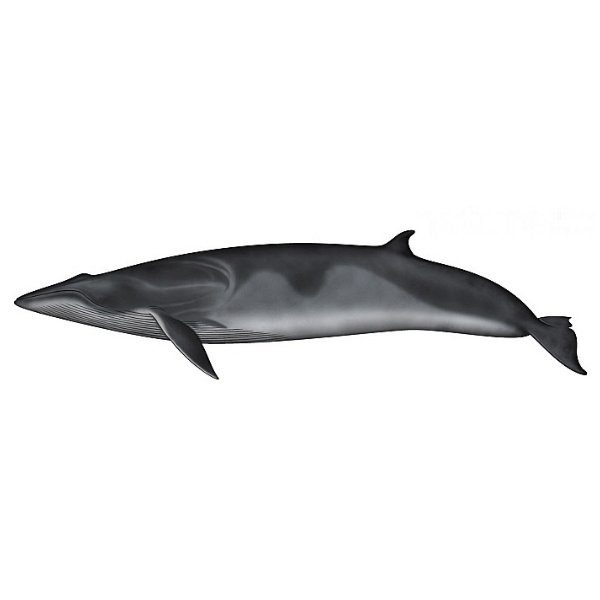
Antarctic Minke Whale
The Antarctic Minke Whale is a relatively small baleen whale associated with the cold waters surrounding Antarctica. It has a streamlined body and a pointed head that helps it move efficiently through the water. These whales feed mainly on krill, which are abundant in Antarctic waters. They often migrate seasonally and can form groups when large amounts of food are available near feeding areas.
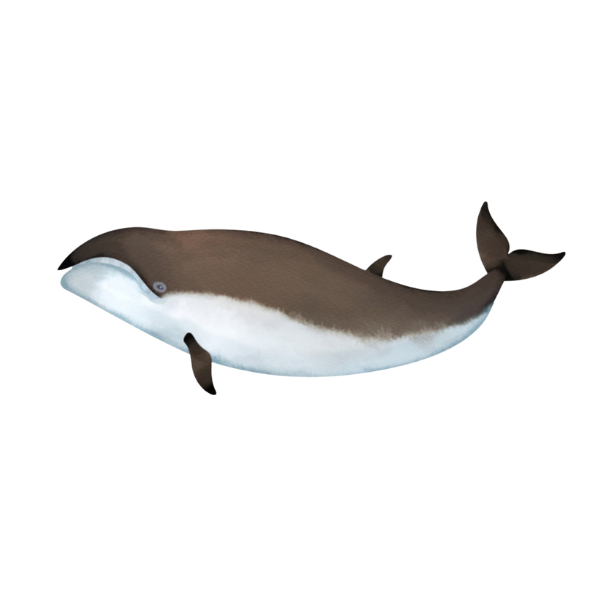
Pygmy Right Whale
The Pygmy Right Whale is a small baleen whale that lives mainly in the Southern Hemisphere. Despite its name, it is not closely related to the true right whales. It has a slender body, curved mouth, and dark gray coloration. Pygmy Right Whales usually feed on small planktonic animals and krill. They are rarely seen because they generally live in offshore waters away from busy coastlines.
Cuvier’s Beaked Whale
Cuvier’s Beaked Whale is a medium-sized toothed whale known for its exceptional diving ability. It has a robust body, small flippers, and a short, curved beak. These whales can dive to remarkable depths while searching for squid and deep-water fish. They use echolocation to locate prey in dark ocean environments. Cuvier’s Beaked Whales occur widely across deep ocean waters around the world.
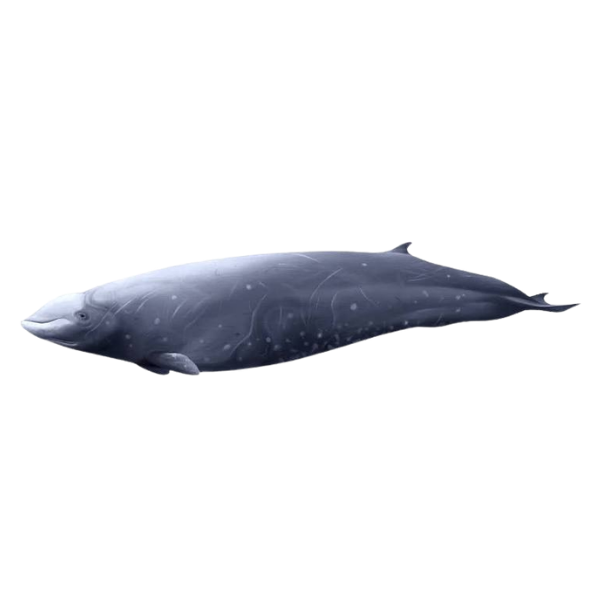
Baird’s Beaked Whale
Baird’s Beaked Whale is the largest species of beaked whale and is mainly found in the North Pacific Ocean. It has a long, slender body, a small dorsal fin, and a noticeable beak. These deep-diving whales feed on squid, fish, and other marine animals found below the surface. They usually live in groups and can spend considerable time underwater while searching for food.
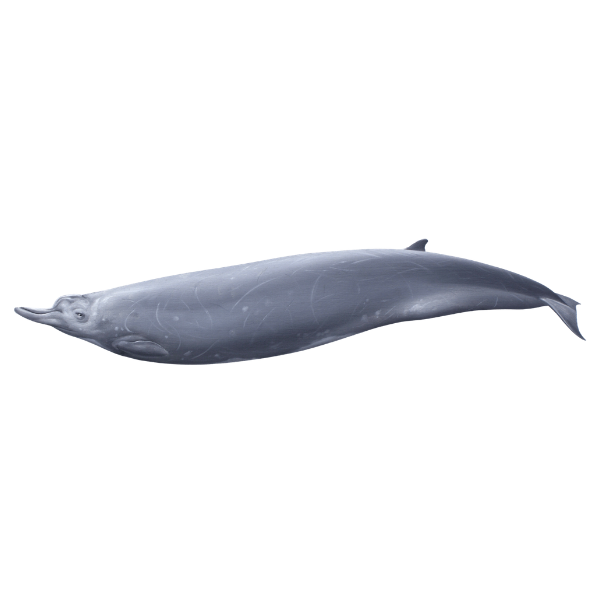
Sowerby’s Beaked Whale
Sowerby’s Beaked Whale is a medium-sized deep-diving whale found mainly in the North Atlantic Ocean. It has a slender body, a small dorsal fin, and a long beak. These whales are not commonly seen because they spend much of their time in deep offshore waters. They feed on squid and other deep-water prey, using echolocation to find food in dark underwater environments.
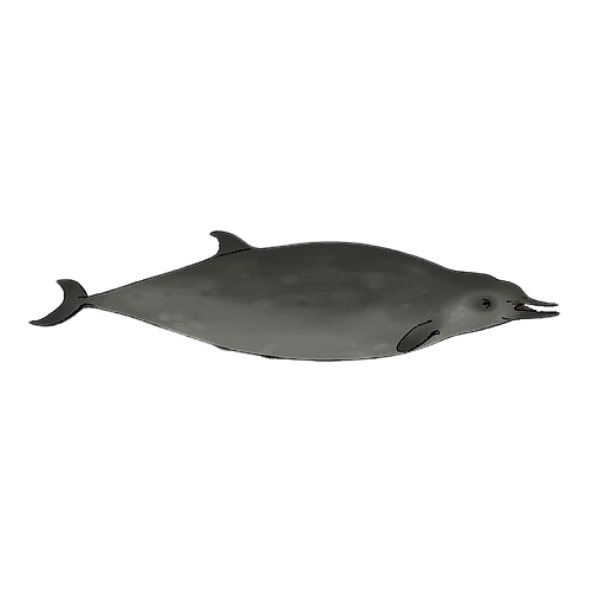
Northern Bottlenose Whale
The Northern Bottlenose Whale is a deep-diving toothed whale found in the North Atlantic Ocean. It has a large bulbous forehead, long body, and distinctive beak. These whales are excellent divers and can remain underwater for extended periods while searching for deep-sea prey. Their diet mainly includes squid and fish. They often live in social groups and communicate using various sounds.
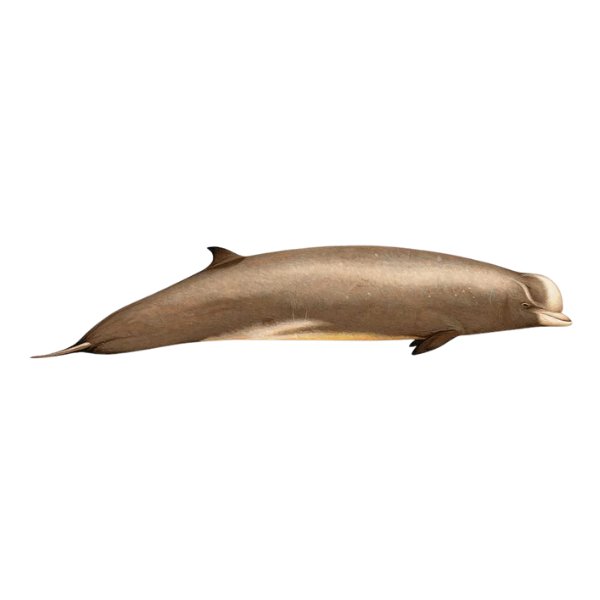
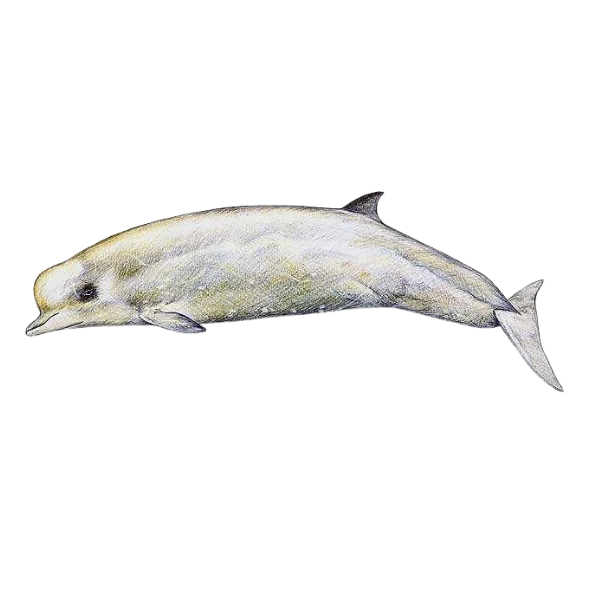
Southern Bottlenose Whale
The Southern Bottlenose Whale is a deep-diving whale found in the cold and temperate waters of the Southern Hemisphere. It has a rounded forehead, long beak, and streamlined body. These whales spend much of their time in deep water where they search for squid and other prey. They are strong divers and may travel in groups while moving through offshore ocean environments.
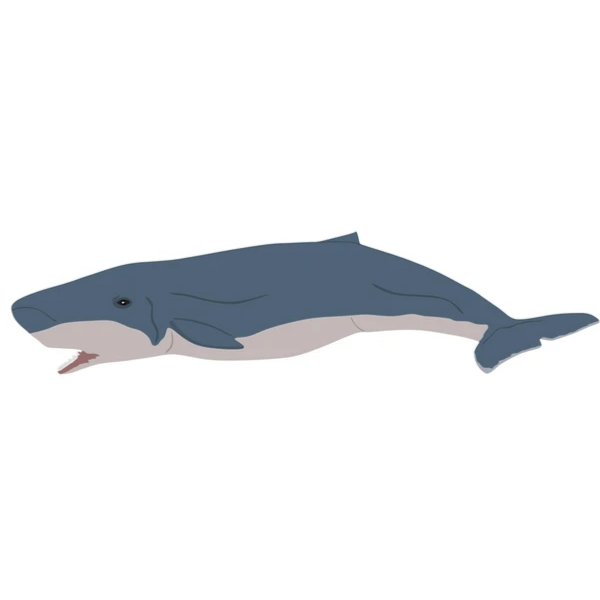
Pygmy Sperm Whale
The Pygmy Sperm Whale is a small toothed whale with a compact body and a slightly square-shaped head. It lives mainly in warm and temperate oceans and is usually found offshore. These whales feed on squid, fish, and other small marine animals. They are difficult to observe because they often travel alone and spend considerable time underwater. Their quiet behavior makes sightings relatively uncommon.
How Do Whales Behave?
Whale behavior differs from one species to another. Some whales are often seen alone, while others form temporary or long-lasting social groups.
Whales communicate using sounds and other behaviors. Humpback whales are particularly famous for their songs. Some species use body movements such as breaching, tail slapping, and flipper slapping.
Toothed whales also use sophisticated sounds and echolocation to find and identify objects in their environment. This ability is especially important for species that hunt in dark or deep water.
Interesting Facts About Whales
- The blue whale is the largest animal known to have lived on Earth.
- Bowhead whales can live for more than 200 years.
- Sperm whales are the largest toothed whales.
- Gray whales can feed by searching for food along the ocean floor.
- Baleen works as a natural filtering system for many large whales.
- Whales are mammals, so they breathe air rather than extracting oxygen from water.
- Some whale species travel thousands of miles during seasonal migrations.
- The killer whale is actually the largest member of the dolphin family.
Learn more animals related articles