
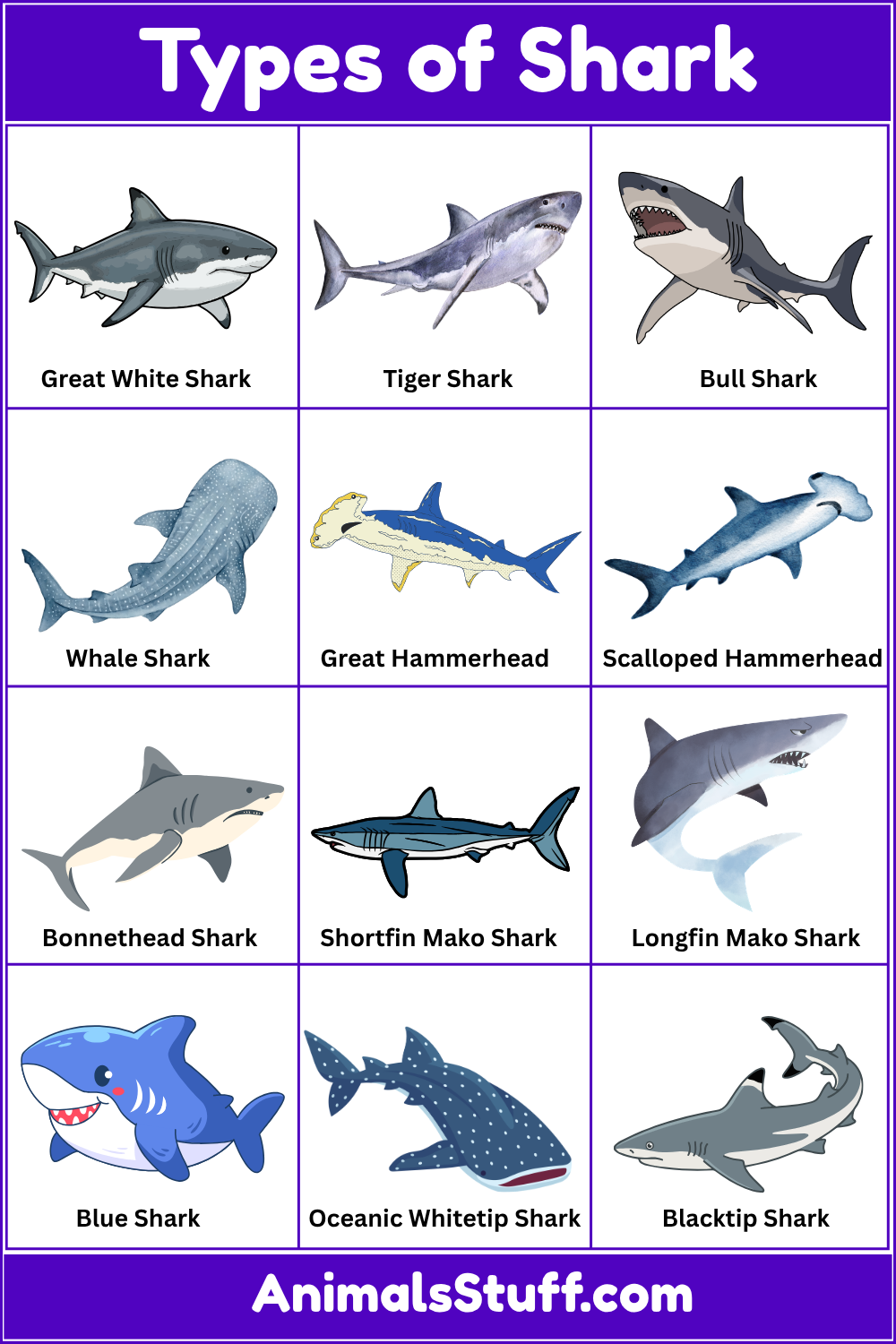
Sharks are fascinating sea animals that come in many different shapes, sizes, and colors. In this guide to Different Types of Shark with Pictures, you will learn about well-known species as well as some unusual deep-sea sharks. Each type has its own body features, habitat, diet, and behavior. From the huge Whale Shark to the fast Shortfin Mako and the unique Hammerhead Sharks, these examples make it easier to understand the amazing diversity of sharks found in oceans around the world.
Types of Shark with short Descriptions
| Shark Name | US IPA | Short Description |
|---|---|---|
| Great White Shark | /ˌɡreɪt ˈwaɪt ʃɑrk/ | Powerful coastal predator with a streamlined body, pointed snout, and serrated teeth. |
| Tiger Shark | /ˈtaɪɡər ʃɑrk/ | Large tropical shark recognized by dark vertical markings and a broad, blunt head. |
| Bull Shark | /ˈbʊl ʃɑrk/ | Robust coastal shark that can tolerate low-salinity water and enter rivers. |
| Whale Shark | /ˈweɪl ʃɑrk/ | The largest living fish, known for its enormous body and plankton-filtering feeding style. |
| Great Hammerhead Shark | /ɡreɪt ˈhæmərˌhɛd ʃɑrk/ | Largest hammerhead species with a wide, distinctive hammer-shaped head and tall dorsal fin. |
| Scalloped Hammerhead Shark | /ˈskɑləpt ˈhæmərˌhɛd ʃɑrk/ | Hammerhead shark with a scalloped front edge on its broad, flattened head. |
| Smooth Hammerhead Shark | /smuːð ˈhæmərˌhɛd ʃɑrk/ | Hammerhead species with a smooth central edge along its wide, flattened head. |
| Bonnethead Shark | /ˈbɑnɪtˌhɛd ʃɑrk/ | Small hammerhead shark with a rounded, shovel-shaped head and compact body. |
| Shortfin Mako Shark | /ˈʃɔrtˌfɪn ˈmeɪkoʊ ʃɑrk/ | Fast, streamlined oceanic predator with a pointed snout and powerful swimming ability. |
| Longfin Mako Shark | /ˈlɔŋˌfɪn ˈmeɪkoʊ ʃɑrk/ | Rare mako shark with unusually long pectoral fins and large eyes adapted for deeper waters. |
| Blue Shark | /bluː ʃɑrk/ | Slender open-ocean shark with blue coloring, long fins, and a narrow pointed body. |
| Oceanic Whitetip Shark | /ˌoʊʃiˈænɪk ˈwaɪtˌtɪp ʃɑrk/ | Pelagic shark with broad fins and distinctive white markings on its fin tips. |
| Blacktip Shark | /ˈblækˌtɪp ʃɑrk/ | Coastal shark commonly recognized by dark markings on several of its fin tips. |
| Blacktip Reef Shark | /ˈblækˌtɪp riːf ʃɑrk/ | Tropical reef shark that commonly lives in shallow coastal waters and lagoons. |
| Whitetip Reef Shark | /ˈwaɪtˌtɪp riːf ʃɑrk/ | Slender reef shark with distinctive white markings on its dorsal and upper tail fins. |
Different Types of Shark with Pictures
Great White Shark
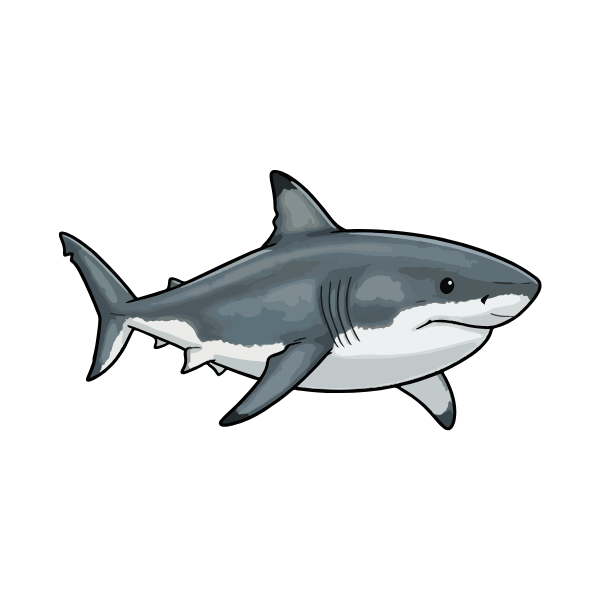
The Great White Shark is a large and powerful marine predator found in coastal and offshore waters. It has a strong body, pointed snout, and rows of sharp teeth. Its upper body is usually gray, while the underside is white. Great White Sharks mainly eat fish, rays, seals, and other marine animals. They are especially known for their size, speed, and hunting ability.
Tiger Shark
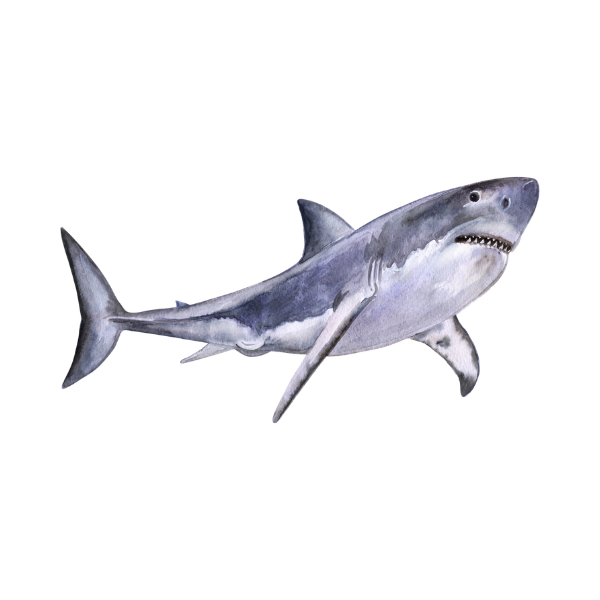
The Tiger Shark is a large shark recognized by the dark stripes that appear along its body, especially when it is young. It lives in warm and tropical ocean waters around many parts of the world. This shark has a broad head and strong jaws. Its diet includes fish, turtles, birds, crustaceans, and other marine animals. Adult tiger sharks can grow to impressive sizes.
Bull Shark
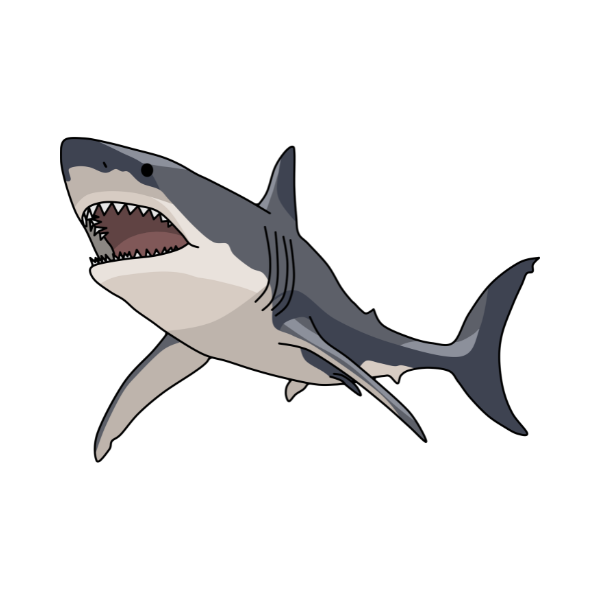
The Bull Shark is a strong, heavy-bodied shark that commonly lives in warm coastal waters. Unlike many sharks, it can also travel into freshwater rivers and lakes for considerable distances. It has a short, broad snout and powerful jaws. Bull Sharks eat fish, rays, turtles, birds, and other animals. Their ability to tolerate different water conditions makes them particularly interesting among shark species.
Whale Shark
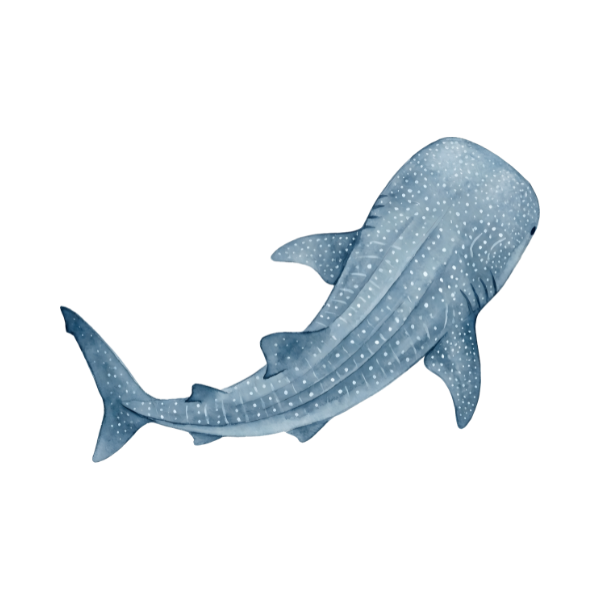
The Whale Shark is the largest living fish in the world, despite its name being associated with whales. It has a huge body covered with distinctive light-colored spots and stripes. This gentle shark usually feeds by filtering tiny organisms from seawater. Whale Sharks live in warm tropical and temperate oceans and often gather where plankton is plentiful. They are generally slow-moving and peaceful animals.
Great Hammerhead Shark
The Great Hammerhead Shark is the largest species of hammerhead shark. It has a distinctive hammer-shaped head called a cephalofoil, which helps it sense and locate prey. This shark usually lives in warm coastal and offshore waters. Its diet includes fish, rays, crustaceans, and other marine animals. The Great Hammerhead has a tall dorsal fin and a long, streamlined body.
Scalloped Hammerhead Shark
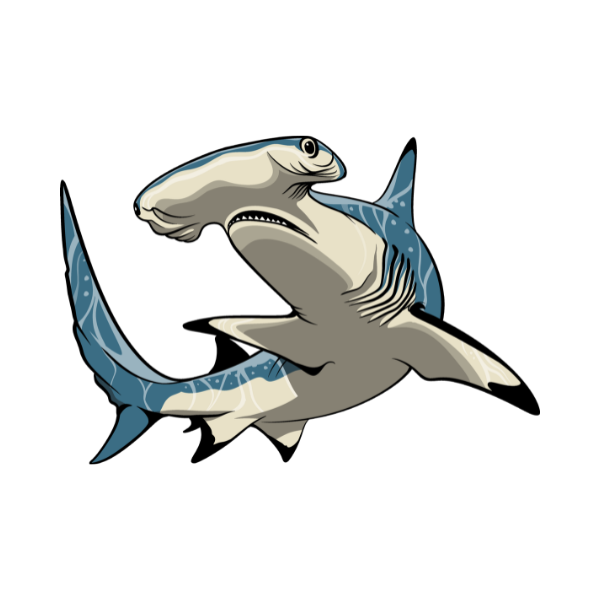
The Scalloped Hammerhead Shark gets its name from the scalloped edge along the front of its hammer-shaped head. It usually lives in warm coastal and offshore waters, sometimes forming large groups. This shark has a slim body and tall dorsal fin. It feeds mainly on fish, squid, and crustaceans. Its wide head helps improve its ability to detect movement and electrical signals in water.
Smooth Hammerhead Shark
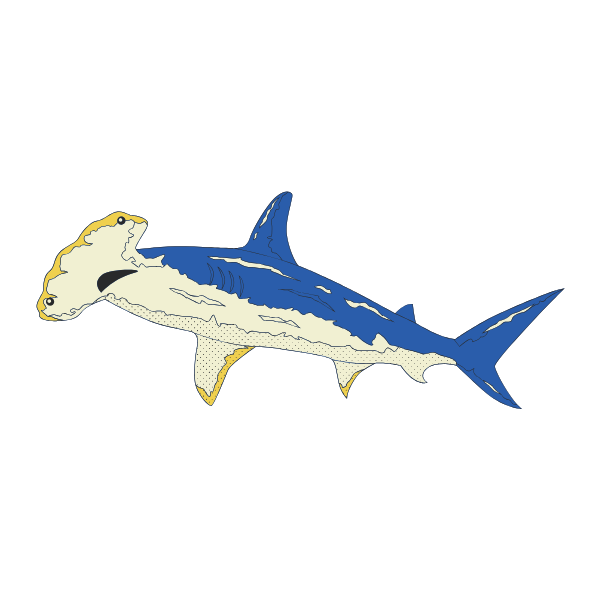
The Smooth Hammerhead Shark is a large hammerhead species with a broad head that has a smooth front edge. It is found mainly in temperate and tropical waters around different parts of the world. This shark has a long body and curved dorsal fin. Its diet includes fish, squid, rays, and crustaceans. Young and adult Smooth Hammerheads may travel through coastal and offshore waters.
Bonnethead Shark
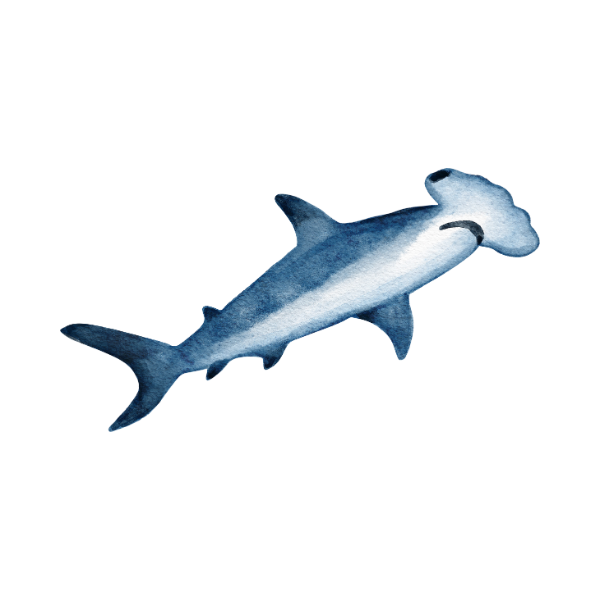
The Bonnethead Shark is a small member of the hammerhead shark family. Its head is shaped like a rounded shovel rather than the wide hammer shape seen in larger hammerheads. It commonly lives in shallow coastal waters, bays, and seagrass areas. Bonnethead Sharks mainly eat crabs, shrimp, fish, and other small animals. They are among the smaller and more distinctive hammerhead species.
Shortfin Mako Shark
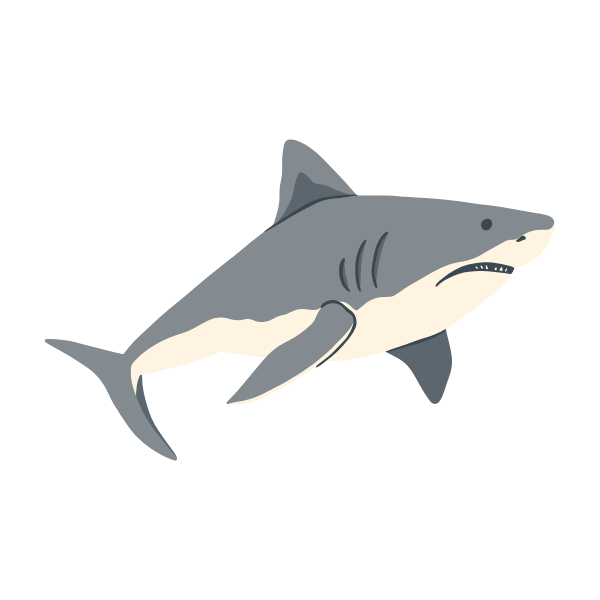
The Shortfin Mako Shark is a fast-swimming shark known for its streamlined body and powerful tail. It lives mainly in open ocean waters and can travel long distances. Its back is usually dark blue, while its underside is lighter. Shortfin Makos feed on fish, squid, and other marine animals. Their strong muscles and streamlined shape help them move quickly through the water while hunting.
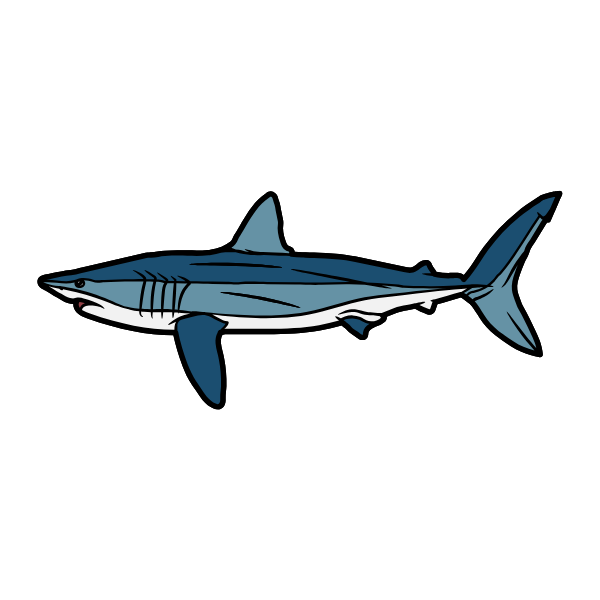
Longfin Mako Shark
The Longfin Mako Shark is a relatively uncommon oceanic shark recognized by its long, broad pectoral fins and slender body. It is found in deep, warm and temperate ocean waters. This shark generally moves more slowly than the Shortfin Mako and is less frequently observed. Its diet includes squid and various fish. The species is known from several ocean regions around the world.
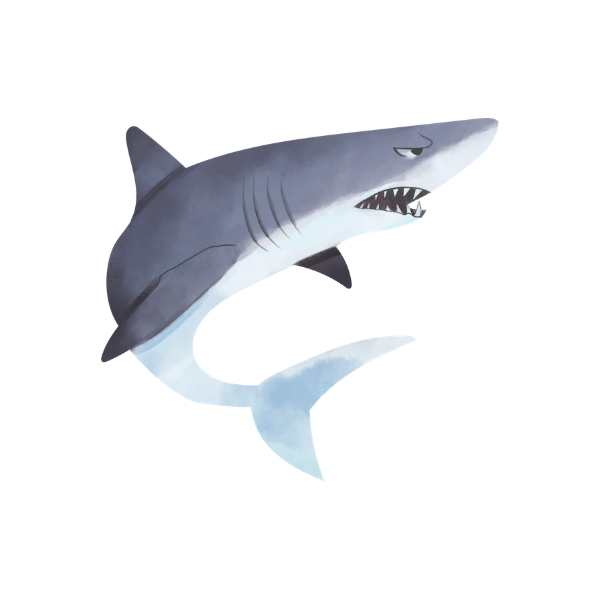
Blue Shark
The Blue Shark is a slender oceanic shark known for its long body and deep blue coloring on the upper side. It occurs in temperate and tropical waters across many parts of the world’s oceans. Blue Sharks often travel long distances and may migrate between different regions. Their diet includes small fish, squid, and other marine animals. They are well adapted to life in open water.

Oceanic Whitetip Shark
The Oceanic Whitetip Shark is a large shark commonly found in warm, open ocean waters. It has rounded pectoral fins and noticeable white markings on the tips of several fins. This species spends much of its life far from shore and is an active opportunistic feeder. Its diet can include fish, squid, seabirds, turtles, and other available marine animals.
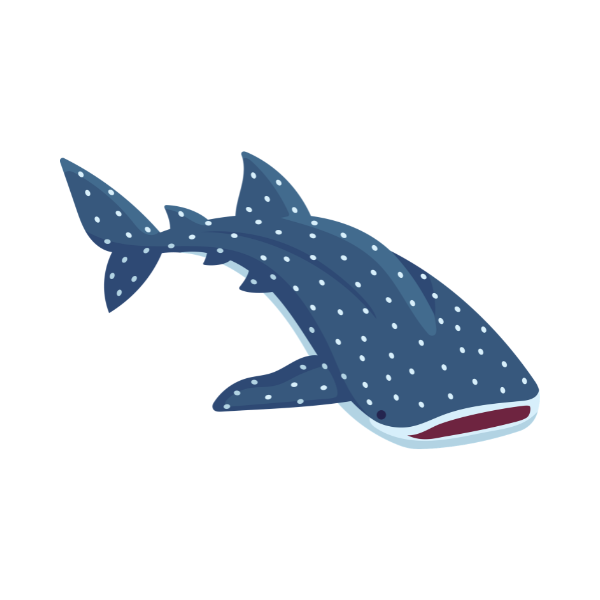
Blacktip Shark
The Blacktip Shark is a medium-sized coastal shark named for the dark tips commonly seen on its fins. It lives in warm and tropical waters, often near beaches, bays, and shallow coastal areas. This shark has a streamlined body and pointed snout. It mainly eats fish, but may also feed on rays and small marine animals. Blacktip Sharks are active swimmers and hunters.
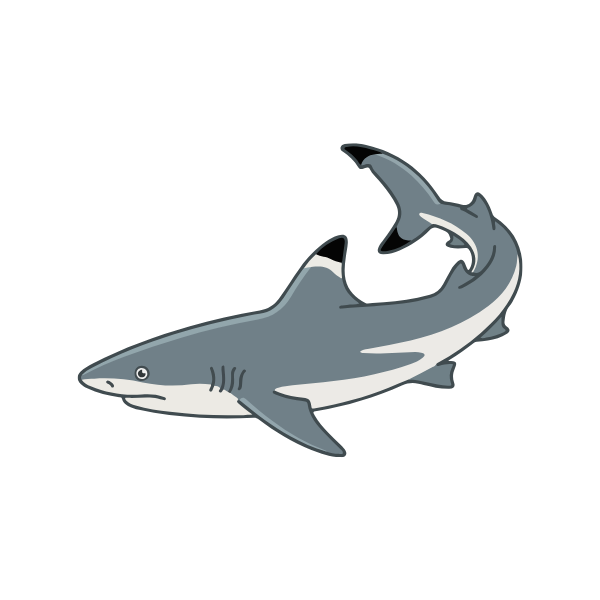
Blacktip Reef Shark
The Blacktip Reef Shark is a slender coastal shark commonly found around coral reefs, lagoons, and shallow tropical waters. Its name comes from the distinctive black markings on the tips of its fins. It usually feeds on small fish, crustaceans, and other reef animals. These sharks often swim in clear, shallow water and are well adapted to navigating around coral reefs and rocky habitats.
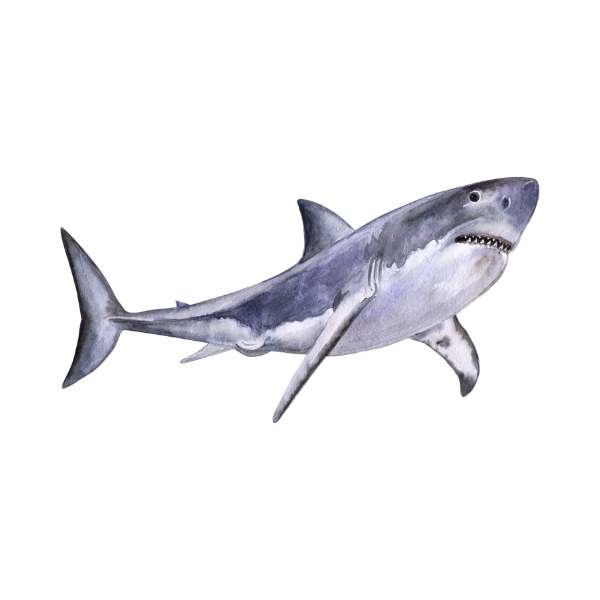
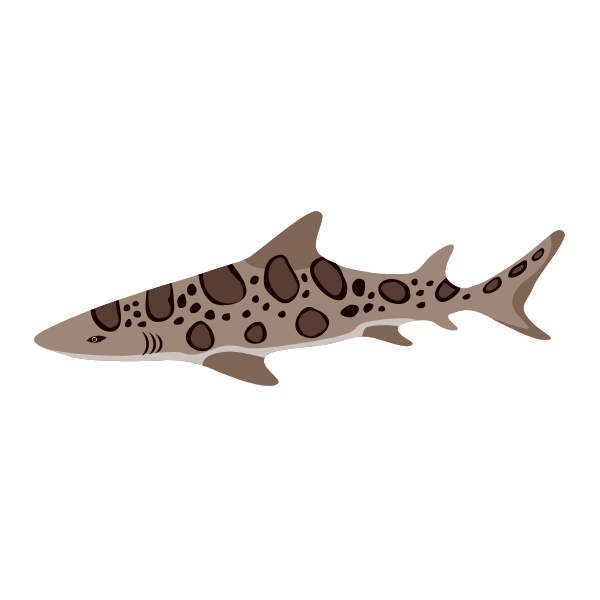
Whitetip Reef Shark
The Whitetip Reef Shark is a slender reef-dwelling shark recognized by the white tips on its dorsal and upper caudal fins. It commonly rests in caves, crevices, and sheltered areas during the day. This nocturnal hunter becomes more active at night, searching for fish, octopuses, and crustaceans. It is widely found around tropical coral reefs and rocky coastal habitats.
30 Different Types of Shark with Names
| Shark Name | US IPA | Short Description |
|---|---|---|
| Grey Reef Shark | /ɡreɪ riːf ʃɑrk/ | Medium-sized reef shark commonly found around tropical coral reefs and clear coastal waters. |
| Silky Shark | /ˈsɪlki ʃɑrk/ | Slender oceanic shark with a smooth-looking body, pointed snout, and long pectoral fins. |
| Dusky Shark | /ˈdʌski ʃɑrk/ | Large streamlined shark found in warm and temperate coastal and offshore waters. |
| Sand Tiger Shark | /sænd ˈtaɪɡər ʃɑrk/ | Coastal shark with long protruding teeth, a robust body, and a distinctive appearance. |
| Nurse Shark | /nɝs ʃɑrk/ | Slow-moving bottom-dwelling shark commonly found around warm reefs, sandy areas, and shallow waters. |
| Lemon Shark | /ˈlɛmən ʃɑrk/ | Yellowish coastal shark that commonly inhabits shallow tropical and subtropical waters. |
| Zebra Shark | /ˈziːbrə ʃɑrk/ | Bottom-dwelling tropical shark with stripes when young and spotted patterns as an adult. |
| Spotted Wobbegong | /ˈspɑtɪd ˈwɑbəˌɡɔŋ/ | Flattened carpet shark covered with spotted patterns that provide excellent camouflage on the seafloor. |
| Goblin Shark | /ˈɡɑblɪn ʃɑrk/ | Rare deep-sea shark with a long snout and jaws that can extend forward. |
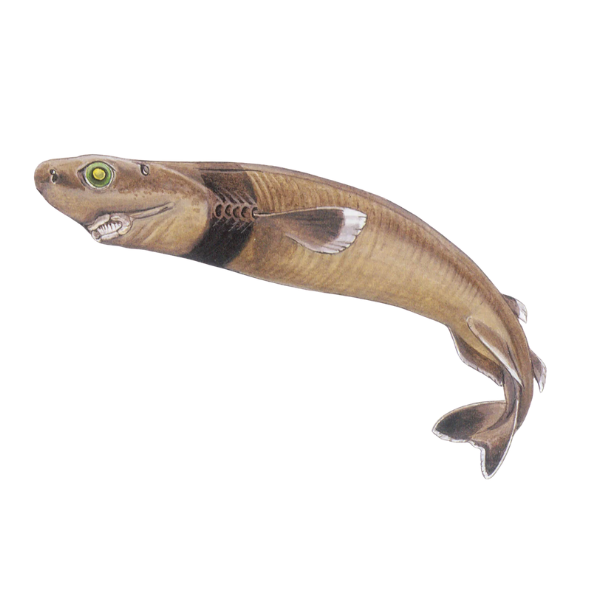
| Frilled Shark | /frɪld ʃɑrk/ | Deep-water shark with an eel-like body and distinctive frilled gill openings. |
| Greenland Shark | /ˈɡriːnlənd ʃɑrk/ | Large, slow-growing shark adapted to cold northern waters and deep ocean habitats. |
| Basking Shark | /ˈbæskɪŋ ʃɑrk/ | Huge filter-feeding shark that swims with its mouth open to collect plankton. |
| Pacific Angel Shark | /ˈpæsɪfɪk ˈeɪndʒəl ʃɑrk/ | Flattened shark that resembles a ray and often rests partially buried on the seabed. |
| Cookiecutter Shark | /ˈkʊkiˌkʌtər ʃɑrk/ | Small deep-sea shark known for removing distinctive round pieces of tissue from larger animals. |
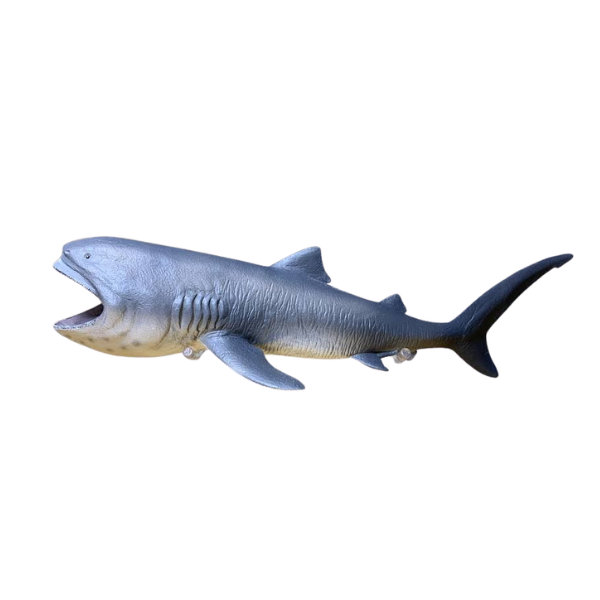
| Megamouth Shark | /ˈmɛɡəˌmaʊθ ʃɑrk/ | Rare large filter-feeding shark with an unusually enormous mouth and broad head. |
Different Types of Shark with Pictures
Grey Reef Shark
The Grey Reef Shark is a medium-sized shark commonly found around coral reefs in tropical and subtropical oceans. It has a streamlined gray body, a broad snout, and a dark edge on its first dorsal fin. This active swimmer mainly feeds on reef fish, squid, octopuses, and crustaceans. Grey Reef Sharks often stay near reefs, where they search for food among rocks and corals.
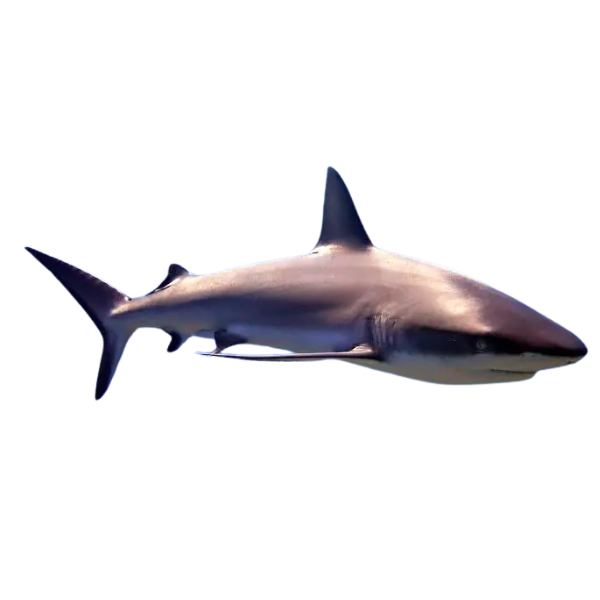
Silky Shark
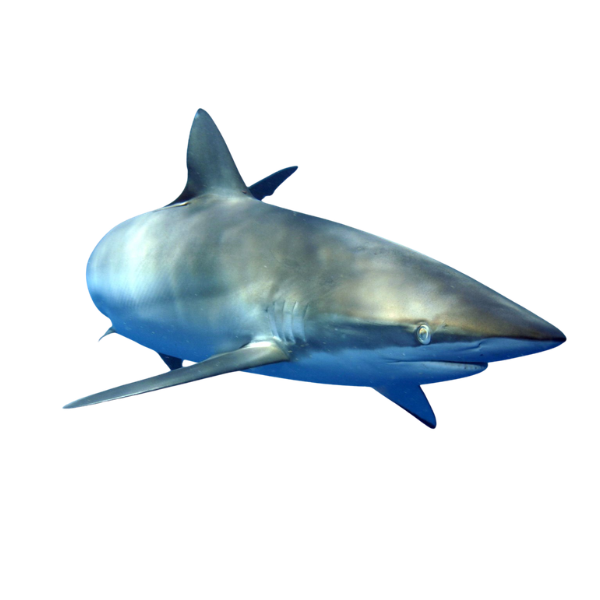
The Silky Shark is a slender, smooth-bodied shark that usually lives in warm tropical and subtropical oceans. It gets its name from the soft-looking texture of its skin. This shark often stays around offshore islands, reefs, and open waters. Silky Sharks mainly eat fish, squid, and crustaceans. They are active swimmers and may travel long distances while searching for suitable feeding areas.
Dusky Shark
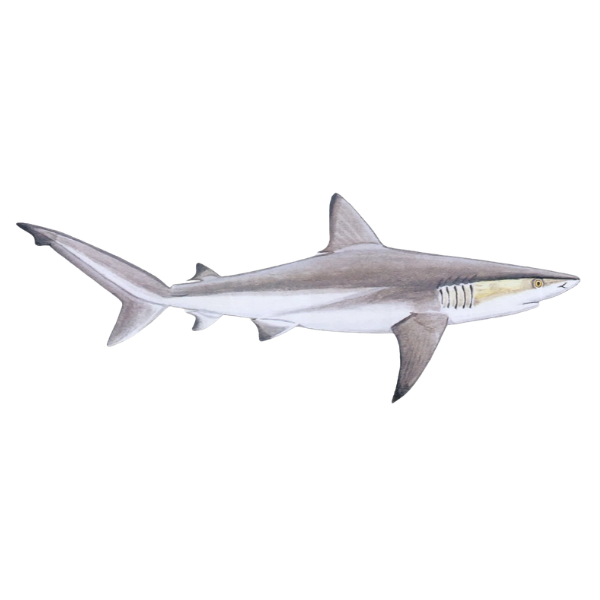
The Dusky Shark is a large, slow-growing shark found in warm and temperate coastal waters. It has a long, streamlined body, a pointed snout, and a gray to bronze-colored back. This species feeds on fish, rays, squid, crabs, and other marine animals. Dusky Sharks may travel between coastal and offshore areas. They are known for their long migrations and relatively long lifespan.
Sand Tiger Shark
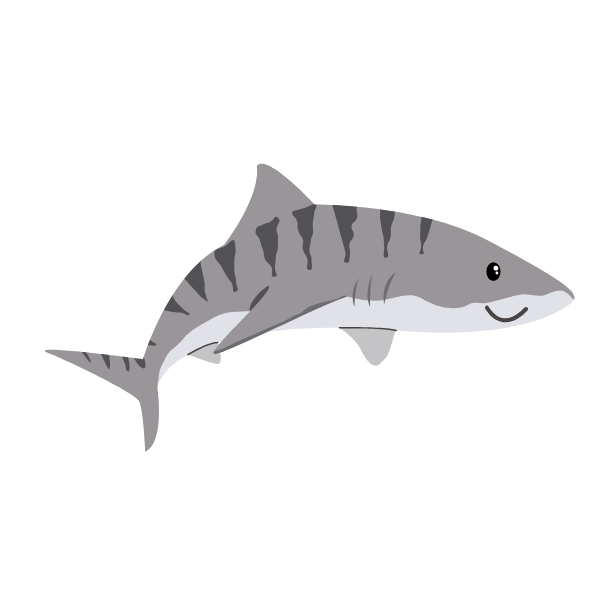
The Sand Tiger Shark has a distinctive appearance because its long, pointed teeth remain visible even when its mouth is closed. It usually lives near sandy bottoms, rocky reefs, and coastal areas. Despite its frightening appearance, it generally moves slowly. Its diet includes fish, squid, rays, and crustaceans. Sand Tiger Sharks can also swallow air, helping them maintain buoyancy in the water.
Nurse Shark
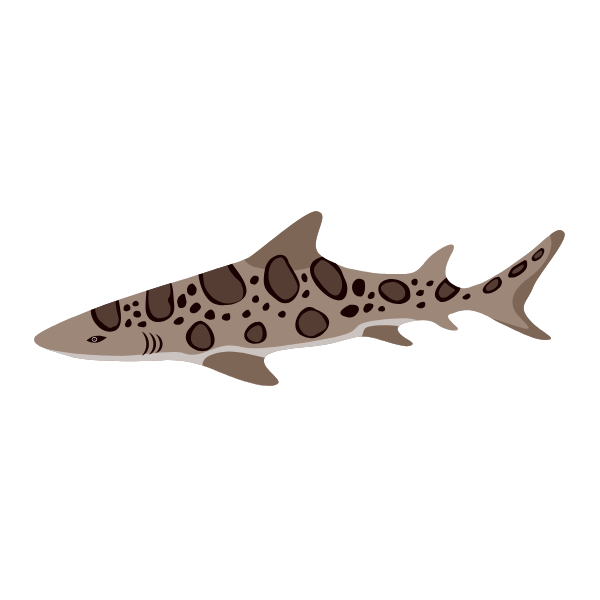
The Nurse Shark is a bottom-dwelling shark commonly found in warm, shallow coastal waters. It has a broad, flattened head, small eyes, and a strong mouth suited for feeding along the seafloor. Nurse Sharks mainly eat fish, squid, shrimp, crabs, and other small marine animals. They often rest during the day and become more active at night while searching for food.
Lemon Shark
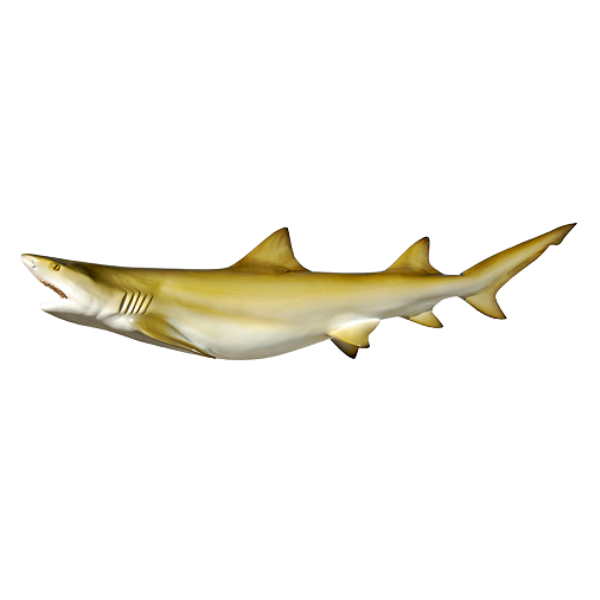
The Lemon Shark is a large coastal shark recognized by its yellowish or olive-brown coloring. It usually lives in warm, shallow waters around bays, mangroves, estuaries, and reefs. This shark has a broad head and two similarly sized dorsal fins. Lemon Sharks mainly eat fish, rays, crustaceans, and other marine animals. Young sharks often use shallow coastal habitats as nursery areas.
Zebra Shark
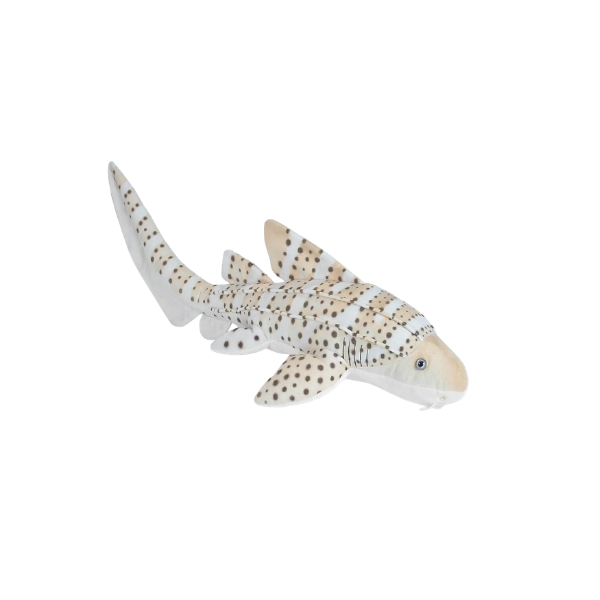
The Zebra Shark is a bottom-dwelling species found mainly around tropical coral reefs and sandy coastal areas. Young Zebra Sharks have striped patterns, while adults develop small dark spots over a lighter body. They have a long, flexible body and a broad, flattened head. These sharks usually feed at night on mollusks, crustaceans, small fish, and other animals living near the seafloor.
Spotted Wobbegong
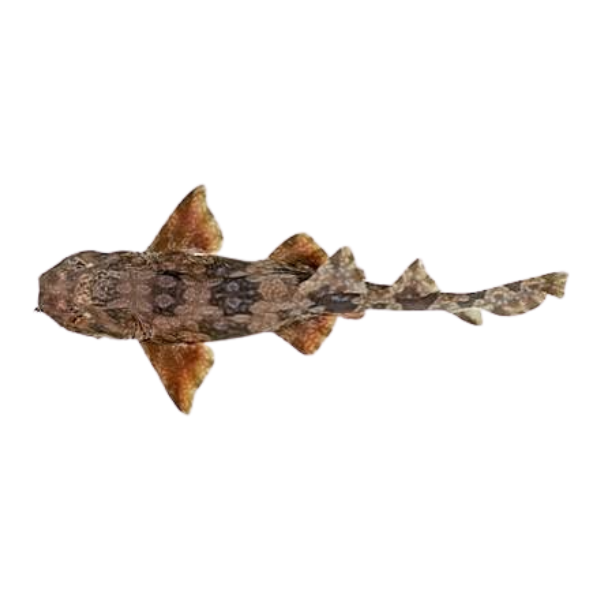
The Spotted Wobbegong is a flattened bottom-dwelling shark known for its spotted body and unusual appearance. It lives around rocky reefs, caves, sandy areas, and coral habitats in coastal waters. Its broad head and skin flaps help it blend into the seafloor. This ambush predator waits quietly before capturing fish, octopuses, crustaceans, and other animals that come within reach.
Goblin Shark
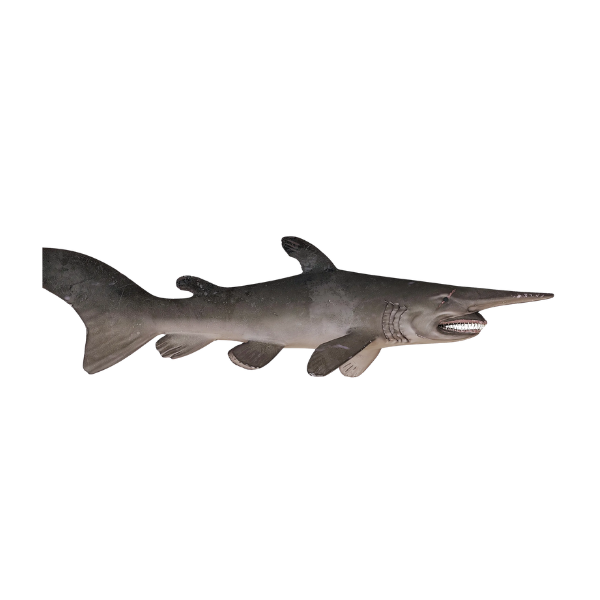
The Goblin Shark is a rare deep-sea shark with a long, flattened snout and a distinctive protruding jaw. Its body is usually pinkish or gray, and it lives in deep ocean waters. This shark uses its sensitive snout to detect prey in dark environments. When hunting, its jaws can extend forward quickly to capture fish, squid, and other deep-sea animals.
Frilled Shark
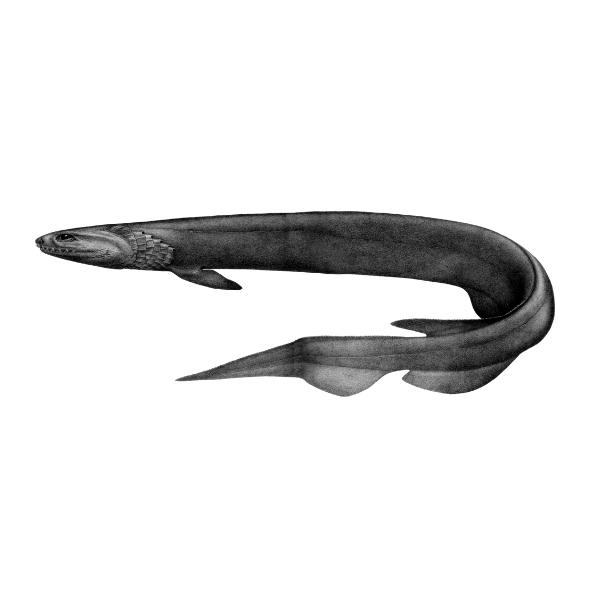
The Frilled Shark is a deep-sea shark with a long, eel-like body and unusual frilled gill openings. It usually lives in deep ocean waters and is rarely seen because of its habitat. This shark has a broad, rounded head and many sharp, backward-pointing teeth. It feeds mainly on fish, squid, and other marine animals. Its appearance makes it one of the most distinctive sharks.
Greenland Shark
The Greenland Shark is a large, slow-moving shark that lives in the cold waters of the North Atlantic and Arctic regions. It has a thick body, short snout, and small eyes. This species can live at considerable depths and feeds on fish, squid, seals, and other available animals. Greenland Sharks are especially known for their extremely slow growth and remarkably long lifespan.
Basking Shark
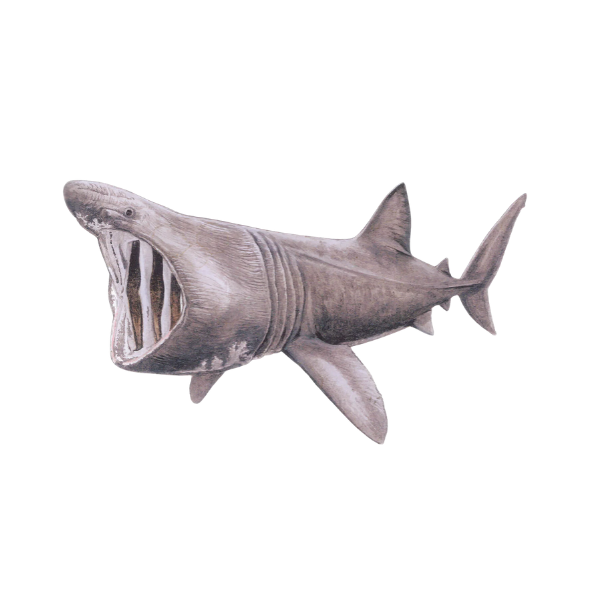
The Basking Shark is the second-largest living shark and is known for its enormous mouth. Despite its size, it is a filter feeder and does not hunt large prey. It swims through seawater with its mouth open, filtering tiny plankton and other small organisms. Basking Sharks are found in temperate oceans and may travel long distances between feeding and seasonal areas.
Pacific Angel Shark
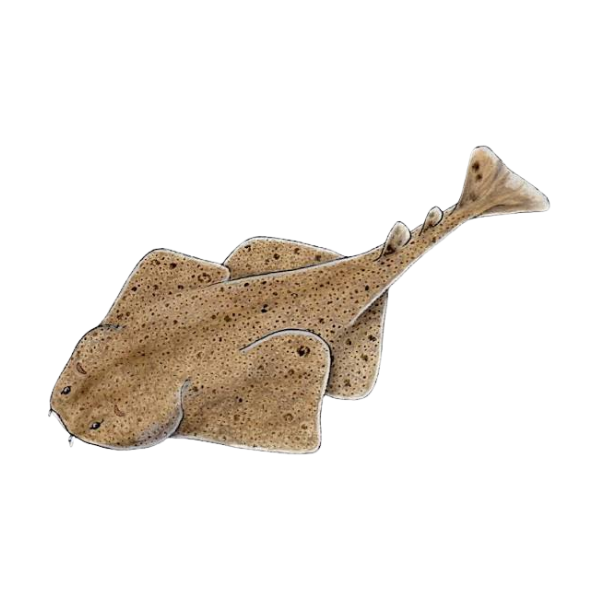
The Pacific Angel Shark has a flattened body and broad pectoral fins that make it look somewhat like a ray. It lives mainly on sandy or muddy seafloors along the Pacific coast of North America. This shark often buries itself in sediment while waiting for prey. Its diet includes fish, squid, and crustaceans. Its flattened shape helps it remain hidden from potential prey.
Cookiecutter Shark
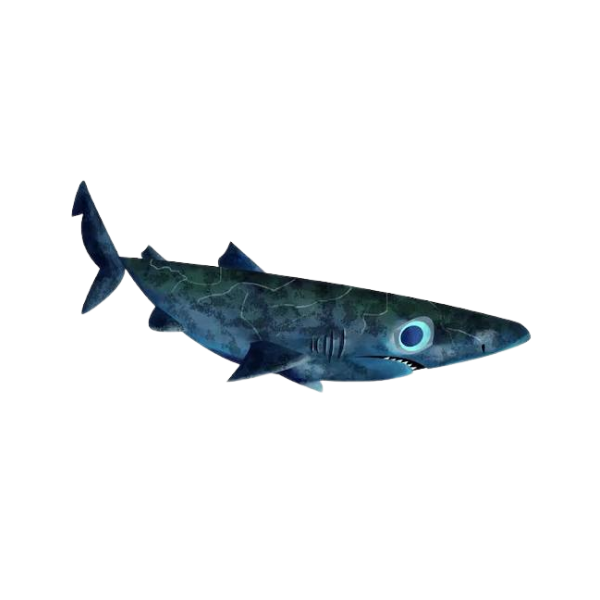
The Cookiecutter Shark is a small deep-sea shark with a dark body and a distinctive round mouth. Its name comes from the circular wounds it can leave on larger marine animals. It uses specialized teeth and powerful suction to remove small, round pieces of flesh. Cookiecutter Sharks feed on fish, squid, marine mammals, and other animals found in deep ocean waters.
Megamouth Shark
The Megamouth Shark is a rare deep-sea filter-feeding shark recognized by its enormous mouth and broad head. It has a dark body with lighter coloring underneath. Instead of hunting large animals, it swims through the water and filters tiny organisms such as plankton. Megamouth Sharks are usually found in deep waters and have been recorded in several tropical and temperate ocean regions.
More animals related articles