Jaguars are powerful wild cats found across parts of North, Central, and South America. Known for their strong bodies, beautiful spotted coats, and impressive hunting skills, they are among the most fascinating big cats in the world. In this guide, we will explore the different Types of Jaguar from various regions, including the Amazonian Jaguar, Pantanal Jaguar, and Mexican Jaguar. We will also look at the Black Jaguar, which is a natural color form rather than a separate species. This article explains their appearance, habitat, behavior, diet, distribution, and conservation status in simple, accurate language.
Jaguar Habitat and Distribution
- Tropical and evergreen forests
- Wet savannas
- Swampy grasslands
- Mangrove areas
- Deciduous and mixed forests
- Dry forests
- Thorn scrub
- The Pantanal wetlands
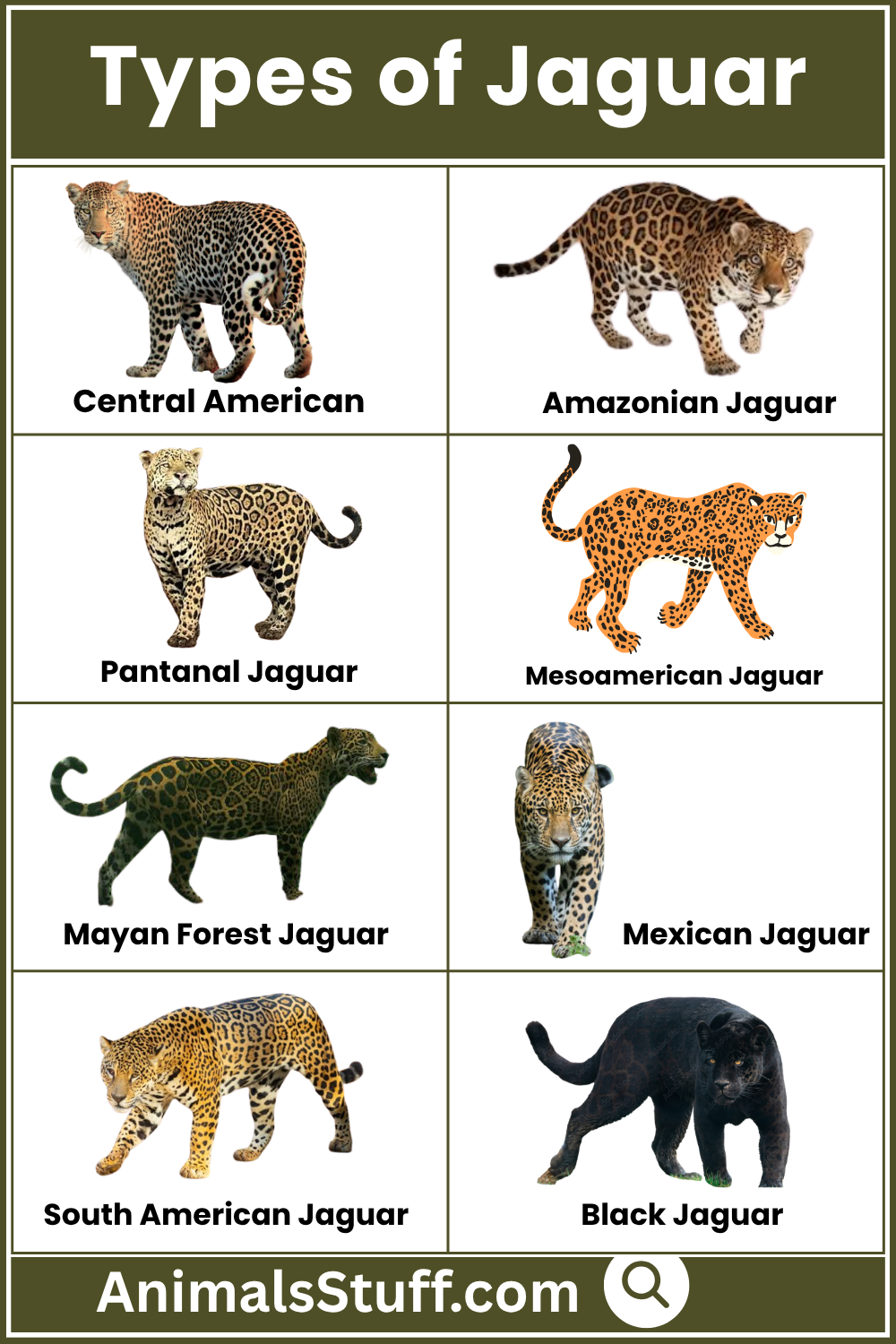
Different Types of Jaguar and short Descriptions
| Jaguar Type | US IPA | Short Description |
|---|---|---|
| Central American Jaguar | /ˈsɛntrəl əˈmɛrɪkən ˈdʒæɡwɑːr/ | Jaguars found in Central America, especially tropical forests, wetlands, and other suitable habitats. |
| Amazonian Jaguar | /ˌæməˈzoʊniən ˈdʒæɡwɑːr/ | Jaguars living throughout the Amazon Basin, where dense forests, rivers, and wetlands provide suitable habitat. |
| Pantanal Jaguar | /ˌpæntəˈnɑːl ˈdʒæɡwɑːr/ | Jaguars from Brazil’s Pantanal wetlands, known for strong swimming ability and relatively large body size. |
| Mesoamerican Jaguar | /ˌmɛzoʊəˈmɛrɪkən ˈdʒæɡwɑːr/ | Jaguars occurring across the Mesoamerican region, including parts of southern Mexico and Central America. |
| Mayan Forest Jaguar | /ˈmaɪən ˈfɔːrəst ˈdʒæɡwɑːr/ | Jaguars inhabiting the Maya Forest, a large connected tropical forest extending across several countries. |
| Mexican Jaguar | /ˈmɛksɪkən ˈdʒæɡwɑːr/ | Jaguars native to Mexico, occurring mainly in forests, wetlands, and other areas with suitable prey. |
| South American Jaguar | /ˌsaʊθ əˈmɛrɪkən ˈdʒæɡwɑːr/ | Jaguars distributed across suitable habitats in South America, from tropical forests to wetlands and grasslands. |
| Black Jaguar | /blæk ˈdʒæɡwɑːr/ | A melanistic jaguar with unusually dark fur; its rosette markings are often still visible in sunlight. |
Jaguar Behavior and Hunting
Jaguars are generally solitary and territorial predators. They are primarily nocturnal but can also be active during daylight hours. Individuals mark territories using scent and other signs, and males typically have larger home ranges than females.
Unlike predators that depend on long chases, jaguars often hunt through stealth and a sudden attack. Their powerful jaws allow them to use a distinctive killing technique, including penetrating the skull of some prey with their canines. They are also excellent swimmers and readily enter water while hunting.
Although jaguars are usually described as solitary, research has documented unusual cases of male jaguars forming long-lasting coalitions. These observations show that their social behavior can be more flexible than the traditional image of a completely solitary cat suggests.
Different Types of Jaguar With Pictures
Central American Jaguar
The Central American jaguar refers to jaguars living across suitable habitats in Central America. These powerful cats inhabit tropical forests, wetlands, grasslands, and areas close to rivers. They have strong bodies, spotted coats, and excellent swimming abilities. Central American jaguars mainly hunt mammals, reptiles, and fish. Habitat loss, hunting, and declining prey populations have reduced their numbers in several parts of the region.
Amazonian Jaguar
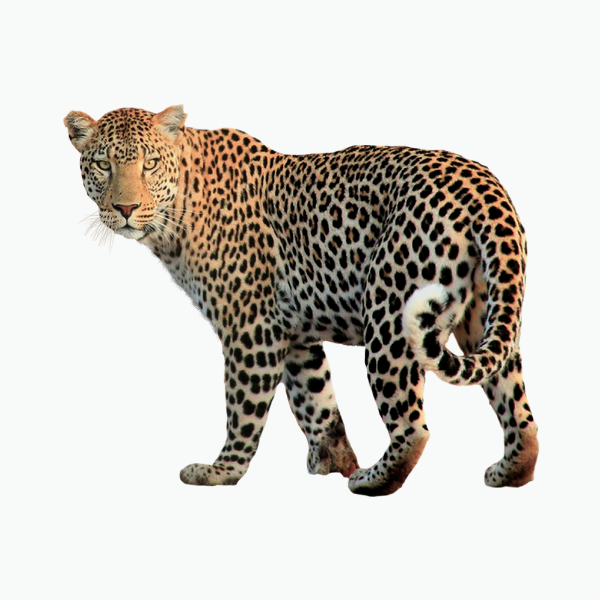
The Amazonian jaguar refers to jaguars inhabiting the vast Amazon Basin of South America. They are well adapted to dense rainforests, riverbanks, flooded forests, and wetlands. These jaguars are powerful predators that can swim confidently and hunt various animals. Their diet may include fish, reptiles, birds, and mammals. The Amazon provides important habitat, although deforestation and human activities threaten some populations.
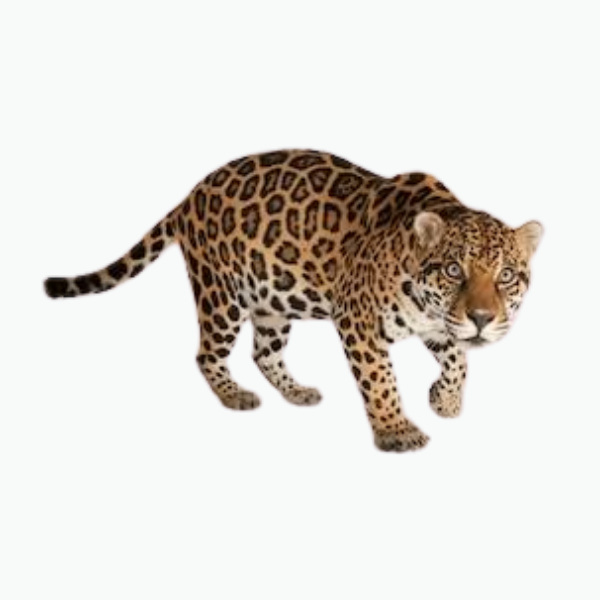
Pantanal Jaguar
The Pantanal jaguar refers to jaguars living in the Pantanal, one of the world’s largest tropical wetlands in Brazil and neighboring countries. These jaguars are especially associated with rivers, marshes, forests, and seasonally flooded areas. They are strong swimmers and can hunt aquatic and terrestrial prey. The region supports an important jaguar population, although habitat changes, fires, and human conflicts remain concerns.
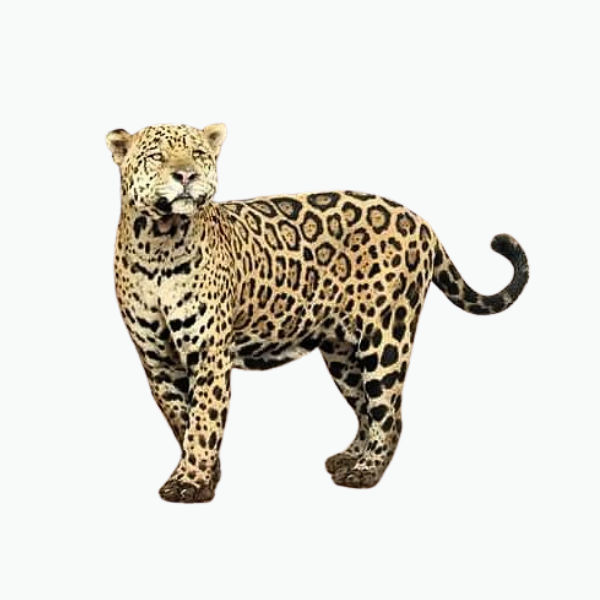
Mesoamerican Jaguar
The Mesoamerican jaguar refers to jaguars found throughout suitable habitats of Mesoamerica, including southern Mexico and parts of Central America. These cats occupy forests, wetlands, and other areas containing enough prey and cover. They are solitary predators with powerful jaws and muscular bodies. Their survival depends on connected habitats and healthy prey populations, which can be affected by deforestation and human development.
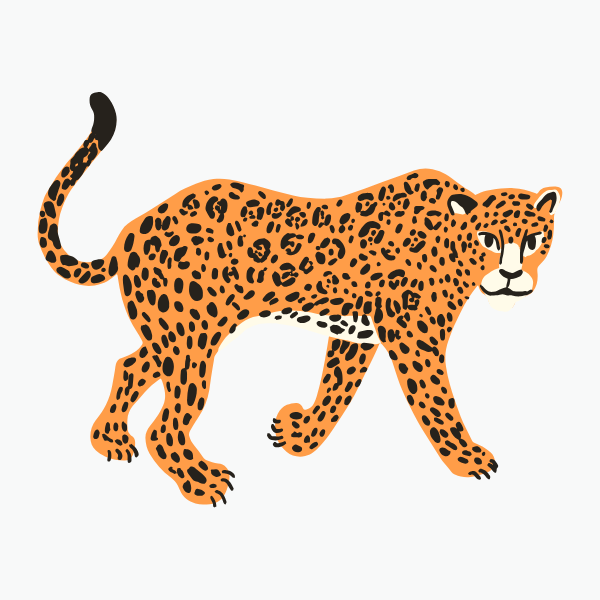
Mayan Forest Jaguar
The Mayan Forest jaguar refers to jaguars living within the extensive Maya Forest of southern Mexico, Guatemala, and Belize. This region contains large areas of tropical forest that provide shelter, hunting grounds, and movement corridors. Jaguars help maintain ecological balance as major predators. Protecting forest connections is important because habitat fragmentation can isolate populations and make movement between suitable areas more difficult.
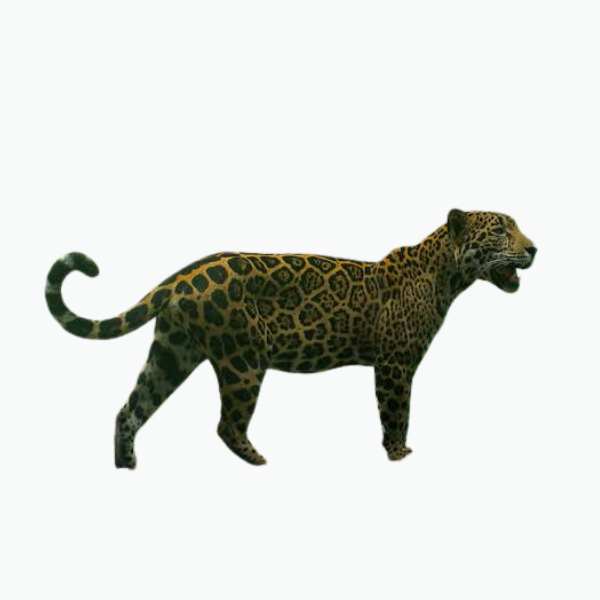
Mexican Jaguar
The Mexican jaguar refers to jaguars occurring in suitable regions of Mexico, particularly areas containing forests, wetlands, and sufficient prey. Mexico represents an important northern portion of the species’ range. These solitary predators hunt a variety of animals and use dense vegetation for cover. Conservation efforts focus on protecting habitat, maintaining wildlife corridors, reducing illegal killing, and supporting coexistence between jaguars and local communities.
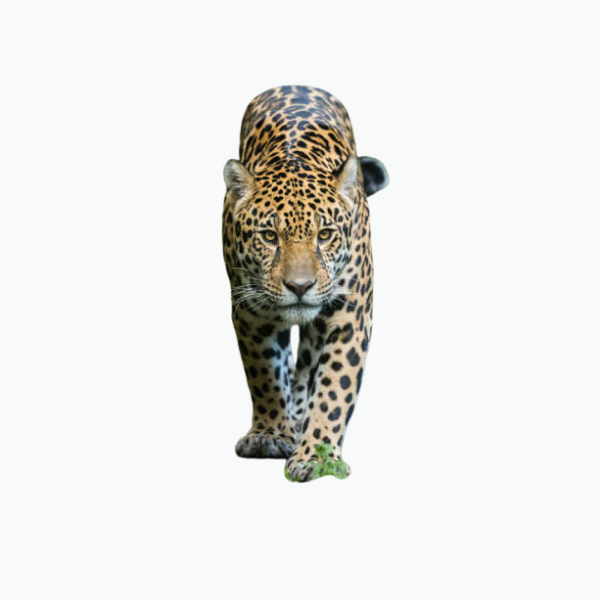
South American Jaguar
The South American jaguar refers to jaguars distributed across suitable habitats in several South American countries. They occur in diverse environments, including tropical rainforests, wetlands, dry forests, and grasslands. These adaptable predators have powerful limbs, strong jaws, and distinctive rosette markings. They hunt many kinds of prey and can swim well. Habitat destruction, prey loss, and human-wildlife conflict threaten populations in some areas.
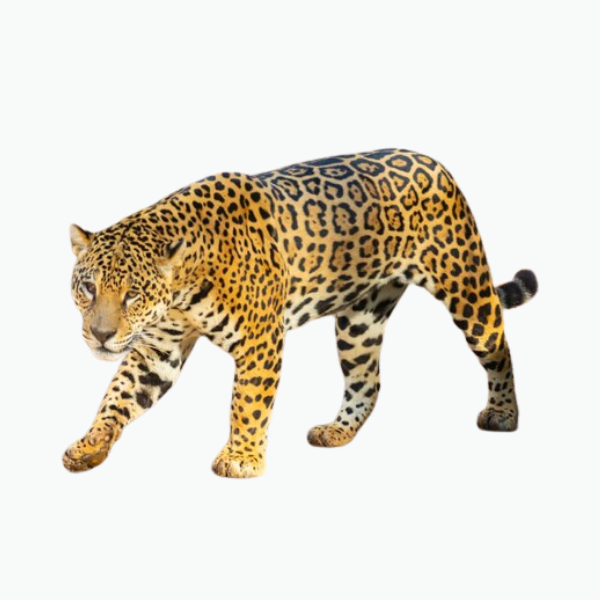
Black Jaguar
The black jaguar is a melanistic color form of the jaguar rather than a separate species or subspecies. Its coat appears very dark because of increased pigmentation, but the familiar rosette patterns can often still be seen under suitable lighting. Black jaguars occur within the species’ natural range and share the same physical abilities, behavior, habitat preferences, and hunting characteristics as normally colored jaguars.
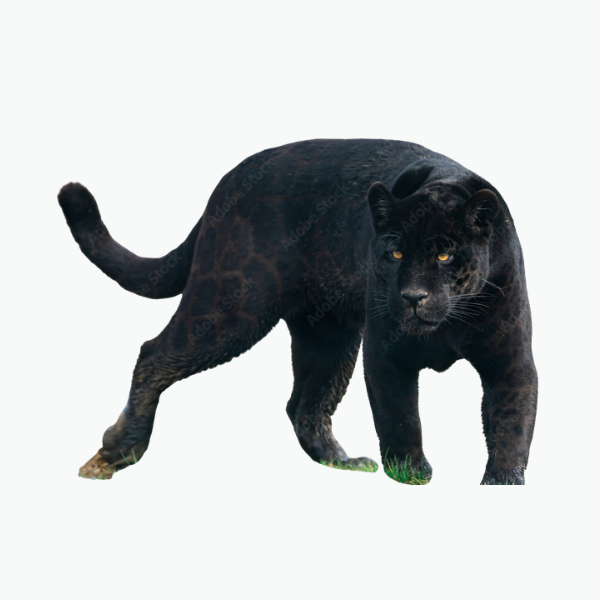
Are Black Jaguars Rare?
Black jaguars are less commonly observed than normally colored jaguars, but they are a natural part of the species. Their dark coloration results from melanism, which produces increased pigmentation in the coat.
A black jaguar may look completely dark from a distance, but its rosettes can often be detected when light falls on the fur from the right angle. This means that “black jaguar” describes a color form, not a separate taxonomic group.
More Animals related articles