Types of Lions
| Lion Name | US IPA | Short Description |
|---|---|---|
| African Lion | /ˈæfrɪkən ˈlaɪən/ | The African Lion is the most widely known lion type and lives across parts of sub-Saharan Africa. |
| Asiatic Lion | /eɪʒiˈætɪk ˈlaɪən/ | The Asiatic Lion is a rare lion population found mainly in and around Gir Forest in India. |
| Barbary Lion | /ˈbɑrˌbɛri ˈlaɪən/ | The Barbary Lion was a North African lion population known historically for its large body and impressive mane. |
| Cape Lion | /ˈkeɪp ˈlaɪən/ | The Cape Lion was a historical lion population from southern Africa that is now considered extinct in the wild. |
| Masai Lion | /ˈmɑːsaɪ ˈlaɪən/ | The Masai Lion is a lion population associated with eastern Africa, especially Kenya and Tanzania. |
| Katanga Lion | /kəˈtɑːŋɡə ˈlaɪən/ | The Katanga Lion is a southern African population known for its large size and prominent mane. |
| West African Lion | /wɛst ˈæfrɪkən ˈlaɪən/ | The West African Lion is a threatened population found in parts of western Africa. |
| Congo Lion | /ˈkɑŋɡoʊ ˈlaɪən/ | The Congo Lion refers to lions associated with the Democratic Republic of the Congo and nearby central African areas. |
| Nubian Lion | /ˈnuːbiən ˈlaɪən/ | The Nubian Lion is a historical name associated with lions from northeastern Africa and the Nile region. |
| East African Lion | /iːst ˈæfrɪkən ˈlaɪən/ | The East African Lion refers to populations living across countries such as Kenya, Tanzania, and Uganda. |
| Southern African Lion | /ˈsʌðərn ˈæfrɪkən ˈlaɪən/ | The Southern African Lion includes populations found across several southern African countries. |
| Kalahari Lion | /kəˈlɑːhəri ˈlaɪən/ | The Kalahari Lion is associated with the dry Kalahari region and is adapted to challenging desert-like conditions. |
| Transvaal Lion | /trænzˈvɑːl ˈlaɪən/ | The Transvaal Lion is a regional name historically used for lions from northeastern South Africa. |
| Kruger Lion | /ˈkruːɡər ˈlaɪən/ | The Kruger Lion refers to lions living in and around Kruger National Park in South Africa. |
| Serengeti Lion | /ˌsɛrənˈɡɛti ˈlaɪən/ | The Serengeti Lion lives in Tanzania’s Serengeti ecosystem and is well adapted to open grasslands. |
Lion Classification and Scientific Names
- Kingdom: Animalia
- Class: Mammalia
- Order: Carnivora
- Family: Felidae
- Genus: Panthera
- Species: Panthera le
Types of Lions with Their Picture
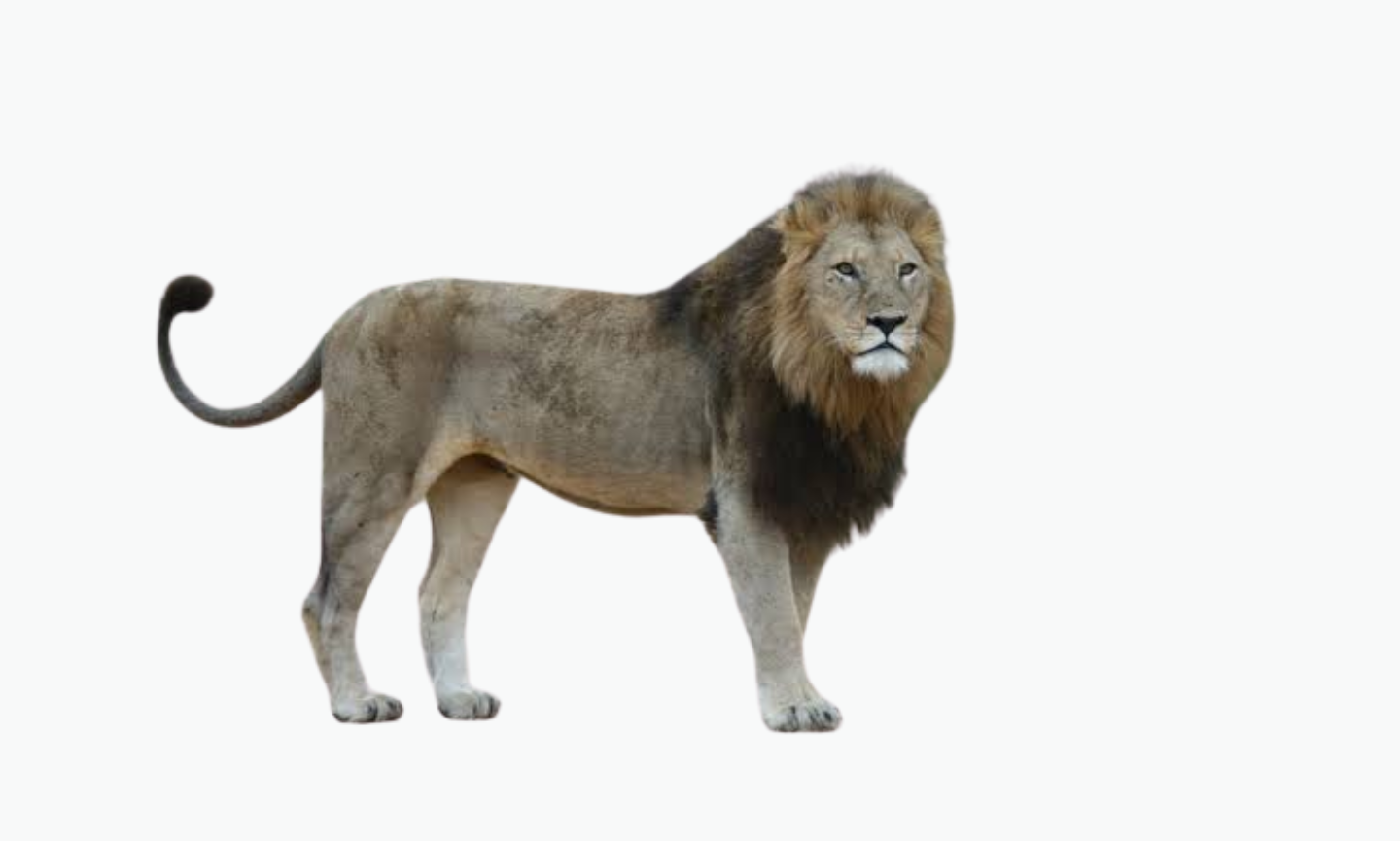
African Lion
The African Lion is the most widely recognized lion and lives mainly across sub-Saharan Africa. It inhabits grasslands, savannas, woodlands, and some dry regions. African lions are social animals that usually live in groups called prides. Males generally have prominent manes, while females usually do most of the hunting. They mainly eat zebras, antelopes, buffalo, and other large animals available in their habitat.
Asiatic Lion
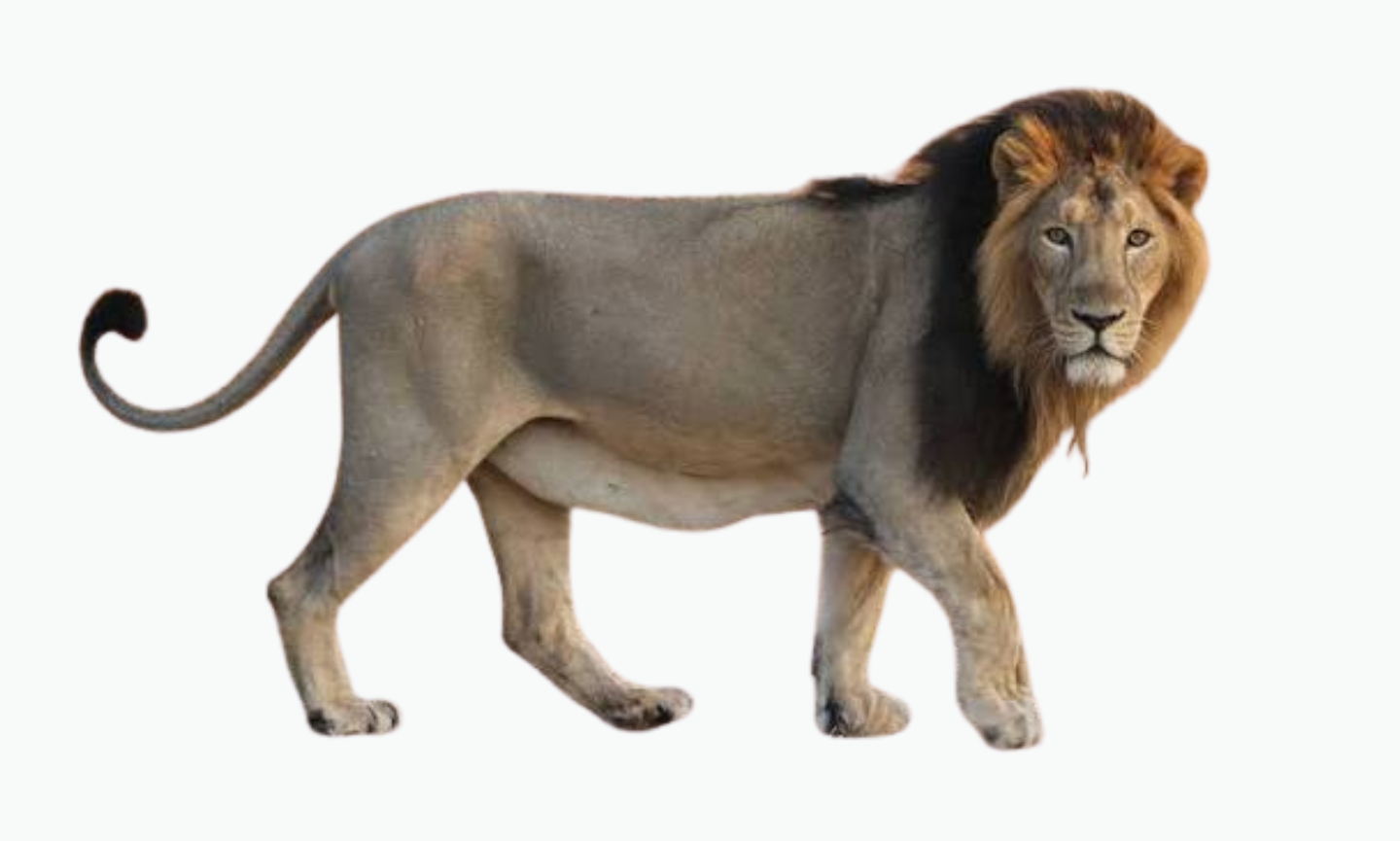
The Asiatic Lion is a rare population of lions found mainly in and around Gir National Park and Wildlife Sanctuary in Gujarat, India. It is slightly smaller in average body size than many African lions and usually has a less extensive mane. Asiatic lions are social and live in smaller groups. Their habitat includes dry forests, grasslands, and scrublands where they hunt various deer, antelope, and other prey.
Barbary Lion
The Barbary Lion was a historical North African lion population associated with Morocco, Algeria, and Tunisia. It was known for its large body and impressive, dark mane that could extend around the neck and shoulders. The population disappeared from the wild during the twentieth century because of hunting and habitat changes. Today, the name is mainly used historically, while some captive lions are described as having Barbary Lion ancestry.
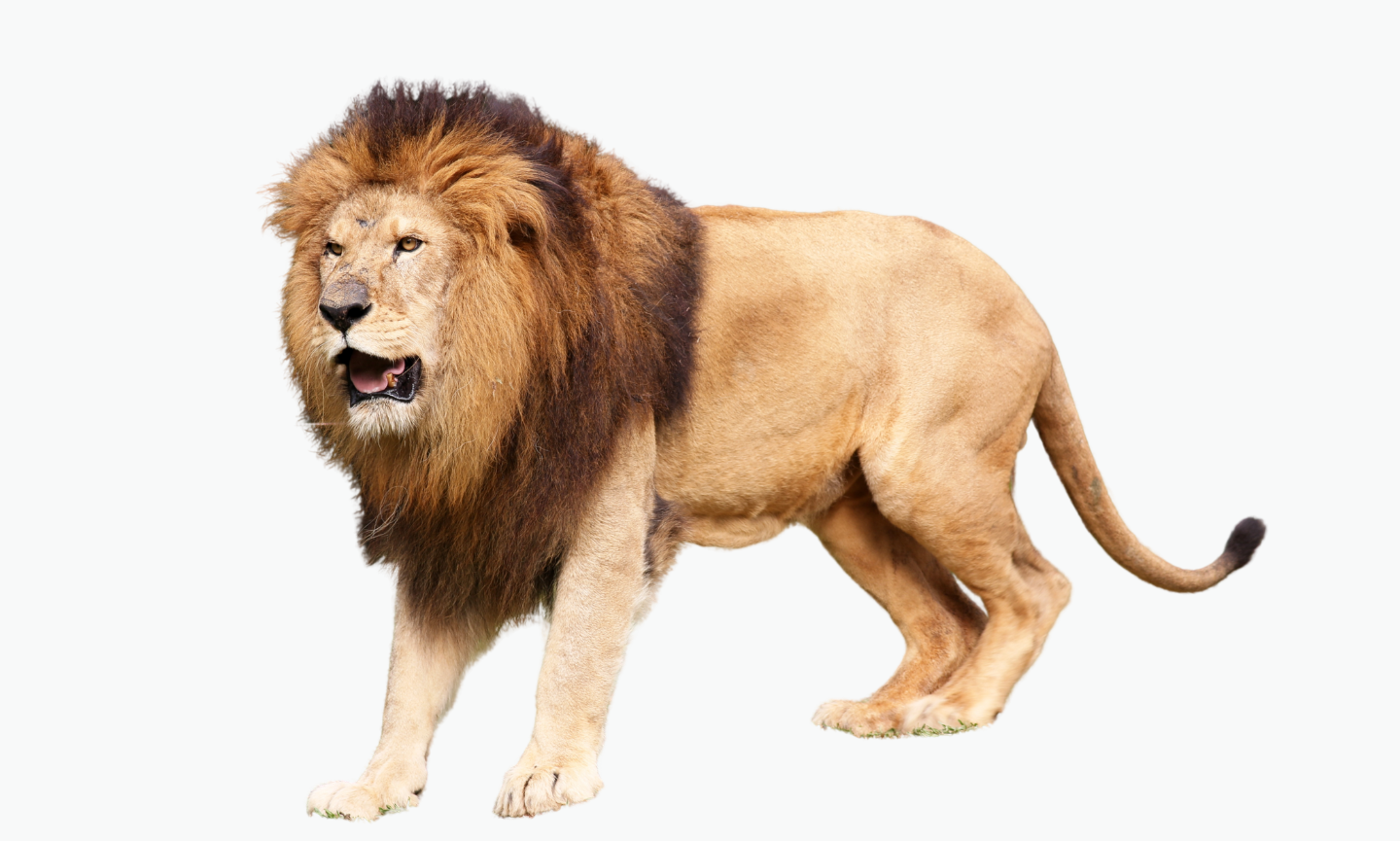
Cape Lion
The Cape Lion was a historical lion population from the Cape region of southern Africa. It was described in older accounts as having a large body and a dark, extensive mane. The population became extinct in the nineteenth century because of hunting, habitat changes, and human expansion. The Cape Lion is therefore not a living wild lion type today. Historical descriptions and preserved specimens provide information about its appearance and distribution.
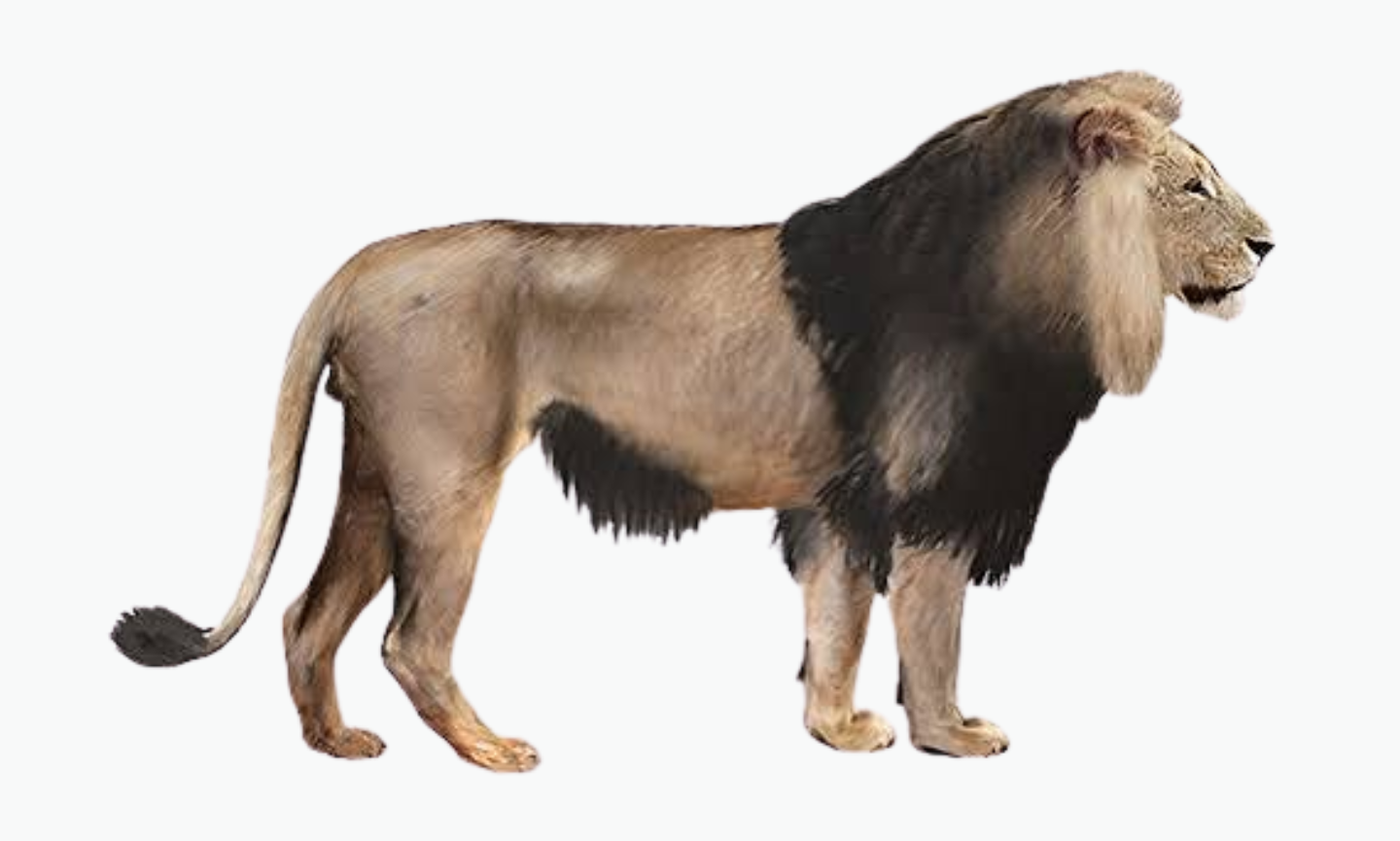
Masai Lion
The Masai Lion is a regional population associated mainly with eastern Africa, particularly Kenya and Tanzania. It lives in savannas, grasslands, woodlands, and protected wildlife areas. Like other lions, it is a social predator that often lives in prides. Males usually develop manes, while females commonly participate in hunting. Masai lions prey on animals such as zebras, wildebeest, antelopes, and buffalo, depending on local conditions and availability.
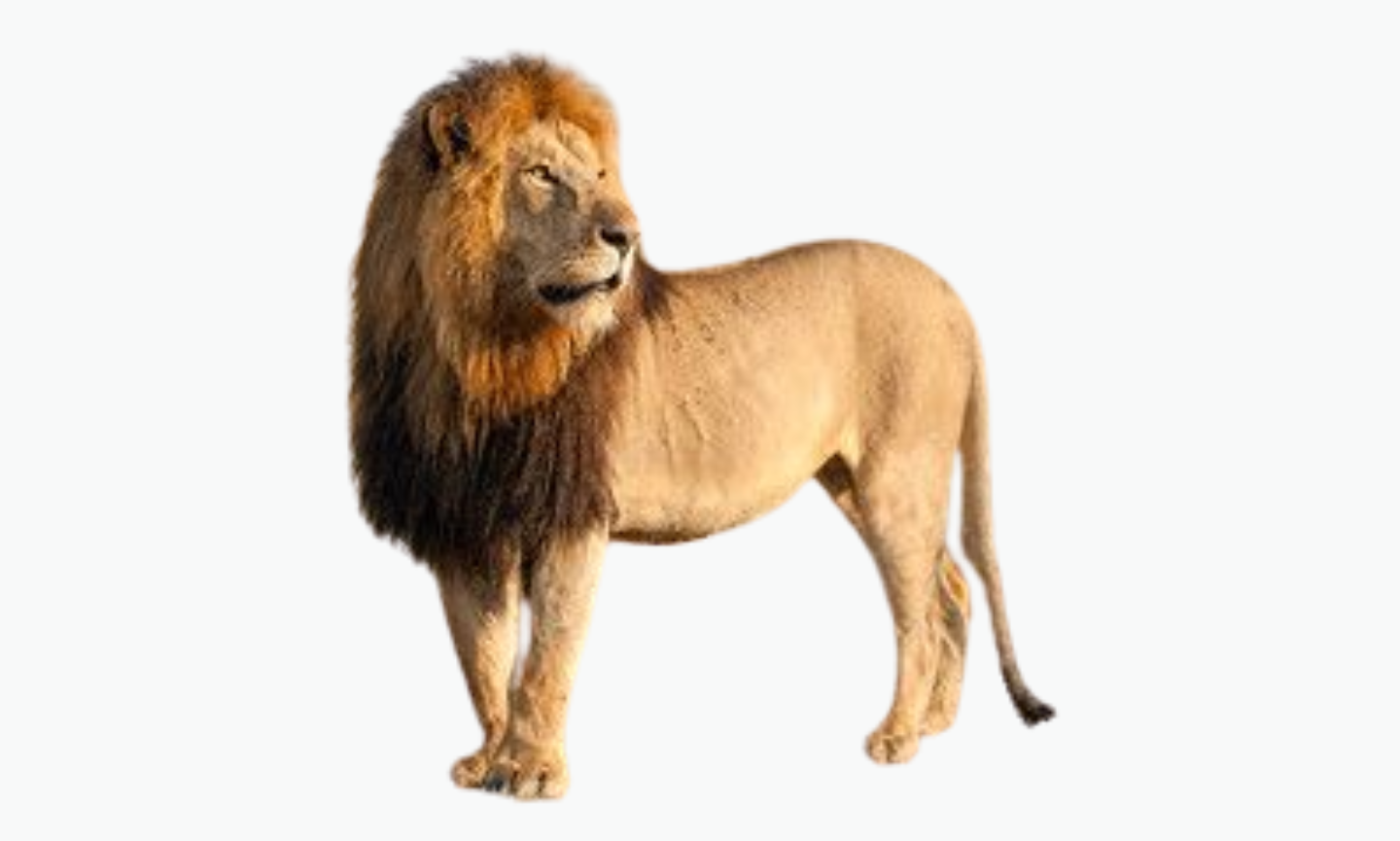
Katanga Lion
The Katanga Lion is a regional lion population associated with parts of southwestern and central southern Africa, particularly areas around Angola, Zambia, Namibia, and the Democratic Republic of the Congo. It is sometimes described as a large southern African lion with a well-developed mane in males. These lions live in savannas, grasslands, and woodland habitats. Their diet includes various hoofed mammals and other animals found within their territories.
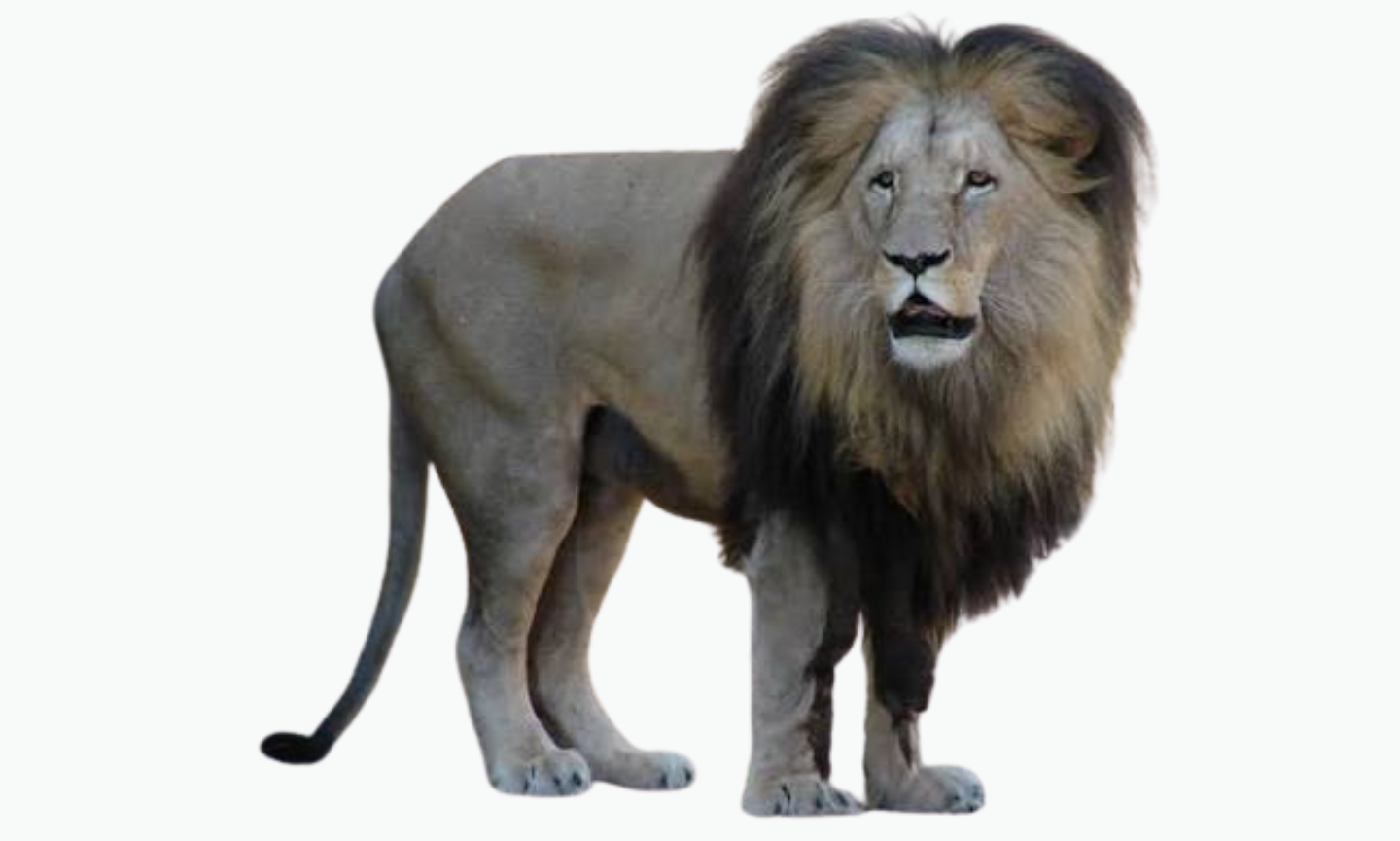
West African Lion
The West African Lion is a threatened population found in parts of West Africa. It inhabits savannas, grasslands, and woodland areas, although suitable habitat has become increasingly fragmented. West African lions are generally smaller than some southern African populations and often live in relatively small groups. They prey on antelopes, warthogs, buffalo, and other available animals. Conservation areas are important for protecting their remaining populations and natural habitat.
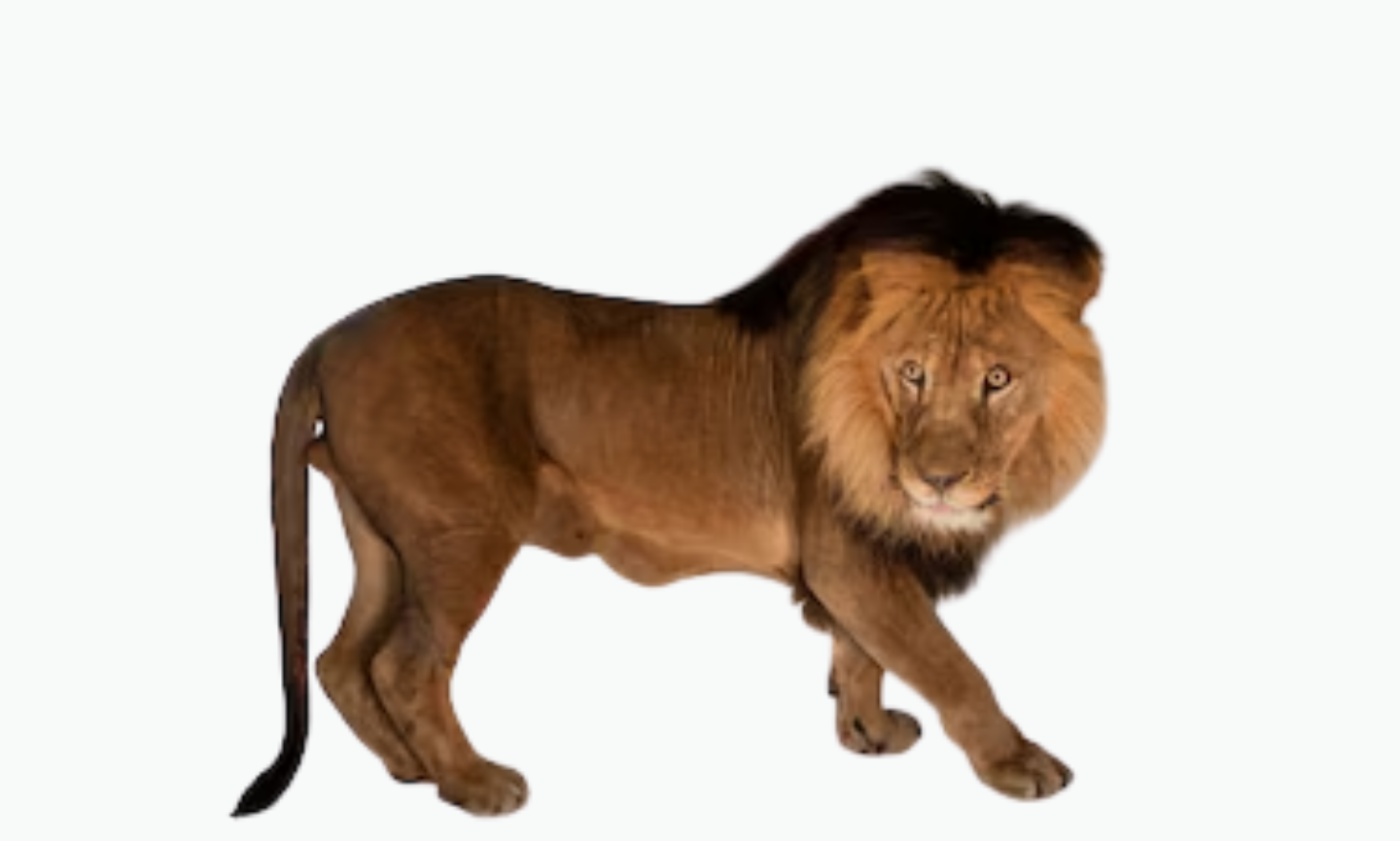
Congo Lion
The Congo Lion is a regional name associated with lions living in the Democratic Republic of the Congo and surrounding areas of central Africa. These lions inhabit savannas, grasslands, and woodland environments where suitable prey is available. Like other lions, they are powerful predators and social animals. Their populations have faced pressure from habitat loss, declining prey numbers, and human-wildlife conflict, making protected areas important for their conservation.
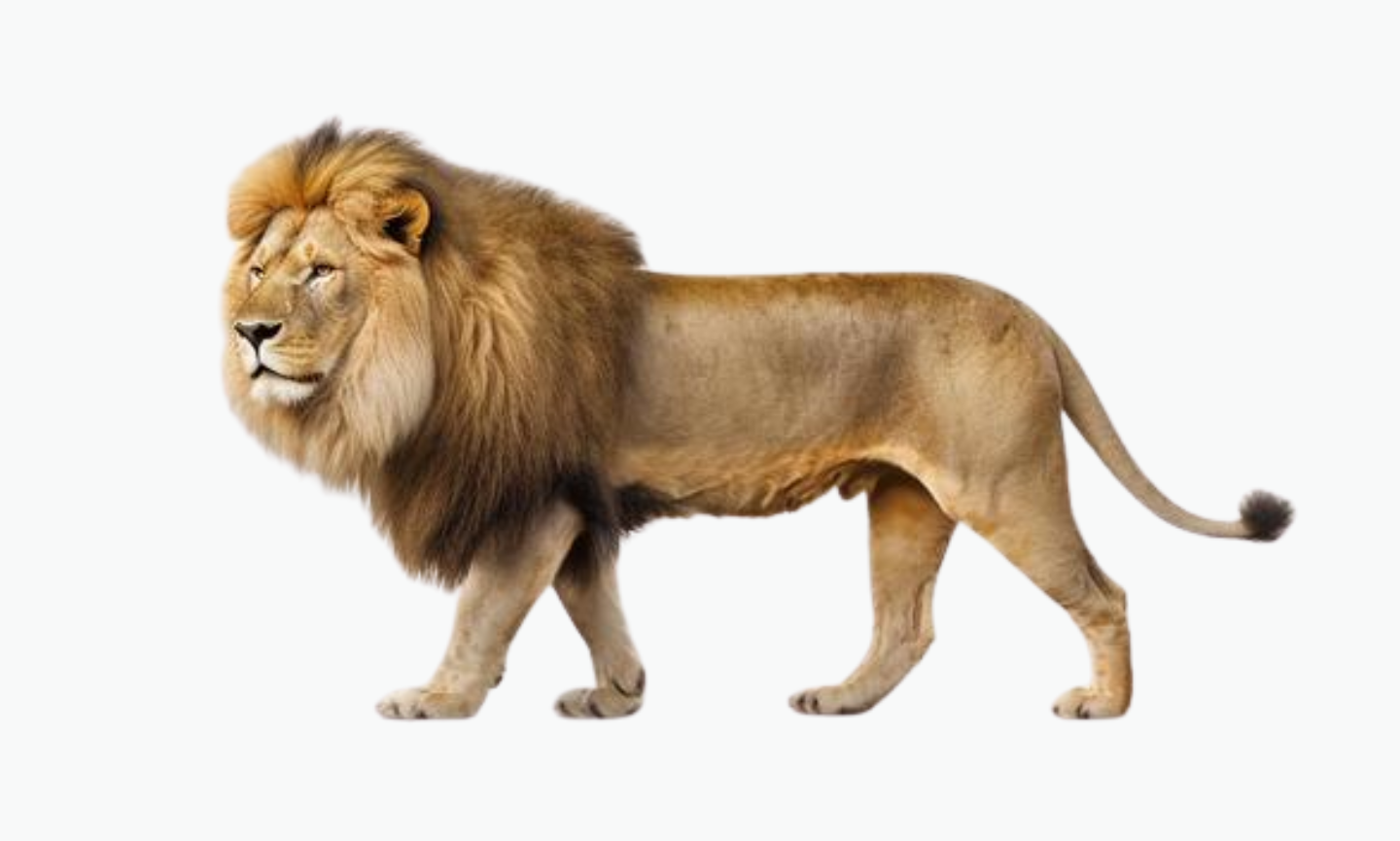
Nubian Lion
The Nubian Lion is a historical name connected with lions from northeastern Africa, particularly areas around the Nile Valley and ancient Nubia. It is not generally recognized today as a separate modern lion subspecies. Historical references describe lions living across regions that are now much less suitable for wild lions. Habitat changes, hunting, and human population growth contributed to their disappearance from many parts of northeastern Africa.
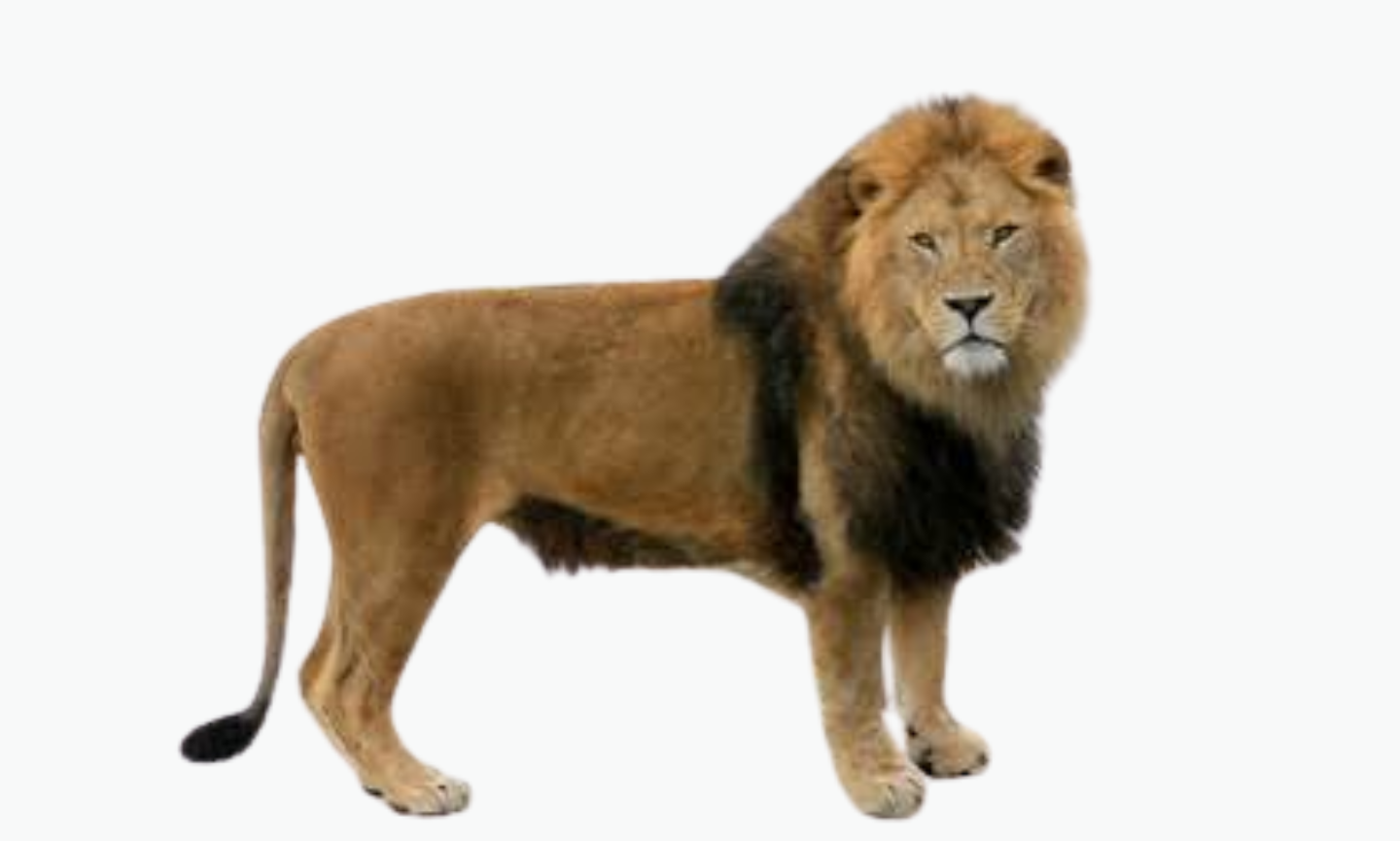
East African Lion
The East African Lion refers to lion populations living across eastern Africa, particularly Kenya, Tanzania, Uganda, and nearby regions. These lions commonly inhabit open savannas, grasslands, and woodland ecosystems. East African lions are famous for living in wildlife-rich landscapes where they hunt zebras, wildebeest, antelopes, and buffalo. They normally live in social prides, with females often cooperating during hunting and males helping defend the group and territory.
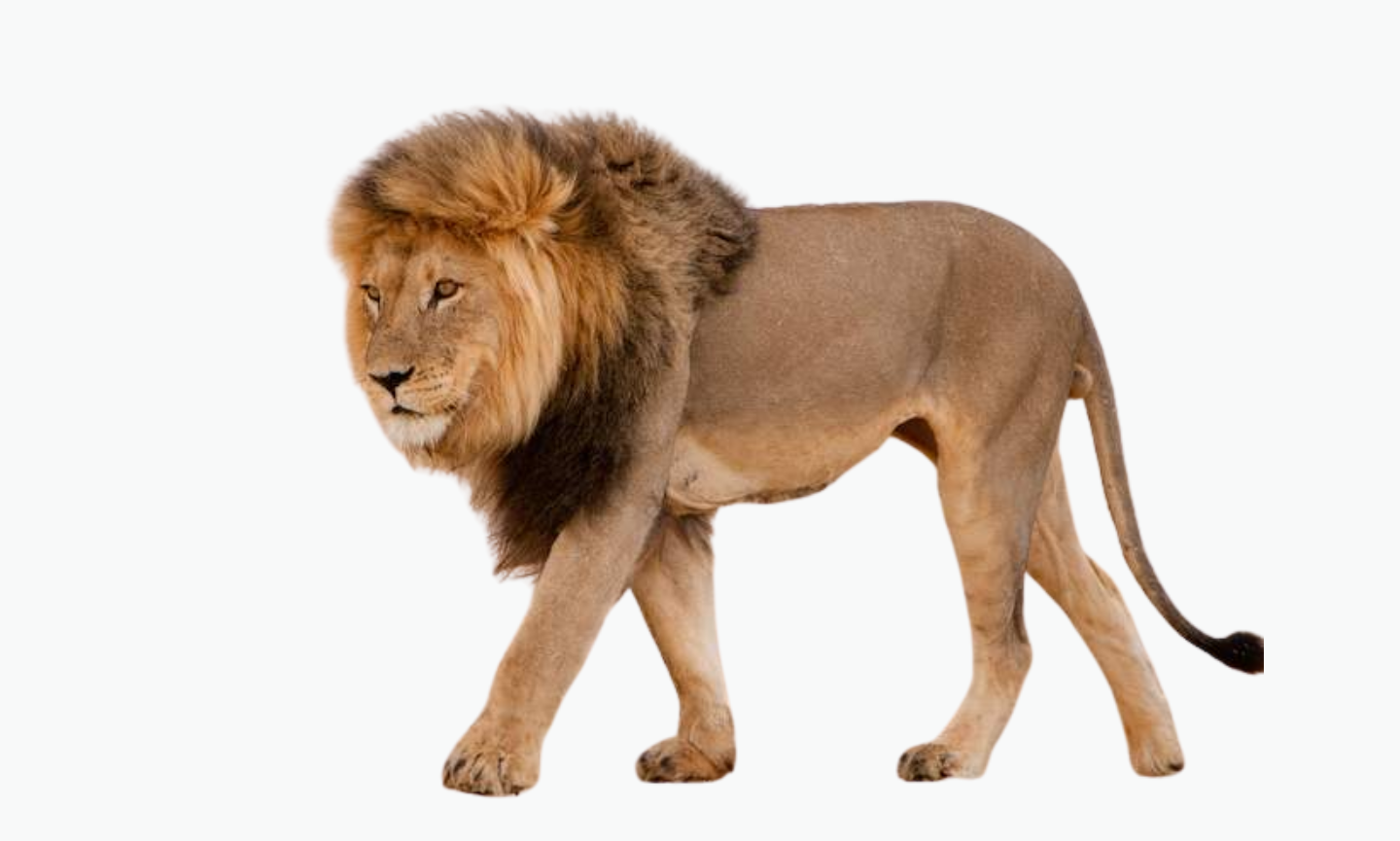
Southern African Lion
The Southern African Lion refers broadly to lion populations found across southern Africa, including countries such as South Africa, Botswana, Namibia, Zambia, and Zimbabwe. These lions occupy diverse habitats, from open savannas and grasslands to woodland areas. They are social predators that live in prides and hunt a variety of large mammals. Protected reserves and national parks provide important habitats for maintaining healthy southern African lion populations.
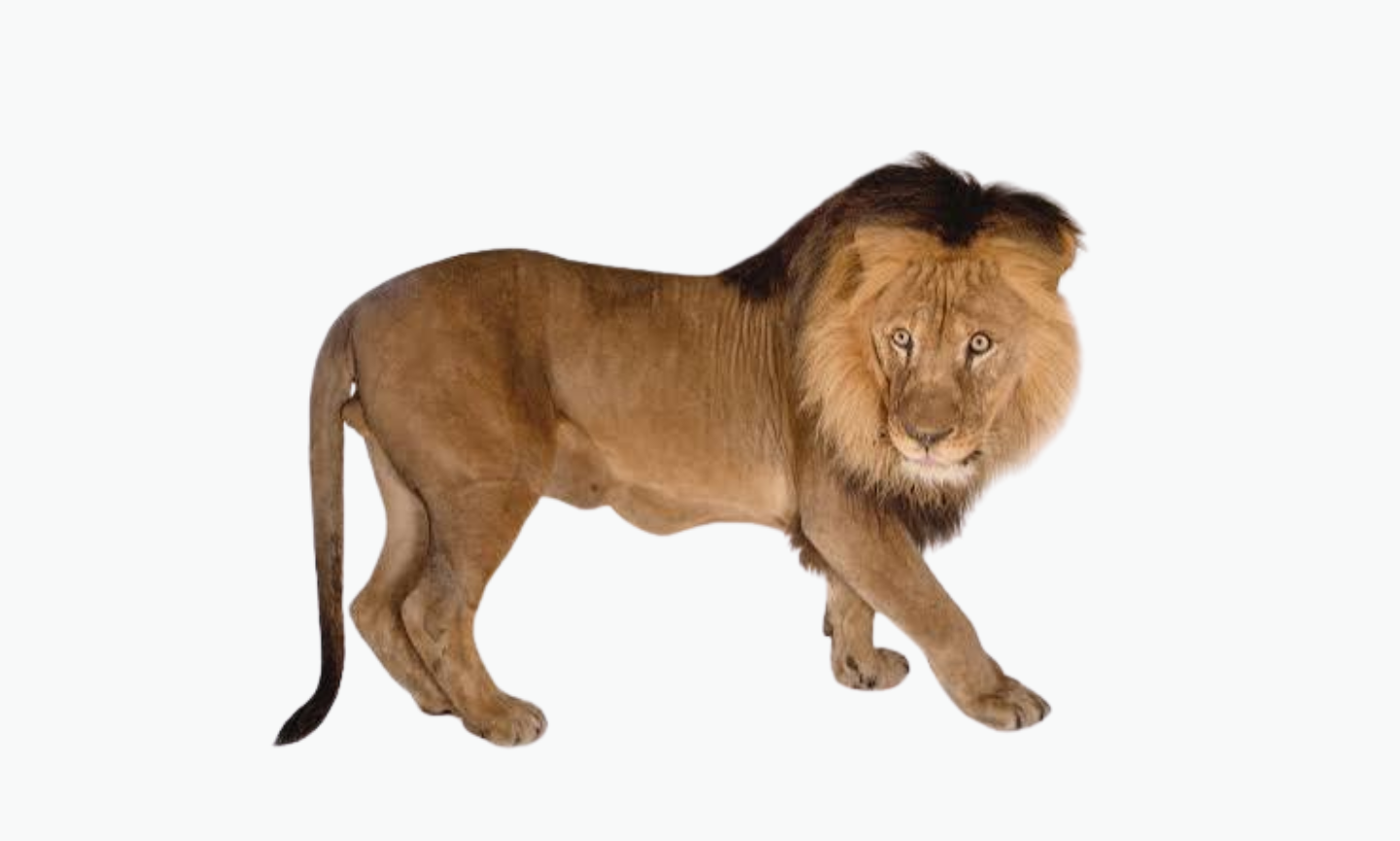
Kalahari Lion
The Kalahari Lion is a regional name commonly used for lions living in or around the Kalahari region of southern Africa. These lions survive in a relatively dry environment with seasonal water availability and scattered vegetation. They hunt animals such as antelopes and other mammals found in the region. Kalahari lions must travel across large territories to find food and water, demonstrating their ability to adapt to challenging environments.
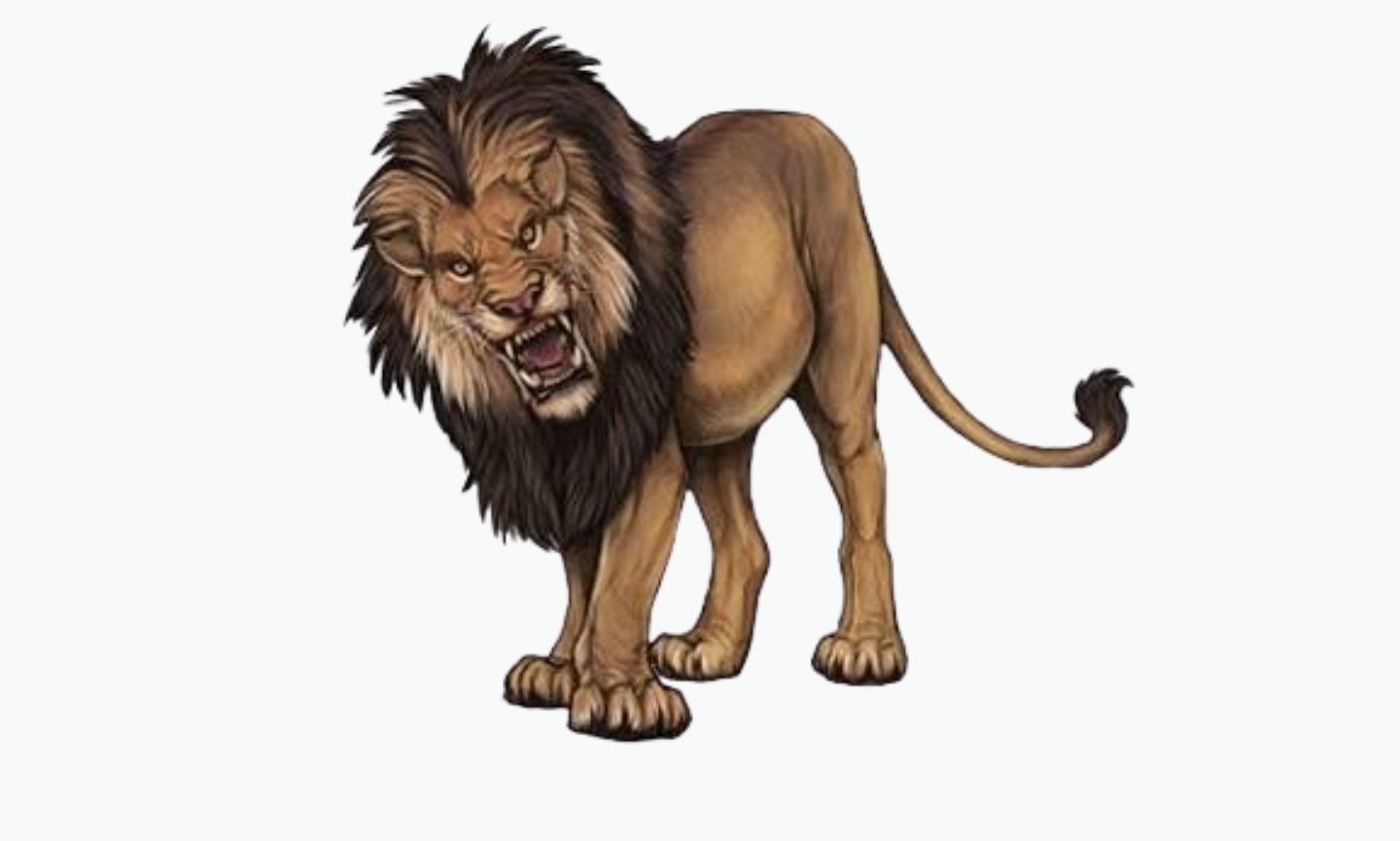
Transvaal Lion
The Transvaal Lion is a historical regional name associated with lions from northeastern South Africa, particularly the former Transvaal region. Lions from this area live mainly in savannas, grasslands, and woodland habitats. The name is not usually treated as a separate modern species or subspecies. Today, lions in the region are protected within several reserves and national parks, where conservation programs help maintain their populations and natural habitats.
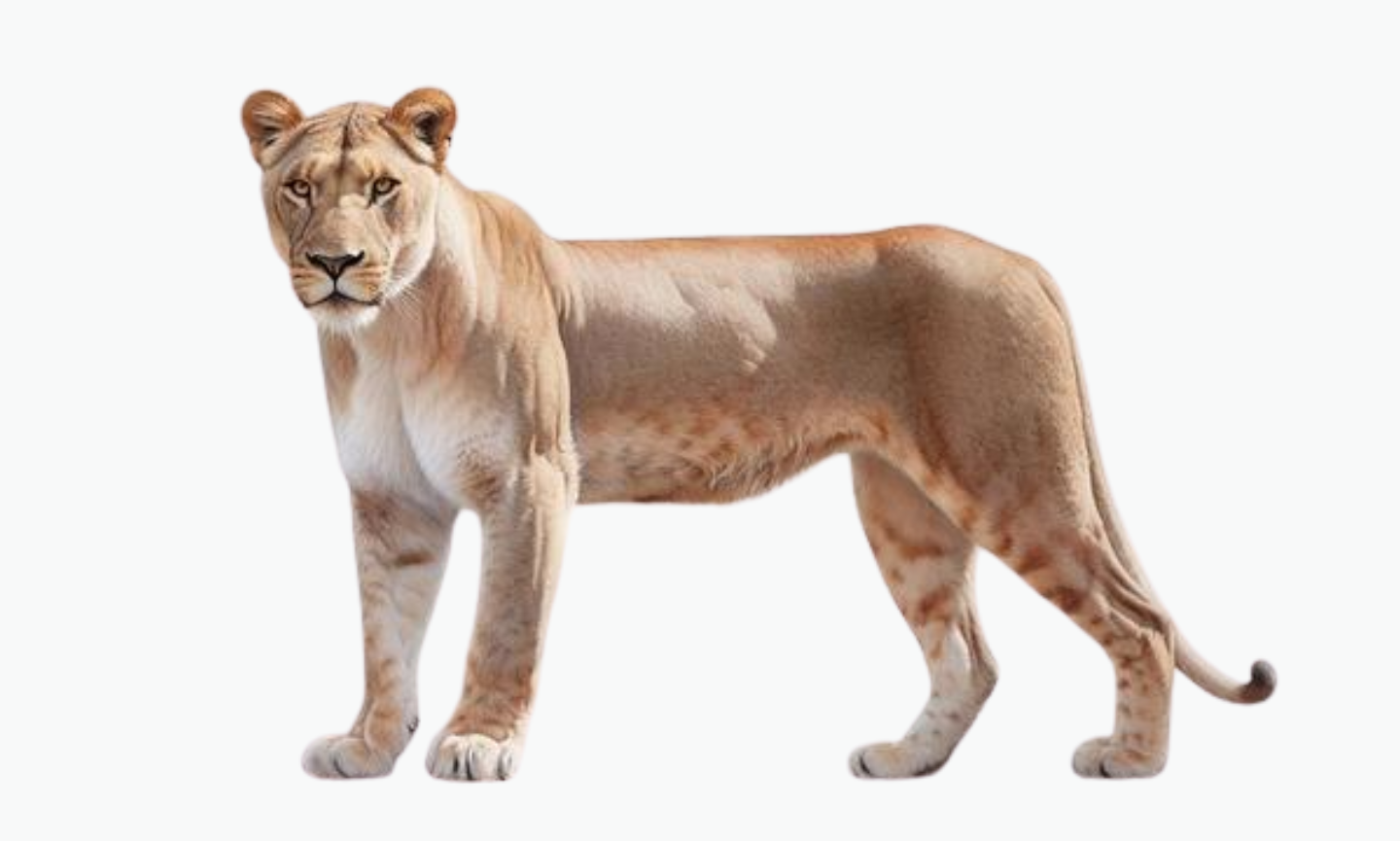
Kruger Lion
The Kruger Lion refers to lions living in and around Kruger National Park in South Africa. These lions inhabit a mixture of savanna, woodland, grassland, and river environments. They live in prides and hunt prey such as impala, zebra, wildebeest, and buffalo. Kruger provides a large protected area where lions can reproduce and maintain natural behaviors. Their population is also important for wildlife research and conservation.
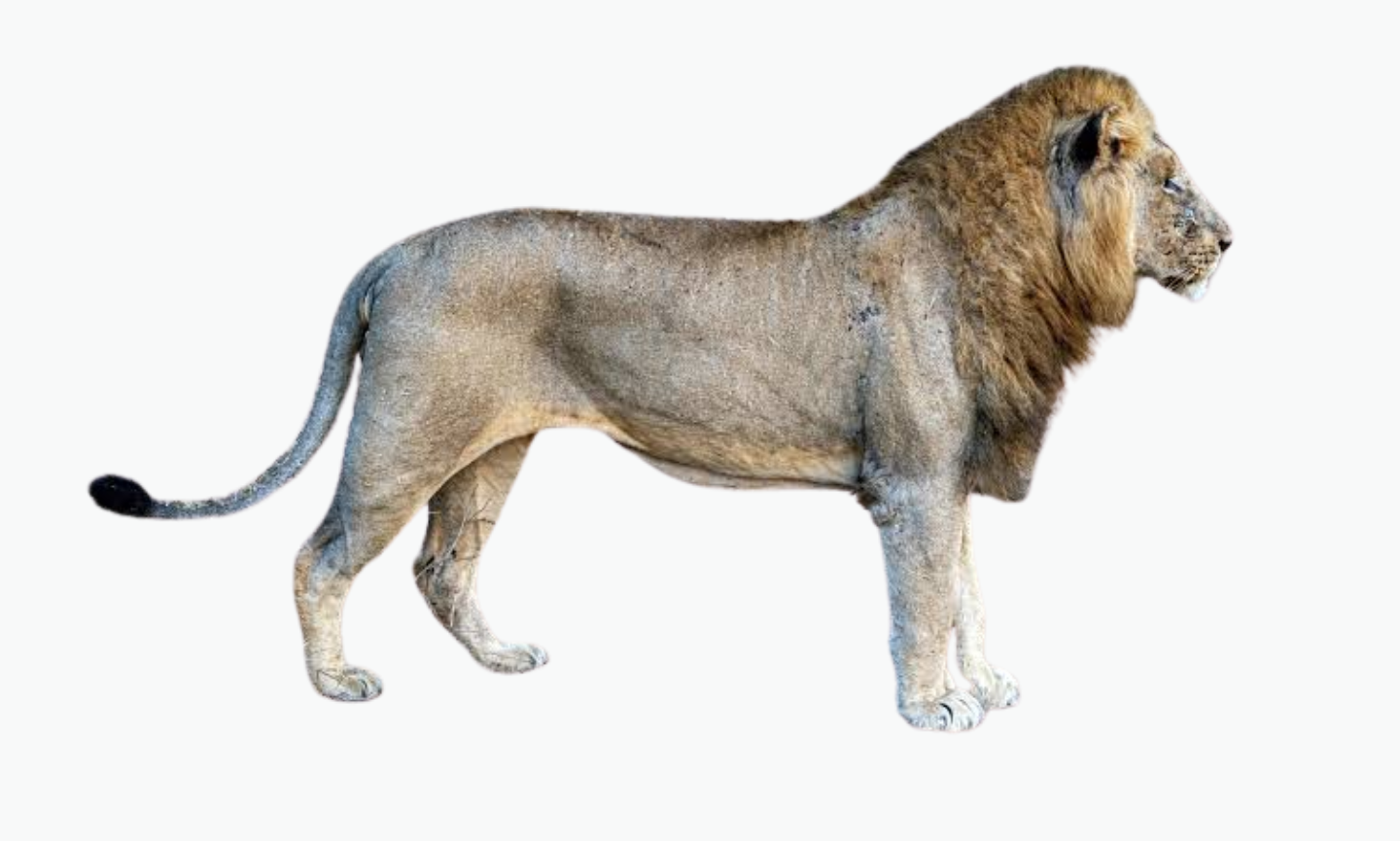
Serengeti Lion
The Serengeti Lion is a regional population living in Tanzania’s Serengeti ecosystem and surrounding areas. The Serengeti provides extensive grasslands that support large numbers of prey, including wildebeest, zebras, and gazelles. Lions live in prides and often hunt cooperatively, especially when targeting larger animals. Seasonal movements of prey influence their hunting opportunities. The Serengeti is one of Africa’s best-known landscapes for observing wild lions.
Lion Behavior and Social Life
Lions are especially notable for their social behavior. A pride commonly contains related females and their young, along with one or more adult males, although group size and structure vary. Female lions often remain with their maternal group, while young males typically leave their birth pride and may later form coalitions with other males.
Lions spend much of their time resting. They are particularly active around dusk, nighttime, and dawn, although activity patterns vary with temperature, prey, and human disturbance. Roaring, scent marking, grooming, rubbing, and physical contact all contribute to communication within and between groups.
Common Types of Lions with Descriptions
| Lion Name | US IPA | Short Description |
|---|---|---|
| Ngorongoro Lion | /ˌŋɡɔrɔŋˈɡɔroʊ ˈlaɪən/ | The Ngorongoro Lion is associated with the Ngorongoro Conservation Area in Tanzania. |
| Tsavo Lion | /ˈtsɑːvoʊ ˈlaɪən/ | The Tsavo Lion comes from the Tsavo region of Kenya and is famous for its distinctive local characteristics. |
| Okavango Lion | /ˌoʊkəˈvæŋɡoʊ ˈlaɪən/ | The Okavango Lion lives around Botswana’s Okavango region, where wetlands and grasslands provide habitat. |
| Gir Lion | /ˈɡɪr ˈlaɪən/ | The Gir Lion is the Asiatic lion population protected in and around Gir Forest in India. |
| Mara Lion | /ˈmɑːrə ˈlaɪən/ | The Mara Lion refers to lions found around Kenya’s Maasai Mara ecosystem. |
| Luangwa Lion | /luˈɑːŋɡwə ˈlaɪən/ | The Luangwa Lion is a regional population associated with Zambia’s Luangwa Valley. |
| Zambian Lion | /ˈzæmbiən ˈlaɪən/ | The Zambian Lion refers to lion populations living in different protected areas across Zambia. |
| Zimbabwe Lion | /zɪmˈbɑːbweɪ ˈlaɪən/ | The Zimbabwe Lion represents populations found in Zimbabwe’s grasslands, woodlands, and protected reserves. |
| Botswana Lion | /boʊtˈswɑːnə ˈlaɪən/ | The Botswana Lion includes populations living across Botswana, particularly around the Okavango and Chobe regions. |
| Namibian Lion | /nəˈmɪbiən ˈlaɪən/ | The Namibian Lion refers to lions found in Namibia, including populations adapted to dry environments. |
| Chobe Lion | /ˈtʃoʊbi ˈlaɪən/ | The Chobe Lion is associated with the Chobe region of Botswana and its surrounding wildlife areas. |
| Amboseli Lion | /ˌæmbəˈsɛli ˈlaɪən/ | The Amboseli Lion lives in the Amboseli ecosystem of Kenya, near Mount Kilimanjaro. |
| Uganda Lion | /juːˈɡændə ˈlaɪən/ | The Uganda Lion refers to populations found in several protected areas and wildlife habitats across Uganda. |
| Mali Lion | /ˈmɑːli ˈlaɪən/ | The Mali Lion refers to the small and threatened lion population historically associated with Mali and surrounding West Africa. |
| Senegal Lion | /ˈsɛnɪɡɔl ˈlaɪən/ | The Senegal Lion refers to lions found historically and regionally in Senegal and the wider West African savanna. |
Lion Size and Lifespan
Lions are large cats with substantial variation between individuals and populations. The IUCN Cat Specialist Group reports a body weight range of approximately 110–272 kilograms and a body length of about 137–250 centimeters, excluding the tail. Reported longevity is approximately 12–18 years, although lifespan varies according to sex, environment, food availability, disease, injuries, and human pressures.
Males are generally larger and heavier than females. Male mane development also changes with age, genetics, hormones, and environmental conditions, so a dark or large mane should not automatically be interpreted as evidence of a particular lion “type.”
30 Types of Lions and Descriptions
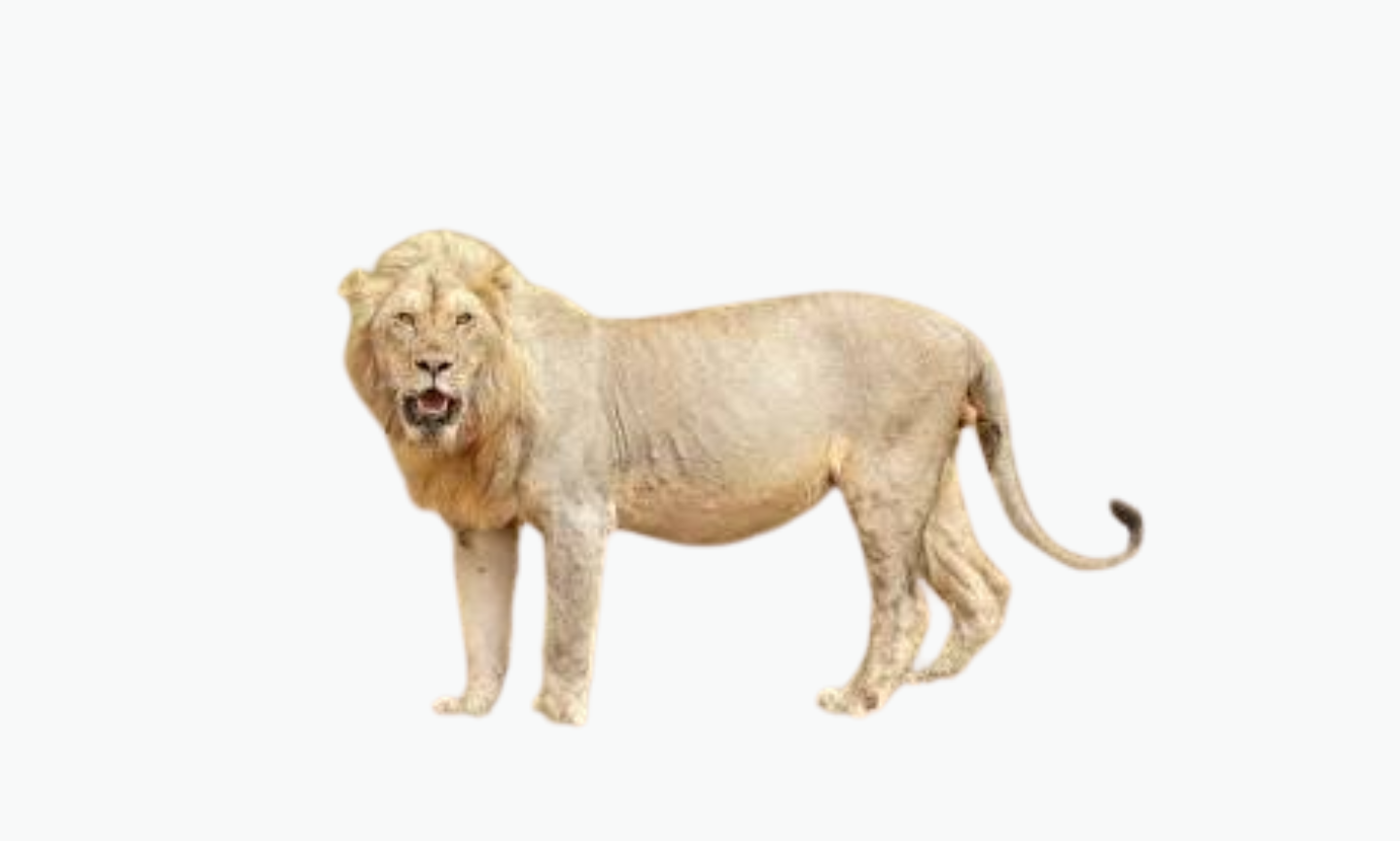
Ngorongoro Lion
The Ngorongoro Lion is a regional population associated with Tanzania’s Ngorongoro Conservation Area. These lions live around the famous Ngorongoro Crater and surrounding grasslands, where abundant wildlife provides important prey. They hunt animals such as zebra, wildebeest, buffalo, and antelope. Lions in this region are part of the wider East African lion population and face challenges including disease, human-wildlife interactions, and changes in prey availability.
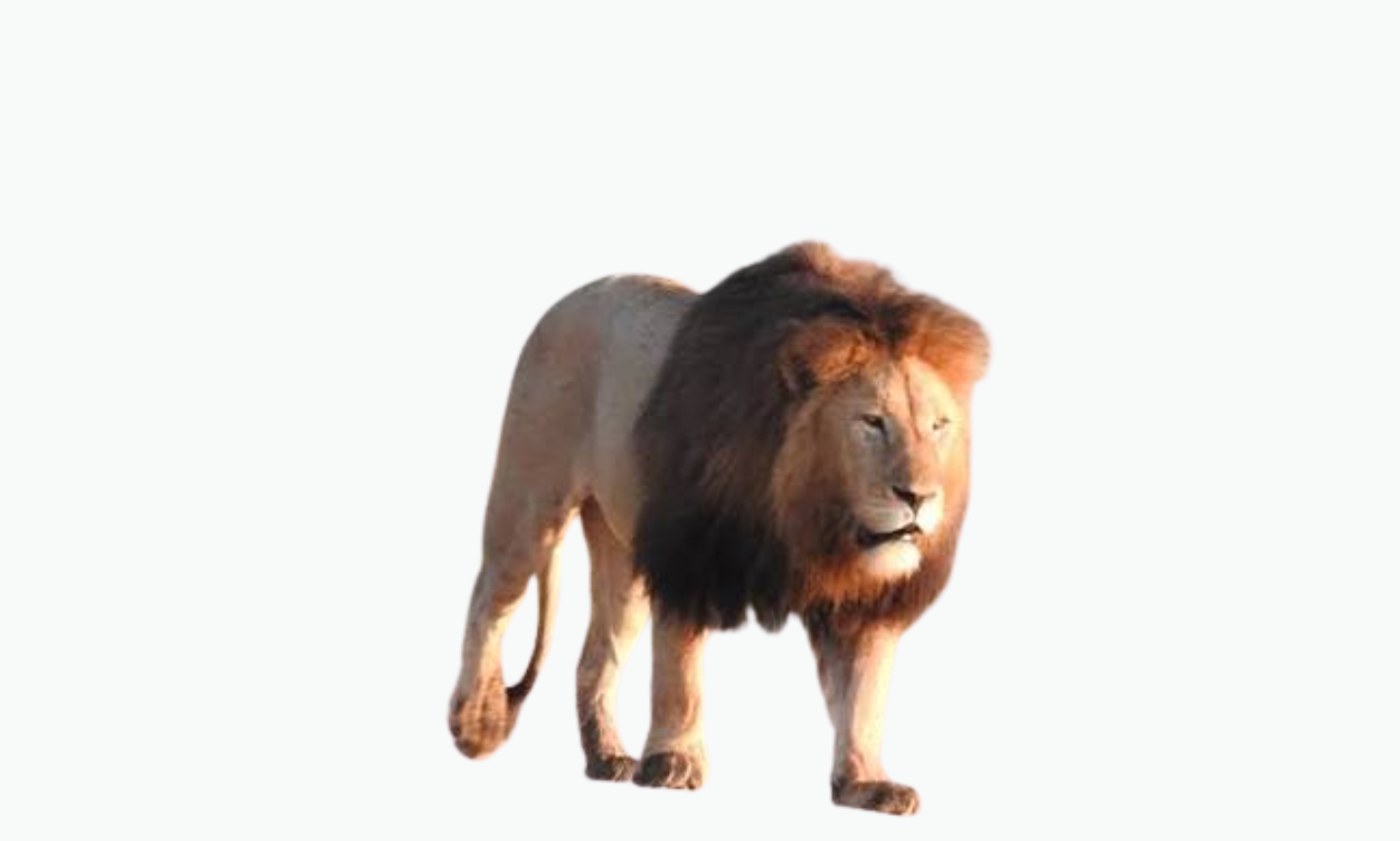
Tsavo Lion
The Tsavo Lion refers to lions associated with the Tsavo region of Kenya, particularly Tsavo East and Tsavo West National Parks. Tsavo lions are famous for historical accounts of maneless or sparsely maned males, although not every male lacks a prominent mane. The region contains dry savannas, woodland, and scrub. These lions prey on buffalo, zebra, giraffe, antelope, and other animals found across their large territories.
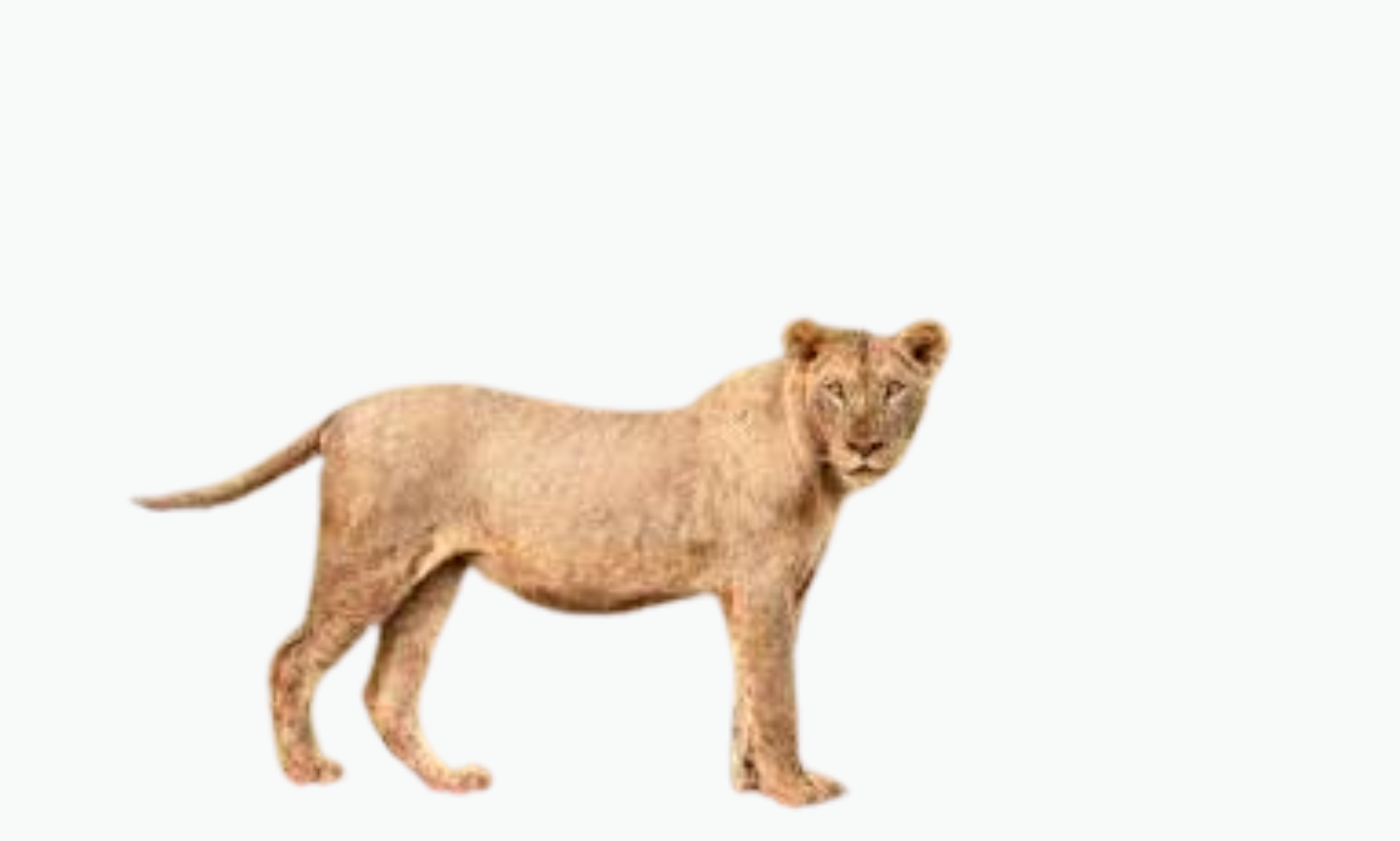
Okavango Lion
The Okavango Lion refers to lions living in Botswana’s Okavango Delta and surrounding ecosystems. The region combines wetlands, grasslands, floodplains, and woodland, creating a distinctive habitat for wildlife. Lions hunt various prey, including antelopes, buffalo, and other mammals. During seasonal flooding, they may move onto higher ground or islands. These lions are part of Botswana’s important wildlife populations and benefit from extensive protected conservation areas.
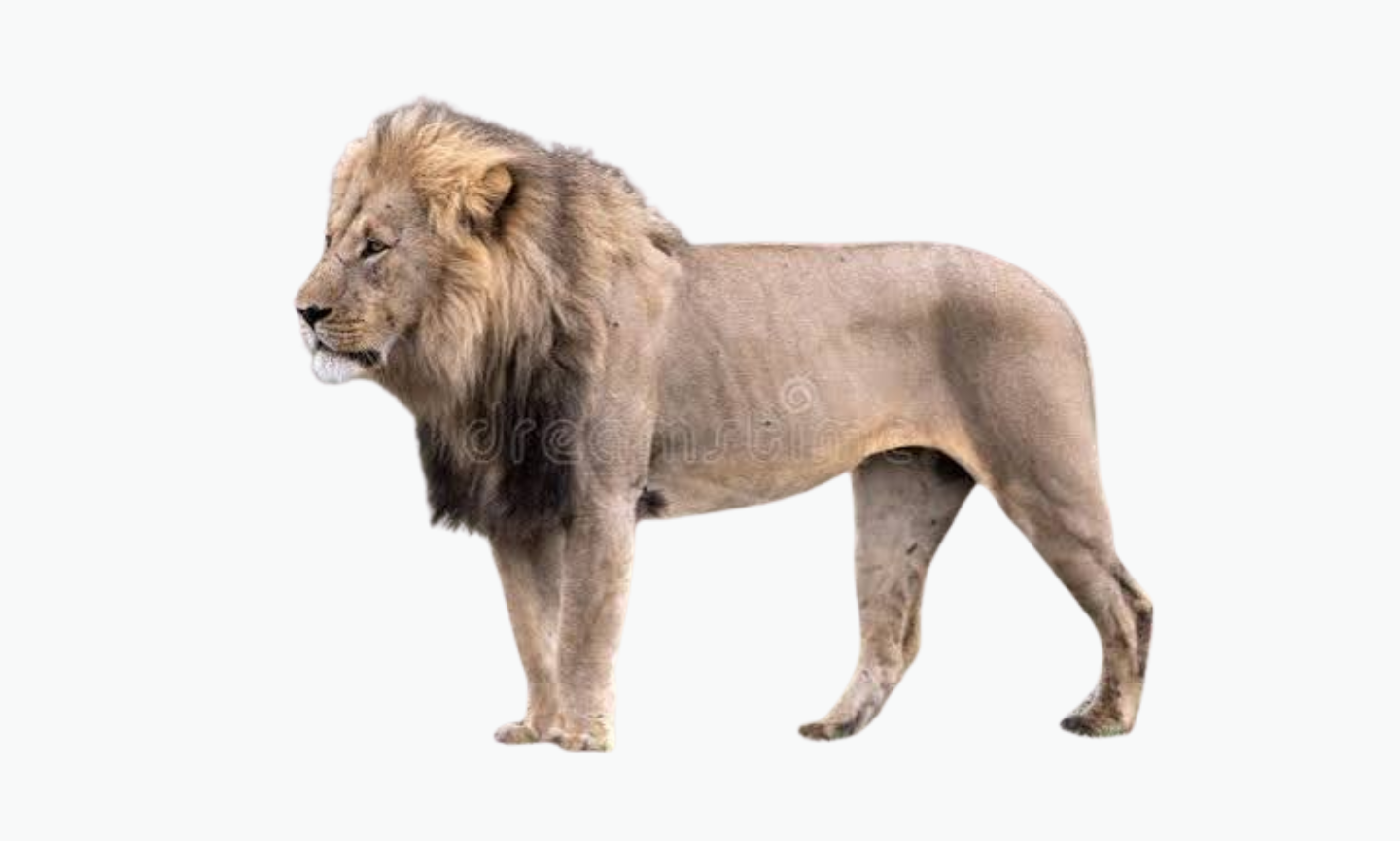
Gir Lion
The Gir Lion refers to the Asiatic lion population protected in and around Gir Forest in Gujarat, India. These lions live in dry deciduous forests, grasslands, and scrub habitats. They are smaller in population and geographic range than African lions and are carefully protected through conservation programs. Their prey includes chital deer, nilgai, wild boar, and livestock in areas near human settlements.
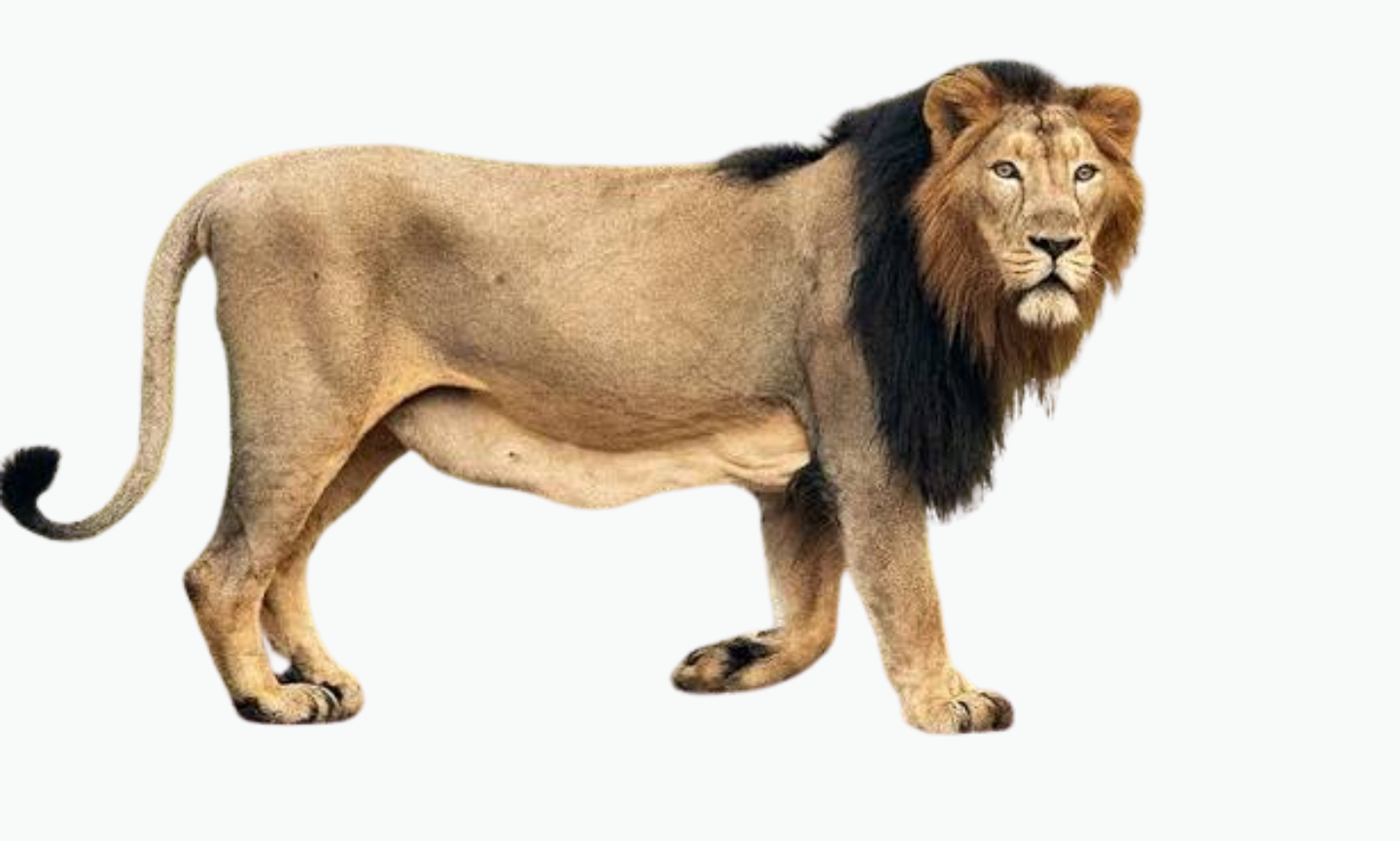
Mara Lion
The Mara Lion is a regional name for lions living around Kenya’s Maasai Mara ecosystem. The area contains open grasslands, riverine habitats, and woodland that support abundant prey. Mara lions commonly hunt wildebeest, zebra, gazelles, buffalo, and other mammals. They live in prides and may cooperate when hunting. The Maasai Mara is connected ecologically with Tanzania’s Serengeti, allowing wildlife to move across the wider ecosystem.
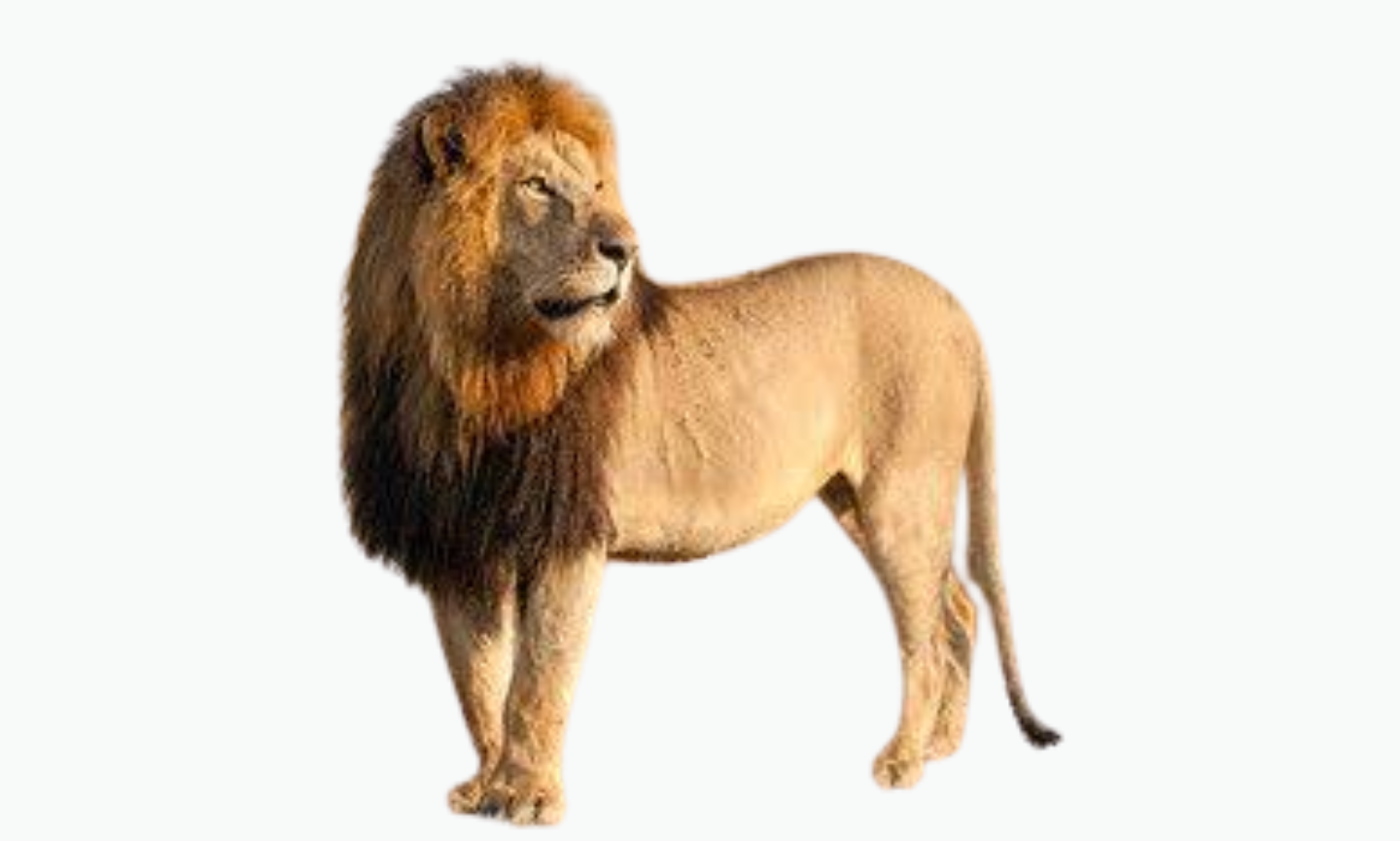
Luangwa Lion
The Luangwa Lion refers to lion populations associated with Zambia’s Luangwa Valley. The region contains grasslands, woodlands, rivers, and seasonal floodplains that support many prey species. Lions in the Luangwa ecosystem commonly hunt antelopes, buffalo, zebras, and other mammals. They are social predators and may form prides containing several females, cubs, and adult males. Protected areas in the Luangwa Valley are important for their long-term survival.
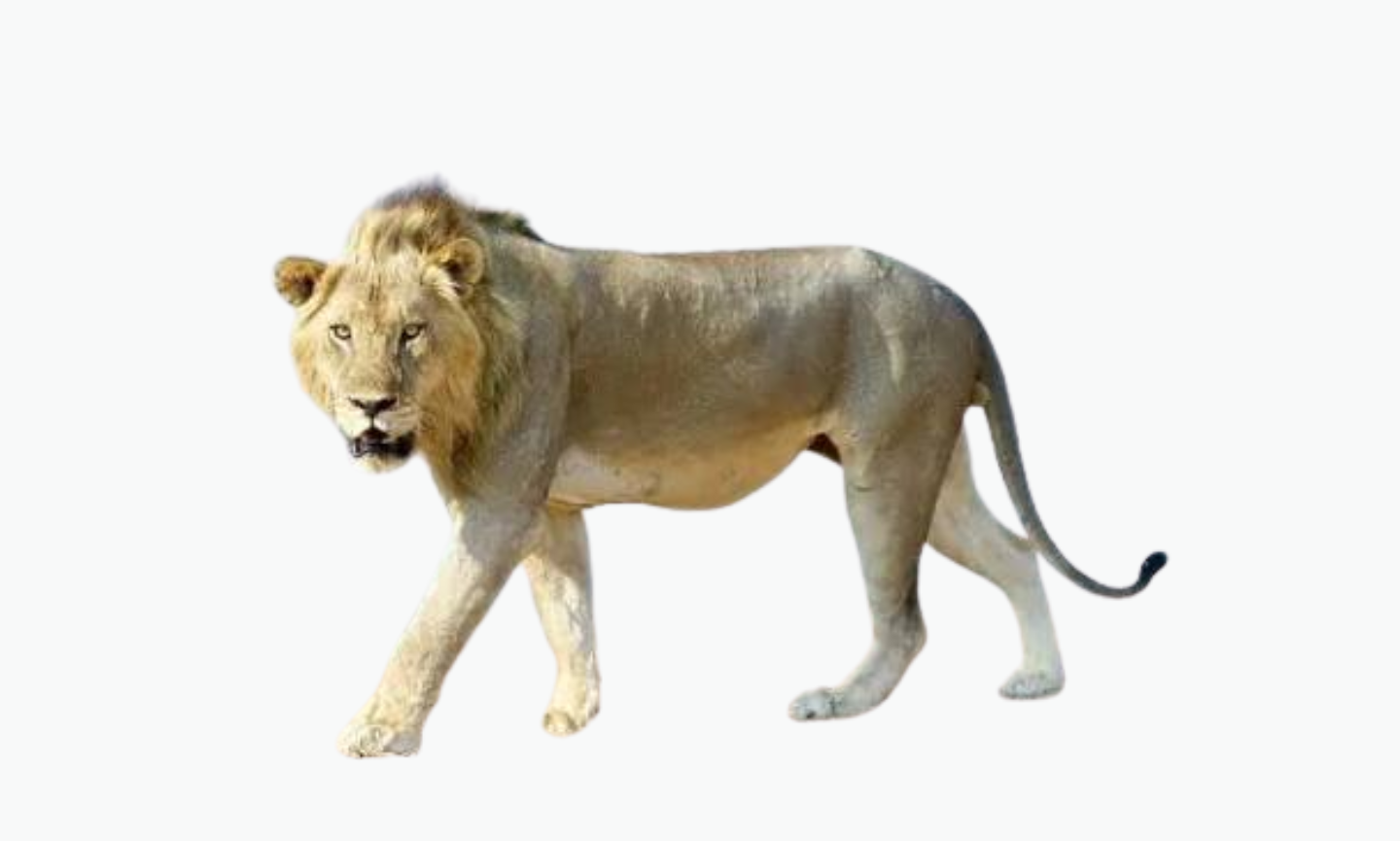
Zambian Lion
The Zambian Lion is a regional name for lions living in different protected areas across Zambia. Important habitats include the Luangwa Valley, Kafue region, and other wildlife areas. Zambian lions live in varied savanna and woodland environments and hunt prey such as antelope, buffalo, zebra, and wildebeest. Conservation areas provide protection from habitat loss and hunting while supporting the natural prey populations needed by these large predators.
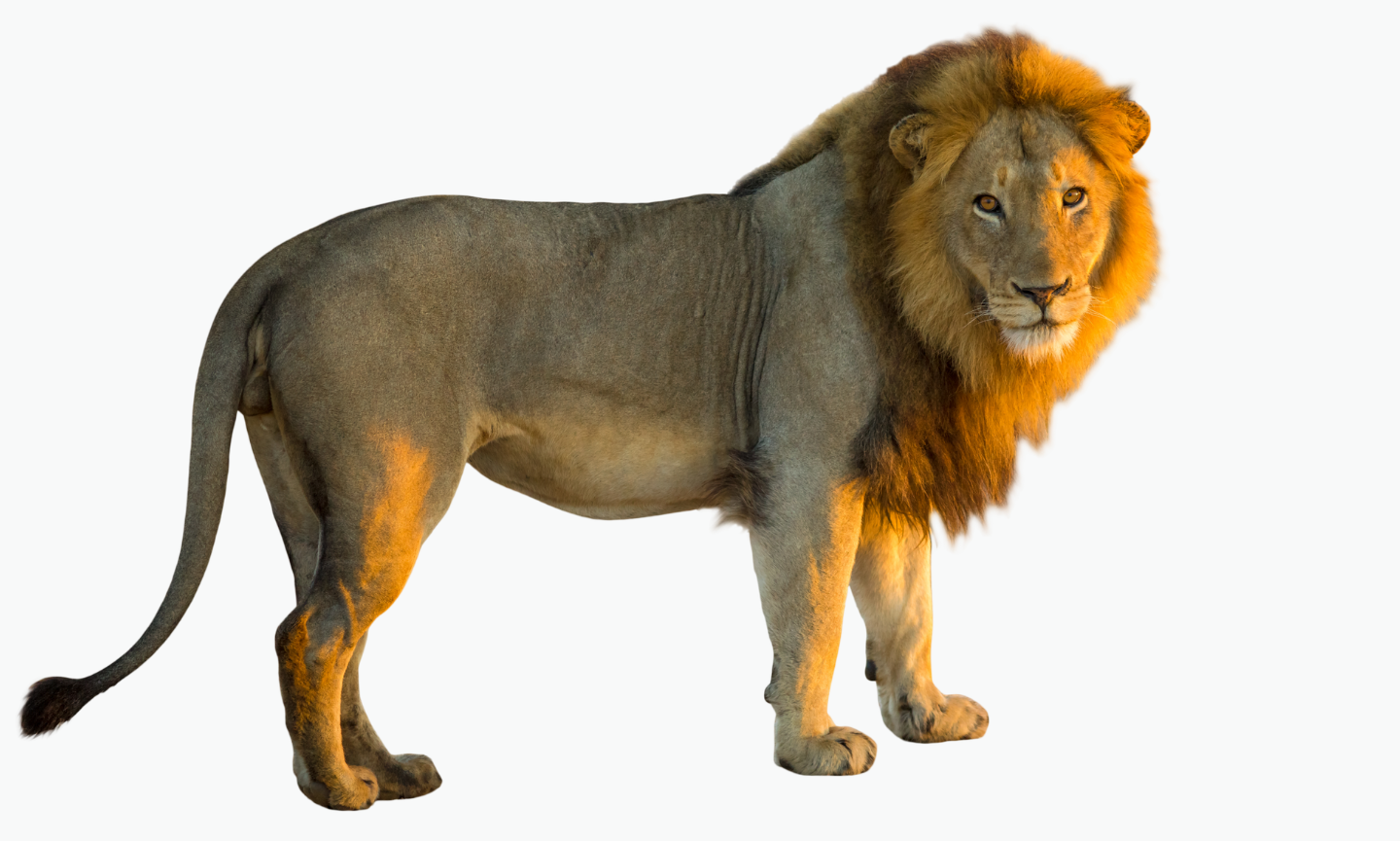
Zimbabwe Lion
The Zimbabwe Lion refers to lion populations living in Zimbabwe’s protected wildlife areas, including savannas, woodlands, and grasslands. Zimbabwe supports important lion populations, particularly within large conservation landscapes. These lions hunt buffalo, zebra, antelope, and other mammals and usually live in social prides. National parks and wildlife reserves provide important protection, although lions can still face threats from habitat changes, prey loss, and conflicts with people.
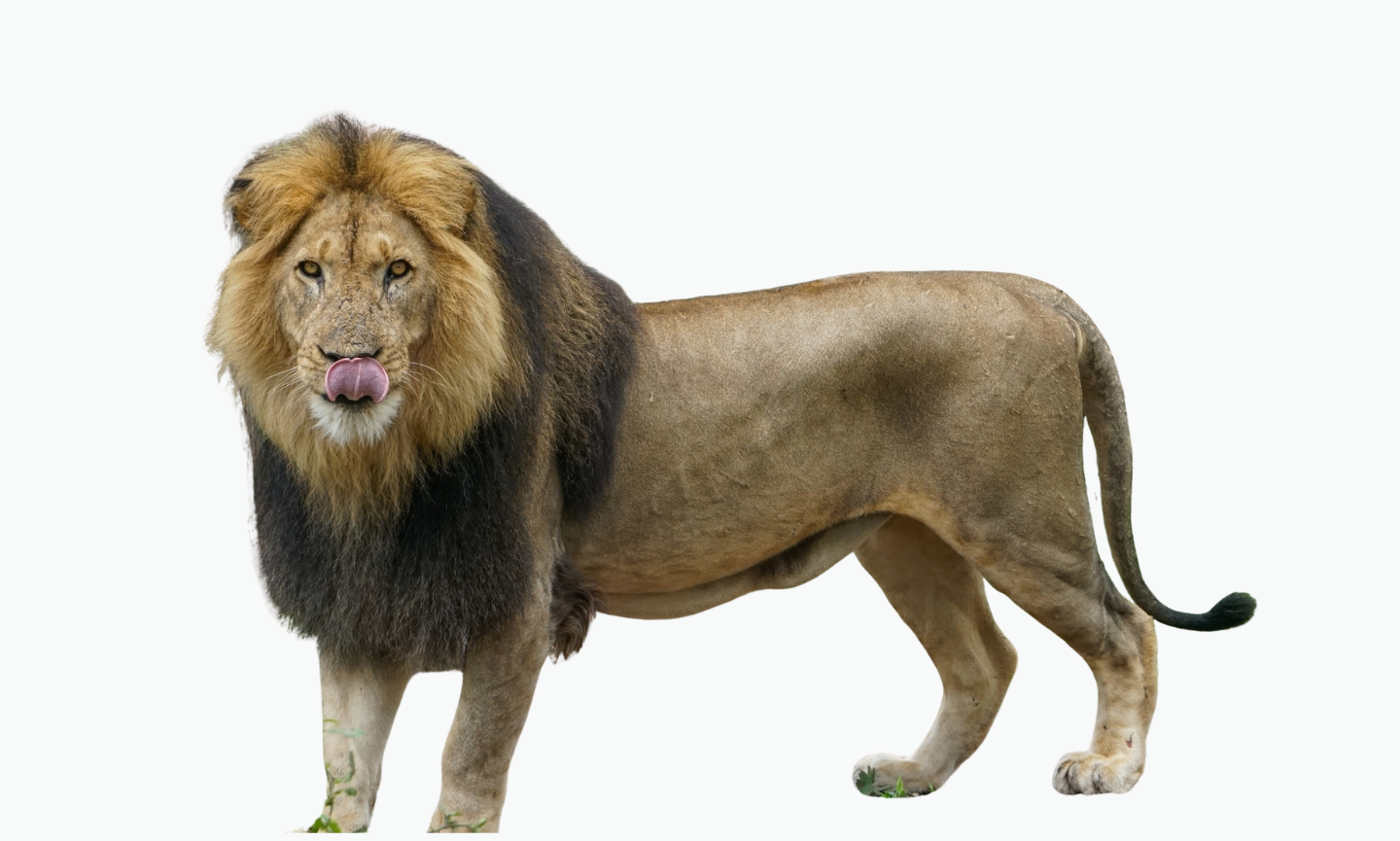
Botswana Lion
The Botswana Lion refers to lion populations found across Botswana’s diverse wildlife habitats. These include the Okavango Delta, Chobe region, and dry areas surrounding the Kalahari. Botswana’s lions experience both wetland and arid environments and can travel considerable distances in search of prey and water. They hunt antelopes, buffalo, zebras, and other mammals. Large protected areas make Botswana an important country for lion conservation.
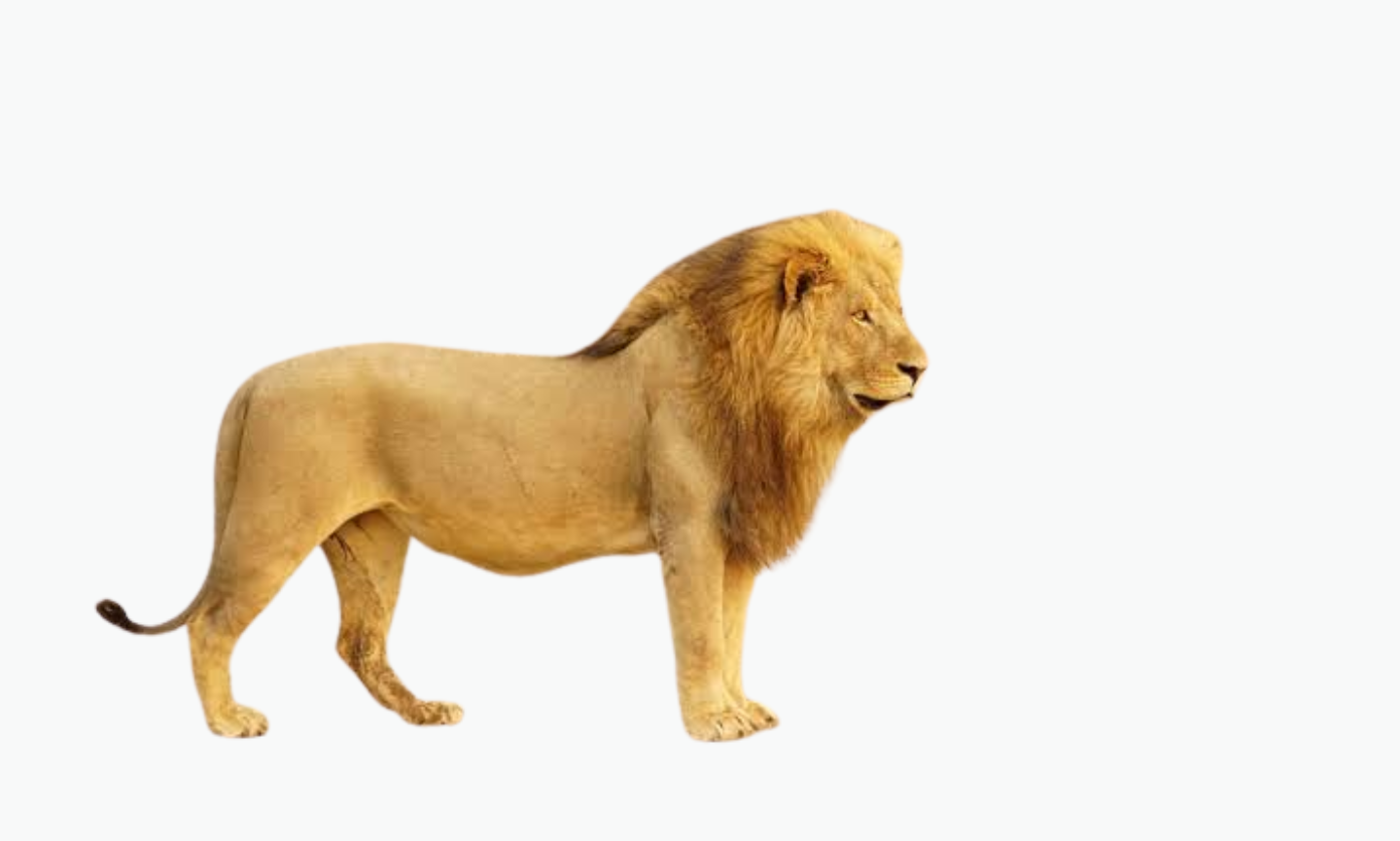
Namibian Lion
The Namibian Lion refers to lions living in different parts of Namibia, including areas with dry savannas and desert-edge environments. Some populations are known for surviving in extremely arid conditions and traveling long distances to find food and water. Their prey includes antelope and other desert-adapted mammals. Namibian lions demonstrate considerable adaptability, while conservation efforts help protect their habitats and reduce conflicts with local communities.
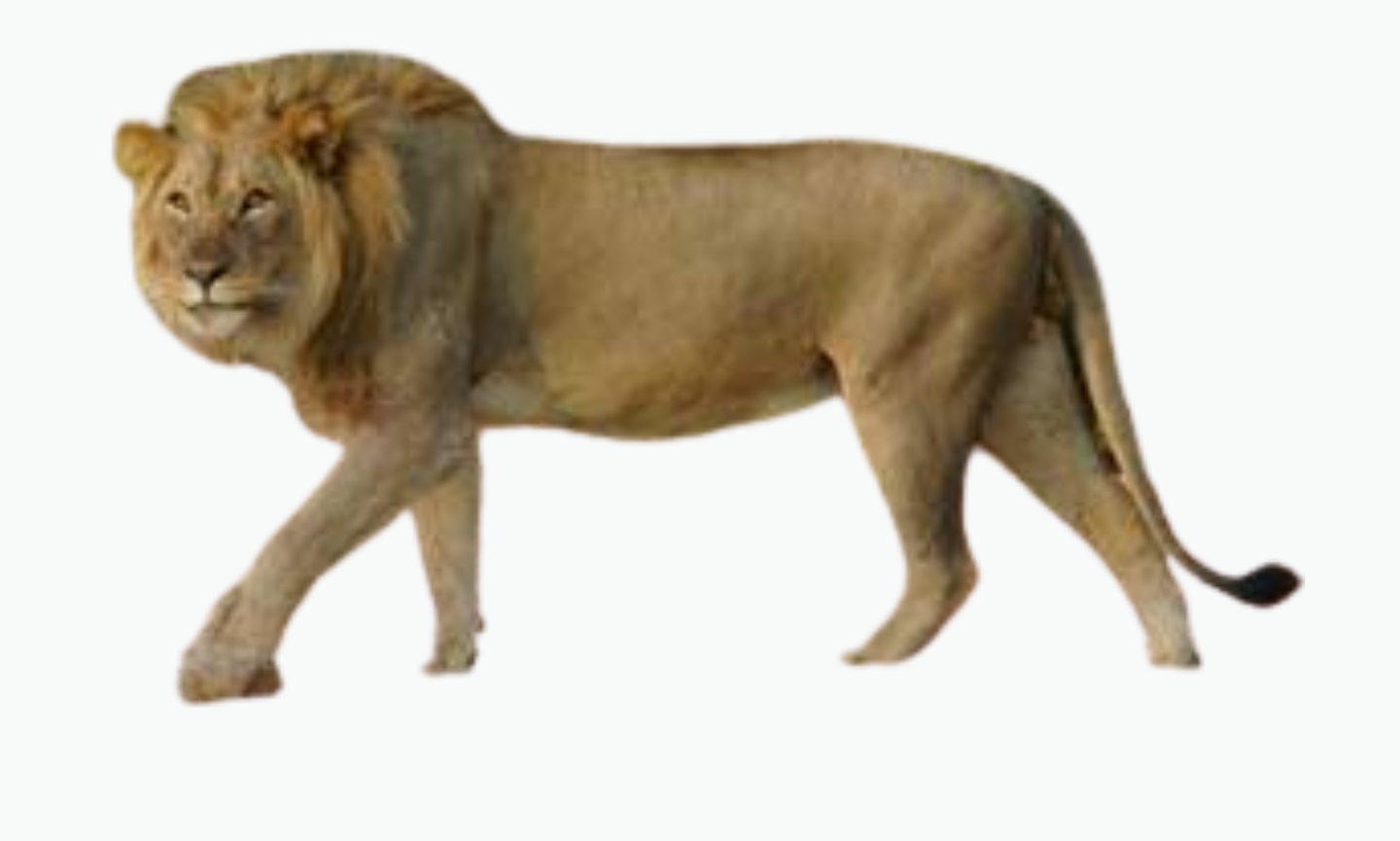
Chobe Lion
The Chobe Lion is a regional name for lions living around Botswana’s Chobe region and nearby wildlife areas. Chobe contains riverfront habitats, floodplains, woodland, and dry savanna. These environments support prey such as buffalo, zebra, antelope, and other mammals. Chobe lions are social predators that live in prides and defend territories. Their habitat is part of a larger transboundary conservation landscape shared by several southern African countries.
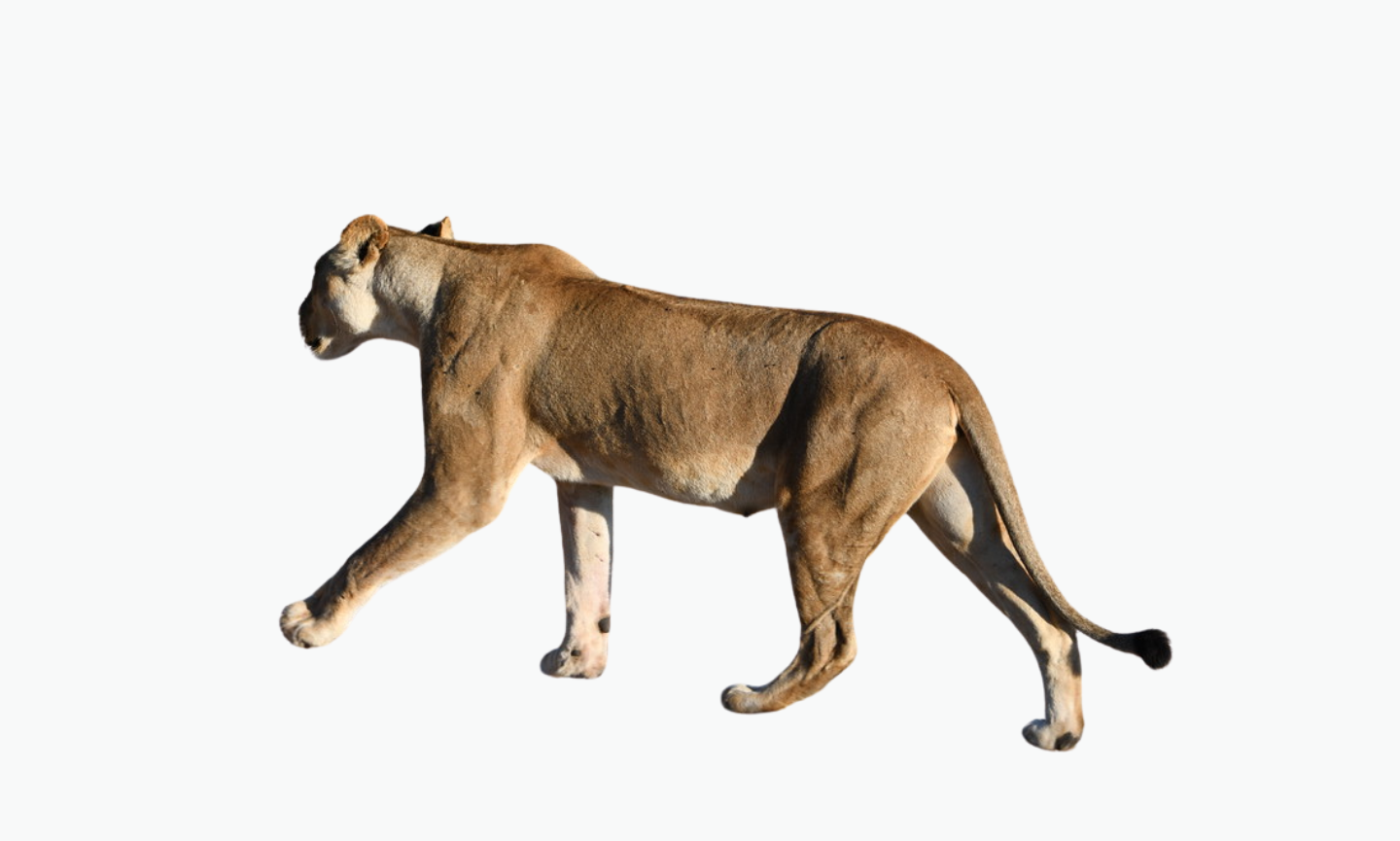
Amboseli Lion
The Amboseli Lion refers to lions living in Kenya’s Amboseli ecosystem, located near Mount Kilimanjaro. The landscape includes open plains, grasslands, woodland, and seasonal wetlands. Lions prey on animals such as zebra, wildebeest, buffalo, and antelope. Because the ecosystem is surrounded by areas used by local communities and livestock, conservation efforts focus on reducing human-wildlife conflict while protecting important lion habitat and prey populations.
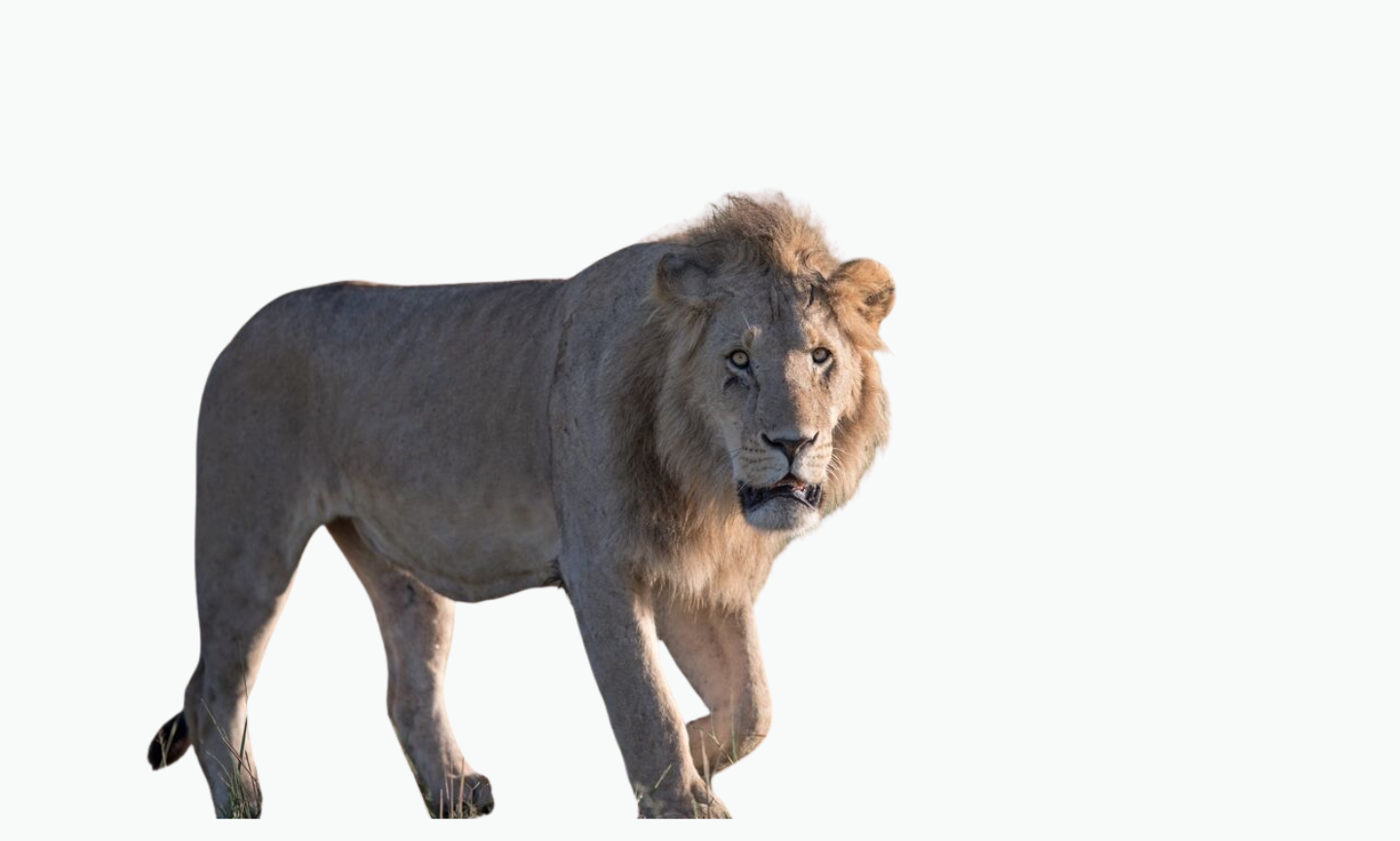
Uganda Lion
The Uganda Lion refers to lion populations found in several protected areas across Uganda. These lions inhabit savannas, grasslands, woodlands, and other wildlife habitats. Important populations occur in areas such as Queen Elizabeth National Park and Murchison Falls National Park. They prey on antelopes, buffalo, and other mammals. Conservation programs help protect their habitat, prey, and populations while reducing threats caused by human-wildlife conflict.
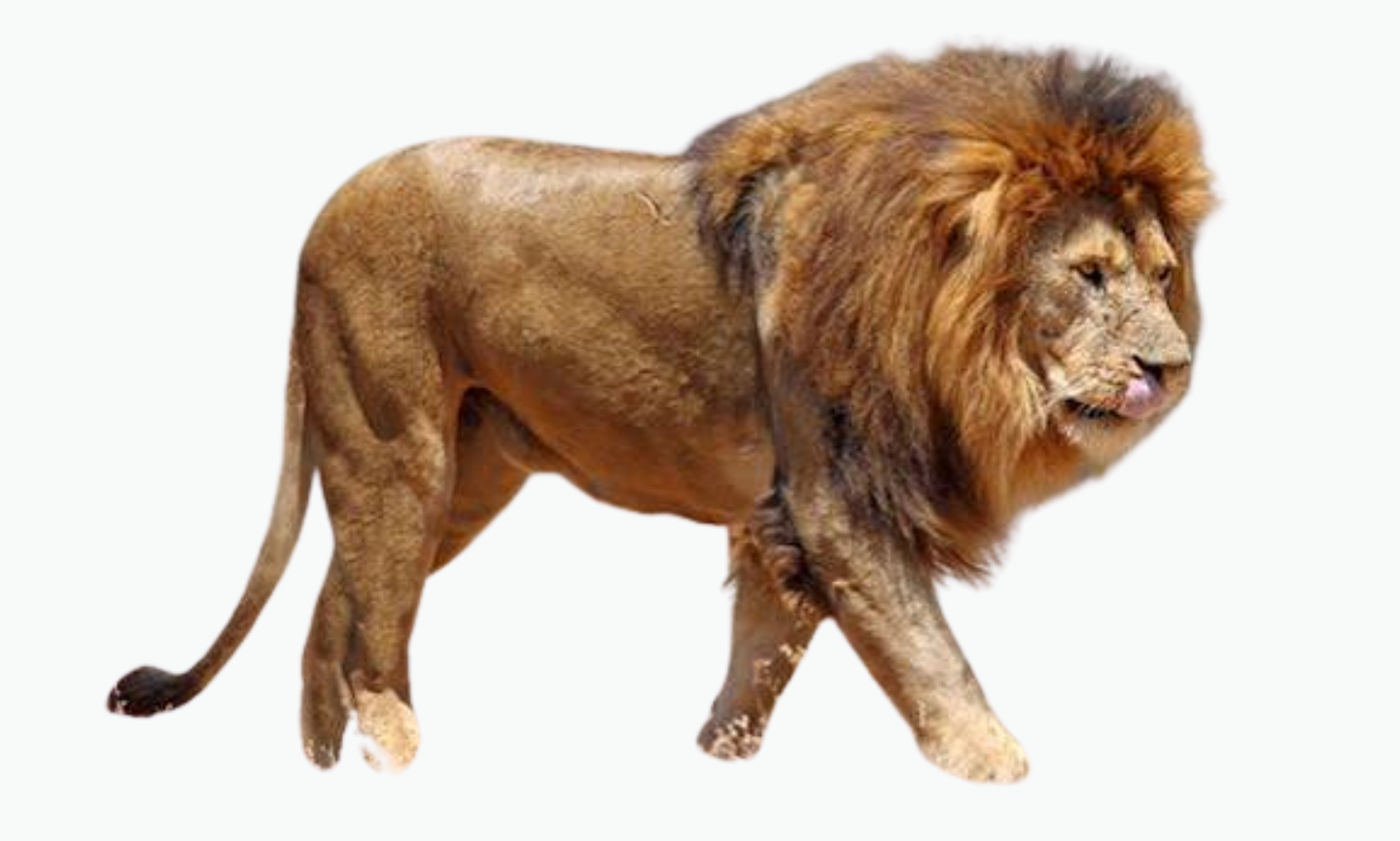
Mali Lion
The Mali Lion refers to the small and threatened lion population historically associated with Mali and the wider West African region. These lions inhabit savanna environments where suitable prey and water are available. Their populations have declined because of habitat loss, reduced prey, hunting, and conflict with people. Conservation of remaining West African lions depends on protecting wildlife areas and maintaining connected habitats across the region.
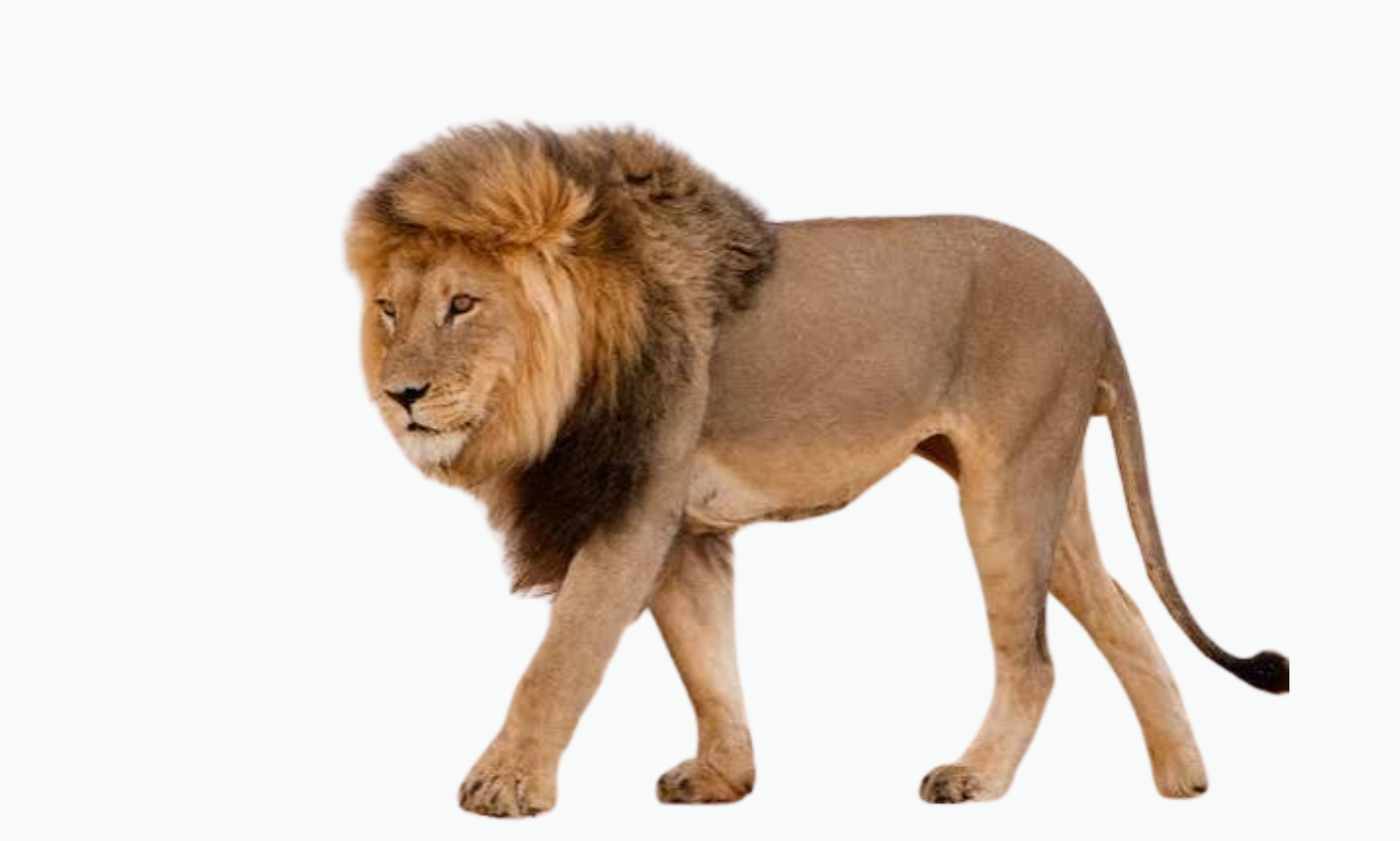
Senegal Lion
The Senegal Lion refers to lions historically and regionally associated with Senegal and the surrounding West African savanna. These lions are part of the broader West African lion population, which is highly threatened and geographically limited. They live in grasslands and savannas and hunt available wild mammals. Habitat protection, prey conservation, and reducing conflict between lions and nearby communities are important for maintaining remaining lion populations in West Africa.
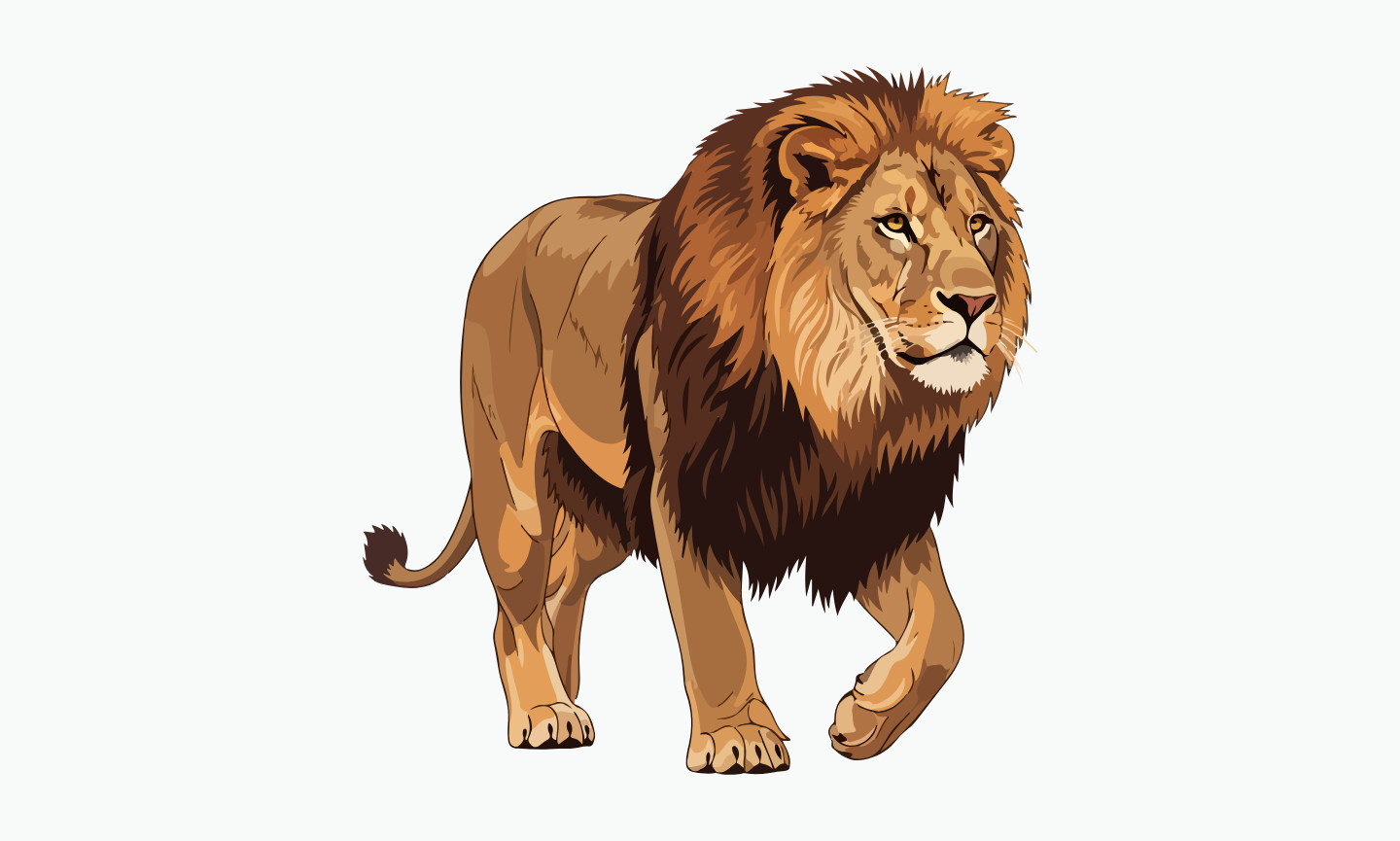
Frequently Asked Questions About Types of Lions
How many types of lions are there?
There is one living lion species, Panthera leo. Current IUCN Cat Specialist Group classification recognizes two main subspecies: Panthera leo leo and Panthera leo melanochaita. Many additional names describe regional populations or historical groups rather than separate subspecies.
What is the largest type of lion?
There is no scientifically accepted single “largest lion type” that can be applied reliably to all regional populations. Body size varies among individuals, populations, sex, age, prey availability, and environmental conditions. Regional names should therefore not be treated as fixed size categories.
Are black lions real?
There is no confirmed naturally occurring melanistic lion population. The IUCN Cat Specialist Group notes that melanistic lions have not been recorded. Dark-maned male lions can sometimes look much darker, but a dark mane is not the same thing as a black body caused by melanism.
Are white lions a separate type?
No. White lions are not a separate species or subspecies. Their pale appearance is associated with a rare color condition called leucism. The IUCN Cat Specialist Group reports leucistic lions from the Timbavati area of South Africa. Their eyes and skin remain pigmented, distinguishing leucism from complete albinism.
What is the difference between an African Lion and an Asiatic Lion?
Both belong to Panthera leo, but they differ geographically and show some physical and genetic distinctions. Asiatic lions generally have shorter manes, a more pronounced belly fold, and a smaller current geographic range. African lions occur across multiple regions of sub-Saharan Africa and show considerable variation between populations.
Do all male lions have large manes?
No. Male lions generally develop manes, but their size, color, and density vary. Climate, age, genetics, and hormones can influence mane development. Some males, particularly in hot regions, may have relatively sparse or less noticeable manes. Therefore, mane appearance alone cannot reliably identify a lion’s geographic population.
Conclusion
Types of Lions with Their Pictures can be confusing because many familiar names refer to regions, populations, or historical groups rather than separate scientific species. The living lion is Panthera leo, and current IUCN Cat Specialist Group classification recognizes two main subspecies. African lions occur across fragmented parts of sub-Saharan Africa, while Asiatic lions survive in and around Gujarat’s Gir landscape in India. Understanding these distinctions makes it easier to identify lion populations accurately and appreciate why habitat protection, prey conservation, and human-wildlife coexistence are essential for their future.