Leopards are powerful wild cats known for their beautiful spotted coats, strength, and ability to live in different habitats. They are found across parts of Africa and Asia, although their populations and ranges vary by region. There are several recognized leopard subspecies, including the African, Indian, Amur, Arabian, and Javan leopards. Each has its own geographic range and conservation challenges. In this guide, you will learn about Different Types of Leopard, where they live, what makes them special, and why protecting these remarkable animals is important.
How Many Types of Leopards Are There?
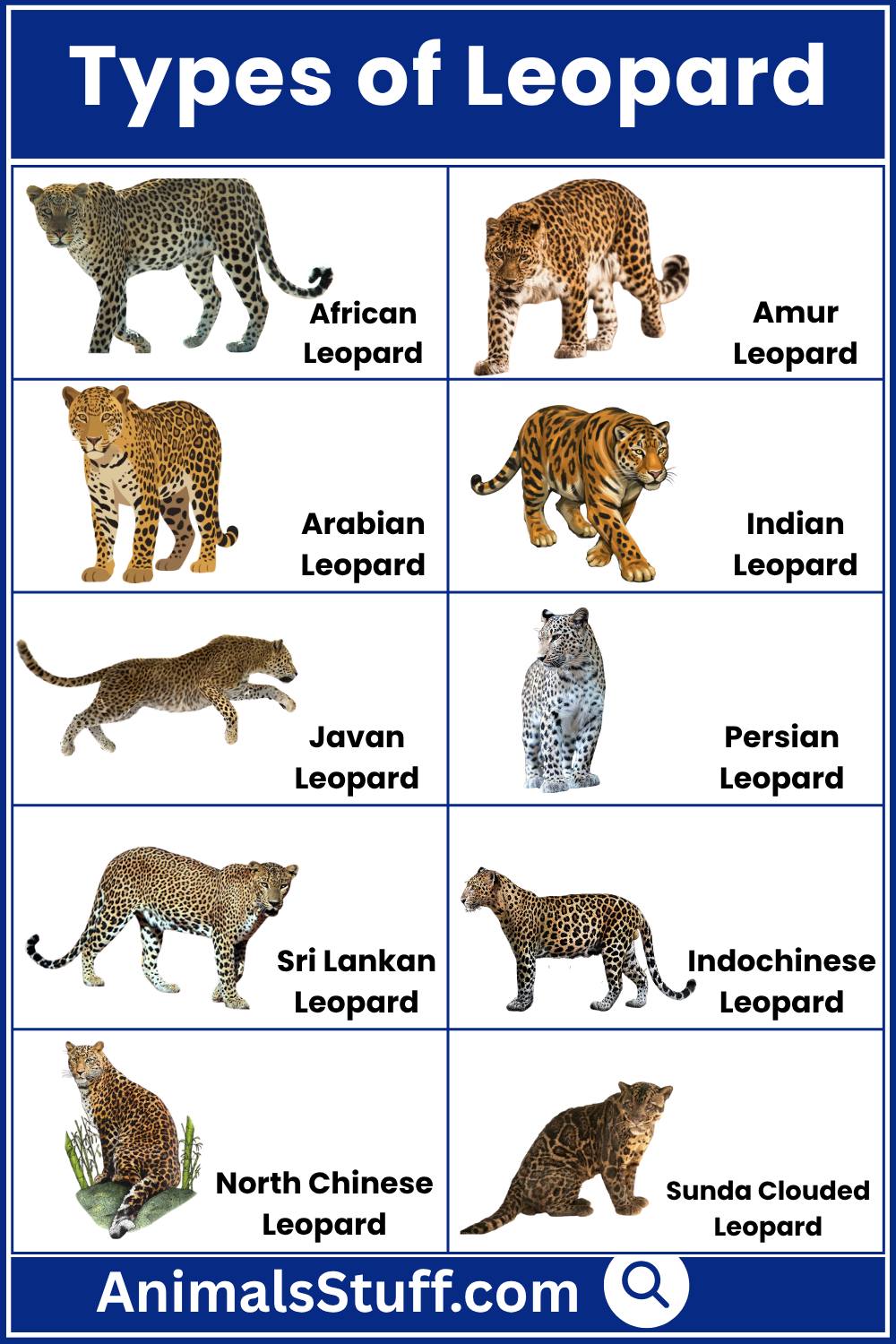
The leopard (Panthera pardus) is one species of big cat. Scientists have described several subspecies, but their classification can vary as new genetic research becomes available. Some traditional lists recognize nine subspecies, while more recent taxonomic proposals group certain populations differently.
Different Types of Leopards
1. African Leopard
Scientific name: Panthera pardus pardus
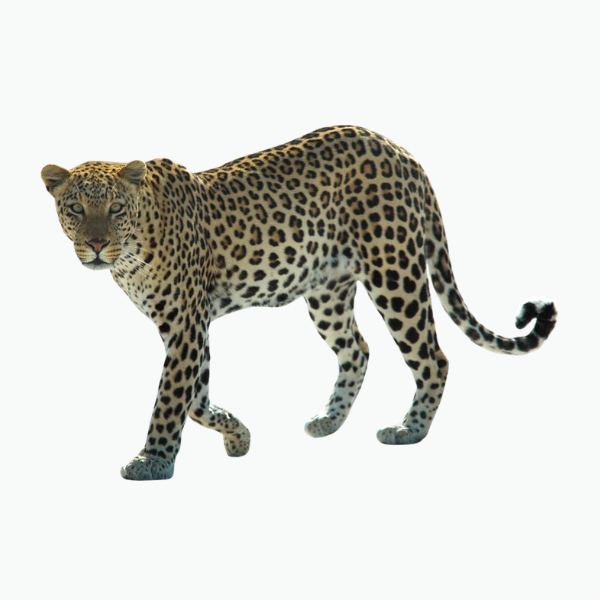
The African leopard lives in many parts of sub-Saharan Africa. It has a yellowish or golden coat covered with dark rosettes, which help it blend into grasslands, woodlands, and forests. African leopards are adaptable hunters and may catch antelope, monkeys, rodents, and other animals depending on their habitat. They often rest in trees and may carry prey into branches to keep it away from other predators. Habitat loss, poaching, and conflicts with people threaten some populations.
2. Amur Leopard
Scientific name: Panthera pardus orientalis
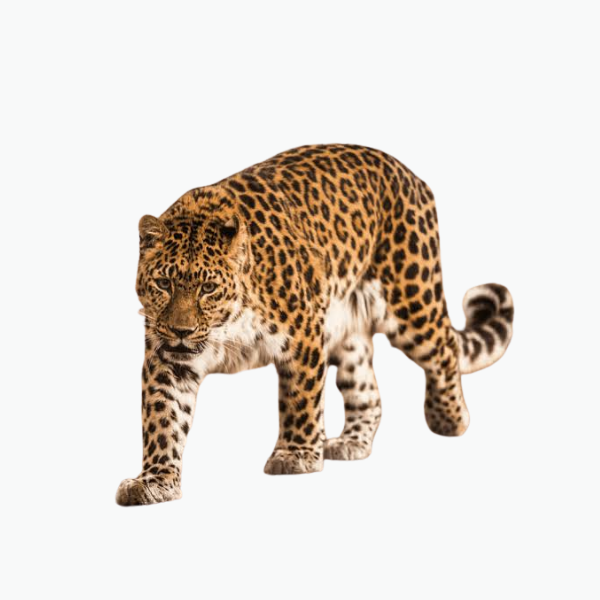
The Amur leopard lives in the Russian Far East and nearby areas of northeastern China. Its thick coat helps it cope with cold winters, and its pale fur is covered with dark rosettes. Like other leopards, it is a solitary hunter that relies on stealth and camouflage. The Amur leopard is among the most threatened leopard forms because its population is small and fragmented. Conservation work focuses on protecting its forest habitat, reducing poaching, and helping populations recover.
3. Arabian Leopard
Scientific name: Panthera pardus nimr
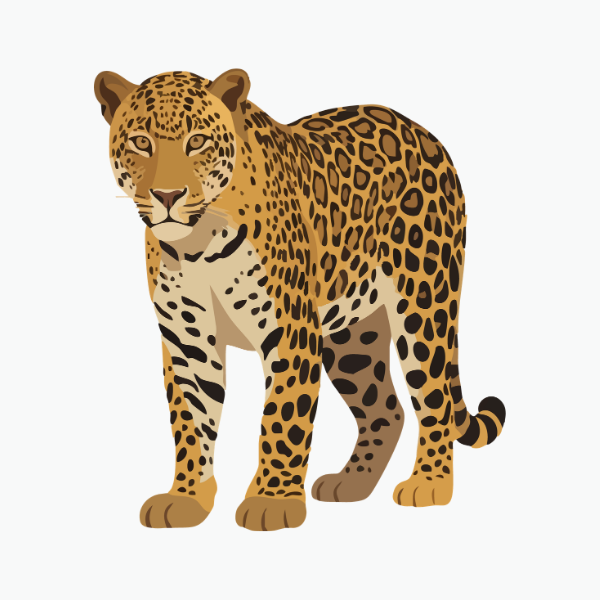
The Arabian leopard is associated with the Arabian Peninsula, where it lives in rugged, dry mountain habitats. It is generally smaller than many African leopard populations and has a pale coat that helps it blend into rocky surroundings. Its prey can include small mammals and other animals available in its habitat. The Arabian leopard is critically threatened by habitat loss, declining prey, and conflict with people. Protecting mountain habitats and supporting conservation breeding and monitoring programs are important for its survival.
4. Indian Leopard
Scientific name: Panthera pardus fusca
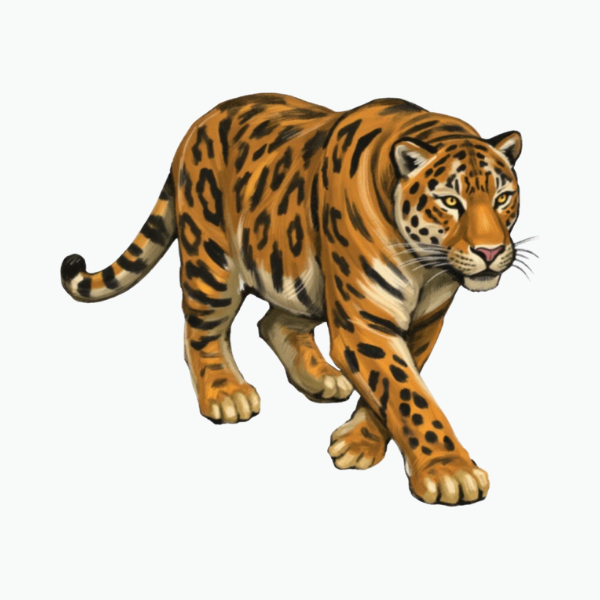
The Indian leopard occurs across parts of the Indian subcontinent. It can live in forests, scrublands, hills, and some landscapes near human settlements. Its coat is usually golden or tawny with dark rosettes, although appearance varies between individuals. Indian leopards hunt animals such as deer, wild pigs, monkeys, and smaller mammals. Because they sometimes live near villages and towns, encounters with people can occur. Protecting habitat, maintaining natural prey populations, and reducing human-wildlife conflict are important conservation priorities.
5. Javan Leopard
Scientific name: Panthera pardus melas
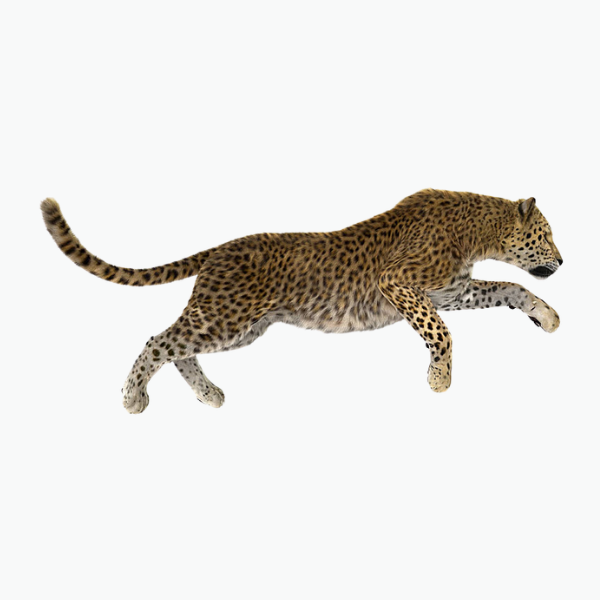
The Javan leopard is native to the Indonesian island of Java. It lives in forested and mountainous areas, although habitat fragmentation has reduced the space available to wildlife. Some individuals have dark coats, including melanistic forms commonly called black leopards. These animals are still leopards; their dark appearance is caused by a genetic variation in pigmentation. The Javan leopard faces pressure from habitat loss and human activity. Protecting remaining forests and connecting isolated habitats can help support its long-term survival.
6. Persian Leopard
Scientific name: Often referred to as Panthera pardus tulliana in recent classifications; older sources frequently use P. p. saxicolor for Persian leopards.
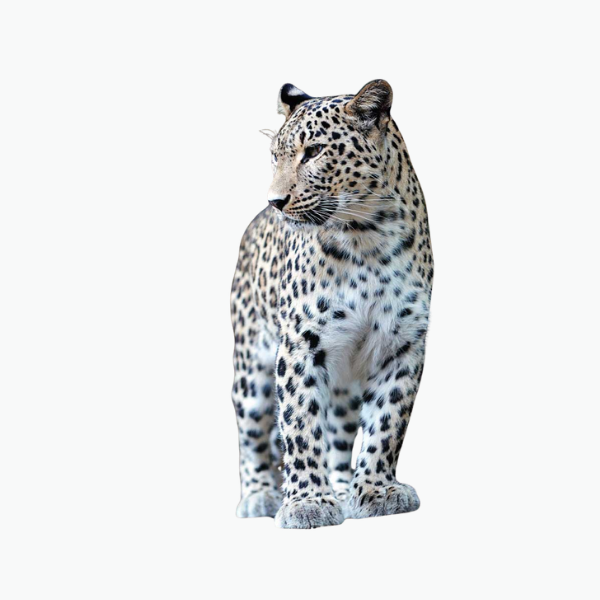
The Persian leopard is a large leopard form found across parts of western and central Asia, including mountainous landscapes. Its coat is often pale golden with dark rosettes, and its strong body helps it move through rugged terrain. Its prey includes wild goats, sheep, deer, and other mammals where available. Habitat fragmentation, declining prey, poaching, and conflict with livestock owners threaten populations. Because leopard taxonomy has changed over time, the scientific name used for this population may differ between sources.
7. Sri Lankan Leopard
Scientific name: Panthera pardus kotiya
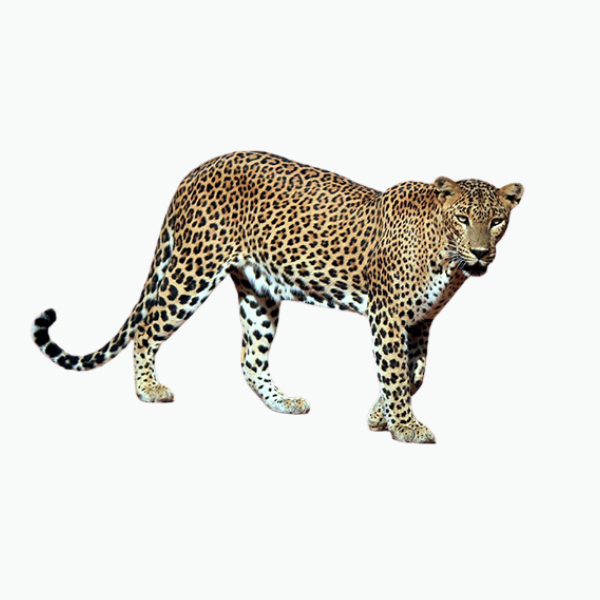
The Sri Lankan leopard is native to Sri Lanka, an island with forests, grasslands, and other wildlife habitats. It is an important native predator and may hunt deer, wild pigs, monkeys, and smaller animals. Its golden coat and dark rosettes resemble those of other leopards, but it belongs to a geographically distinct population. Habitat loss, road accidents, snares, and conflict with people can affect its survival. Protected areas and responsible wildlife tourism can help reduce pressure on this unique leopard population.
8. Indochinese Leopard
Scientific name: Panthera pardus delacouri
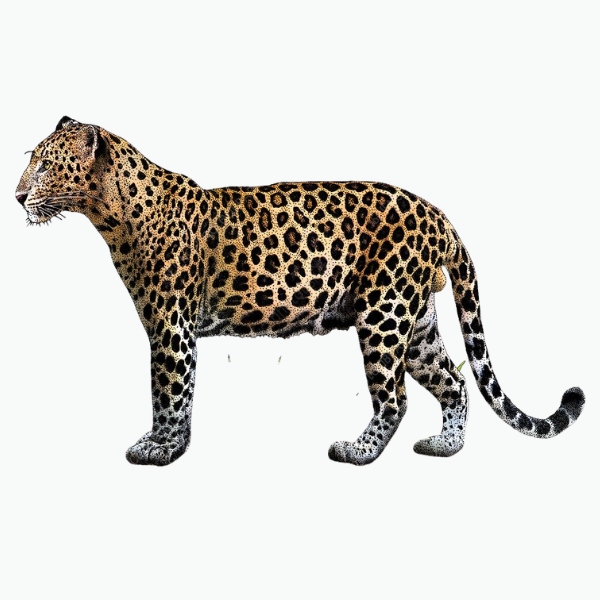
The Indochinese leopard is associated with parts of Southeast Asia and nearby southern China. It has a spotted coat that provides camouflage in forest environments. Like other leopards, it is generally solitary and hunts prey available in its surroundings. Its range has shrunk in many areas because of forest loss, poaching, and the decline of wild prey. Conservation efforts include protecting forests, preventing illegal wildlife trade, and maintaining safe habitats where leopard populations can survive.
9. North Chinese Leopard
Scientific name: Traditionally described as Panthera pardus japonensis.
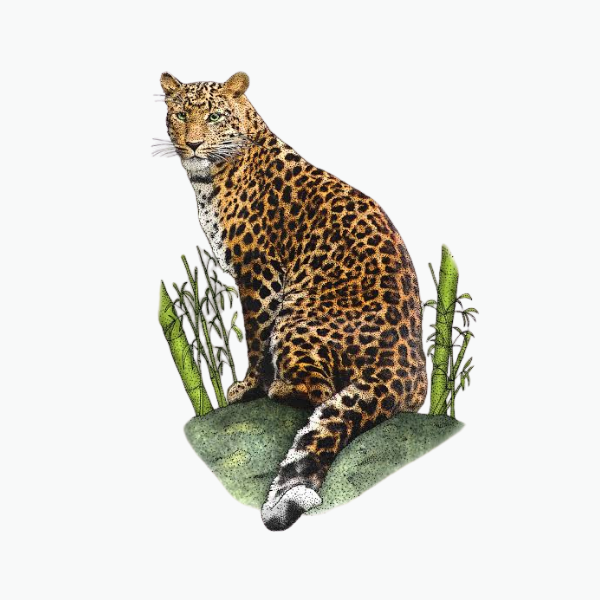
The North Chinese leopard is a regional leopard form traditionally associated with northern China. Its coat is usually golden or tawny with dark rosettes, though markings and colour can vary between individuals. It lives in suitable forest and mountainous habitats and depends on healthy prey populations. Habitat fragmentation and human pressure have made conservation important for this population. Some modern taxonomic proposals classify leopard populations differently, so readers should understand that the name is based on a traditional subspecies classification.
Is the Sunda Clouded Leopard a Type of Leopard?
No. The Sunda clouded leopard (Neofelis diardi) is a separate species, not a subspecies of the leopard (Panthera pardus). It lives on the islands of Sumatra and Borneo and has large, cloud-like markings rather than the typical small rosettes of a leopard. It belongs to the genus Neofelis, while true leopards belong to Panthera. Although both are wild cats, they should be listed separately in an accurate animal guide.
What Is the Difference Between Leopards and Black Leopards?
A black leopard is not a separate species. It is a leopard with melanism, a genetic condition that causes unusually dark pigmentation. Its rosette markings may still be visible in the right light. Black leopards can occur in some populations, including parts of Asia and Africa. Their dark colour does not mean they belong to a different leopard species or subspecies.
Where Do Leopards Live?
Leopards live in a range of habitats, including tropical forests, savannas, woodlands, mountains, and scrublands. Their exact habitat depends on the population and region. Leopards need places to hide, suitable prey, and enough space to hunt and reproduce. Human activities such as deforestation, road construction, poaching, and expansion of settlements can fragment their habitat and make survival more difficult.
Why Are Some Leopard Types Endangered?
- Habitat loss: Forest clearing and development reduce the areas where leopards can live.
- Poaching: Leopards may be killed illegally for their skins or other body parts.
- Declining prey: When wild prey becomes scarce, leopards may struggle to find enough food.
- Human-wildlife conflict: Leopards sometimes kill livestock, which can lead to retaliatory killing.
- Small, isolated populations: When groups become separated, it can be harder for them to maintain genetic diversity.
Frequently Asked Questions
How many types of leopards are there?
The traditional classification commonly lists nine leopard subspecies. More recent proposals recognize fewer, including eight, because scientists have revised the classification of some populations. The number can therefore depend on which taxonomic source is used.
Is a black leopard a different species?
No. A black leopard is a colour form of the leopard caused by melanism. It is not a separate species.
Is a clouded leopard the same as a leopard?
No. Clouded leopards belong to the genus Neofelis, while true leopards belong to the genus Panthera. They are different species of wild cats.
Which leopard is the rarest?
The Amur and Arabian leopards are among the most threatened leopard forms. Their conservation status and population estimates can change as new surveys become available.
Are leopards found in Pakistan?
Yes. Leopards occur in parts of Pakistan, particularly in suitable mountainous and forest habitats. The exact population and subspecies classification can vary by region and scientific source.
Conclusion
Different types of leopards are adapted to a variety of habitats across Africa and Asia. The African, Amur, Arabian, Indian, Javan, Persian, Sri Lankan, Indochinese, and North Chinese leopard are well-known regional forms traditionally discussed in leopard guides. However, scientists continue to study their classification, so some sources group them differently. The Sunda clouded leopard is a separate species and should not be mixed into a list of true leopard subspecies. Protecting habitats, preventing poaching, and reducing conflict with people are essential for the future of these remarkable wild cats.