Tigers are among the most recognizable wild cats in the world, known for their powerful bodies, striped coats, and remarkable hunting abilities. The phrase Types of Tiger with Their Pictures usually refers to different tiger subspecies and historically recognized populations rather than separate tiger species. It also explains the modern two-subspecies classification, along with tiger appearance, habitat, distribution, diet, behavior, size, lifespan, conservation status, and the differences that help readers understand these magnificent cats accurately.
How Many Types of Tigers Are There?
The answer depends on which taxonomic classification is being used. The traditional system recognizes nine tiger subspecies, consisting of six living subspecies and three extinct subspecies.
Under the newer proposed arrangement, Panthera tigris tigris includes the mainland Asian forms, while Panthera tigris sondaica includes the Sunda island forms.
Types of Tiger with US IPA and Descriptions
| Tiger Name | US IPA | Short Description |
|---|---|---|
| Bengal Tiger | /ˈbɛŋɡəl ˈtaɪɡər/ | A tiger of the Indian subcontinent, found mainly in India, Bangladesh, Nepal, and Bhutan. |
| Siberian Tiger | /saɪˈbɪriən ˈtaɪɡər/ | A very large tiger associated with the cold forests of the Russian Far East. |
| Indochinese Tiger | /ˌɪndoʊˈtʃaɪniːz ˈtaɪɡər/ | A mainland Southeast Asian tiger that mainly inhabits forests and mountainous regions. |
| Malayan Tiger | /məˈleɪən ˈtaɪɡər/ | A tiger native to the Malay Peninsula and adapted to tropical forest habitats. |
| South China Tiger | /saʊθ ˈtʃaɪnə ˈtaɪɡər/ | A tiger historically found in southern China and now considered critically endangered. |
| Sumatran Tiger | /suːˈmɑːtrən ˈtaɪɡər/ | A tiger from Sumatra, Indonesia, known for its relatively small size and dark stripes. |
| Caspian Tiger | /ˈkæspiən ˈtaɪɡər/ | An extinct tiger that once lived across parts of Central and Western Asia. |
| Javan Tiger | /ˈdʒɑːvən ˈtaɪɡər/ | An extinct tiger formerly found on the Indonesian island of Java. |
| Bali Tiger | /ˈbɑːli ˈtaɪɡər/ | An extinct tiger that once lived on the Indonesian island of Bali. |
| White Tiger | /waɪt ˈtaɪɡər/ | A rare color variant of the Bengal tiger with white fur and dark stripes. |
Pictures of Tiger and Types
Bengal Tiger
The Bengal Tiger is a large tiger native mainly to the Indian subcontinent. It is found in India, Bangladesh, Nepal, and Bhutan, living in forests, grasslands, wetlands, and mangrove areas. Its orange coat has distinctive black stripes and a pale underside. Bengal tigers are solitary carnivores that hunt deer, wild pigs, and other suitable prey. They are an important focus of tiger conservation efforts.
Siberian | Types of Tiger
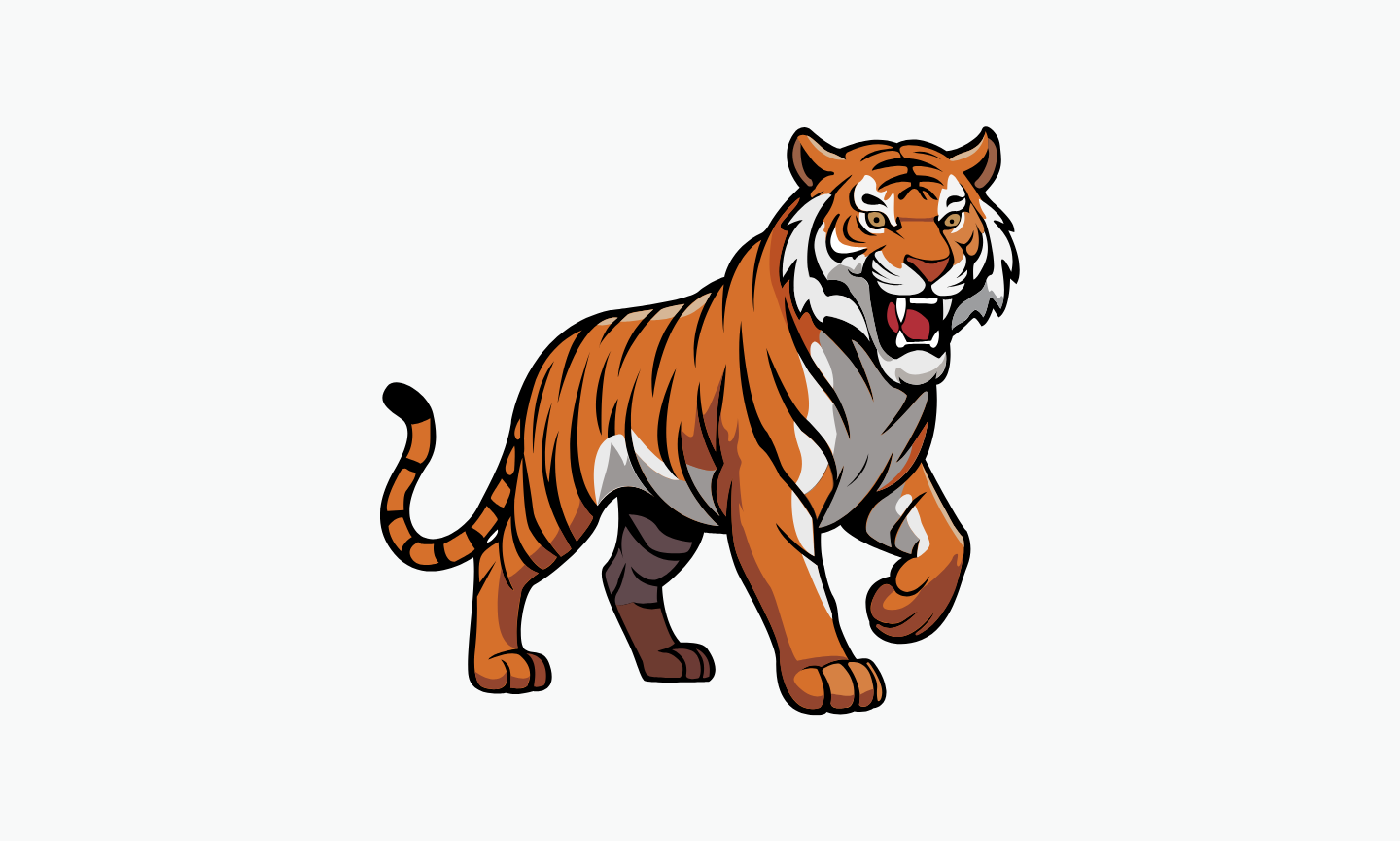
The Siberian Tiger, also called the Amur Tiger, is a large tiger native mainly to the Russian Far East and northeastern China. It lives in forests where winters can be extremely cold. Its thick coat and powerful body help it survive harsh conditions. Amur tigers mainly hunt animals such as deer and wild boar. They are generally solitary and require large areas with enough prey and cover.
Indochinese | Types of Tiger
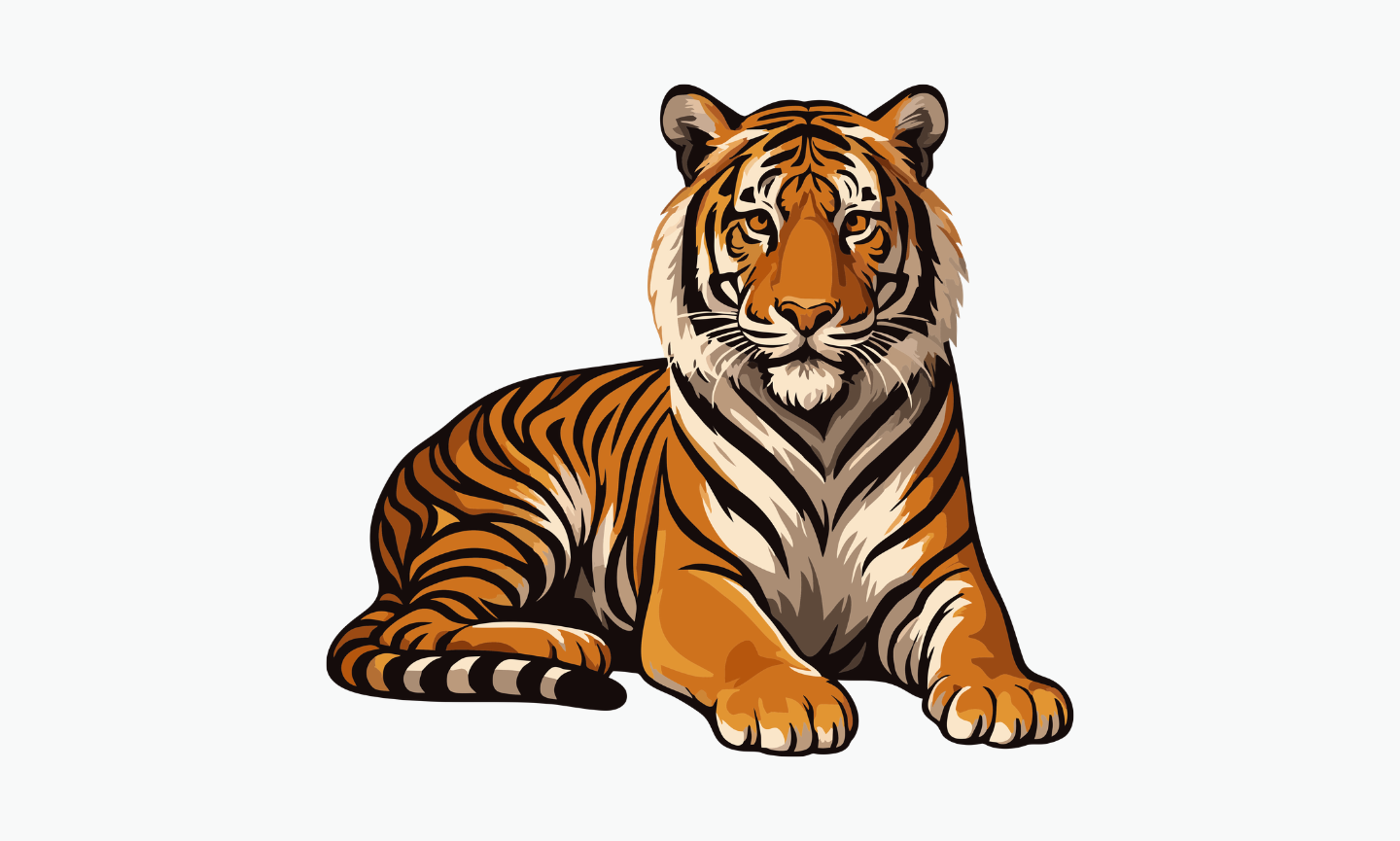
The Indochinese Tiger is traditionally recognized as a tiger of mainland Southeast Asia. It is associated with forested and mountainous habitats and has an orange coat covered with dark stripes. These tigers are generally smaller than the largest northern tiger populations. They are solitary hunters that feed mainly on wild mammals. Habitat loss, prey decline, poaching, and human activity have contributed to the reduction of their populations.
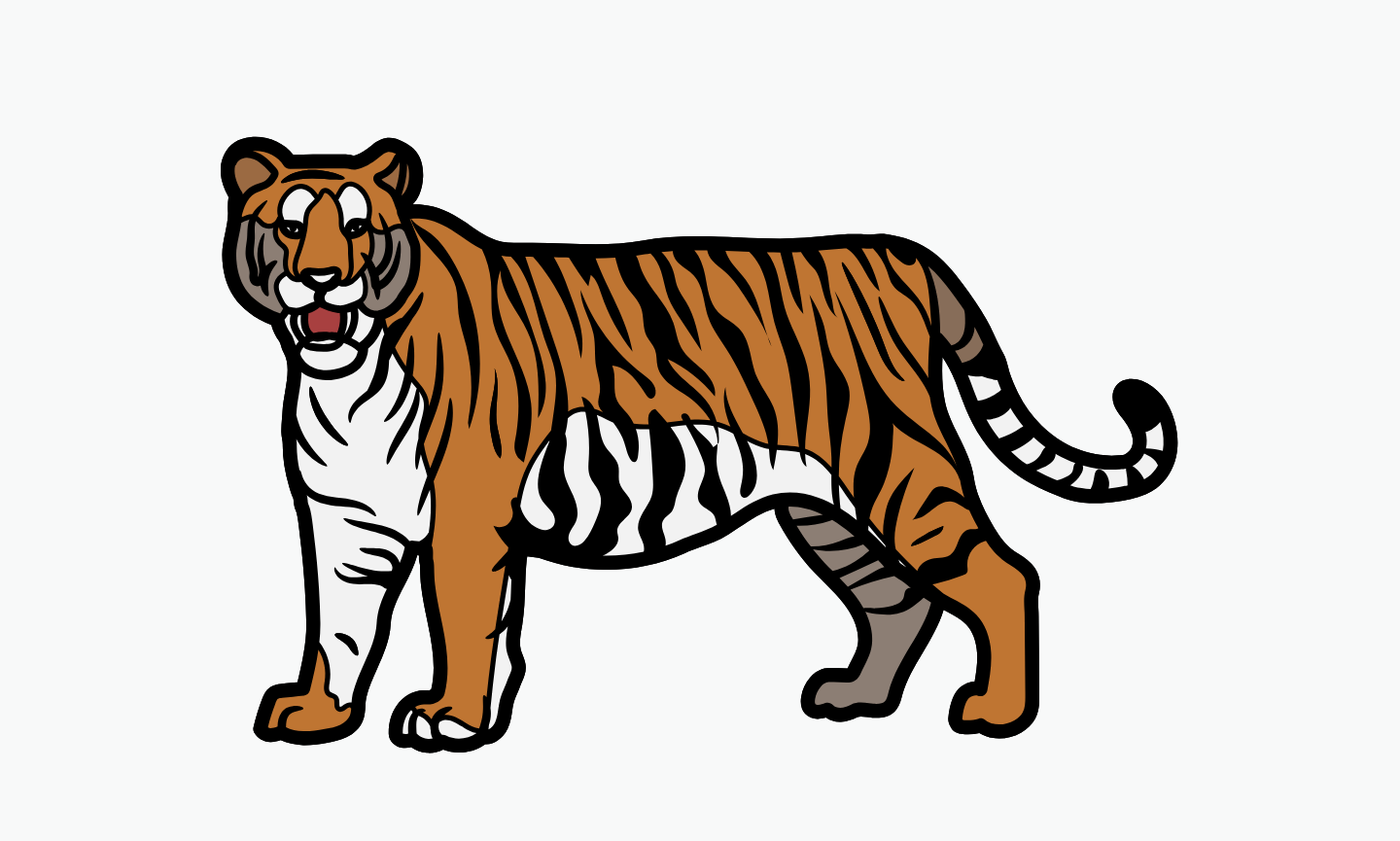
Malayan | Types of Tiger
The Malayan Tiger is traditionally recognized as the tiger population of the Malay Peninsula. It lives mainly in tropical forests and other suitable wooded habitats. Like other tigers, it has a muscular body, powerful jaws, sharp claws, and a striped orange coat. Malayan tigers are solitary predators that hunt available wild prey. Habitat loss, prey depletion, and poaching are major threats to their continued survival.
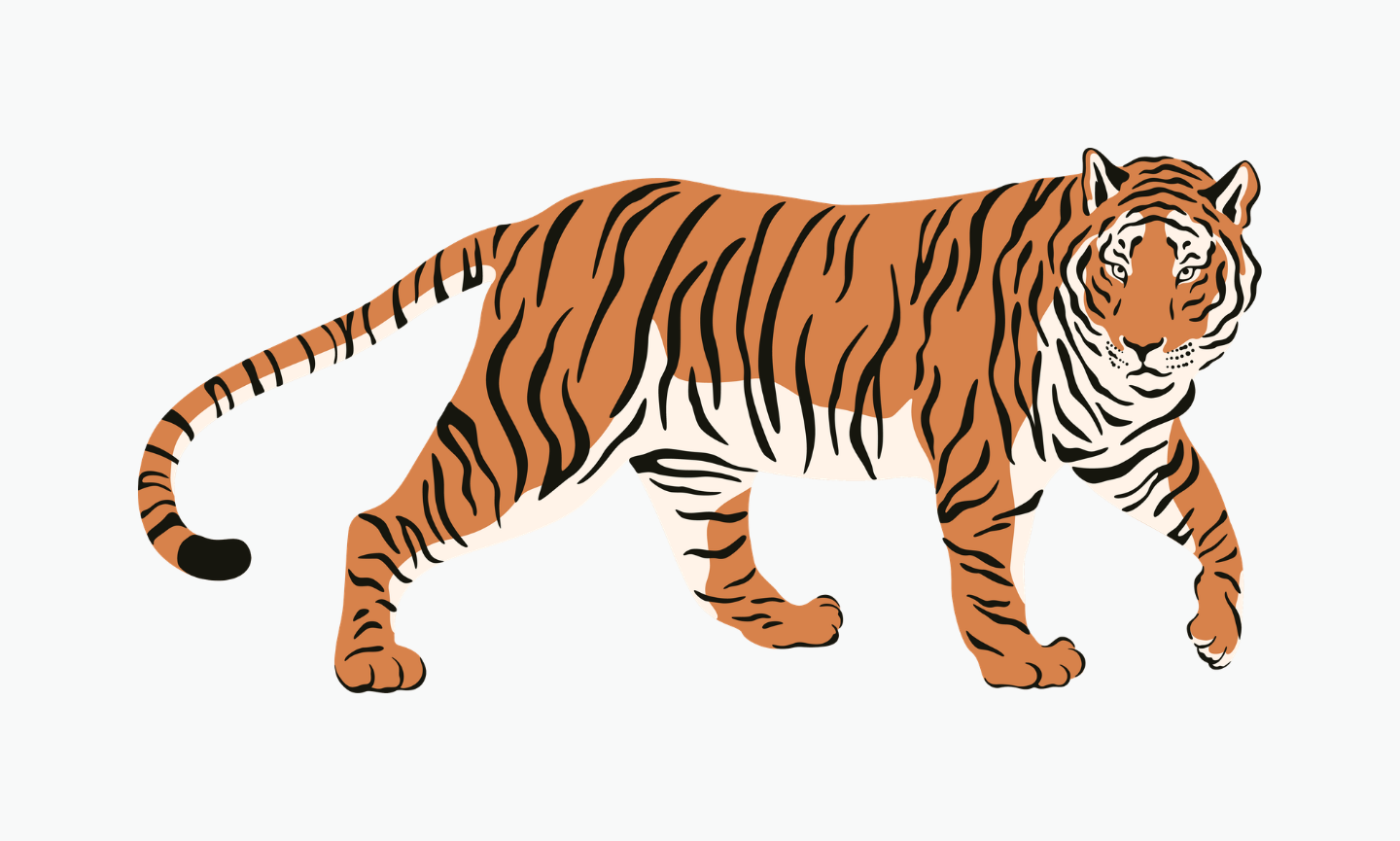
South China
The South China Tiger is a tiger historically found across southern China. It is considered likely extinct in the wild, with surviving individuals maintained in captivity. Historically, it lived in various forest and woodland environments and hunted wild mammals. Its decline resulted from habitat loss, reduction of prey, and direct persecution. The South China tiger remains important to conservation programs because of its critically depleted population and uncertain future.
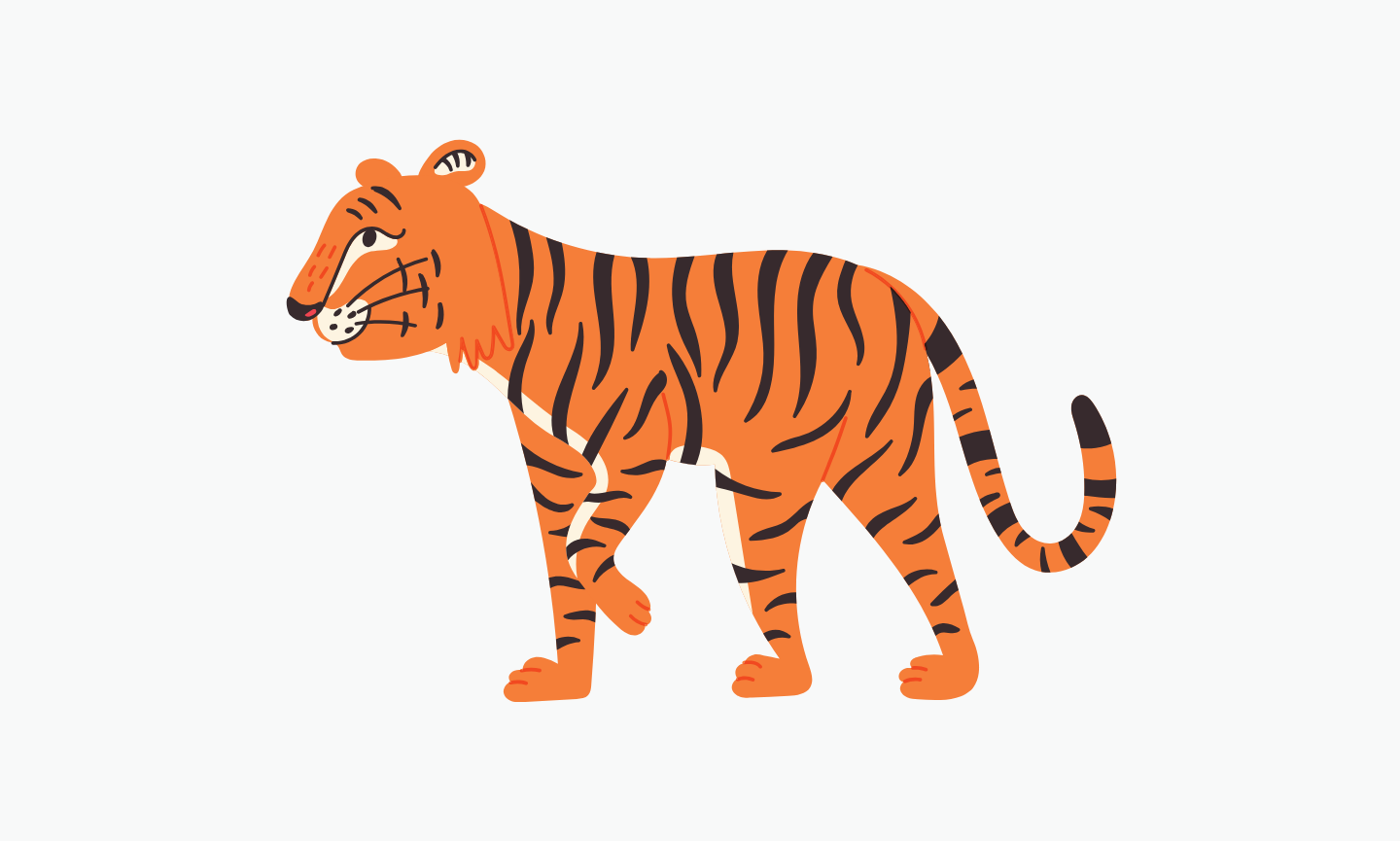
Sumatran
The Sumatran Tiger is traditionally recognized as a tiger native to the Indonesian island of Sumatra. It is smaller than many mainland tiger populations and usually has a darker coat with closely spaced stripes. It can live in different forest environments, including lowland and mountainous areas. Sumatran tigers are solitary carnivores that hunt wild mammals. Habitat loss, fragmentation, poaching, and prey decline threaten their survival.
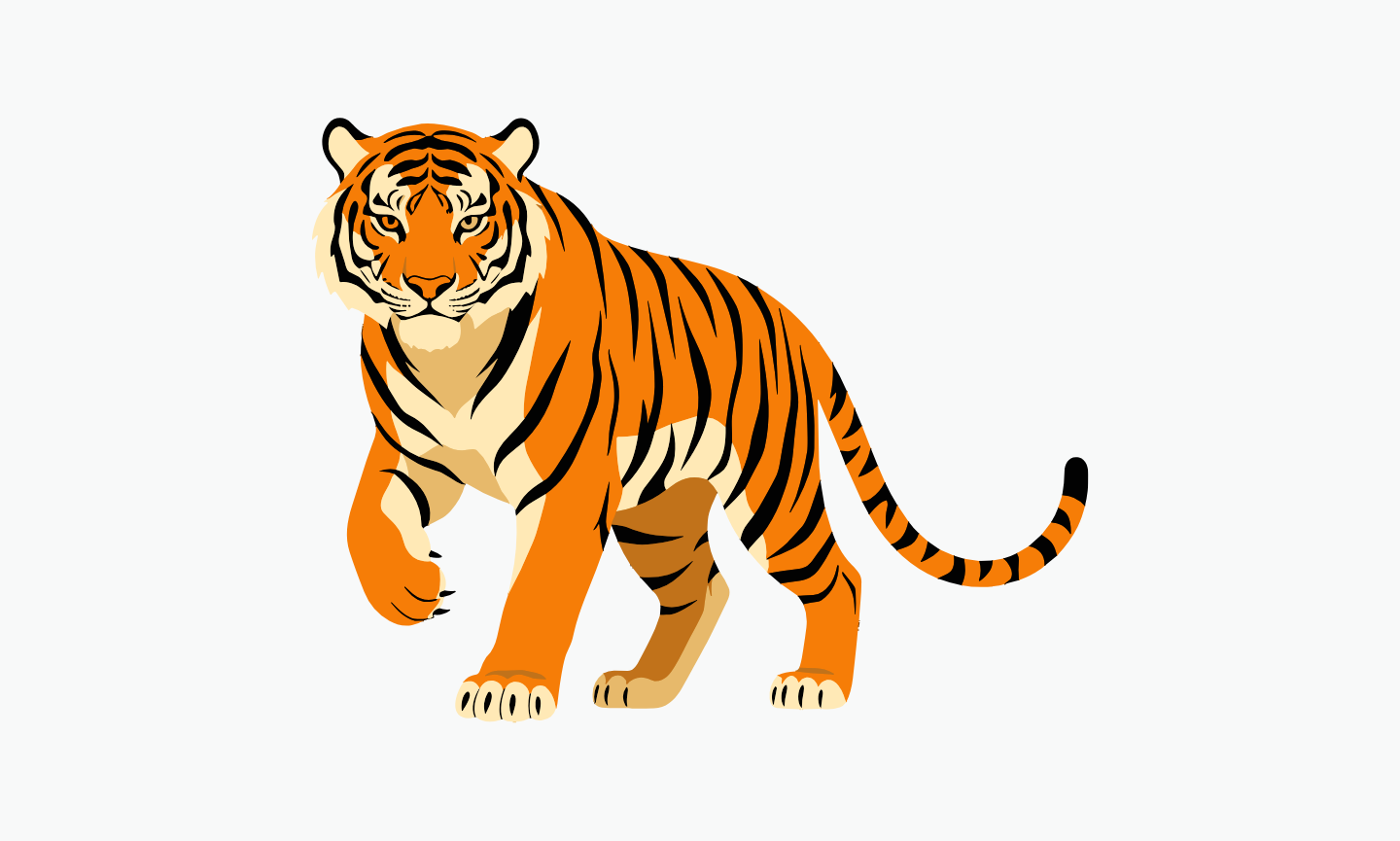
Caspian
The Caspian Tiger was an extinct tiger traditionally recognized from western and Central Asia. Its historical range included areas around the Caspian Sea and extended through parts of Central Asia. It lived in habitats such as river valleys, wetlands, and wooded areas. The Caspian tiger disappeared during the twentieth century because of habitat changes, declining prey, and hunting. It is one of three traditionally recognized extinct tiger subspecies.
Javan
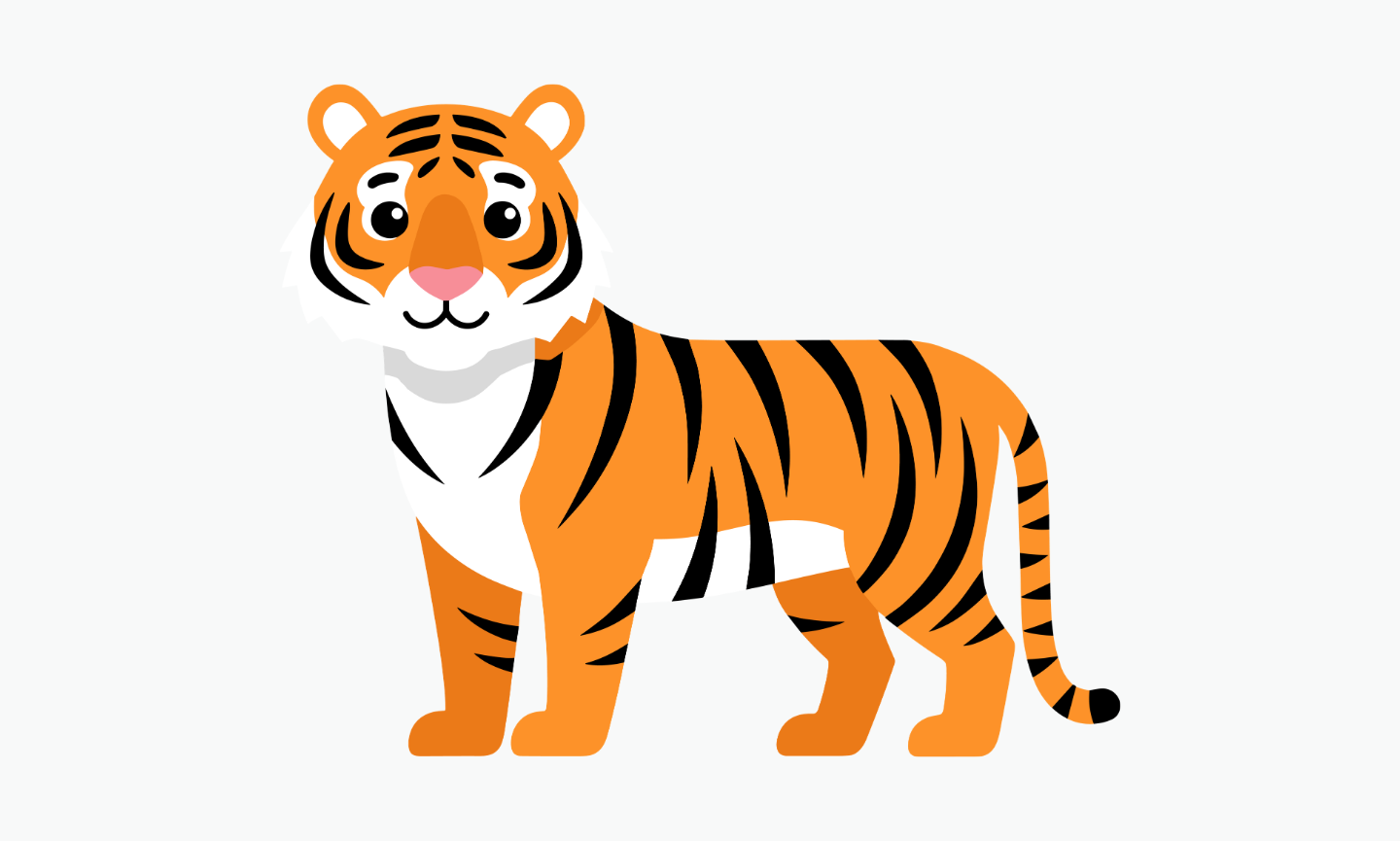
The Javan Tiger was an extinct tiger traditionally associated with the Indonesian island of Java. It inhabited forests and other landscapes where sufficient prey and cover were available. Javan tigers were generally smaller than some mainland tiger populations. Their decline was linked to habitat loss, agricultural expansion, prey reduction, and hunting. The subspecies disappeared during the twentieth century, leaving no confirmed wild population on Java today.

Bali | Types of Tiger
The Bali Tiger was an extinct tiger native exclusively to the Indonesian island of Bali. It was traditionally considered one of the smallest tiger subspecies. The tiger lived in forested areas and hunted available wild prey. Increasing human pressure, habitat changes, and hunting contributed to its disappearance. The Bali tiger became extinct during the twentieth century and is now known only through historical records, photographs, museum specimens, and other documentation.
White Tiger
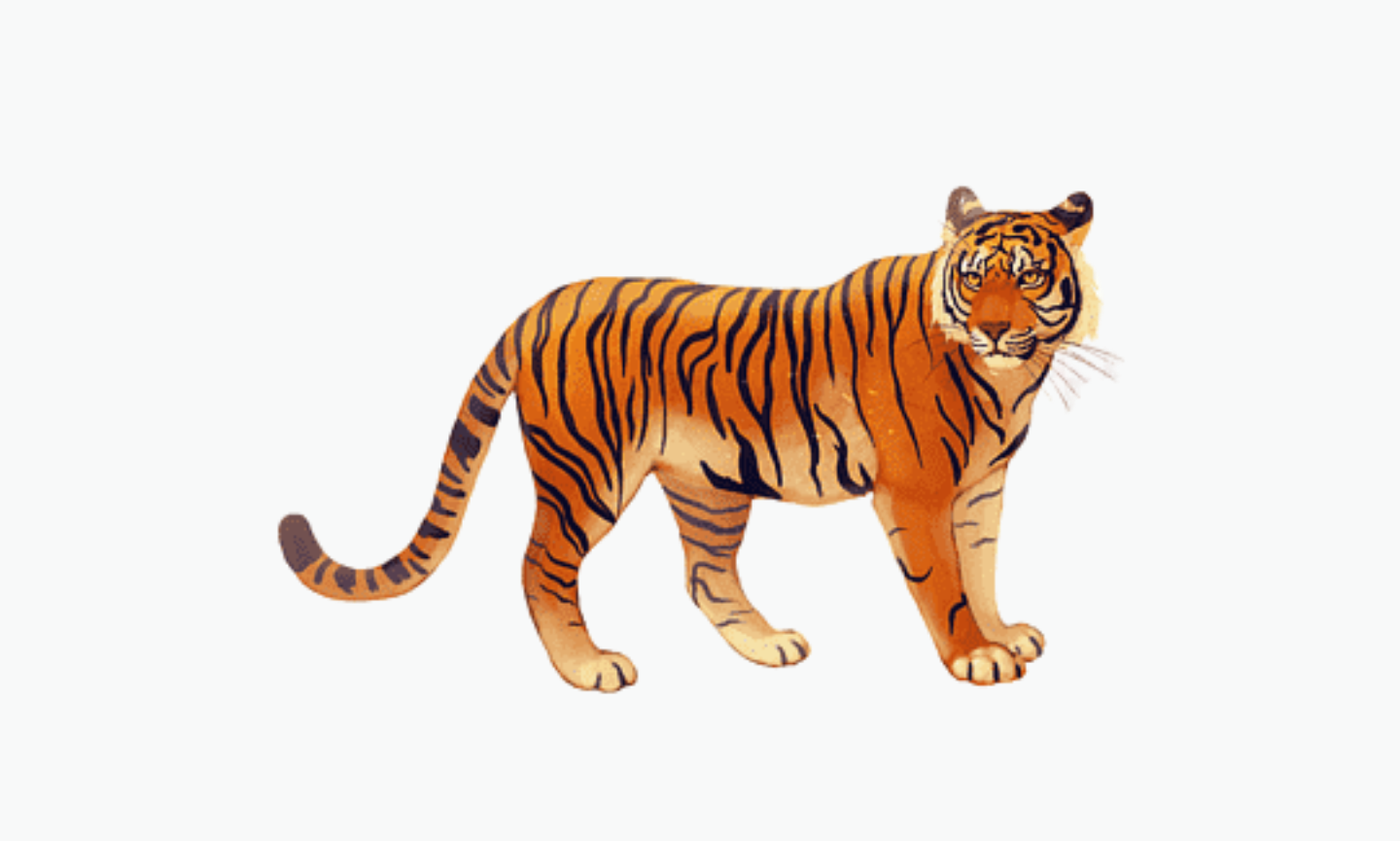
The White Tiger is not a separate tiger species or subspecies. It is a rare color variation caused by a genetic condition that affects pigmentation, historically associated mainly with Bengal tigers. White tigers have pale or white fur, dark stripes, and often blue eyes. They can occur in captivity through selective breeding. Because unusual coloration does not represent a separate taxonomic group, white tigers should not be listed as an independent subspecies.
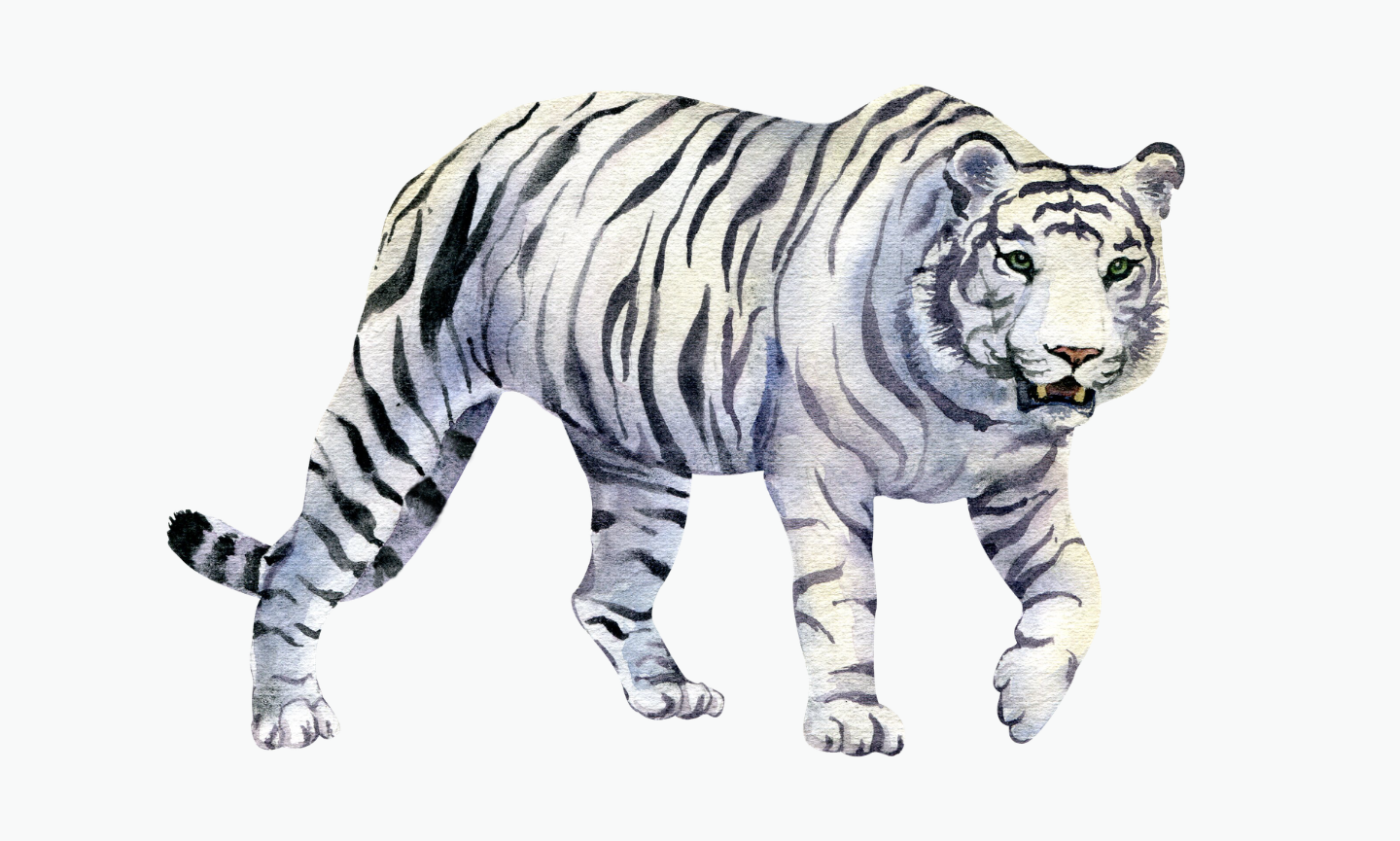
Modern Tiger Classification
- Kingdom: Animalia
- Phylum: Chordata
- Class: Mammalia
- Order: Carnivora
- Family: Felidae
- Genus: Panthera
- Species: Panthera tigris
Type of Tiger Names with Their short Descriptions
| Tiger Name | US IPA | Short Description |
|---|---|---|
| Amur Tiger | /əˈmʊr ˈtaɪɡər/ | Another name for the Siberian tiger, especially referring to tigers of the Amur River region. |
| Manchurian Tiger | /mænˈtʃʊriən ˈtaɪɡər/ | A historical regional name for tigers associated with Manchuria in northeastern Asia. |
| Royal Bengal Tiger | /ˈrɔɪəl ˈbɛŋɡəl ˈtaɪɡər/ | A popular name for the Bengal tiger, especially when highlighting its impressive appearance. |
| Mainland Asian Tiger | /ˈmeɪnˌlænd ˈeɪʒən ˈtaɪɡər/ | A broad term for tiger populations occurring on mainland Asia rather than the Sunda islands. |
| Siberian Amur Tiger | /saɪˈbɪriən əˈmʊr ˈtaɪɡər/ | A combined regional name for the Amur or Siberian tiger of northeastern Asia. |
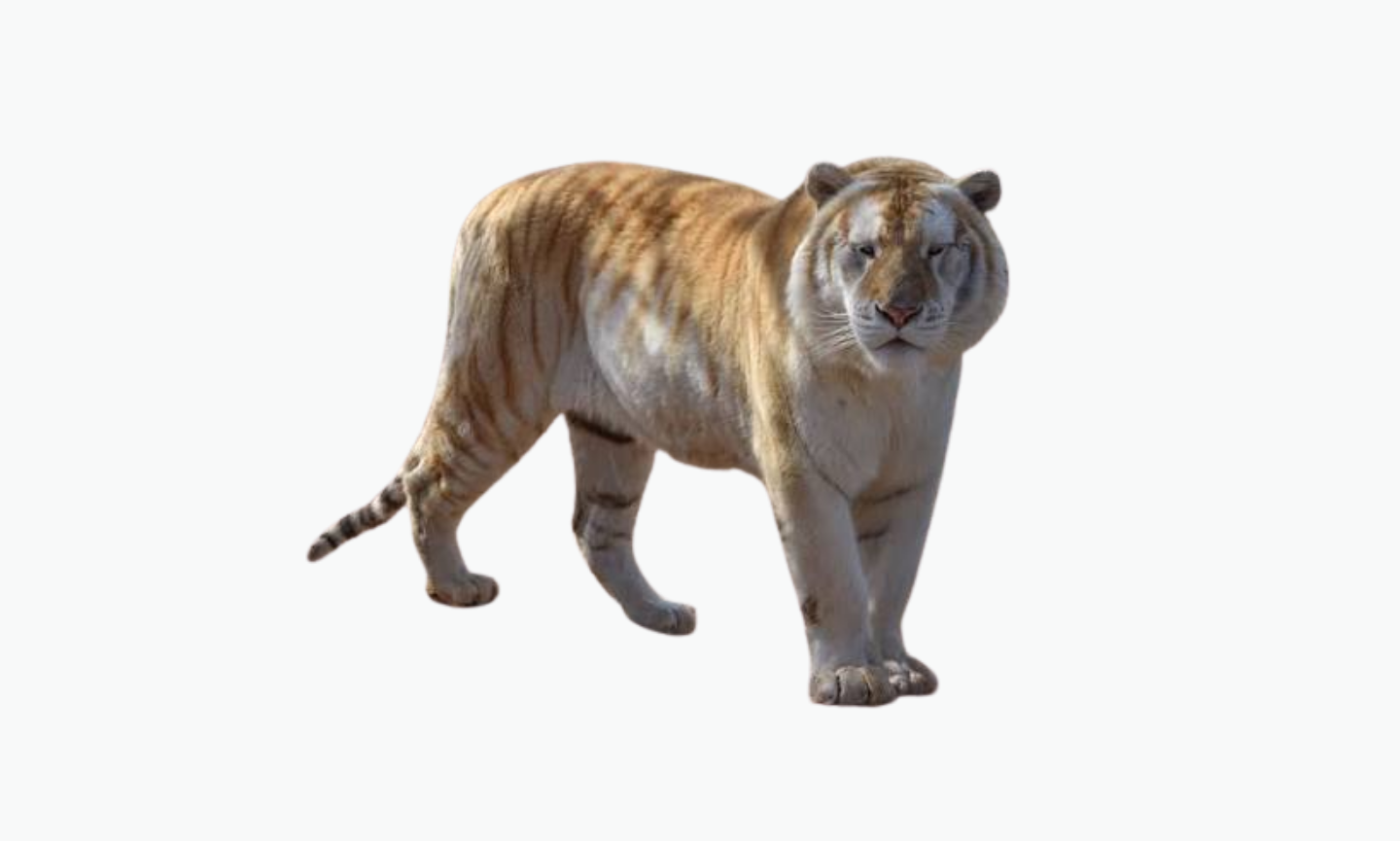
| Golden Tiger | /ˈɡoʊldən ˈtaɪɡər/ | A rare color variant with pale golden or blond fur and unusually broad stripes. |
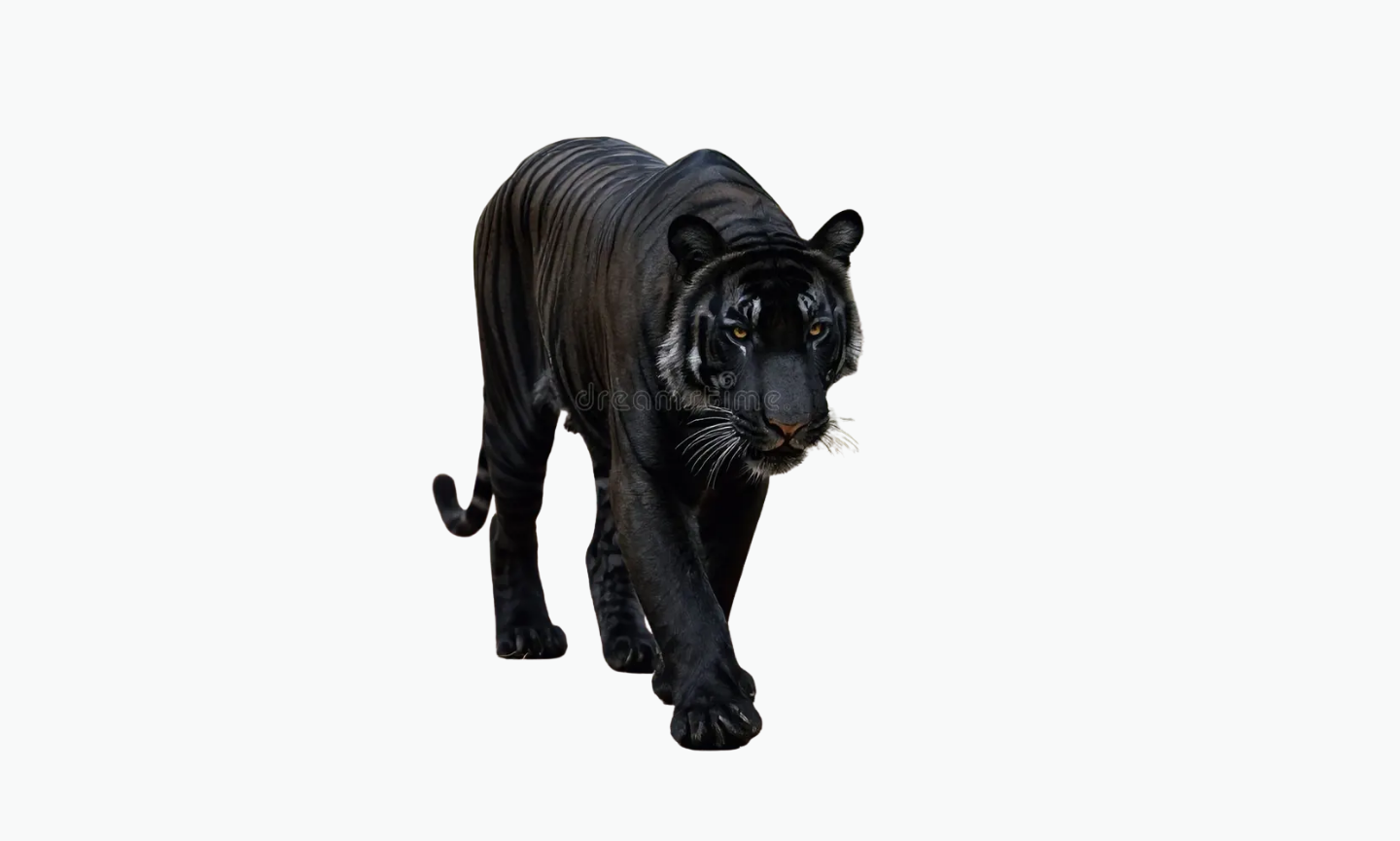
| Black Tiger | /blæk ˈtaɪɡər/ | A very rare tiger with unusually wide, dark stripes that can make its coat appear mostly black. |
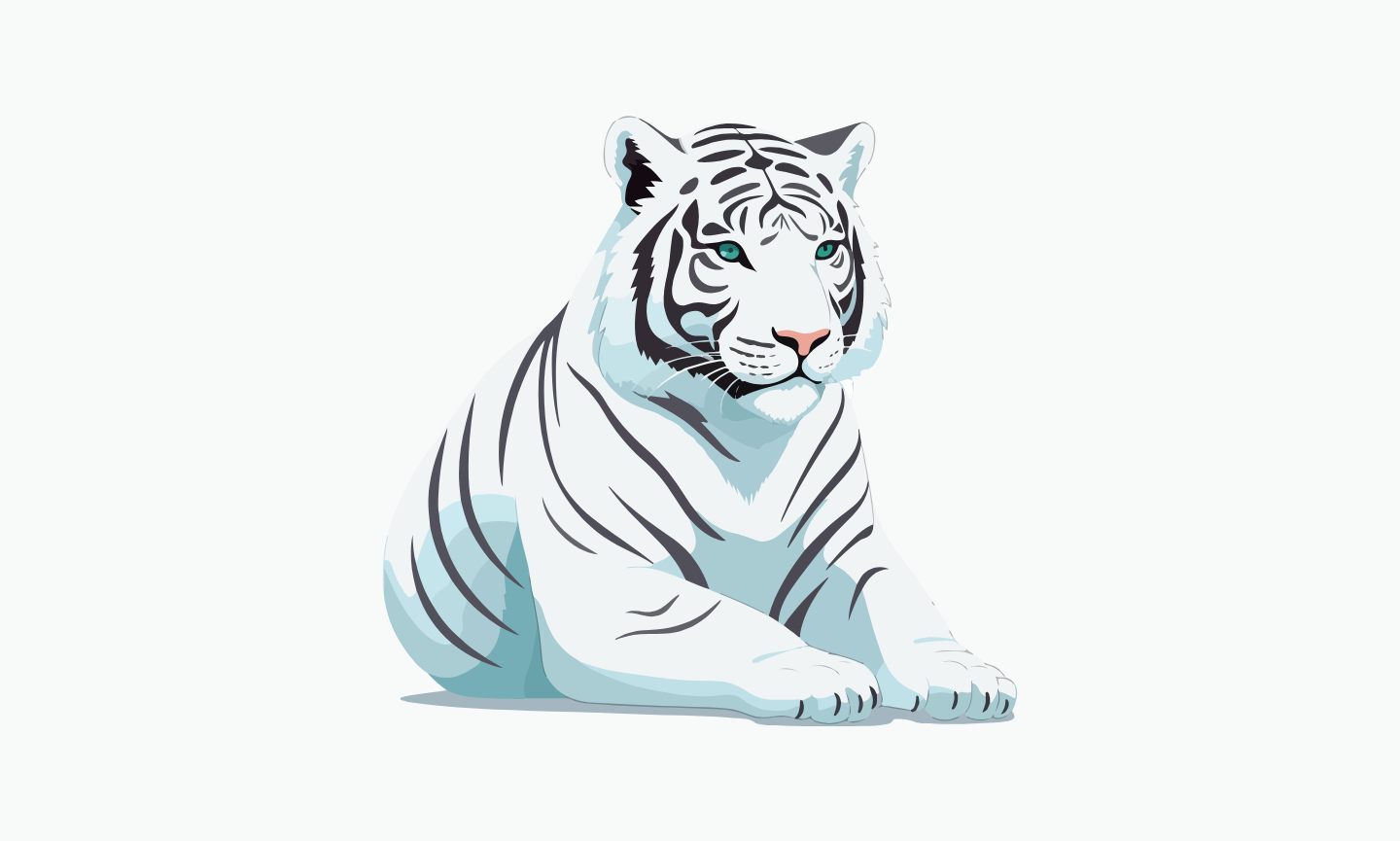
| Snow Tiger | /snoʊ ˈtaɪɡər/ | A non-scientific name sometimes used for very pale or white tigers with reduced pigmentation. |
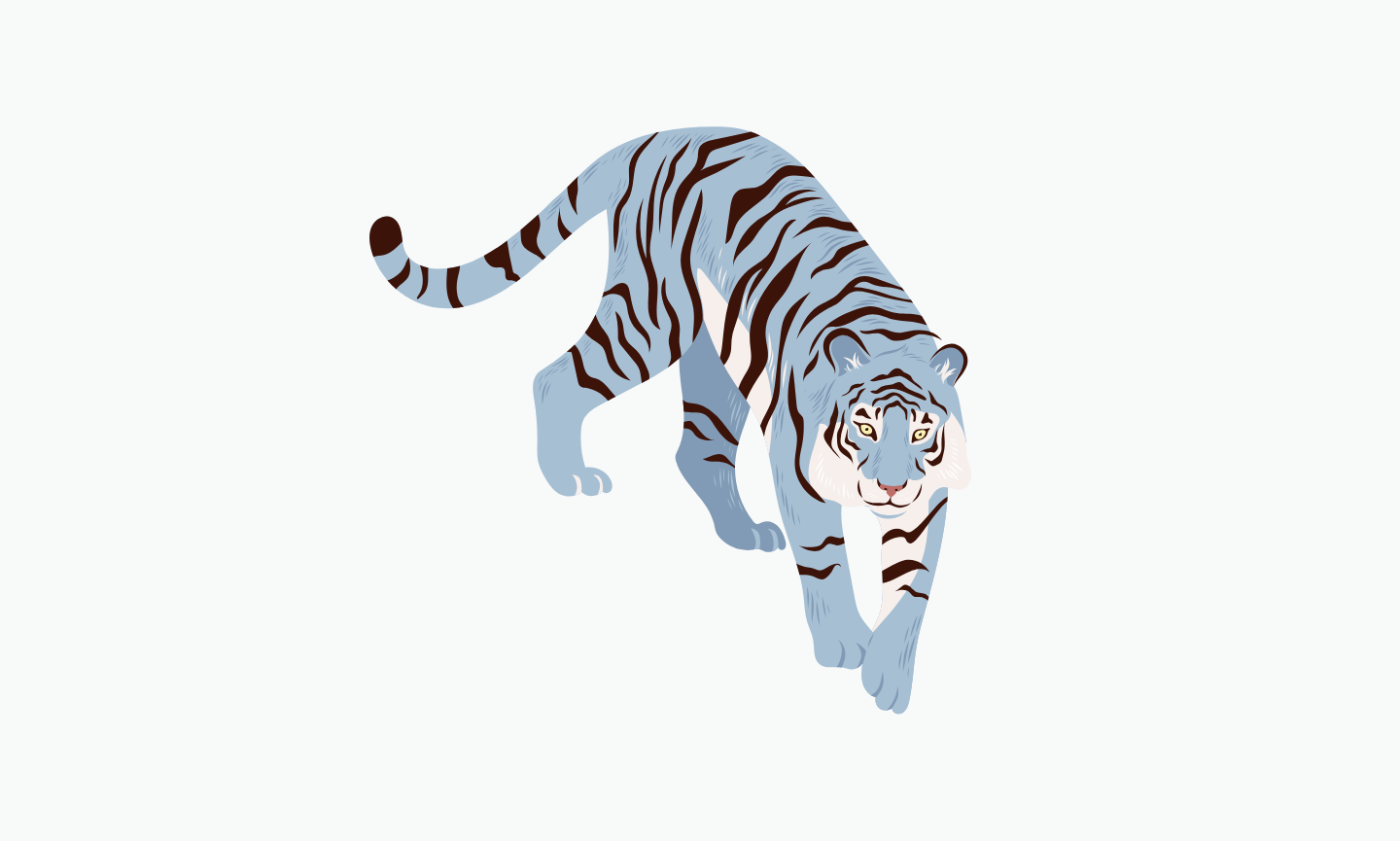
| Blue Tiger | /bluː ˈtaɪɡər/ | A legendary or reported blue-gray tiger type with no confirmed scientifically recognized population. |
| Maltese Tiger | /mɔːlˈtiːz ˈtaɪɡər/ | A historical name associated with supposed blue-gray tigers, but no confirmed wild population is recognized. |
Tiger with Their Pictures
Amur
The Amur Tiger is the modern common name for Panthera tigris altaica, traditionally called the Siberian Tiger. It occurs mainly in the Russian Far East, with a smaller population in northeastern China. It is adapted to cold forests and seasonal snow. Amur tigers have powerful bodies, thick coats, and large paws. Their prey includes deer, wild boar, and other suitable mammals.
Manchurian | Types of Tiger
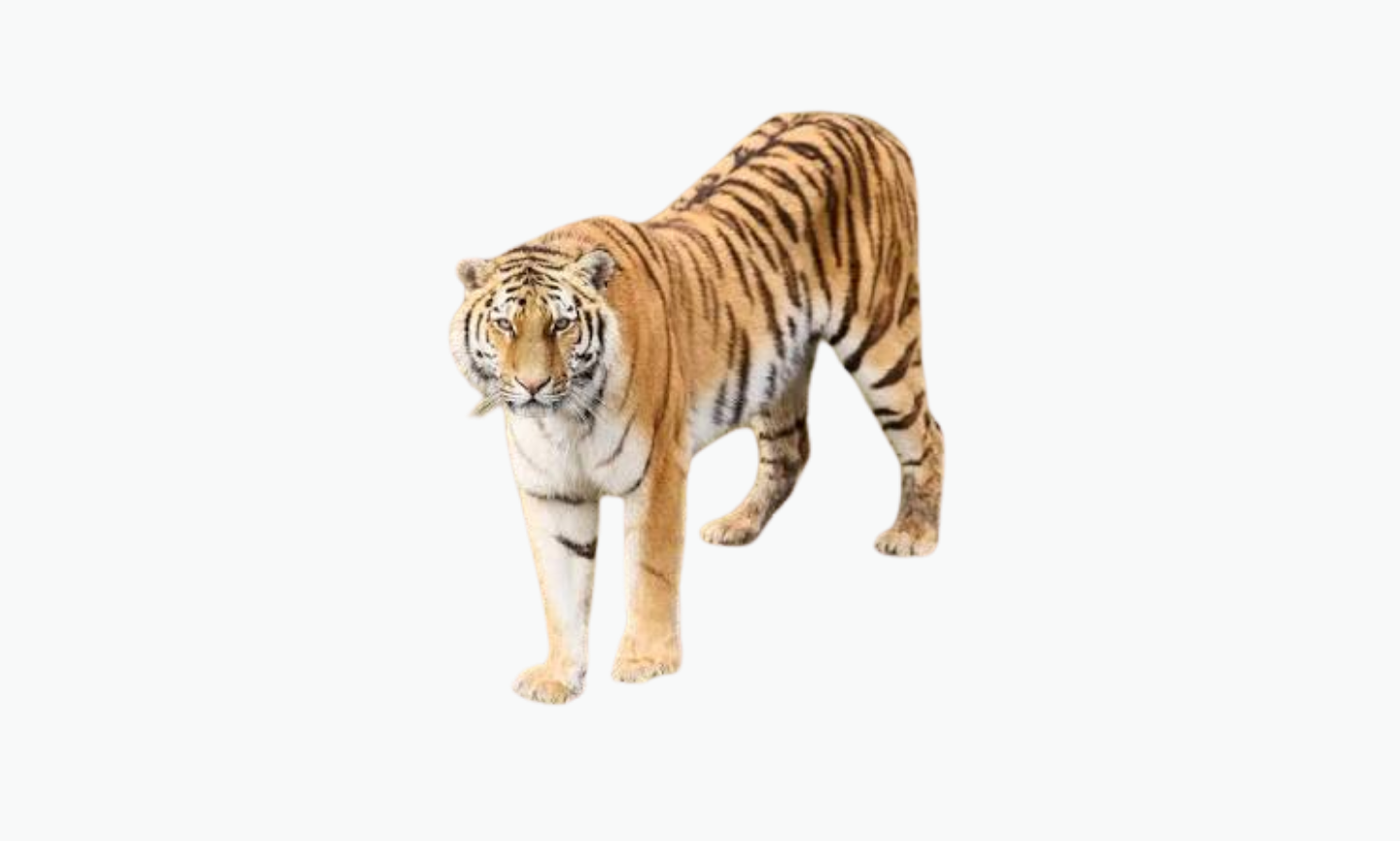
The Manchurian Tiger is a historical regional name commonly associated with the Amur or Siberian Tiger. The name refers to tigers formerly found in Manchuria, a historical region covering parts of northeastern China and nearby areas. These tigers inhabit forested landscapes and hunt wild mammals such as deer and wild boar. Manchurian Tiger is not generally treated as a separate modern tiger subspecies.
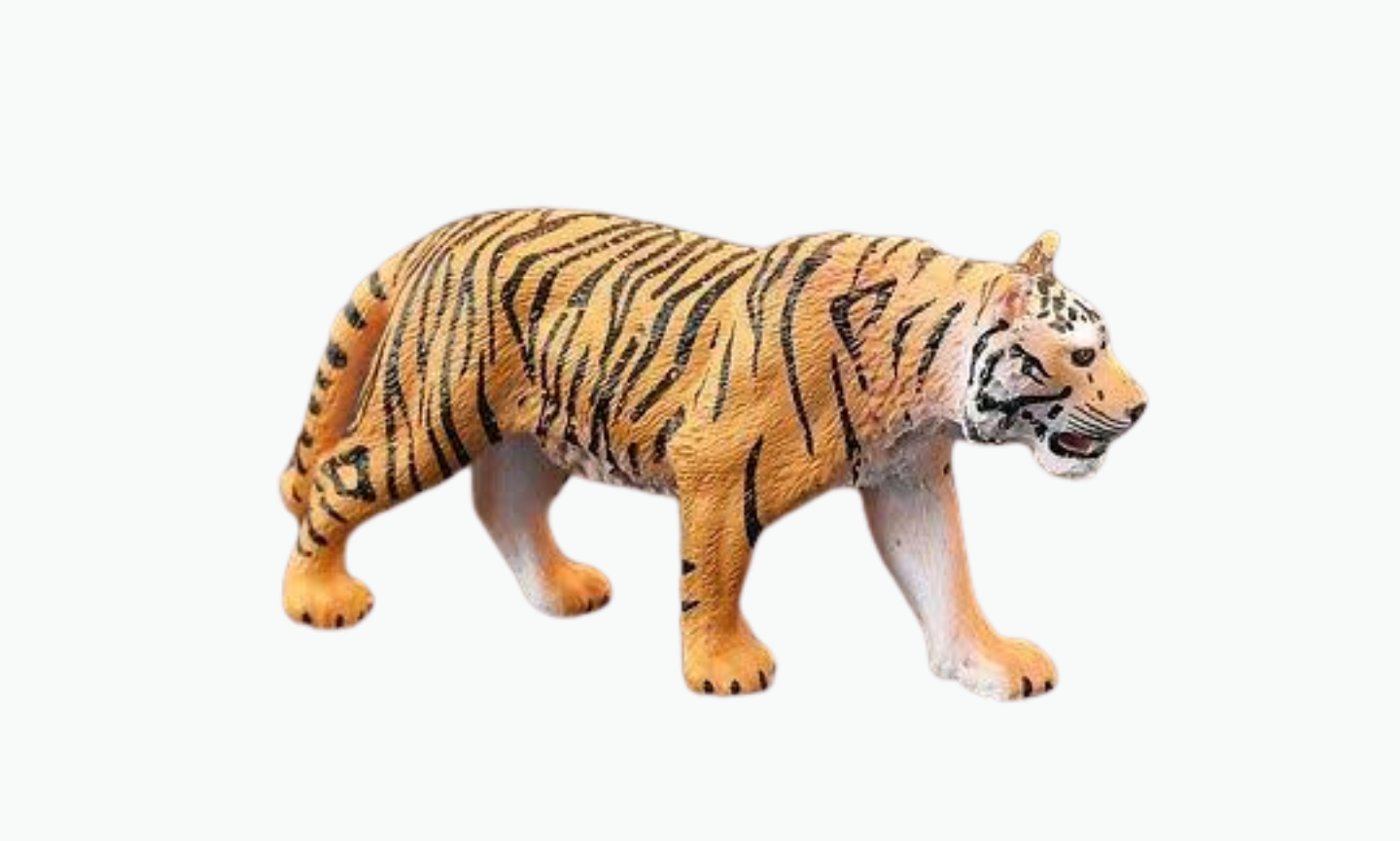
Royal Bengal
The Royal Bengal Tiger is a popular name for the Bengal Tiger, traditionally classified as Panthera tigris tigris. It is found mainly across the Indian subcontinent, including India, Bangladesh, Nepal, and Bhutan. Its orange coat features distinctive black stripes. Bengal tigers occupy forests, grasslands, wetlands, and mangrove habitats. They are solitary carnivores that hunt a variety of wild mammals, particularly deer and wild pigs.
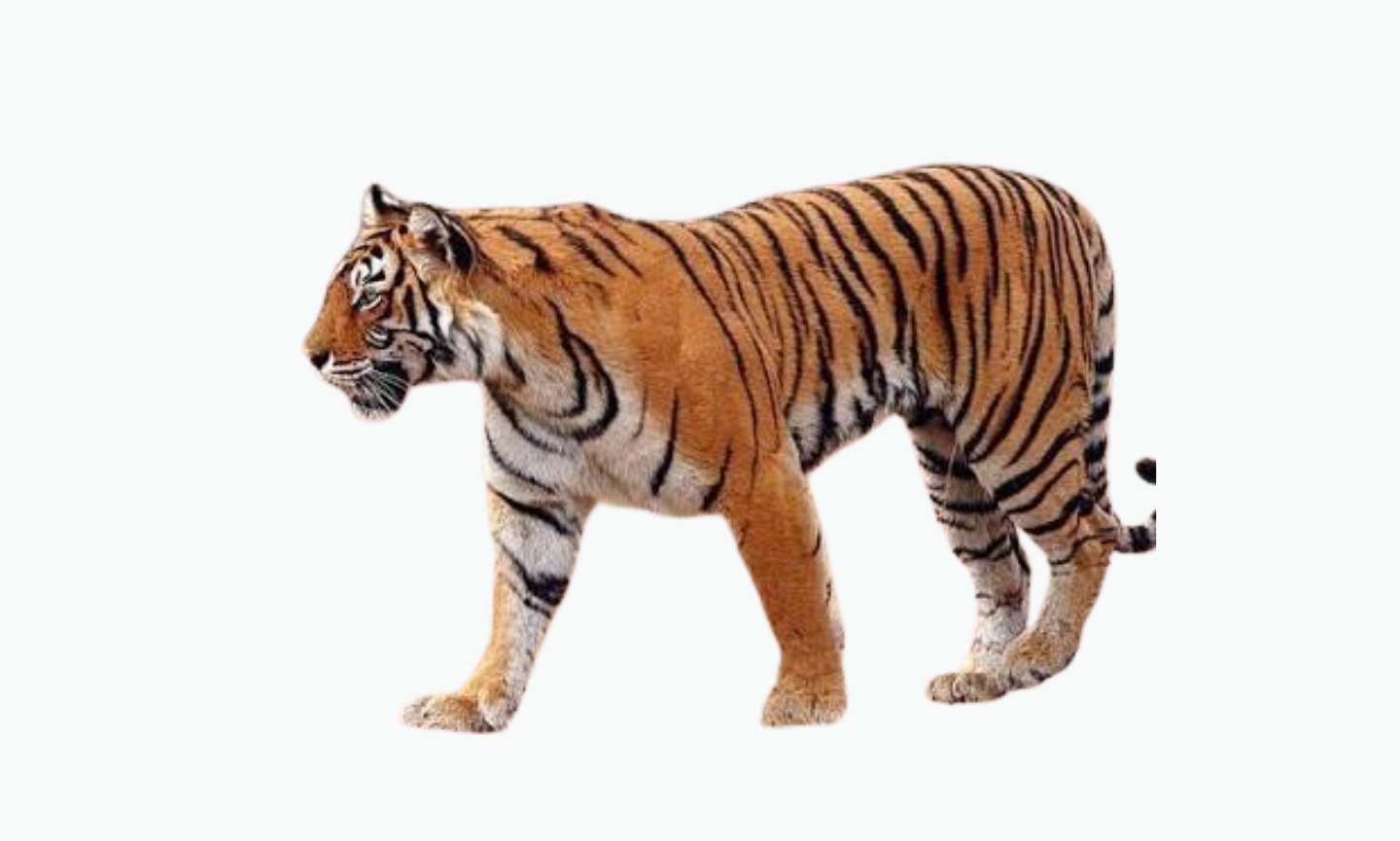
Mainland Asian
The Mainland Asian Tiger is a broad descriptive term rather than a formally recognized tiger subspecies. It can refer to tiger populations occurring on mainland Asia, including Bengal, Amur, Indochinese, and historically South China and Caspian tigers. These populations occupy diverse environments, from tropical forests to temperate woodlands. The term is useful for geographical discussion but should not be presented as an independent scientific tiger subspecies.
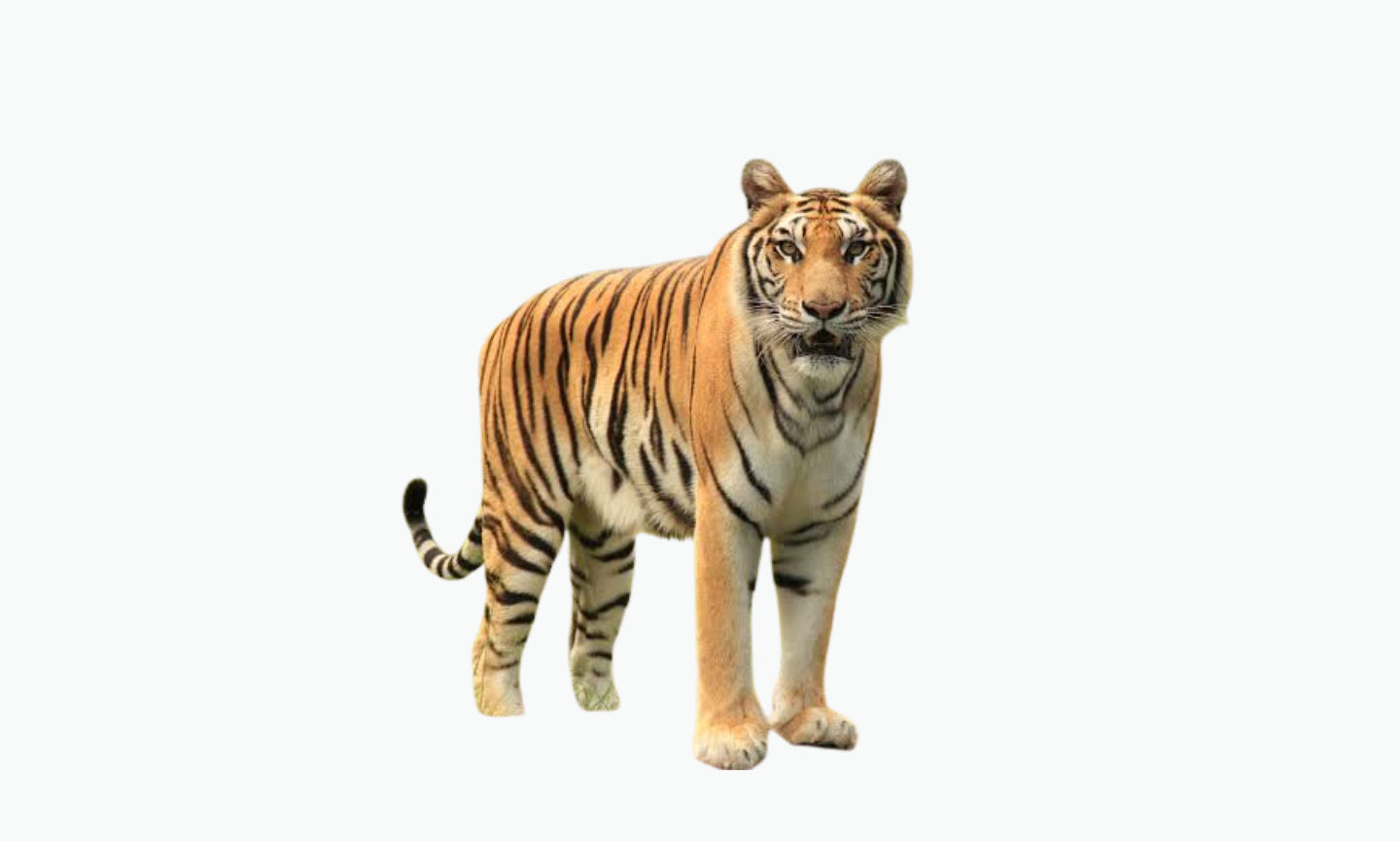
Siberian Amur
The Siberian Amur Tiger combines two common names for the same traditionally recognized tiger subspecies, Panthera tigris altaica. Amur Tiger is the preferred modern common name, while Siberian Tiger remains widely used. It lives mainly in the Russian Far East and northeastern China. This tiger is adapted to cold climates and forest habitats, where it hunts prey such as deer and wild boar.
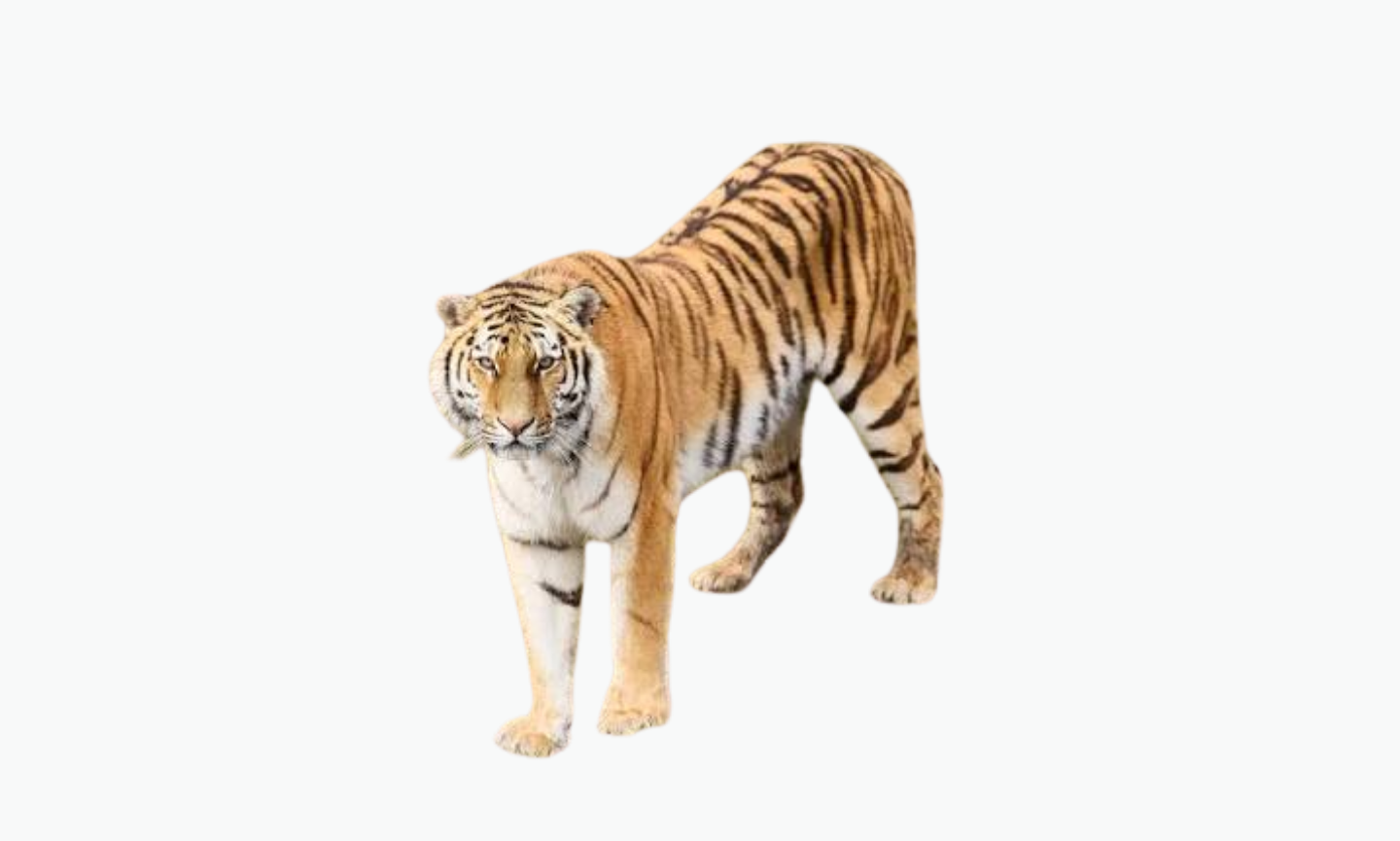
Golden Tyger
The Golden Tiger, sometimes called the Golden Tabby Tiger, is a rare color variation rather than a separate tiger species or subspecies. Its coat has a pale golden or blond appearance with lighter, wider stripes. The unusual coloration results from a genetic variation affecting pigmentation. Golden tigers are particularly associated with captive populations. Their distinctive appearance should not be confused with a formally recognized taxonomic tiger type.
Black Tiger
The Black Tiger is not a recognized tiger species or subspecies. The name is sometimes used for exceptionally dark tigers with unusually broad or dense black striping, a condition known as pseudomelanism. In these animals, the dark stripes can dominate the coat and make the tiger appear almost black. Such individuals are extremely rare, and the term describes unusual coloration rather than a separate scientific tiger classification.
Snow Tiger
The Snow Tiger is not a scientifically recognized tiger species or subspecies. The name may be used informally for very pale or white-colored tigers, particularly in captivity. White coloration in tigers is associated with a genetic pigmentation variation and is historically linked mainly with Bengal Tigers. Therefore, Snow Tiger should be treated as an informal appearance-based name rather than an independent tiger type recognized by modern taxonomy.
Blue Tiger
The Blue Tiger, sometimes called the Maltese Tiger, is a reported but unconfirmed color form of tiger. Historical accounts described tigers with a bluish-gray appearance, but there is no scientifically confirmed population or recognized subspecies matching this description. No reliable evidence establishes a living blue tiger population. Therefore, Blue Tiger is best described as a legendary or unverified tiger color form, not a confirmed scientific type.
Maltese Tiger
The Maltese Tiger is a historical name associated with reports of unusually blue-gray or slate-colored tigers. It is sometimes treated as another name for the reported Blue Tiger. However, no scientifically verified population of such tigers has been established. The name does not represent a recognized tiger species or subspecies. Modern references generally regard reports of Maltese Tigers as unconfirmed rather than an established biological classification.
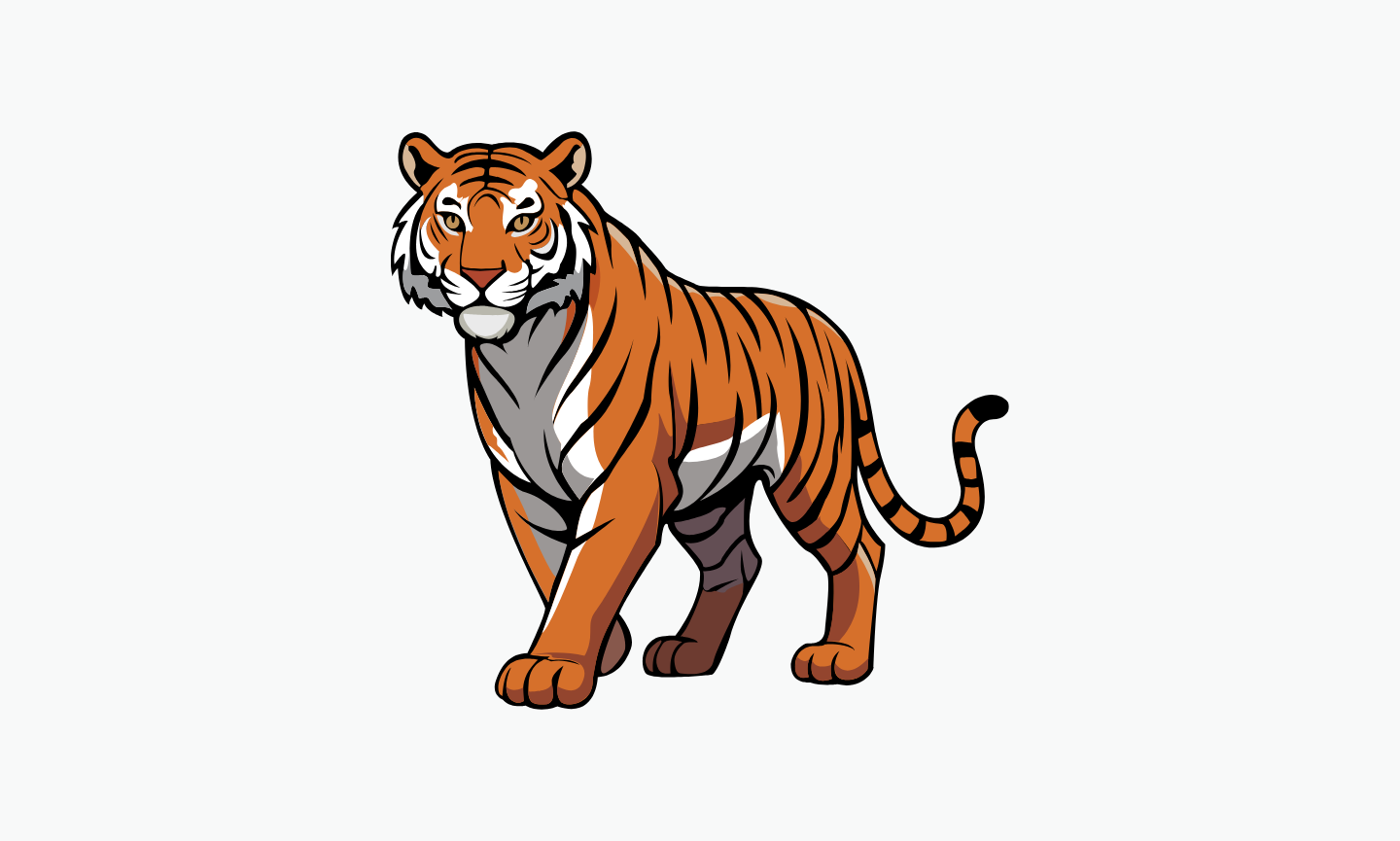
Tiger Size and Weight
Tiger size varies considerably among populations and between individual animals. The IUCN Cat Specialist Group gives an overall body-weight range of approximately 75–325 kilograms and a body-length range of about 150–230 centimeters, with a tail measuring approximately 90–110 centimeters. Males are generally larger than females.
Tiger Lifespan
The IUCN Cat Specialist Group reports an overall tiger longevity of approximately 12–15 years. Actual lifespan can vary according to habitat conditions, food availability, disease, injury, human conflict, and whether an animal survives in the wild or under human care. Young tigers depend on their mothers during early development.
Animals Related Articles