Leopards are beautiful and powerful wild cats known for their spotted coats, quiet movements, and ability to live in many different environments. Although they all belong to the same species, Panthera pardus, leopard populations from different parts of Africa and Asia have their own unique characteristics. In this guide to Different Types of Leopard With Their Pictures, you will discover the main leopard subspecies, where they live, what makes each one special, and how they differ from one another. We will also clear up a few common names that are sometimes incorrectly included as leopard types.
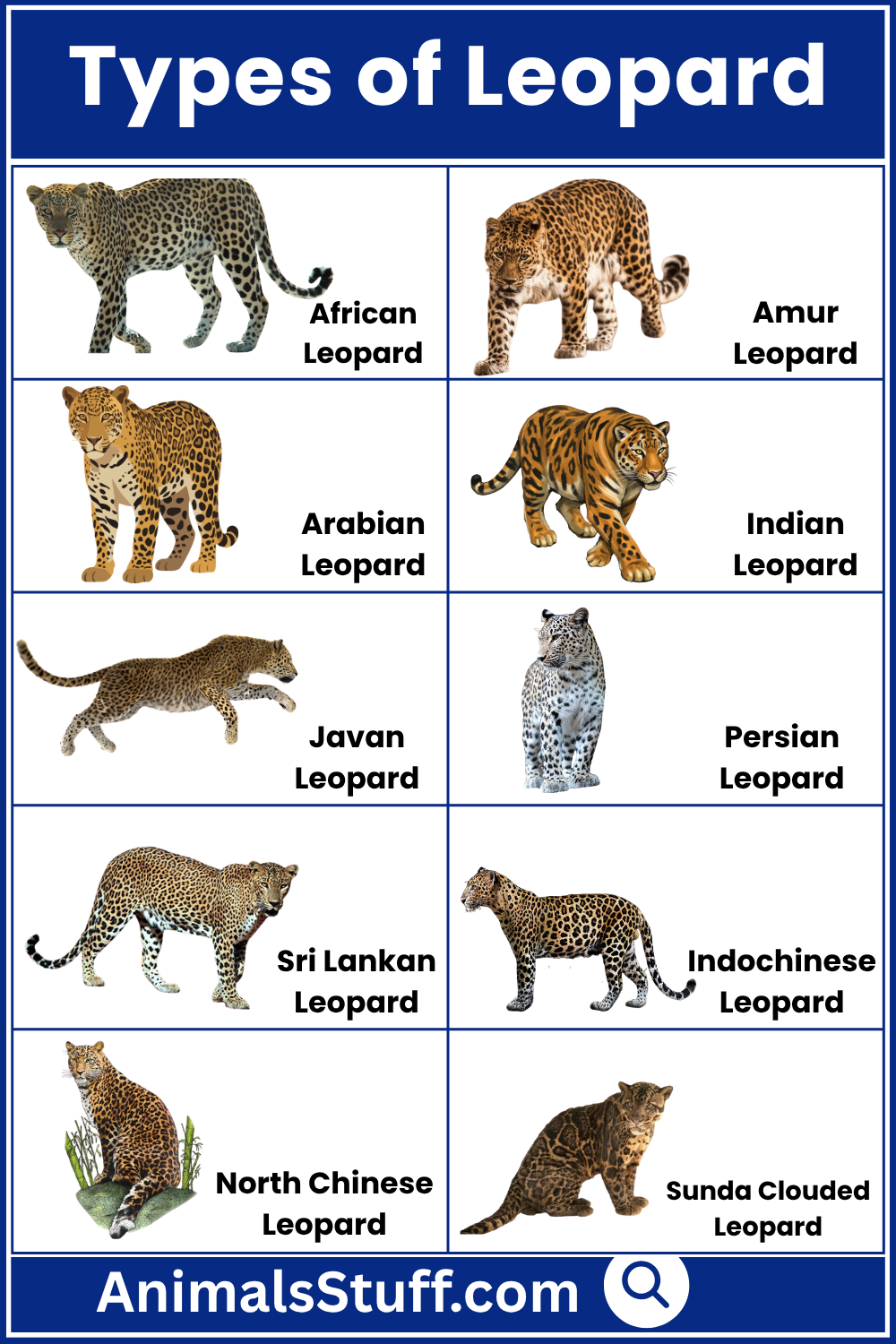
Different Types of Leopard with Short Description
| Name | US IPA | Short Description |
|---|---|---|
| African Leopard | /ˈæfrɪkən ˈlɛpərd/ | A widespread leopard found across much of sub-Saharan Africa, known for its adaptability and varied habitats. |
| Amur Leopard | /əˈmʊr ˈlɛpərd/ | A rare leopard from the Russian Far East and northeastern China, adapted to cold forests and snowy winters. |
| Arabian Leopard | /əˈreɪbiən ˈlɛpərd/ | A critically endangered leopard native to parts of the Arabian Peninsula, especially rocky mountain habitats. |
| Indian Leopard | /ˈɪndiən ˈlɛpərd/ | A highly adaptable leopard of the Indian subcontinent, living in forests, grasslands, hills, and human-dominated areas. |
| Javan Leopard | /ˈdʒɑːvən ˈlɛpərd/ | An endangered leopard found on Indonesia’s Java Island, occurring mainly in forests and mountainous areas. |
| Persian Leopard | /ˈpɜrʒən ˈlɛpərd/ | A large leopard of western and central Asia, associated with mountains, forests, and rugged rocky landscapes. |
| Sri Lankan Leopard | /ˌsriː ˈlæŋkən ˈlɛpərd/ | A leopard native to Sri Lanka, recognized for its relatively large size and diverse island habitats. |
| Indochinese Leopard | /ˌɪndoʊˈtʃaɪniːz ˈlɛpərd/ | A leopard of mainland Southeast Asia, historically occurring across forests and other suitable habitats. |
| North Chinese Leopard | /nɔrθ tʃaɪˈniːz ˈlɛpərd/ | A leopard native to northern China, with populations associated with forested and mountainous regions. |
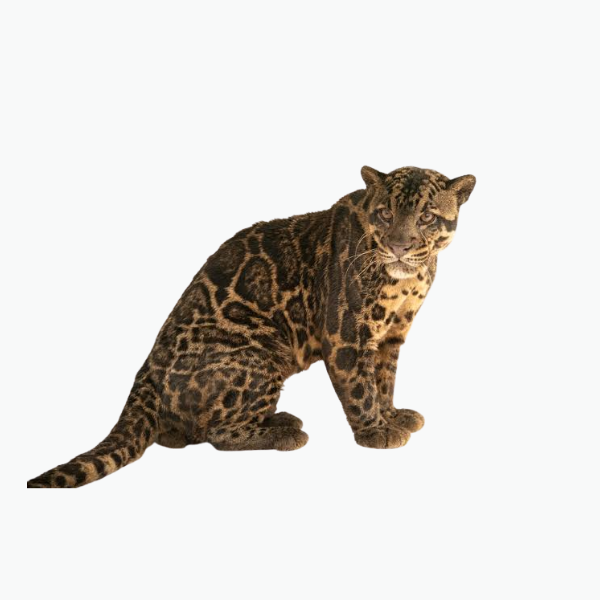
| Sunda Clouded Leopard | /ˈsʌndə ˈklaʊdɪd ˈlɛpərd/ | A forest-dwelling wild cat of Borneo and Sumatra, distinct from the true leopard and named for its cloud-like markings. |
Different Types of Leopard With Their Pictures
Leopard Diet and Hunting Behavior
Leopards are carnivores with a highly flexible diet. Their prey varies dramatically according to geography and local availability.
- Primates
- Rodents
- Hares
- Large birds
- Pangolins
- Small carnivores
- Reptiles
- Other available mammals
Different Types of Leopard With Their Pictures
African Leopard
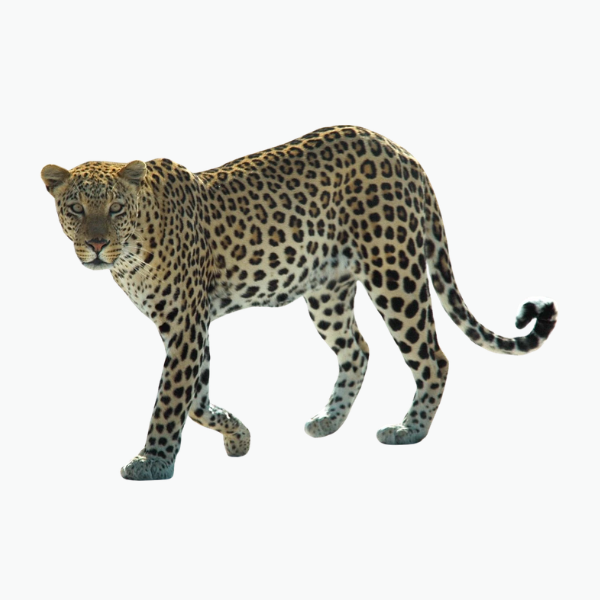
The African leopard is the most widely distributed leopard form, occurring across many parts of sub-Saharan Africa. It can survive in forests, savannas, grasslands, mountains, and dry regions where suitable prey is available. Its golden or yellowish coat usually carries dark rosettes that provide camouflage. African leopards are solitary hunters and are known for their stealth, climbing ability, and flexible diet.
Amur Leopard
The Amur leopard is a rare leopard population native to the Russian Far East and northeastern China. It lives in cold temperate forests and has physical adaptations that help it cope with harsh winters. Its coat becomes particularly thick during colder months, while its widely spaced rosettes help provide camouflage. The Amur leopard is critically endangered because of its extremely limited range and small wild population.
Arabian Leopard
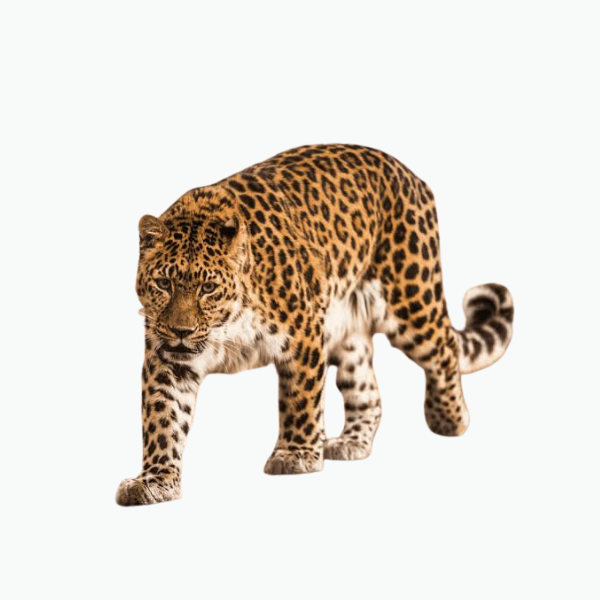
The Arabian leopard is a small and highly threatened leopard native to mountainous areas of the Arabian Peninsula. Compared with many other leopard populations, it generally has a paler coat and a smaller body size, which suit its dry surroundings. It mainly uses rugged mountains, rocky valleys, and areas containing enough prey and cover. Habitat loss, declining prey, and human pressures have severely reduced its historical range.
Indian Leopard
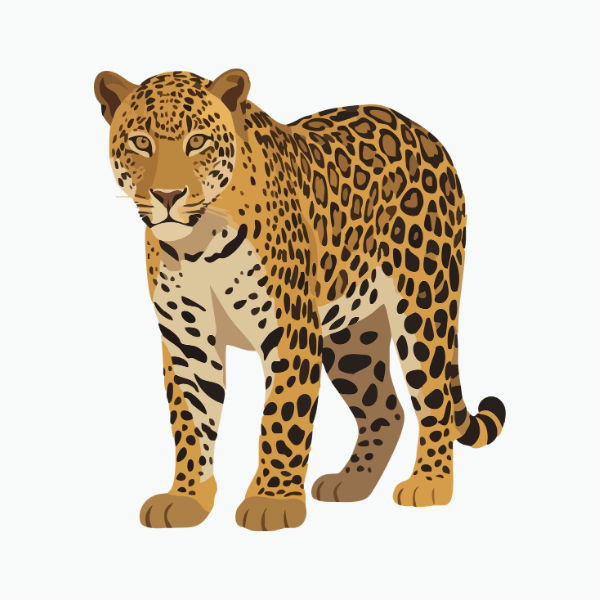
The Indian leopard is an adaptable leopard found across parts of the Indian subcontinent. It occupies forests, grasslands, rocky landscapes, plantations, and some areas close to human settlements. Its coat commonly ranges from golden to yellowish with dark rosettes, although individual patterns vary. Indian leopards have a broad diet and can adjust their hunting behavior to local conditions. Human-wildlife conflict remains an important conservation concern.
Javan Leopard
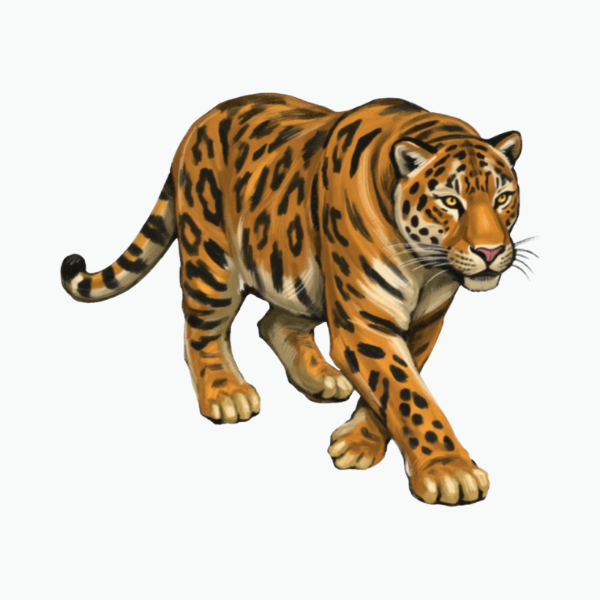
The Javan leopard is a leopard subspecies found only on the Indonesian island of Java. It inhabits remaining forests, mountainous areas, and other suitable landscapes where prey and cover are available. Some individuals show melanistic coloration, giving them a very dark appearance while retaining the characteristic leopard pattern beneath the fur. Habitat fragmentation and human development have contributed to its conservation challenges, making protection of remaining populations important.
Persian Leopard
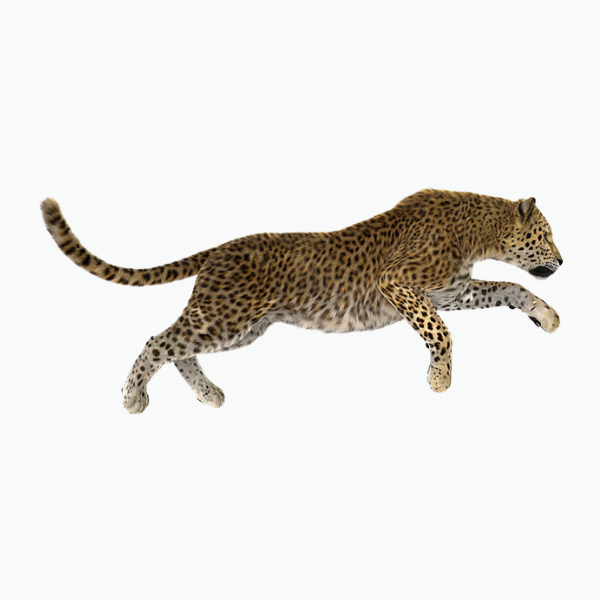
The Persian leopard is a large leopard form associated with mountainous regions of western and central Asia. Under current taxonomy, populations historically called Persian leopard are included within Panthera pardus tulliana. It favors rugged terrain, forests, and rocky landscapes where prey and shelter are available. Its range has declined because of habitat fragmentation, prey loss, and human pressures, and remaining populations require continued conservation attention.
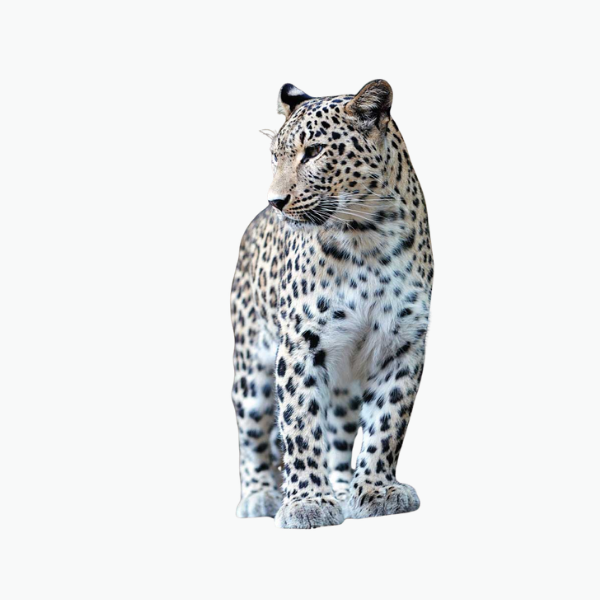
Sri Lankan Leopard
The Sri Lankan leopard is native exclusively to Sri Lanka and represents the island’s distinctive leopard population. It occurs in several environments, including forests, dry-zone habitats, and other areas supporting sufficient prey and cover. Like other leopards, it is generally solitary and opportunistic in its feeding habits. Its isolated island distribution gives it particular conservation importance, while habitat changes and human-related pressures remain ongoing concerns.
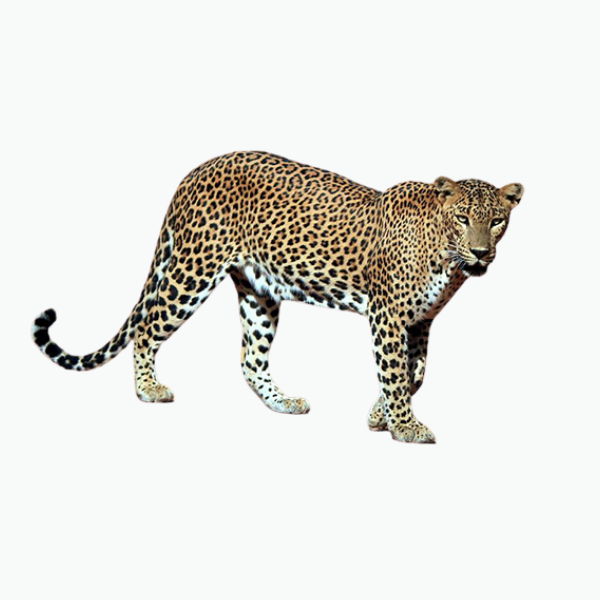
Indochinese Leopard
The Indochinese leopard is a leopard subspecies associated with mainland Southeast Asia. Historically, it occupied a much broader area, but its distribution has become increasingly fragmented. It is generally associated with forested landscapes and depends on adequate prey populations for survival. Habitat destruction, hunting, prey depletion, and human pressures have contributed to significant declines. The subspecies is now considered highly threatened across much of its remaining range.
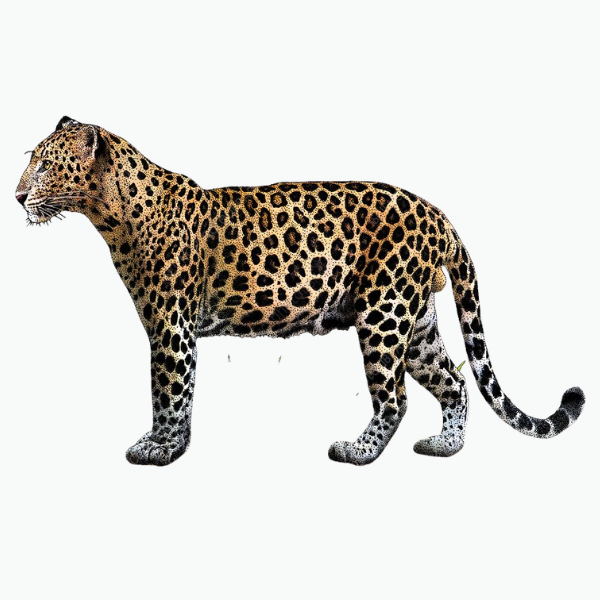
North Chinese Leopard
The North Chinese leopard is a name historically used for leopard populations in northern China, often classified as Panthera pardus japonensis. Modern leopard taxonomy does not universally recognize it as a separate subspecies. The current IUCN SSC Cat Specialist Group places japonensis within Panthera pardus orientalis. This classification difference explains why some older wildlife sources list the North Chinese leopard separately while newer references may not.
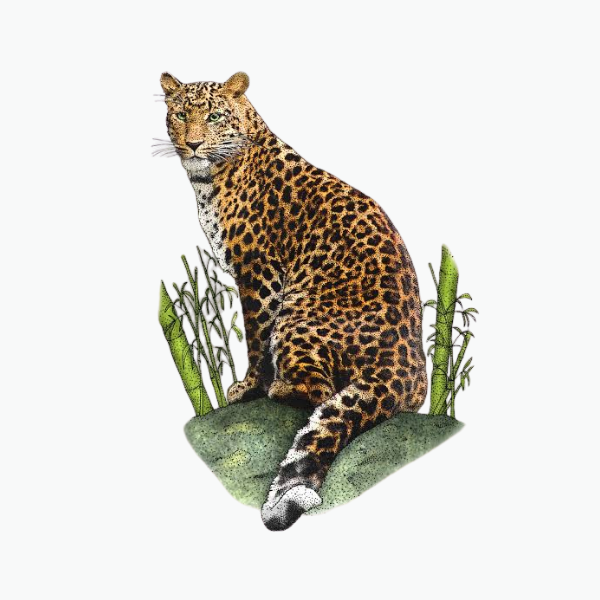
Sunda Clouded Leopard
The Sunda clouded leopard is not a true leopard and should not be included as a leopard subspecies. It is a separate wild cat species, Neofelis diardi, native to the islands of Borneo and Sumatra. Its large, cloud-shaped markings can make it look somewhat similar to a leopard, but its body structure, evolutionary history, and scientific classification are different. It is primarily associated with forest habitats and is an excellent climber.
Leopard Behavior and Social Life
Leopards are generally solitary and territorial. Adult females may remain with their cubs, but young eventually disperse as they mature.
Leopards communicate through scent marking, vocalizations, scratches, and other signs. Activity patterns vary according to habitat and local conditions. Many populations are most active from sunset through the night, while some populations, particularly in certain undisturbed forest environments, may be more active during daylight.
Although often described simply as strictly territorial, modern field research shows that leopards can sometimes tolerate considerable spatial overlap when resources are plentiful or when avoiding dangerous territorial conflicts is advantageous
More Animals Related Articles