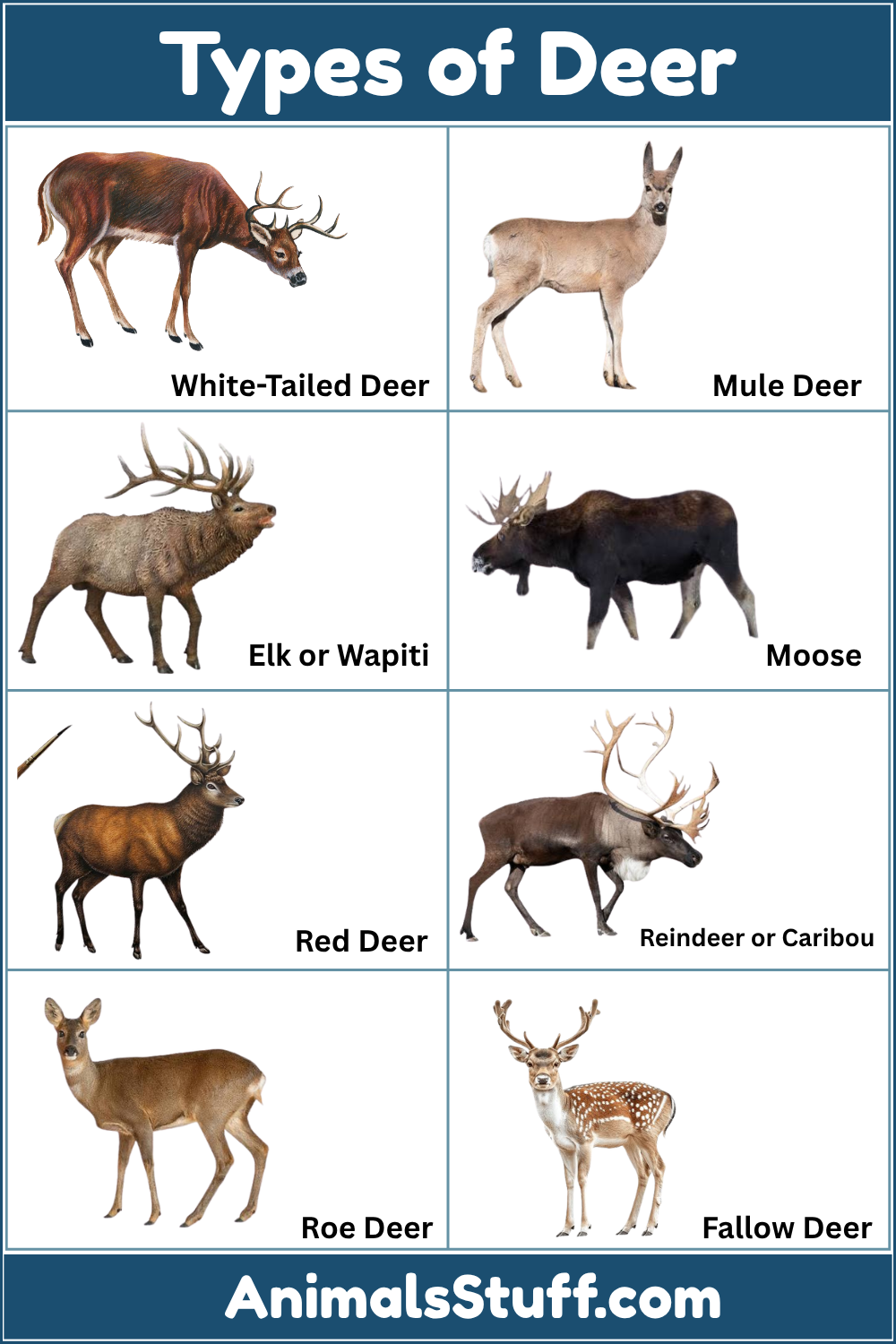
Deer Types 1 to 15
| Name | US IPA | Short Description |
|---|---|---|
| White-Tailed Deer | /ˌwaɪt ˈteɪld dɪr/ | A North and Central American deer recognized by its raised white tail and adaptable habitat preferences. |
| Mule Deer | /ˈmjuːl dɪr/ | A western North American deer with large ears, a dark forehead, and a black-tipped tail. |
| Red Deer | /ˈrɛd dɪr/ | A large deer native to parts of Europe and Asia, known for impressive male antlers. |
| Elk or Wapiti | /ˈɛlk/; /ˈwɑːpɪti/ | A large deer native to North America and parts of Asia, often living in herds. |
| Moose | /muːs/ | The largest living deer, with long legs, a broad muzzle, and enormous palmate antlers in males. |
| Reindeer or Caribou | /ˈreɪnˌdɪr/; /ˈkærɪˌbuː/ | A northern deer adapted to cold climates; both sexes commonly grow antlers. |
| Roe Deer | /ˈroʊ dɪr/ | A small European and Asian deer with a compact body and short, usually three-pointed male antlers. |
| Fallow Deer | /ˈfæloʊ dɪr/ | A medium-sized deer often showing white spots and broad, flattened antlers in adult males. |
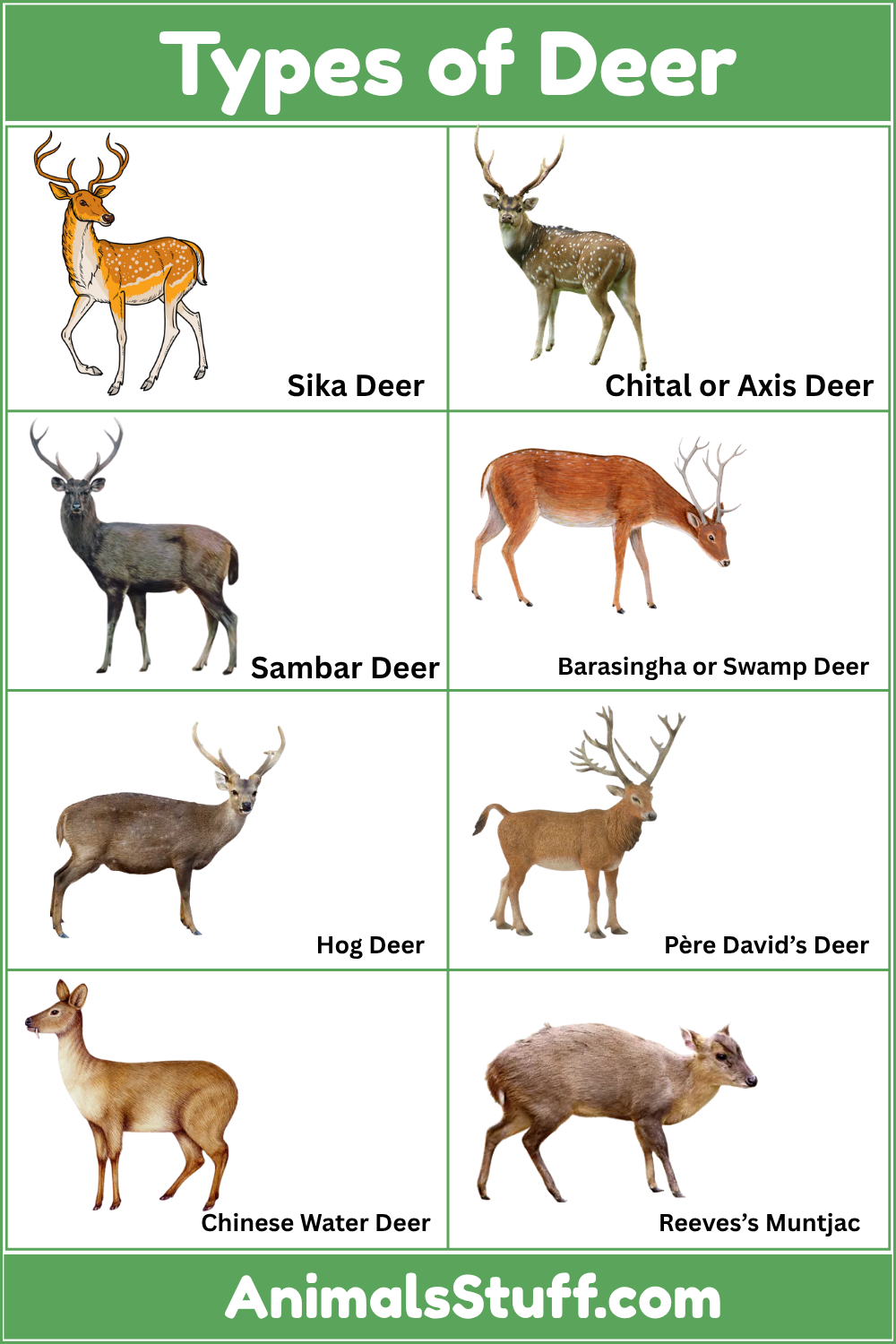
| Sika Deer | /ˈsiːkə dɪr/ | An East Asian deer that often retains white spots and produces a distinctive warning call. |
| Chital or Axis Deer | /ˈtʃɪtəl/; /ˈæksɪs dɪr/ | A spotted South Asian deer commonly found in open woodland, grassland, and forest edges. |
| Sambar Deer | /ˈsɑːmˌbɑːr dɪr/ | A large Asian deer with a dark coat that frequents forests and areas near water. |
| Barasingha or Swamp Deer | /ˌbɑːrəˈsɪŋɡə/; /ˈswɑːmp dɪr/ | A South Asian deer associated with marshes, floodplains, and grasslands, with many-tined male antlers. |
| Hog Deer | /ˈhɔːɡ dɪr/ | A small South Asian deer that often runs through vegetation with its head lowered. |
| Père David’s Deer | /ˌpɛr deɪˈvɪdz dɪr/ | A distinctive Chinese deer once extinct in the wild and maintained through conservation programs. |
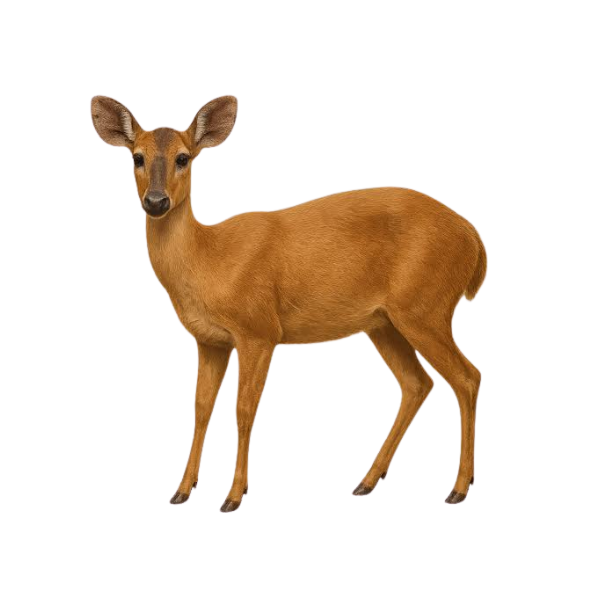
| Chinese Water Deer | /ˌtʃaɪˈniːz ˈwɔːtər dɪr/ | A small East Asian deer without antlers, known for the long canine teeth of adult males. |
Deer Types 16 to 30
| Name | US IPA | Short Description |
|---|---|---|
| Reeves’s Muntjac | /ˈriːvɪz ˈmʌntdʒæk/ | A small Asian deer with short antlers, facial markings, and prominent canine teeth in males. |
| Tufted Deer | /ˈtʌftɪd dɪr/ | An East Asian forest deer with a dark forehead tuft and small antlers in males. |
| White-Lipped Deer | /ˌwaɪt ˈlɪpt dɪr/ | A high-altitude Asian deer recognized by its pale muzzle and thick coat. |
| Eld’s Deer | /ˈɛldz dɪr/ | A threatened South and Southeast Asian deer historically associated with open grasslands and seasonal wetlands. |
| Sika’s Relative: Philippine Deer | /ˌfɪləˈpiːn dɪr/ | A forest-dwelling deer native to the Philippine islands, with regional populations affected by habitat loss. |
| Visayan Spotted Deer | /vɪˈsaɪən ˈspɑːtɪd dɪr/ | A rare Philippine deer with pale body spots, found naturally on a limited number of islands. |
| Calamian Deer | /kəˈlɑːmiən dɪr/ | A small deer native to the Calamian Islands of the Philippines, adapted to tropical island habitats. |
| Bawean Deer | /ˈbɑːweɪən dɪr/ | A rare Indonesian island deer with a compact body and a highly restricted natural range. |
| Marsh Deer | /ˈmɑːrʃ dɪr/ | South America’s largest deer species, associated with wetlands and seasonally flooded grasslands. |
| Pampas Deer | /ˈpæmpəs dɪr/ | A South American grassland deer with a slender body and a tan-colored coat. |
| Southern Pudu | /ˈsʌðərn ˈpuːduː/ | One of the world’s smallest deer, native to temperate forests of southern Chile and Argentina. |
| Northern Pudu | /ˈnɔːrðərn ˈpuːduː/ | A tiny Andean-region deer associated with dense vegetation and highland forest habitats. |
| Southern Andean Deer or Huemul | /ˈhjuːməl/ | A threatened South American deer that inhabits rugged Andean forests and mountain terrain. |
| Taruca or Northern Andean Deer | /təˈruːkə/ | A mountain deer of the Andes, adapted to steep slopes and high-altitude grasslands. |
| Red Brocket Deer | /ˈrɛd ˈbrɑːkɪt dɪr/ | A generally solitary Central and South American forest deer with reddish-brown fur and short antlers in males. |
Types of Deer in North America
White-Tailed Deer
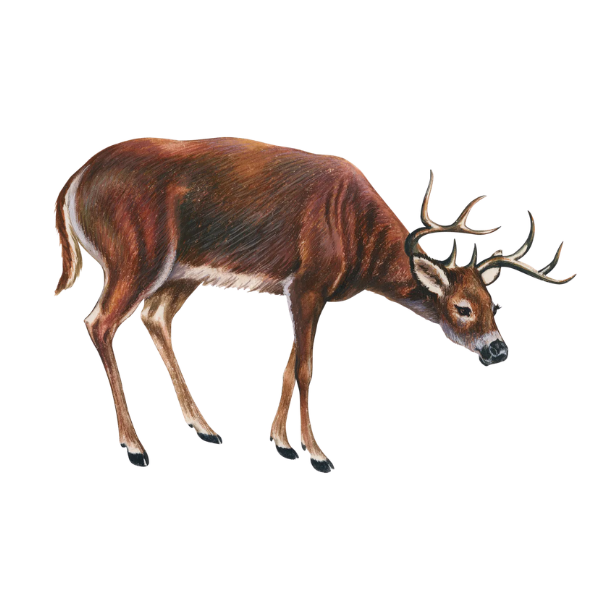
The white-tailed deer (Odocoileus virginianus) is widely distributed across North and Central America. Its most recognizable feature is the white underside of its tail, which becomes visible when the animal raises it while alarmed. Its coat usually changes from reddish-brown in warmer months to grayer brown in winter. White-tailed deer inhabit forests, farmland, scrub, and suburban landscapes.
Mule Deer
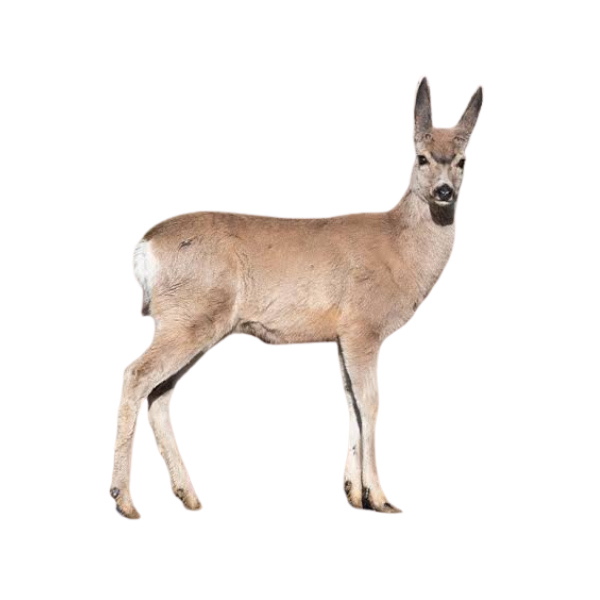
The mule deer (Odocoileus hemionus) occurs mainly in western North America, including dry scrublands, mountain foothills, forests, and open country. Its large ears inspired its common name, while its tail is narrower than that of the white-tailed deer and has a dark tip. Mule deer commonly browse shrubs, leaves, and young branches, especially where woody plants are abundant.
Elk or Wapiti
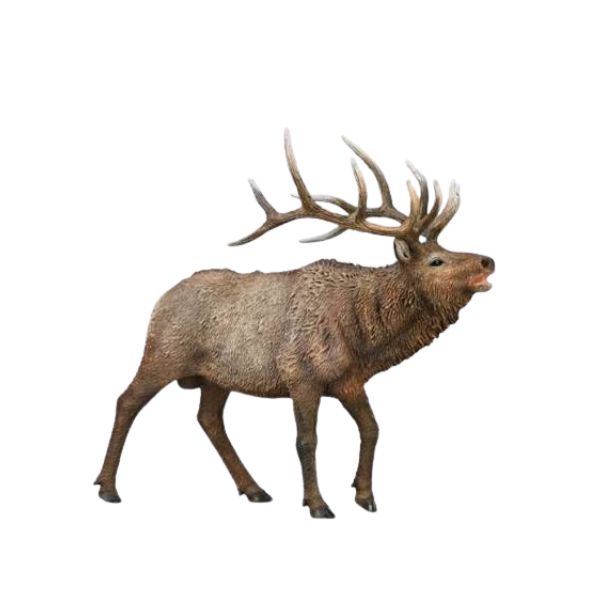
The elk, also called wapiti (Cervus canadensis), is a large deer native to North America and parts of Asia. It has a tan or light-brown body, a darker neck, and a pale rump. Adult males grow large branching antlers that are shed and regrown each year. Elk use forests, meadows, mountain slopes, and open grasslands, often moving between habitats with the seasons.
Moose
The moose (Alces americanus in some modern taxonomies; Alces alces in other widely used classifications) is the largest living member of the deer family. It has long legs, a heavy body, a broad overhanging muzzle, and a flap of skin called a bell beneath the throat in many males. Mature males develop broad, flattened antlers. 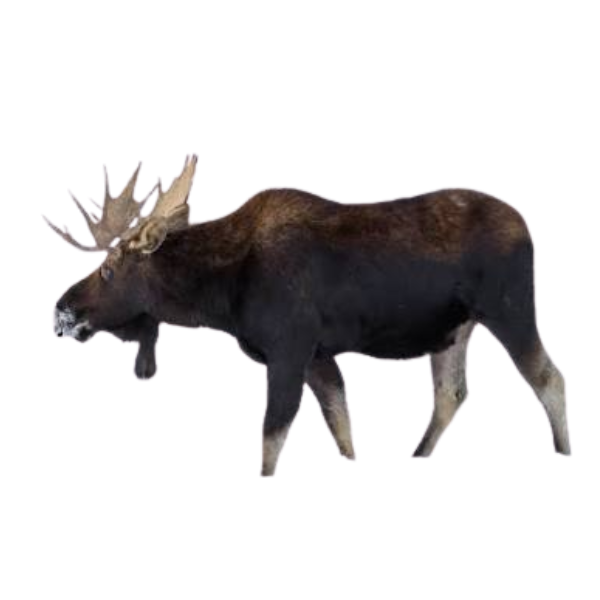
Types of Deer in Europe and Northern Asia
Red Deer
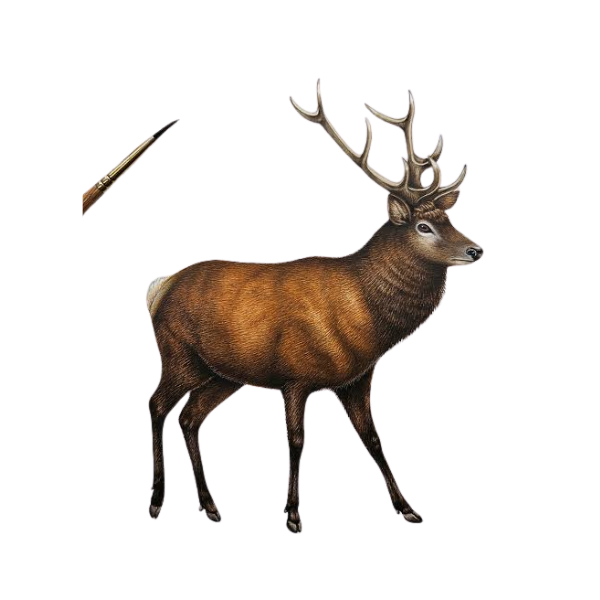
The red deer (Cervus elaphus) is native to parts of Europe and Asia and has also been introduced to other regions. Adults generally have reddish-brown summer coats that become duller in winter. Mature males, called stags, grow large branched antlers and may compete with rivals during the breeding season. Red deer use forests, woodland edges, open moors, and grasslands, depending on the region. Their diet includes grasses, herbs, leaves, and woody browse.
Reindeer or Caribou
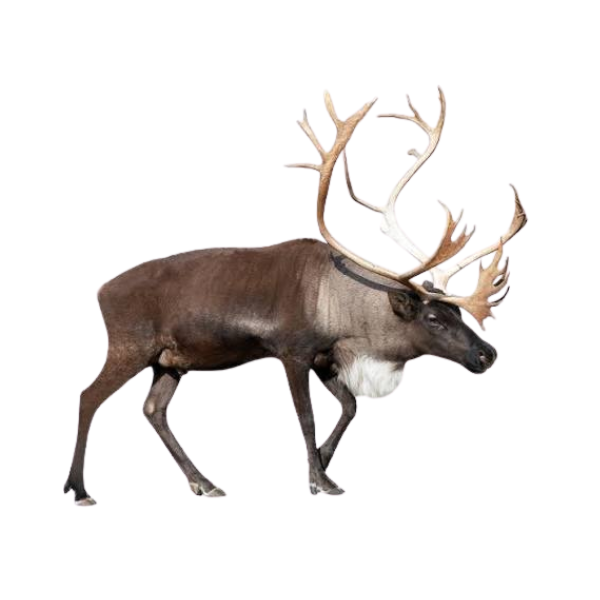
Reindeer and caribou belong to the same species, Rangifer tarandus. “Reindeer” is commonly used for Eurasian and domesticated populations, while “caribou” is widely used for wild North American populations. These deer are adapted to cold northern environments, including tundra and boreal forests. Both males and females can grow antlers, although timing and size differ by sex and population.
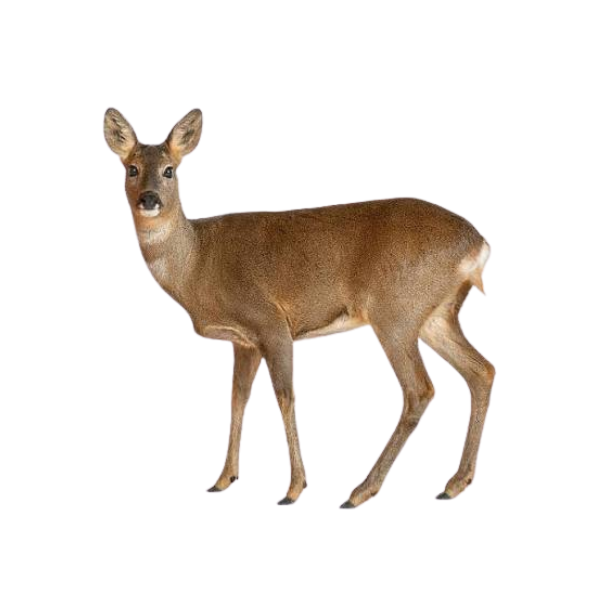
Roe Deer
The European roe deer (Capreolus capreolus) is a relatively small deer found across much of Europe and parts of western Asia. It has a short body, slender legs, and a reddish coat in summer that becomes grayer during colder months. Adult males usually grow short antlers with a few points. Roe deer favor woodland edges, hedgerows, scrub, and fields where cover and feeding areas lie close together. They browse herbs, leaves, shoots, and other vegetation.
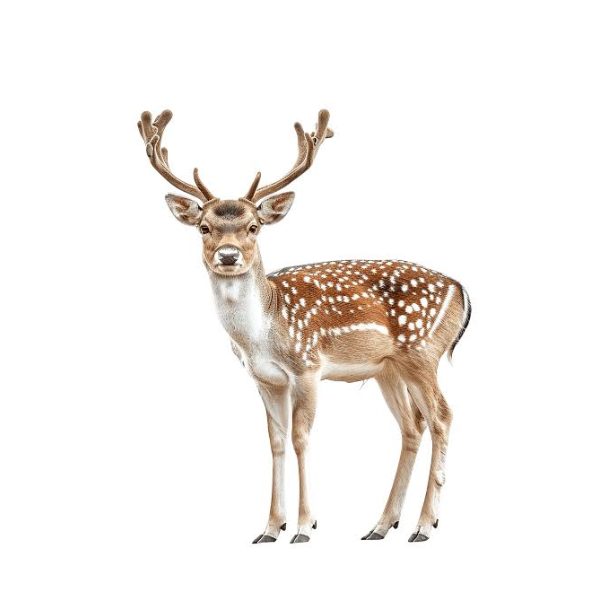
Fallow Deer
The fallow deer (Dama dama) is native to parts of the eastern Mediterranean region and has been introduced widely elsewhere. Its coat varies considerably: some animals are spotted in summer, while others are darker, paler, or nearly white. Adult males have distinctive flattened, shovel-shaped antlers. Fallow deer commonly inhabit mixed woodland, parkland, grassland, and open forest edges.
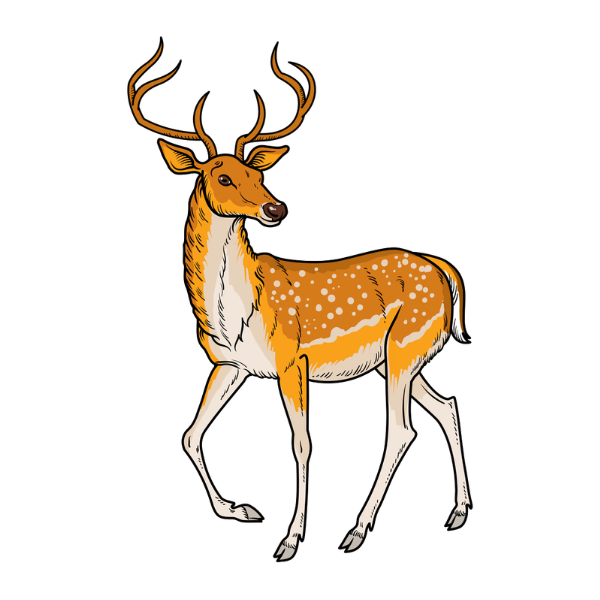
Sika Deer
The sika deer (Cervus nippon) is native to East Asia and has established introduced populations in several other countries. Its coat is often reddish-brown with pale spots in summer, becoming darker and less spotted in winter. Adult males grow antlers and can produce loud calls during the breeding season.
Types of Deer in South and East Asia
Chital or Axis Deer
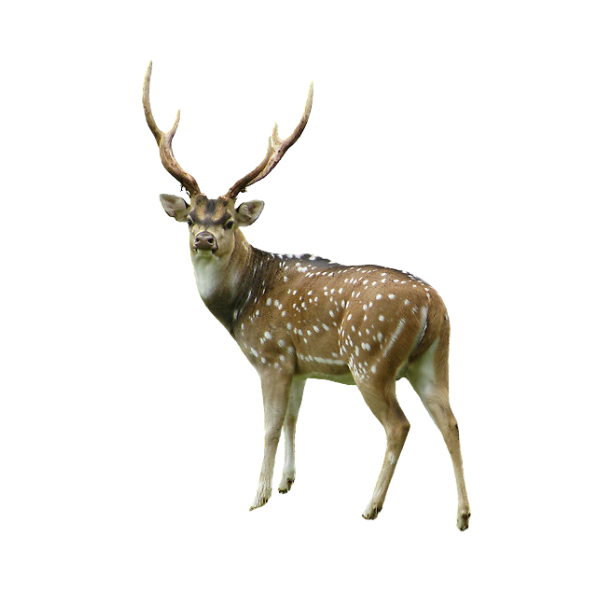
The chital (Axis axis), also known as the axis or spotted deer, is native to the Indian subcontinent. Its chestnut coat is marked with white spots that usually remain visible throughout adulthood, making it easier to identify than many other deer. Chital commonly live in herds in open forests, grasslands, and areas near water. They feed on grasses, leaves, fallen fruit, and other plant material. Adult males grow antlers with several points.
Sambar Deer
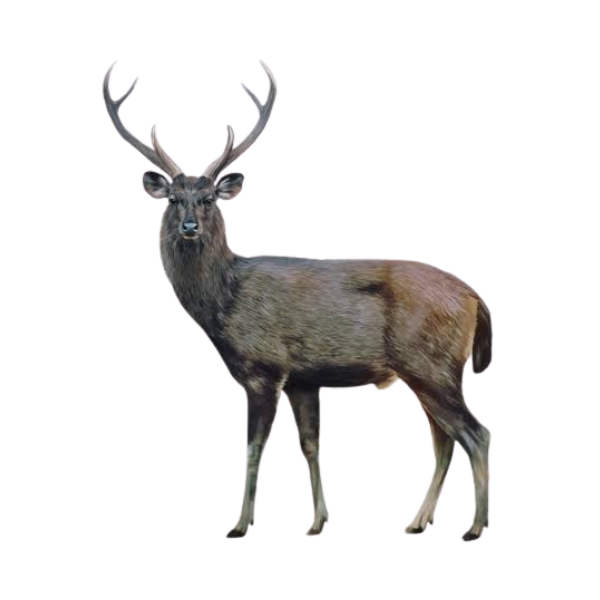
The sambar (Rusa unicolor) is a large deer native to South and Southeast Asia. Its coat is generally dark brown, sometimes with a rough mane around the neck, and adult males carry strong antlers. Sambar inhabit tropical and subtropical forests, scrub, and wooded areas near streams or marshes. They are most active in low-light periods in many areas and may remain hidden in dense cover during the day. Their diet includes leaves, grasses, shoots, and fruit.
Barasingha or Swamp Deer
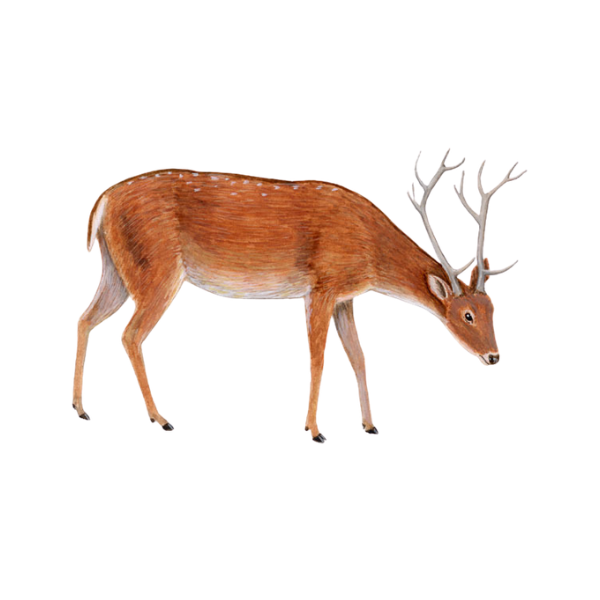
The barasingha, or swamp deer (Rucervus duvaucelii), is native to parts of the Indian subcontinent. Its common name refers to the many points that can develop on an adult male’s antlers. The species is associated with marshes, floodplains, wet grasslands, and some drier grassland habitats, depending on the population.
Hog Deer
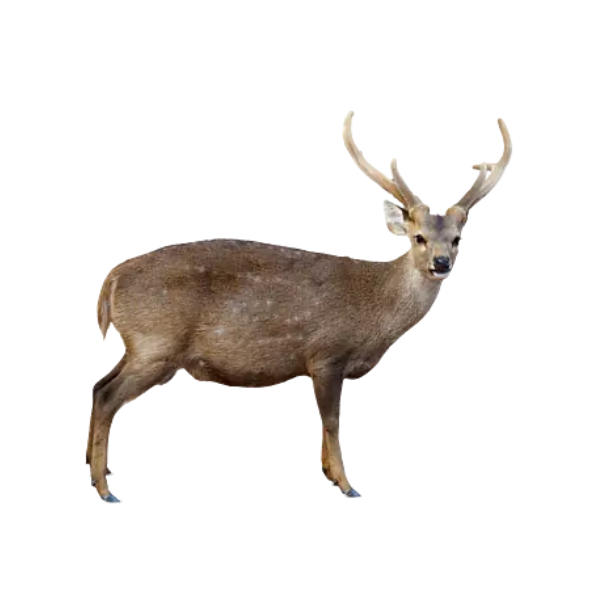
The hog deer (Axis porcinus) is a small deer found in parts of South Asia and mainland Southeast Asia. It has a stocky body, relatively short legs, and a brown coat that may become darker during winter. Its name relates to its tendency to run through dense vegetation with its head lowered, rather than leaping over obstacles like some other deer.
Père David’s Deer
Père David’s deer (Elaphurus davidianus) originated in China and has an unusual conservation history: it disappeared from the wild before later reintroduction efforts. It has long legs, a relatively long tail, and antlers with a distinctive branching pattern. The species is associated with marshes, floodplains, and grasslands, and it feeds on grasses and aquatic vegetation. Modern populations descend from animals maintained in captivity and managed reserves.
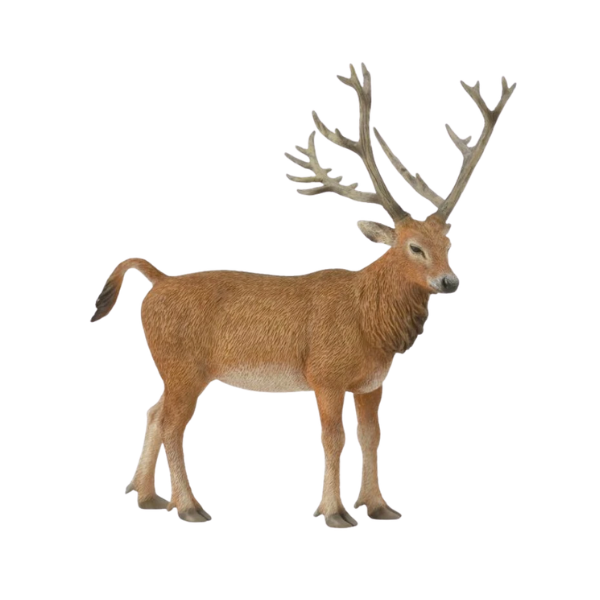
Chinese Water Deer
The Chinese water deer (Hydropotes inermis) is a small deer native to eastern China and Korea, with introduced populations in parts of Europe. Unlike almost all other living deer, it does not grow antlers. Adult males instead have long upper canine teeth that protrude from the mouth and can be used in male-to-male competition.
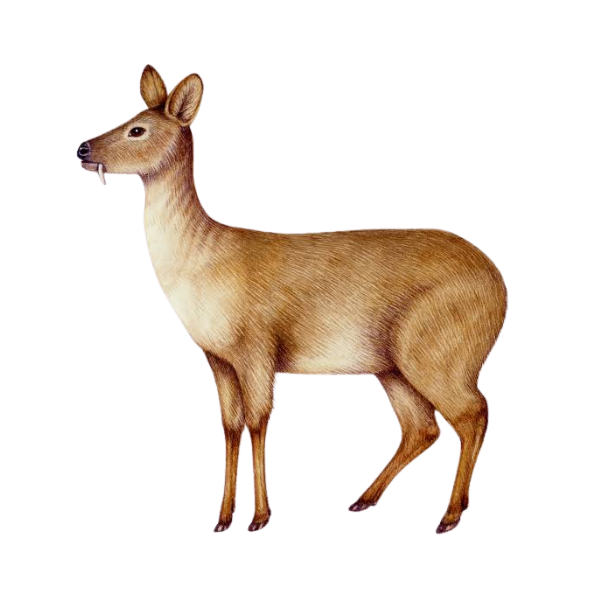
Reeves’s Muntjac
Reeves’s muntjac (Muntiacus reevesi) is a small deer native to China and Taiwan and introduced in some other regions. It has a compact body, short antlers in males, and conspicuous facial markings. Males also possess elongated canine teeth that may be visible below the upper lip. Muntjacs often use dense woodland, scrub, and forest edges, feeding on leaves, shoots, fruit, and other plant material.
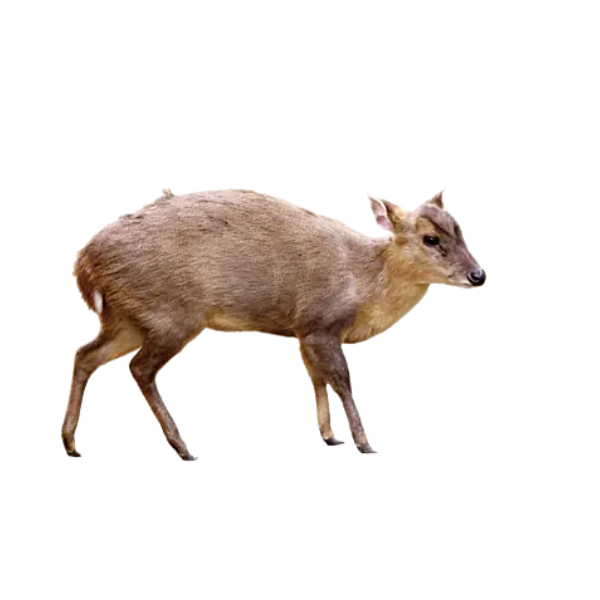
Tufted Deer
The tufted deer (Elaphodus cephalophus) is a small forest deer native to parts of China and neighboring areas of Southeast Asia. Its most distinctive feature is a dark tuft of hair on the forehead, which can partly conceal the small antlers of males. Long canine teeth may also protrude from the mouth. Tufted deer prefer dense mountain forests and thick undergrowth, where their dark coats provide camouflage.
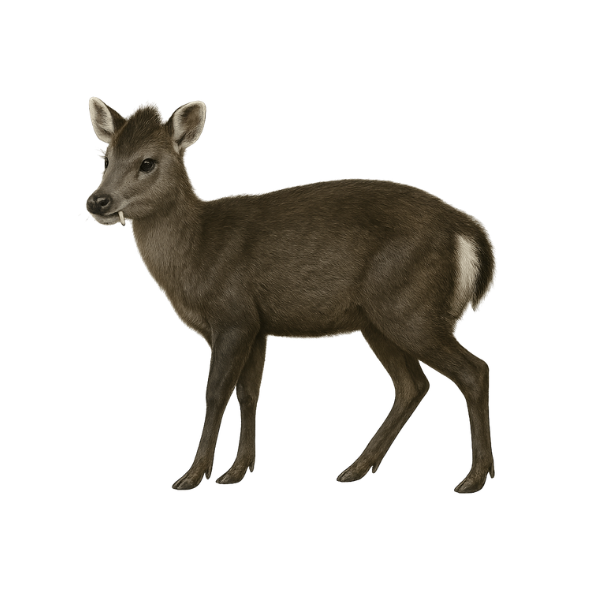
White-Lipped Deer
The white-lipped deer (Cervus albirostris), also called Thorold’s deer, is native to high-altitude regions of the Tibetan Plateau and nearby areas. Its thick coat helps it cope with cold conditions, while the pale muzzle gives the species its common name. Adult males grow large antlers. White-lipped deer use alpine meadows, open slopes, and forest edges, feeding on grasses and other plants available at high elevations.
Eld’s Deer
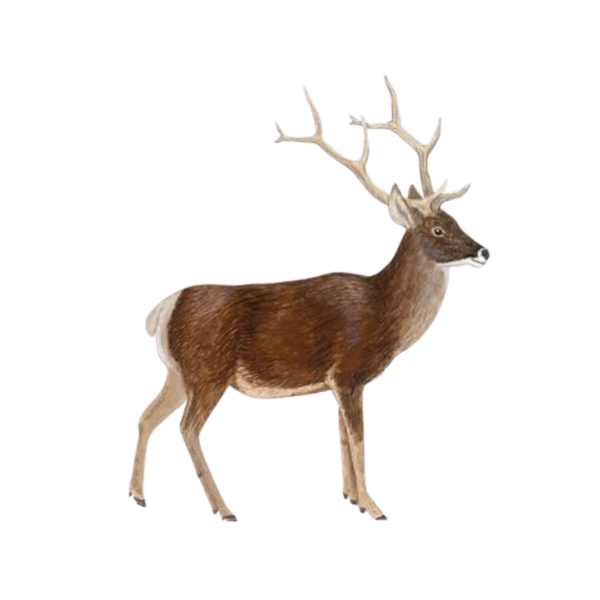
Eld’s deer (Rucervus eldii) is a threatened deer of South and Southeast Asia, historically associated with open grasslands, woodland edges, and seasonal wetlands. Adult males have long, curved antlers with branching tines, while the body is relatively slender. Its remaining populations are fragmented, and habitat loss and hunting have contributed to its decline. Eld’s deer feed on grasses, leaves, and other vegetation.
Philippine Deer
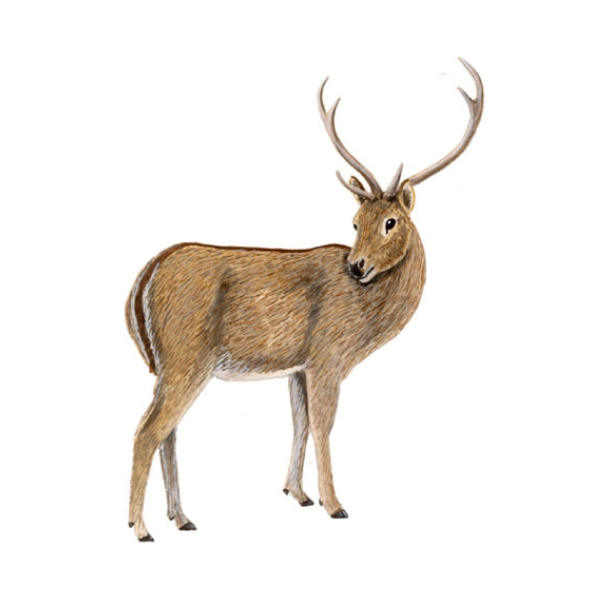
The Philippine deer (Rusa marianna) is native to the Philippines, where it inhabits forests, grasslands, and forest edges across parts of the archipelago. Its coat is generally brown, and adult males grow antlers. The species’ appearance and size can vary between populations and islands. It feeds on grasses, leaves, shoots, and other available vegetation, often foraging in areas that provide nearby cover. Habitat loss, hunting, and the fragmentation of island populations are important conservation concerns.
Visayan Spotted Deer
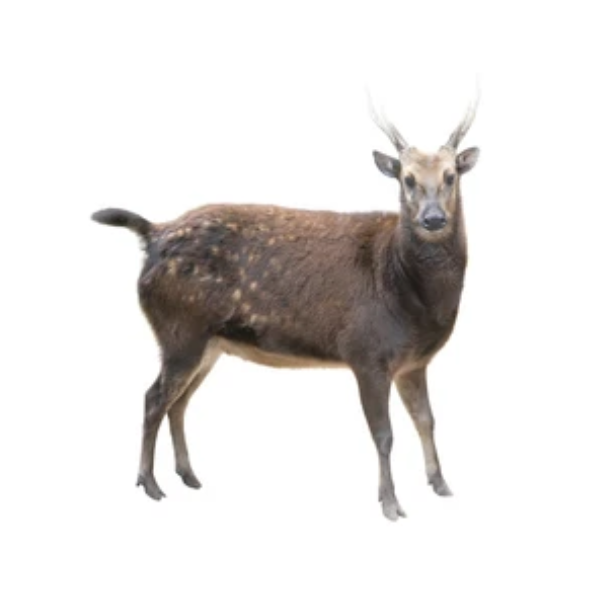
The Visayan spotted deer (Rusa alfredi) is a rare deer native to the Philippine islands of Negros and Panay. Its dark brown coat carries pale spots, particularly noticeable along the back and sides. The spots help distinguish it from other regional deer. It inhabits forested areas and depends on suitable vegetation for food and cover.
Calamian Deer
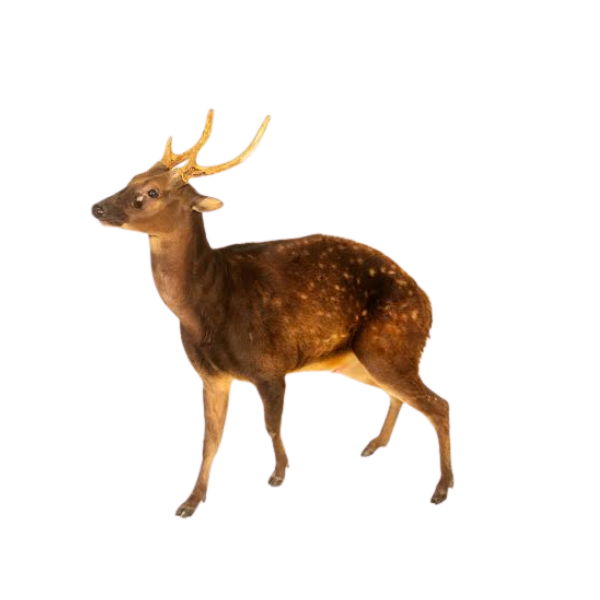
The Calamian deer (Axis calamianensis) is a small deer native to the Calamian Islands in the Philippines. It has a brown coat and a compact body suited to moving through island vegetation. The species uses a mixture of forest, scrub, and open habitats, depending on the availability of cover and food. It browses on leaves, shoots, grasses, and other plants.
Bawean Deer
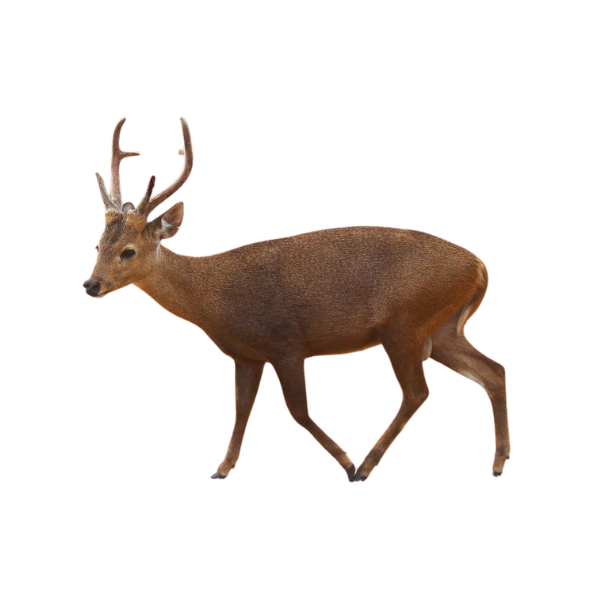
The Bawean deer (Axis kuhlii) is a rare species found naturally on Bawean Island in Indonesia. It is relatively small, with a brown coat and a compact build; males grow antlers. The deer uses forest and areas of dense vegetation where it can find food and shelter. Its restricted geographic range makes it particularly sensitive to habitat changes, hunting, and other human pressures.
Types of Deer in South America
Marsh Deer
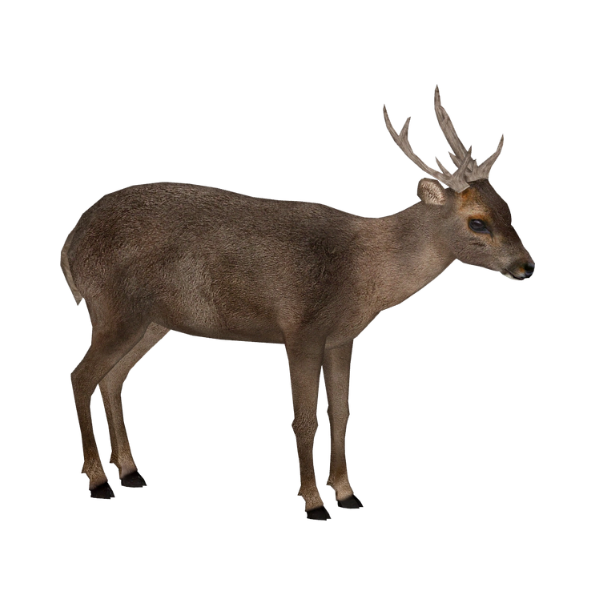
The marsh deer (Blastocerus dichotomus) is the largest deer species in South America. It has long legs, reddish-brown fur, and dark lower legs, with broad, branching antlers in adult males. It is strongly associated with wetlands, marshes, floodplains, and seasonally inundated grasslands across parts of central South America. Its long legs help it move through shallow water and wet vegetation. Marsh deer eat aquatic plants, grasses, and other vegetation.
Pampas Deer
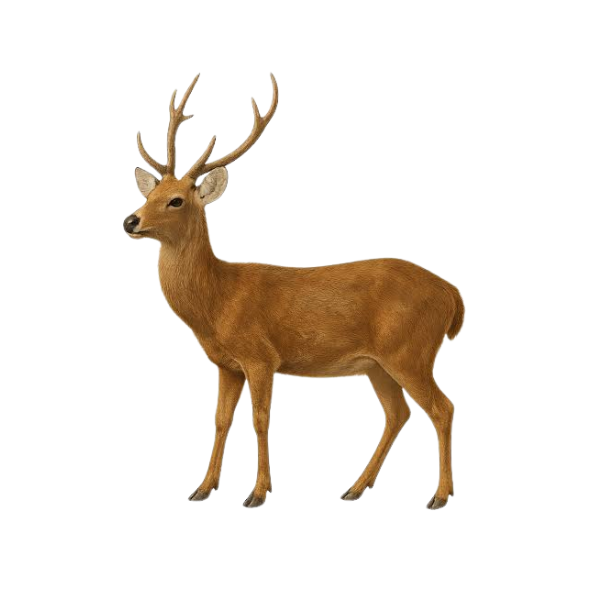
The pampas deer (Ozotoceros bezoarticus) is native to South American grasslands, including parts of Argentina, Brazil, Uruguay, and surrounding regions. It has a slender build, long legs, and a tan or yellowish-brown coat. Adult males grow antlers, usually with several points. Pampas deer rely on open grassland and other lightly vegetated habitats, where they feed on grasses, herbs, and other low-growing plants.
Southern Pudu
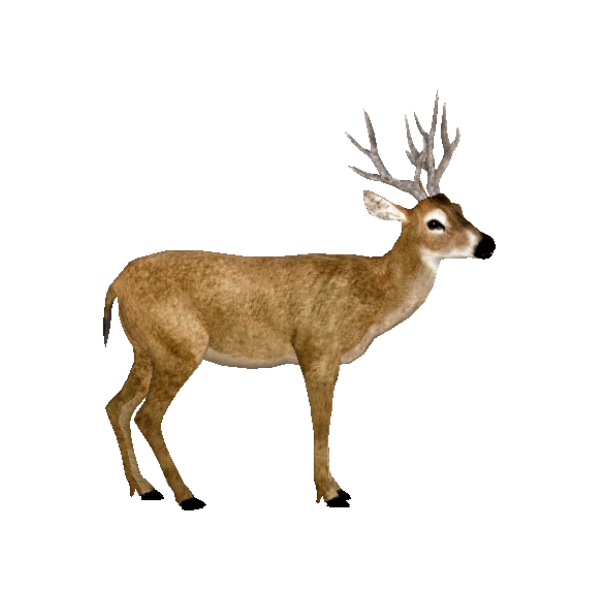
The southern pudu (Pudu puda) is one of the smallest deer species in the world. It lives in temperate forests of southern Chile and southwestern Argentina, where dense vegetation offers food and shelter. Its short legs, small body, and reddish-brown coat help it move through thick undergrowth. Males grow small, unbranched antlers. Southern pudus feed on leaves, shoots, fruit, and other plant material close to the ground.
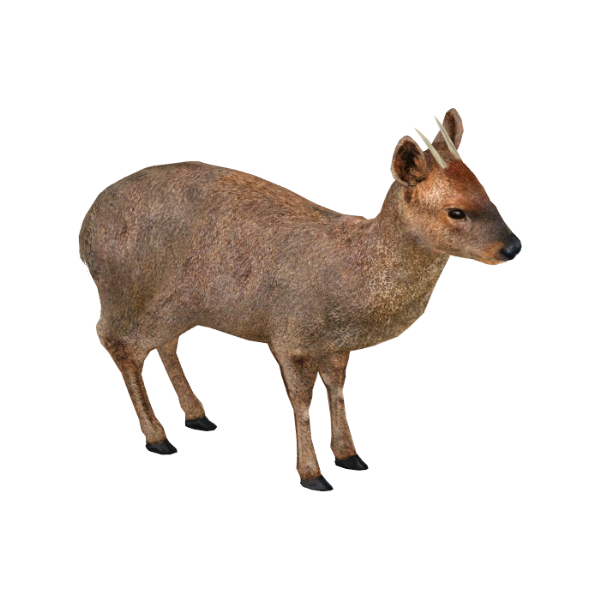
Northern Pudu
The northern pudu (Pudu mephistophiles) is a very small deer associated with Andean forests and highland habitats in northwestern South America. Its compact body and short legs help it navigate thick vegetation and uneven terrain. Males grow small antlers, while the coat is generally brown and can vary with local conditions. Northern pudus browse on leaves, shoots, and other plant material found in forest undergrowth.
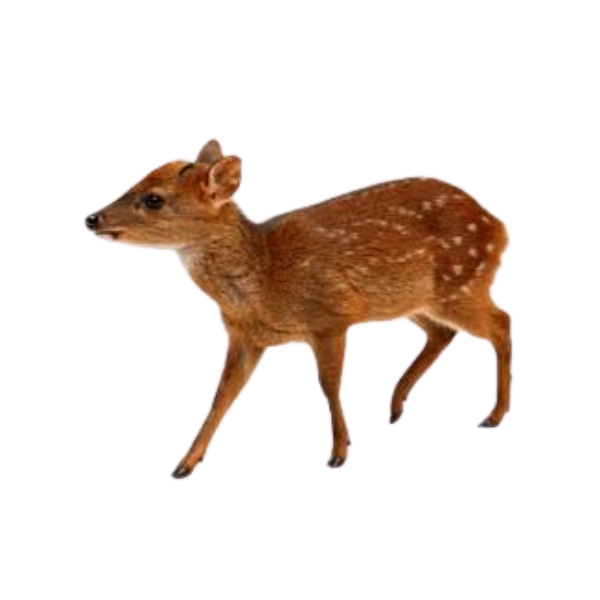
Southern Andean Deer or Huemul
The huemul (Hippocamelus bisulcus) is a threatened deer native to the southern Andes of Chile and Argentina. It has a sturdy body, relatively short legs, and a gray-brown coat that helps it blend into mountain vegetation. Males grow short antlers. Huemuls use rugged slopes, forest edges, and open mountain habitats, depending on the season and region.
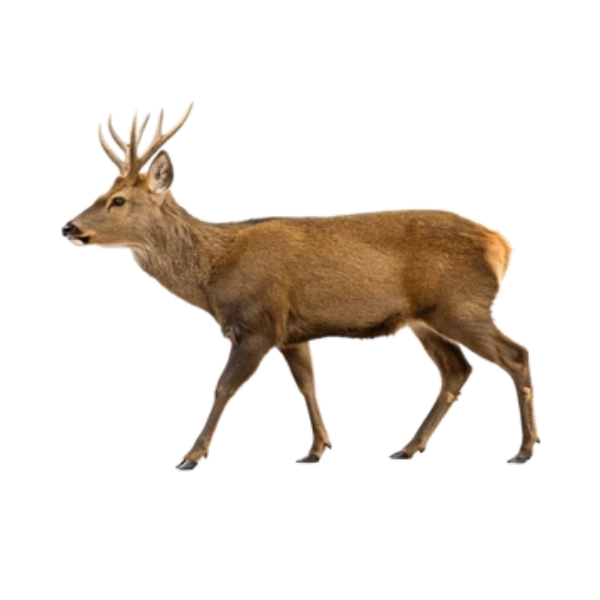
Taruca or Northern Andean Deer
The taruca (Hippocamelus antisensis) is a mountain deer native to the Andes of western South America. It lives in high-altitude grasslands, rocky slopes, and shrub-covered terrain, where it feeds on grasses and other vegetation. Its grayish-brown coat offers camouflage among rocks and dry mountain plants. Adult males grow antlers, generally with a limited number of branches. Tarucas often move across steep terrain and may form small groups.
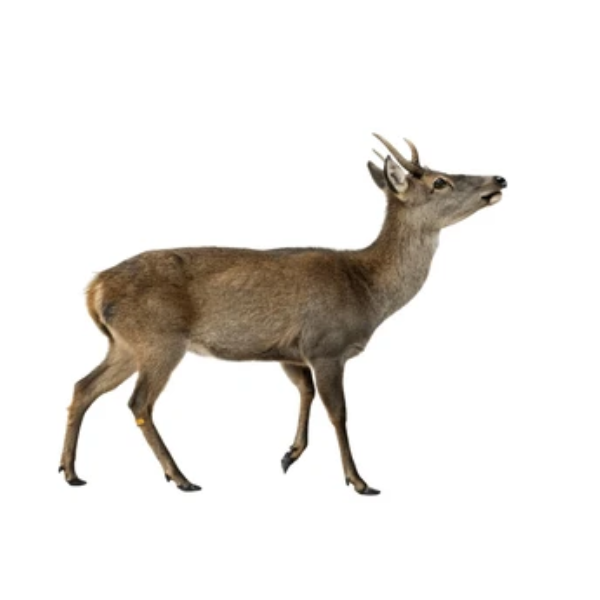
Red Brocket Deer
The red brocket deer belongs to a group of small, generally forest-dwelling deer native to Central and South America. Red brockets are commonly described as having reddish-brown coats, short legs, and small, unbranched antlers in adult males. Their exact species identity and range should be checked carefully because “red brocket” has been applied to more than one taxon in older references.
Frequently Asked Questions About Deer Types
How many types of deer are there?There are dozens of living deer species in the family Cervidae. The exact number depends on the taxonomic reference and how researchers classify closely related populations. This guide covers 30 representative species and common-name groups rather than claiming to list every deer species.
What is the largest type of deer?The moose is generally recognized as the largest living member of the deer family. Its long legs, heavy body, broad muzzle, and large antlers in males distinguish it from most other deer.
What is the smallest type of deer?Pudus are among the smallest deer in the world. The southern pudu and northern pudu are separate species, each associated with forested habitats in South America.
Animals related more articles