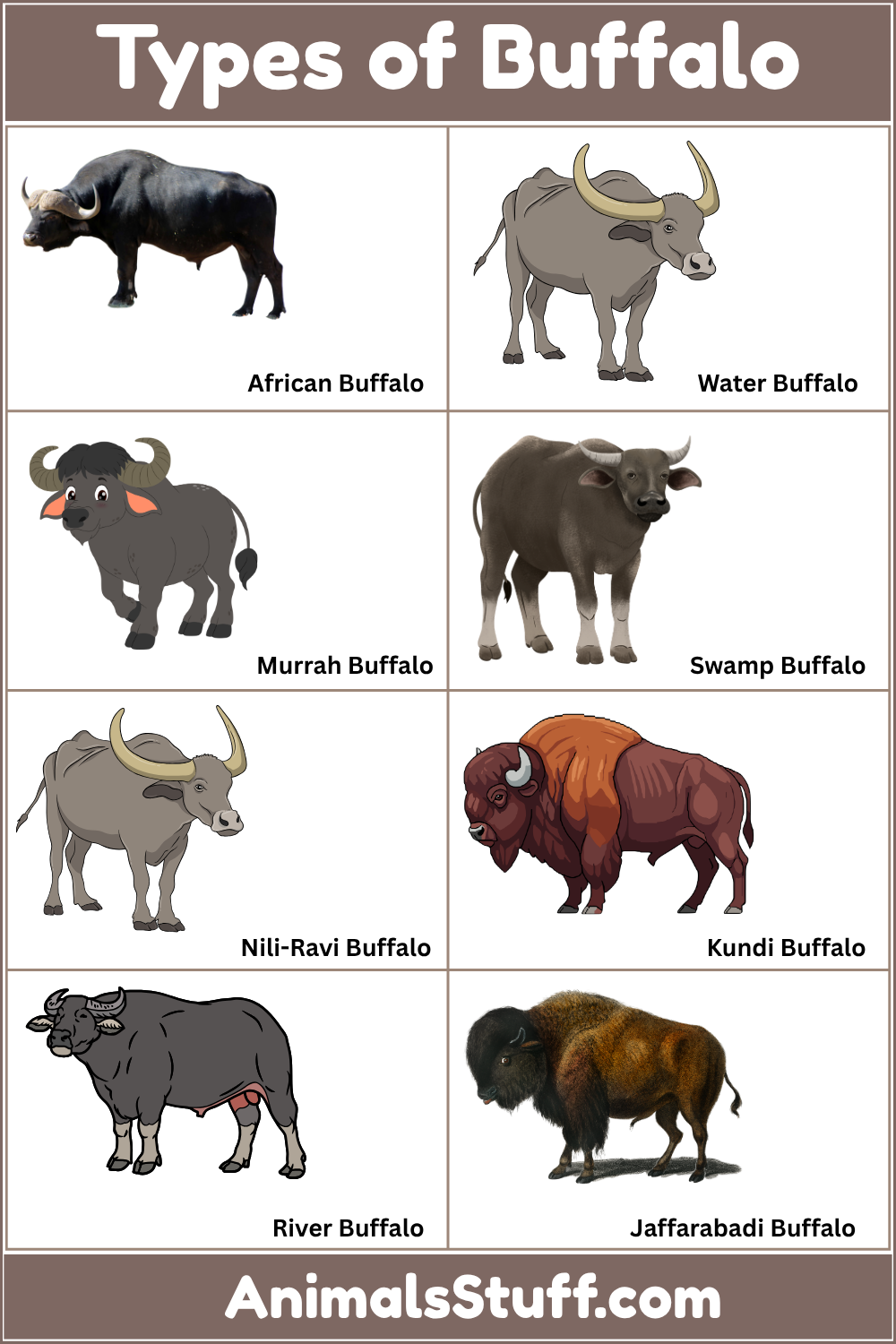
Buffalo Types with Pictures and Names
| Name | US IPA | Short Description |
|---|---|---|
| African Buffalo | /ˈæfrɪkən ˈbʌfəloʊ/ | A powerful wild bovine native to sub-Saharan Africa, known for its curved horns and herd behavior. |
| Water Buffalo | /ˈwɔtər ˈbʌfəloʊ/ | An Asian bovine domesticated widely for milk, meat, and agricultural work in many farming communities. |
| River Buffalo | /ˈrɪvər ˈbʌfəloʊ/ | A domestic water buffalo type primarily raised for milk production, especially in South Asia and the Mediterranean region. |
| Swamp Buffalo | /ˈswɑmp ˈbʌfəloʊ/ | A domestic water buffalo type traditionally used for farm work in parts of Southeast and East Asia. |
| Murrah Buffalo | /ˈmʊrə ˈbʌfəloʊ/ | A well-known dairy breed from India, recognized for its black coat and tightly curled horns. |
| Nili-Ravi Buffalo | /ˈnɪli ˈrɑvi ˈbʌfəloʊ/ | A major dairy breed from the Punjab region, often displaying distinctive white markings on its face and legs. |
| Kundi Buffalo | /ˈkʊndi ˈbʌfəloʊ/ | A dairy buffalo breed associated with Sindh, Pakistan, commonly recognized by its dark coat and curled horns. |
| Jaffarabadi Buffalo | /ˌdʒæfəˈrɑːbədi ˈbʌfəloʊ/ | A large Indian dairy breed from Gujarat, known for its heavy body and broad, drooping horns. |
| Surti Buffalo | /ˈsʊrti ˈbʌfəloʊ/ | An Indian dairy breed from Gujarat, typically medium-sized with crescent-shaped horns and a dark coat. |
| Mehsana Buffalo | /meɪˈsɑːnə ˈbʌfəloʊ/ | A dairy breed from Gujarat, developed through breeding involving regional buffalo populations, including Murrah and Surti. |
| Bhadawari Buffalo | /ˌbɑːdəˈwɑːri ˈbʌfəloʊ/ | An Indian buffalo breed traditionally valued for milk with a relatively high fat content. |
| Nagpuri Buffalo | /nɑːɡˈpʊri ˈbʌfəloʊ/ | A hardy Indian breed from Maharashtra, adapted to local conditions and used for milk and agricultural purposes. |
| Pandharpuri Buffalo | /ˌpændərˈpʊri ˈbʌfəloʊ/ | A Maharashtra breed recognized for its notably long, curved horns and use in local dairy farming. |
| Toda Buffalo | /ˈtoʊdə ˈbʌfəloʊ/ | A traditional breed associated with the Toda people and the Nilgiri Hills of southern India. |
| Carabao | /ˌkærəˈbaʊ/ | A swamp-type water buffalo important in the Philippines, historically used for pulling loads and working rice fields. |
Where Do Buffaloes Live?
- African buffaloes live in parts of sub-Saharan Africa, including suitable savannas, grasslands, and wooded habitats where water and forage are available.
- Domestic water buffaloes are widespread across Asia and have also been introduced to other regions for livestock production.
- River buffaloes are particularly common in South Asian dairy systems, including Pakistan and India.
- Swamp buffaloes are strongly associated with East and Southeast Asian farming systems, including rice-growing areas.
15 Types of Buffalo with Pictures
1. African Buffalo
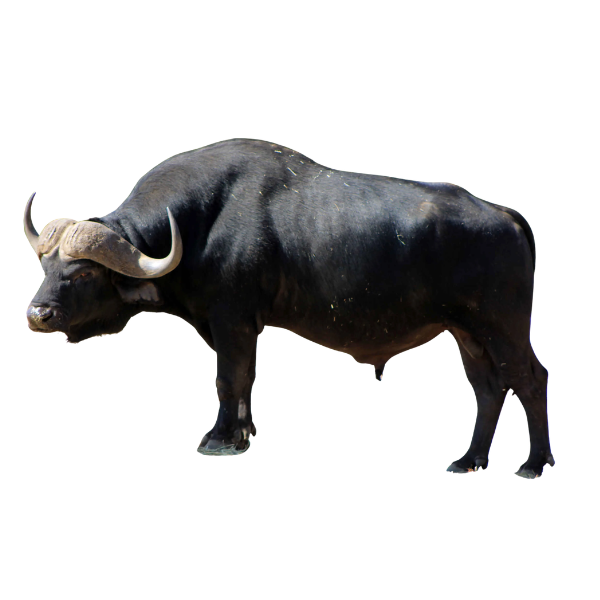
The African buffalo (Syncerus caffer) is a wild bovine native to sub-Saharan Africa. It has a muscular body, dark coat, strong legs, and large horns that can form a thick boss across the forehead, particularly in adult males. African buffaloes live in habitats ranging from savannas and grasslands to wooded areas, depending on the population. They feed mainly on grasses and other vegetation. Unlike domestic water buffaloes, they are not generally farm animals and can be dangerous when approached.
2. Water Buffalo
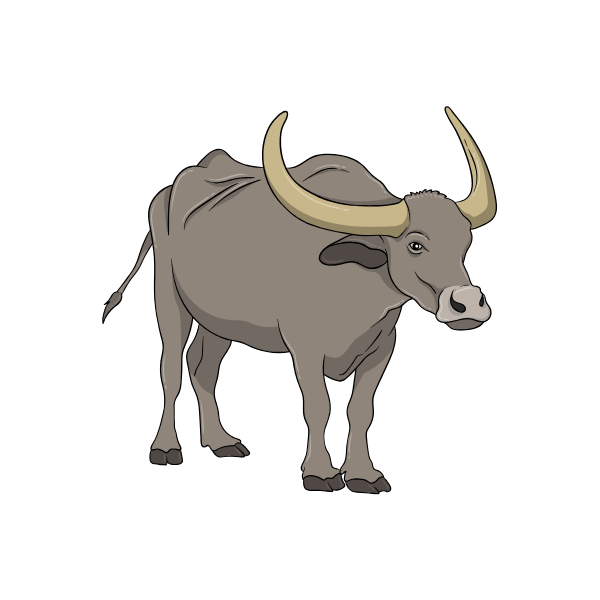
The domestic water buffalo (Bubalus bubalis) originated in Asia and is now raised in many countries. It has a large body, broad muzzle, and horns whose shapes vary by breed. Water buffaloes are especially important in South Asian dairy farming, where their milk is used for drinking and making products such as yogurt and cheese. Depending on the population and management system, they may also provide meat and draft power. The term includes different domestic types and numerous breeds rather than one uniform-looking animal.
3. River Buffalo
River buffaloes are one of the two main types of domestic water buffalo. They are particularly important in India, Pakistan, and other dairy-producing regions. Many river buffalo populations have been selected for milk production, and recognized breeds include Murrah, Nili-Ravi, Kundi, and Jaffarabadi. Their horns vary considerably in shape and size between breeds. River buffaloes are often managed in herds on farms and need suitable feed, clean water, shade, and veterinary care to maintain their health and productivity.
4. Swamp Buffalo
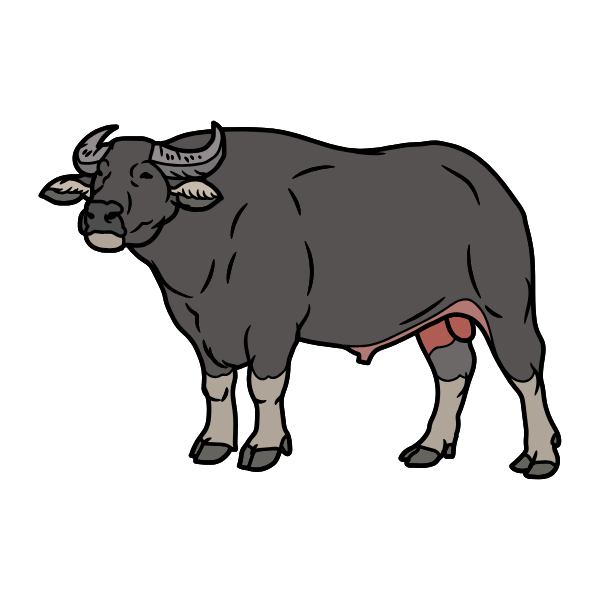
Swamp buffaloes are traditionally associated with East and Southeast Asia. Compared with specialized dairy river buffaloes, they are generally raised more for draft work and mixed farming, although local uses differ. They have commonly been used to pull carts, plough wet fields, and transport agricultural loads. The carabao of the Philippines is a familiar example of a swamp-type buffalo. These animals benefit from access to water or wallowing areas, especially in hot weather, along with adequate feed and shelter.
5. Murrah Buffalo
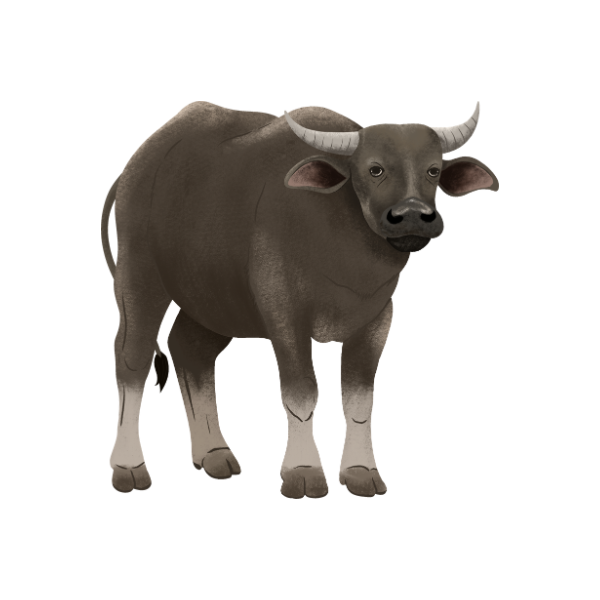
The Murrah is one of the best-known dairy buffalo breeds, originating mainly in the Indian state of Haryana and neighboring areas. It usually has a black coat, a compact but heavy body, and short horns that curl tightly backward and upward. Farmers value Murrah buffaloes for their milk production, although actual yield depends on genetics, nutrition, health, and management. The breed has also been introduced into other countries for dairy improvement. It is a breed of domestic water buffalo, not a separate wild species.
6. Nili-Ravi Buffalo
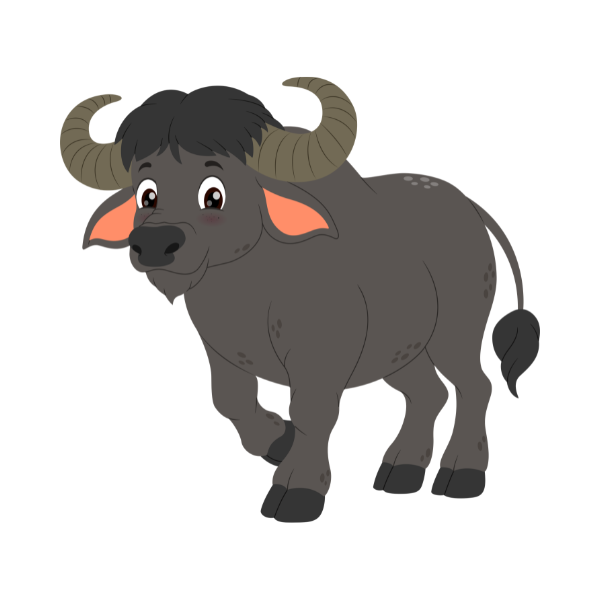
The Nili-Ravi is a major dairy buffalo breed associated with the Punjab region of Pakistan and India. It generally has a black coat, with white markings often visible on the forehead, muzzle, lower legs, and tail switch. These markings are commonly associated with the breed, but individual animals may vary. Nili-Ravi buffaloes are valued for milk production and are raised under different farm systems. Good nutrition, clean housing, access to water, and regular veterinary care support their productivity and welfare.
7. Kundi Buffalo
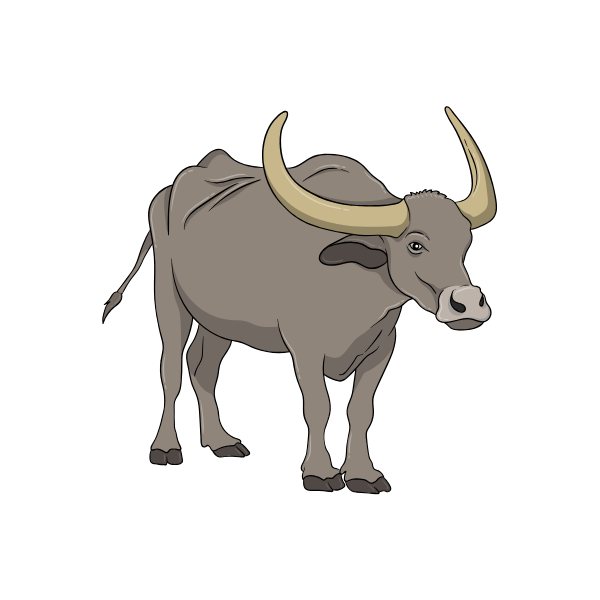
The Kundi is a recognized domestic buffalo breed associated with Sindh, Pakistan. It is commonly dark in color and is known for its characteristic curled horns. The breed is important to regional livestock farming, where buffaloes supply milk and contribute to household income. Its performance depends on the quality of feed, water availability, disease control, and breeding practices. Kundi buffaloes should not be confused with African buffaloes, which are wild animals belonging to a different genus and are not dairy breeds.
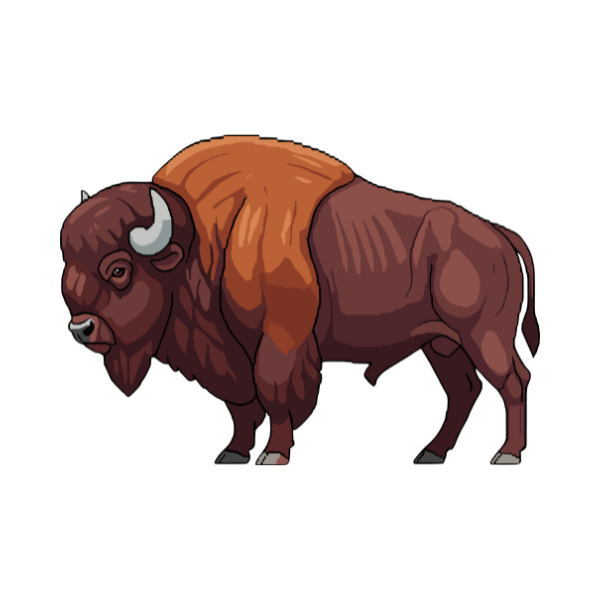
8. Jaffarabadi Buffalo
The Jaffarabadi is a large domestic buffalo breed from the Saurashtra region of Gujarat, India. It is known for its heavy build, broad head, and distinctive horns that often curve downward and outward. The breed is kept mainly for dairy purposes and is adapted to the farming conditions of its home region. As with other large livestock, its health and milk production depend on appropriate nutrition, comfortable housing, clean water, and careful management rather than breed alone.
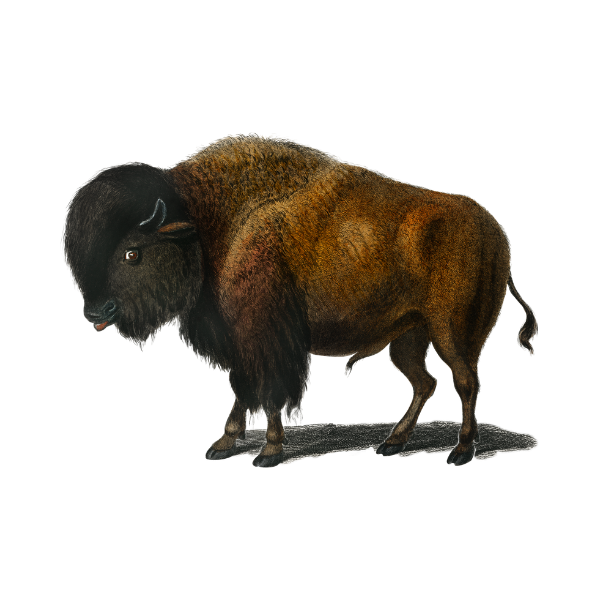
9. Surti Buffalo
The Surti is a domestic dairy buffalo breed from Gujarat, India, associated with the region around Surat and nearby areas. It is generally medium-sized and often has a dark coat, a relatively light frame, and crescent-shaped horns. Surti buffaloes are valued by farmers for milk production and adaptation to regional management conditions. Their milk output varies according to genetics, feed, health, and the stage of lactation. The Surti is one of several recognized Indian buffalo breeds, each with its own regional history and characteristics.

10. Mehsana Buffalo
The Mehsana is a recognized dairy buffalo breed developed in Gujarat, India. Its development involved regional buffalo populations, including influences associated with Murrah and Surti animals. Mehsana buffaloes are generally dark-coated, and their horn shape and body features can show variation. Farmers raise them primarily for milk, with production influenced by feeding, breeding, and health management. The breed is important to local dairy systems and illustrates how selective breeding has helped farmers develop livestock suited to particular agricultural needs.
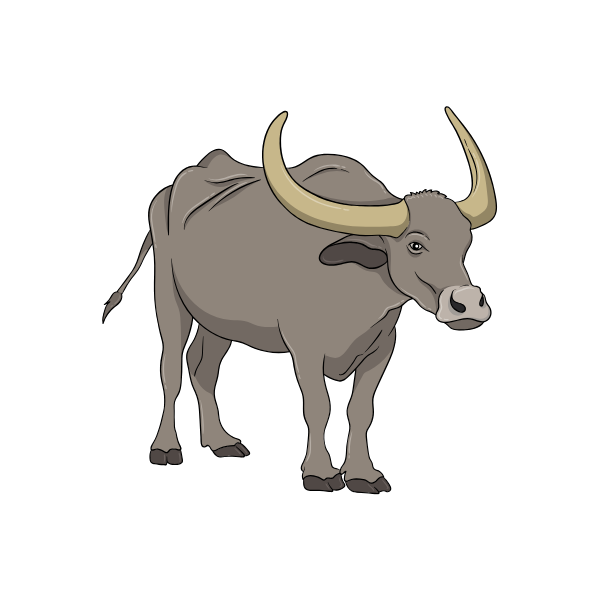
11. Bhadawari Buffalo
The Bhadawari is a traditional Indian buffalo breed associated with areas of Uttar Pradesh and Madhya Pradesh. It is particularly noted for milk that can contain a relatively high proportion of fat, making it useful for producing rich dairy products. Coat color and body shape can vary, but the breed is generally recognized by its regional identity and dairy characteristics. As with other buffalo breeds, milk composition and yield depend on individual genetics, diet, lactation stage, and farm management.
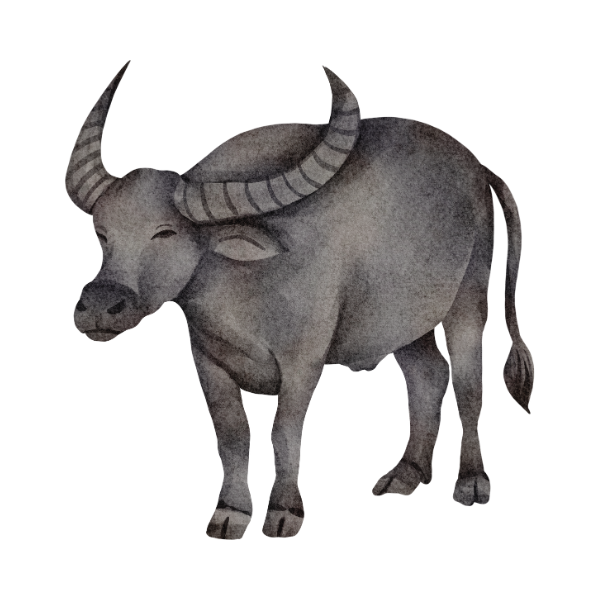
12. Nagpuri Buffalo
The Nagpuri is a domestic buffalo breed from Maharashtra, India, and is associated with the region around Nagpur. It is known for its adaptation to local conditions and has traditionally been used for milk and agricultural work. Nagpuri buffaloes often have long, flat horns that extend outward and curve backward, although individual features vary. Their suitability for a farm depends on local climate, feed resources, and the work expected of them. Responsible breeding and routine animal care help maintain healthy herds.
13. Pandharpuri Buffalo
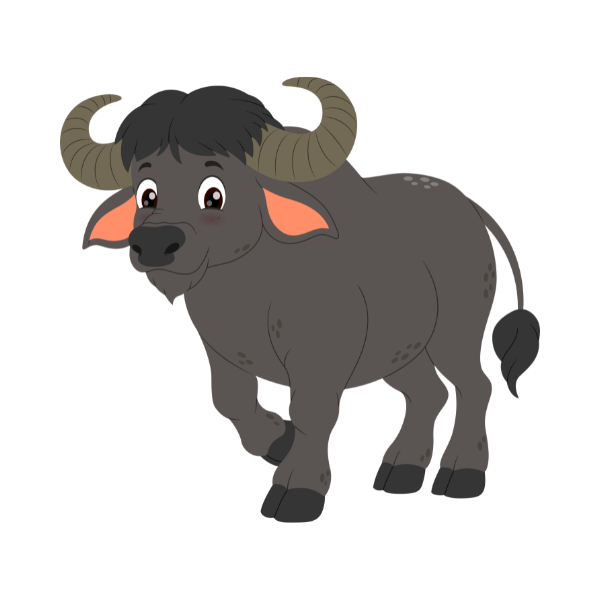
The Pandharpuri is a recognized buffalo breed from Maharashtra, India. Its most distinctive feature is its long, curved horns, which may extend backward along the sides of the body. The breed is raised in local livestock systems and is valued for its ability to fit regional farming conditions. As with other buffalo breeds, its productivity depends on adequate nutrition, water, health care, and breeding choices. Its striking horn shape helps distinguish it from more compact-horned breeds such as Murrah.
14. Toda Buffalo
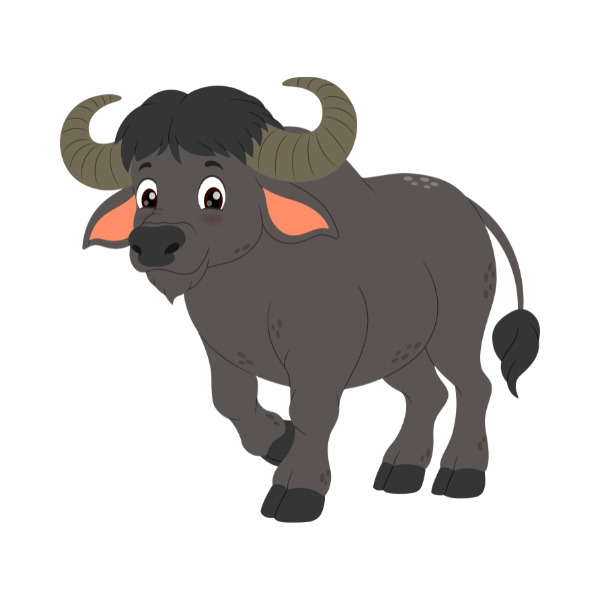
The Toda buffalo is a traditional breed associated with the Toda people of the Nilgiri Hills in southern India. These buffaloes have long held cultural and economic importance within Toda pastoral life. They are adapted to the upland environment of their home region and are part of a distinctive local livestock tradition. Toda buffaloes are not simply another name for all Indian buffaloes; they represent a particular regional breed and cultural relationship. Maintaining local breeds can help preserve livestock diversity and heritage.
15. Carabao
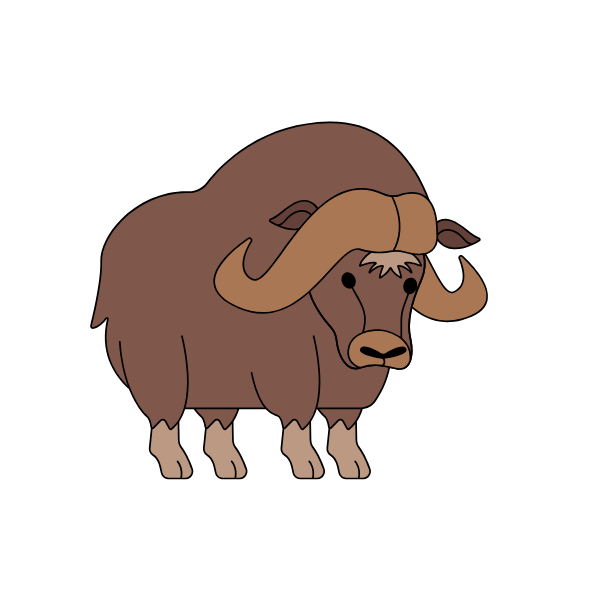
The carabao is the familiar name for the water buffalo that has long been important in the Philippines. It is generally associated with the swamp type and has traditionally been used to pull carts and work in wet rice fields. Carabaos also provide meat and, in some settings, milk. They are well suited to many small-farm systems when given adequate feed, water, shade, and veterinary attention. The term is commonly used regionally and does not mean that every carabao population is a separate species.
Buffalo Characteristics and Behavior
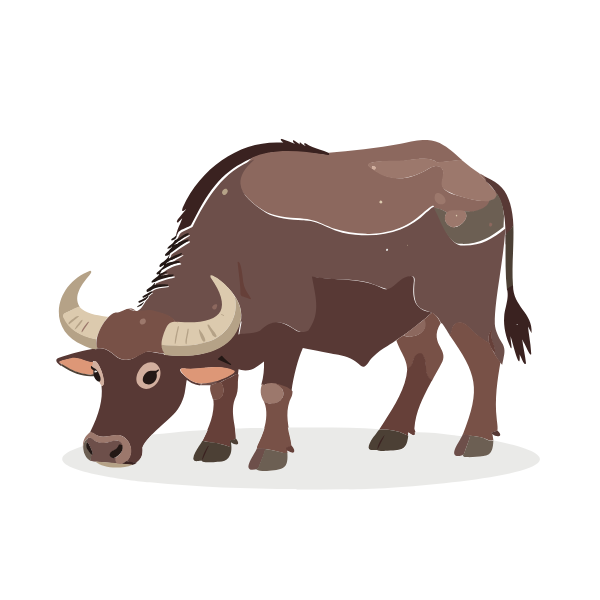
- Herd behavior: African buffaloes are social animals that often live in groups. Domestic buffaloes may also be kept in herds.
- Cooling behavior: Water buffaloes often use water or mud to help cool themselves, particularly in hot conditions.
- Plant-based diet: Buffaloes feed on vegetation and need sufficient forage.
- Strength: Domestic buffaloes have traditionally been used for pulling carts and working agricultural fields.
- Safety: Wild buffaloes can be unpredictable. People should observe them from a safe distance and never attempt to approach or handle them.
Animals related articles