Wolves are among the most widely recognized wild canids, but the word “wolf” covers more than one species and several geographically distinct forms of the gray wolf. This guide to Different Types of Wolf with Their Pictures explains the major wolf species and commonly recognized subspecies, including where they live, how they look, what they eat, and what makes each distinctive. It also clarifies disputed classifications, such as the eastern and Himalayan wolves, and separates true wolves from wolf-like canids that share the word “wolf” in their common names.
Different Types of Wolf With Short Description
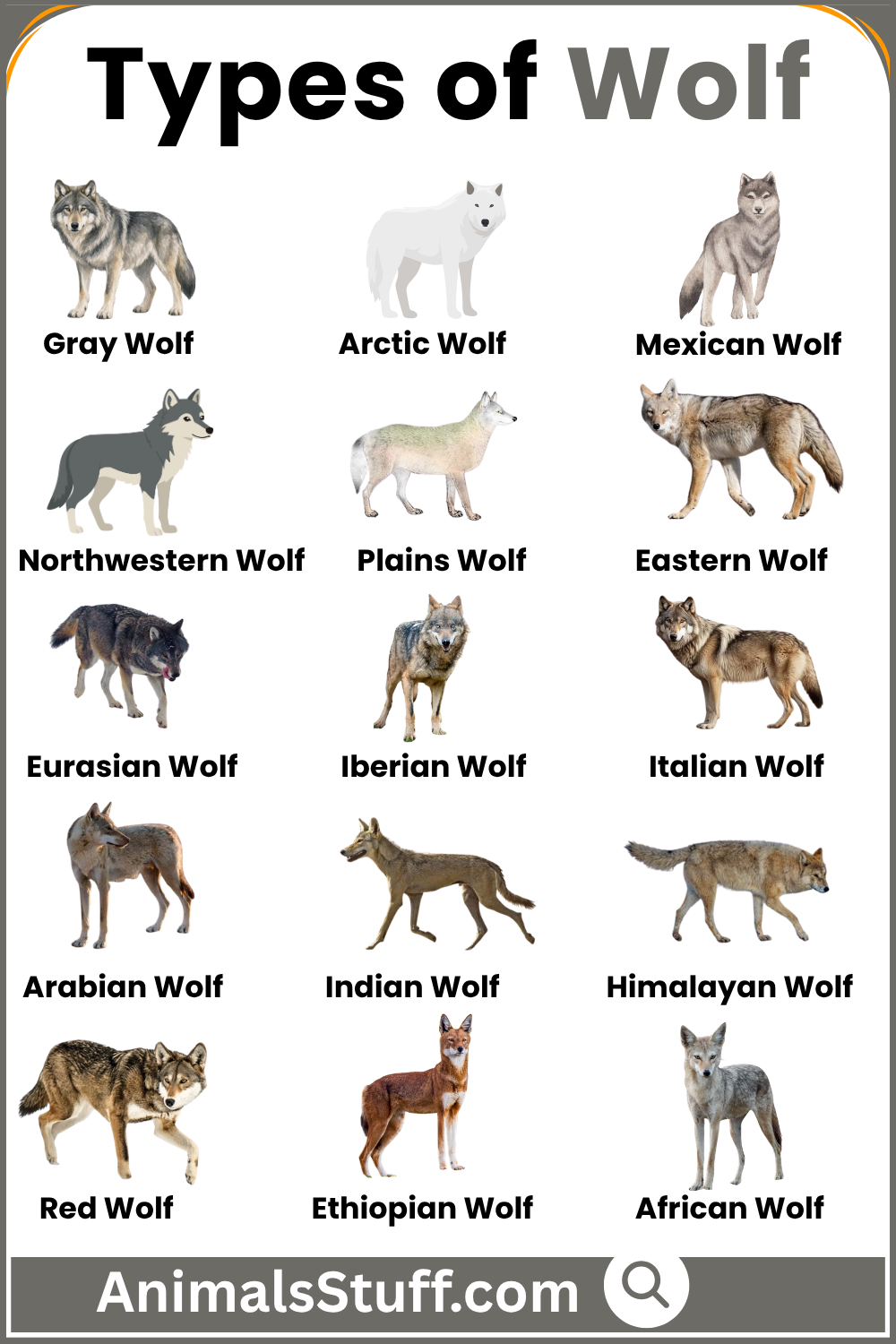
| Name | US IPA | Short Description |
|---|---|---|
| Gray Wolf | /ɡreɪ wʊlf/ | The widespread gray wolf is a large social predator occurring across parts of North America, Europe, and Asia. |
| Arctic Wolf | /ˈɑrktɪk wʊlf/ | A High Arctic gray wolf subspecies adapted to extreme cold, seasonal darkness, and sparse northern prey. |
| Mexican Wolf | /ˈmɛksɪkən wʊlf/ | The smallest North American gray wolf subspecies, historically associated with Mexico and the southwestern United States. |
| Northwestern Wolf | /ˌnɔrθˈwiːstərn wʊlf/ | A large northern gray wolf form found across Alaska and northwestern Canada, often called northern timber wolf. |
| Plains Wolf | /pleɪnz wʊlf/ | A gray wolf subspecies historically associated with central North America’s plains and grassland regions. |
| Eastern Wolf | /ˈiːstərn wʊlf/ | A medium-sized eastern North American wolf whose classification as species or subspecies remains scientifically debated. |
| Eurasian Wolf | /jʊˈreɪʒən wʊlf/ | The widespread Eurasian gray wolf form occupies diverse habitats from Europe across northern and central Asia. |
| Iberian Wolf | /aɪˈbɪriən wʊlf/ | A geographically distinct gray wolf subspecies associated with the Iberian Peninsula, especially Spain and Portugal. |
| Italian Wolf | /ɪˈtæliən wʊlf/ | A gray wolf subspecies recognized from Italy and parts of France and Switzerland, with distinctive regional genetics. |
| Arabian Wolf | /əˈreɪbiən wʊlf/ | A relatively small desert-adapted gray wolf form inhabiting parts of the Arabian Peninsula. |
| Indian Wolf | /ˈɪndiən wʊlf/ | A southern Asian gray wolf form associated with warmer, often open landscapes and regions of the Indian subcontinent. |
| Himalayan Wolf | /ˌhɪməˈleɪən wʊlf/ | An ancient high-altitude wolf lineage found around the Himalayas and Tibetan Plateau, currently assessed as Vulnerable. |
| Red Wolf | /rɛd wʊlf/ | A critically endangered North American wolf species with an intensive recovery program in eastern North Carolina. |
| Ethiopian Wolf | /ˌiːθiˈoʊpiən wʊlf/ | Africa’s highland wolf is a specialized small-mammal hunter restricted to Ethiopian mountain ecosystems. |
| African Wolf | /ˈæfrɪkən wʊlf/ | A distinct African canid formerly confused with golden jackals and now recognized as Canis lupaster. |
Are All These Animals Actually Wolf Species?
- Gray wolf — Canis lupus, a species.
- Arctic wolf — Canis lupus arctos, a gray wolf subspecies.
- Mexican wolf — Canis lupus baileyi, a gray wolf subspecies.
- Northwestern wolf — Canis lupus occidentalis, a gray wolf subspecies.
- Plains wolf — Canis lupus nubilus, a gray wolf subspecies.
- Iberian wolf — Canis lupus signatus, a gray wolf subspecies.
- Italian wolf — Canis lupus italicus, a gray wolf subspecies.
- Arabian wolf — Canis lupus arabs, a gray wolf subspecies.
- Indian wolf — Canis lupus pallipes, a gray wolf subspecies.
- Himalayan wolf — generally treated as Canis lupus chanco, with ongoing taxonomic research.
- Eastern wolf — classification remains disputed.
- Red wolf — Canis rufus, a separate species.
- Ethiopian wolf — Canis simensis, a separate species.
- African wolf — Canis lupaster, a separate species.
Different Types of Wolf With Their Pictures
Gray Wolf
The gray wolf (Canis lupus) is the best-known and most widely distributed wolf species. Its range historically covered much of the Northern Hemisphere, although persecution and habitat changes reduced it substantially in many regions. Gray wolves vary considerably in size and coat color, from nearly white northern animals to brown, gray, reddish, or black individuals. They live in habitats ranging from Arctic tundra and boreal forests to mountains and open landscapes. Their diet commonly includes large ungulates such as deer, elk, moose, and caribou, along with smaller prey and carrion.
Arctic Wolf
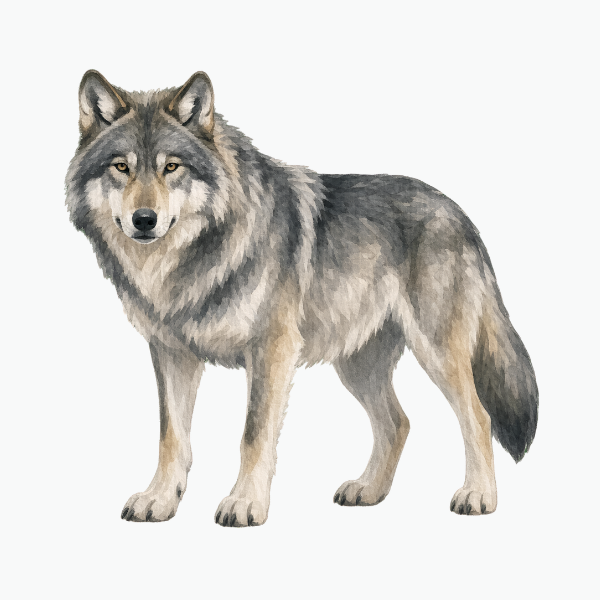
The Arctic wolf (Canis lupus arctos) is a recognized subspecies of the gray wolf associated with the Canadian High Arctic. It is adapted to an exceptionally cold environment where temperatures can remain extremely low and winter darkness lasts for long periods. Its pale coat provides camouflage against snow, although coat color can vary. Arctic wolves are social predators and feed on animals available in their northern environment, including muskoxen, Arctic hares, and other prey. Their remote habitat has historically provided some protection from human persecution compared with many southern wolf populations.
Mexican Wolf
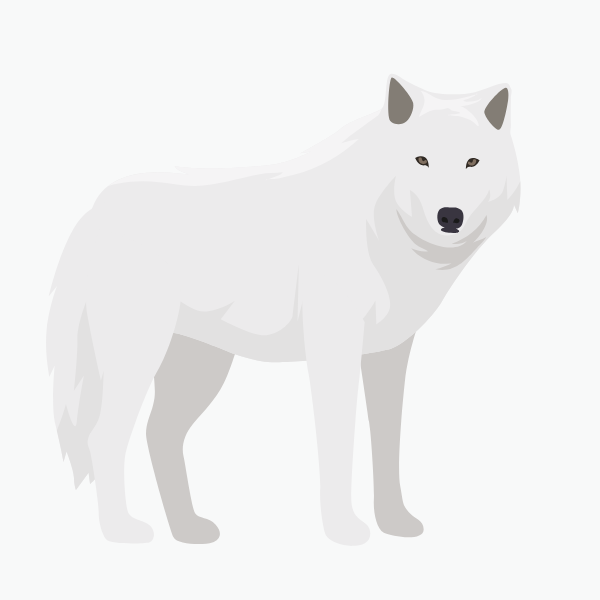
The Mexican wolf (Canis lupus baileyi) is a gray wolf subspecies and the smallest, southernmost, and genetically distinctive gray wolf subspecies in North America. Its historic range included parts of Mexico and the southwestern United States. Mexican wolves have a richly patterned coat containing buff, gray, rust, and black tones. Heavy persecution and conflicts surrounding livestock nearly eliminated them from the wild. The U.S. Fish and Wildlife Service continues a binational recovery program, and the subspecies remains listed as endangered under U.S. federal law.
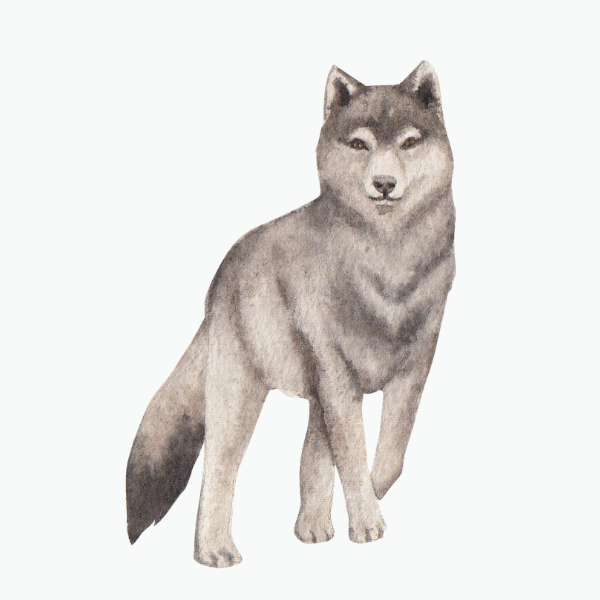
Northwestern Wolf
The Northwestern wolf (Canis lupus occidentalis), sometimes called the northern timber wolf, is a large gray wolf form associated with Alaska and northwestern Canada. It is among the larger geographic forms of gray wolf, reflecting the general tendency for northern wolf populations to be larger than many southern populations. Its habitat includes boreal forests, tundra, mountains, and other northern environments. Depending on location, Northwestern wolves may prey on moose, caribou, deer, elk, and smaller animals. It is treated as a subspecies of Canis lupus by the Canid Specialist Group.
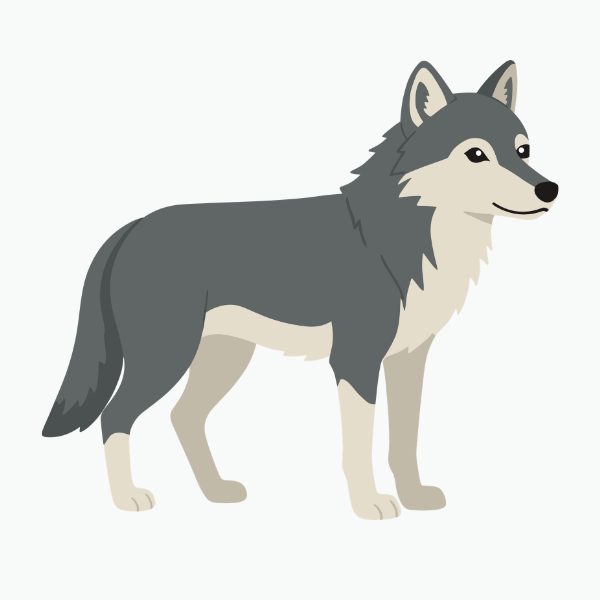
Plains Wolf
The Plains wolf (Canis lupus nubilus) is a gray wolf subspecies associated historically with central North America. The name reflects its association with the plains and grassland regions of the continent, although gray wolves can use a much broader range of habitats. Like other gray wolves, Plains wolves are social carnivores whose diet depends heavily on locally available prey. They may consume deer and other ungulates as well as smaller mammals and carrion. Modern taxonomy recognizes C. l. nubilus among the commonly recognized North American gray wolf subspecies.
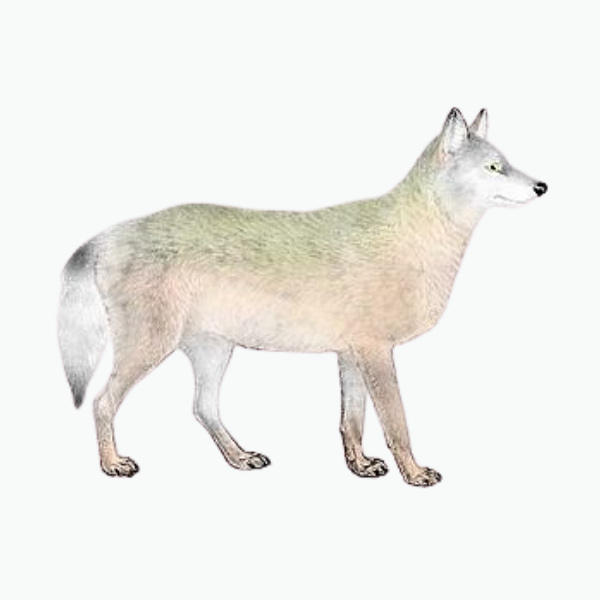
Eastern Wolf
The eastern wolf is one of the most complicated entries in a guide to different types of wolf. It has been treated as Canis lupus lycaon, a gray wolf subspecies, and by some researchers as a separate species, Canis lycaon. Research has also documented historical and ongoing genetic mixing among eastern wolves, gray wolves, and coyotes in eastern North America. Because scientific interpretations differ, it is more accurate to describe its classification as debated rather than presenting one name as universally accepted.
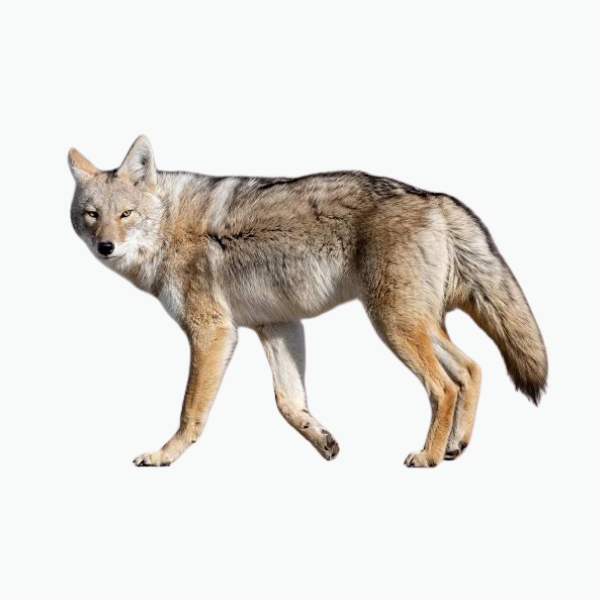
Eurasian Wolf
The Eurasian wolf generally refers to gray wolves occurring across Europe and large parts of northern and central Asia, with the exact use of the name varying by source. Gray wolves in this enormous region occupy forests, mountains, grasslands, steppe, and human-dominated landscapes where suitable prey remains available. Their appearance varies geographically, but they retain the broad head, powerful jaws, long legs, and dense coat typical of gray wolves. European populations form connected and semi-connected populations, while legal protection and population trends vary considerably between countries.
Iberian Wolf
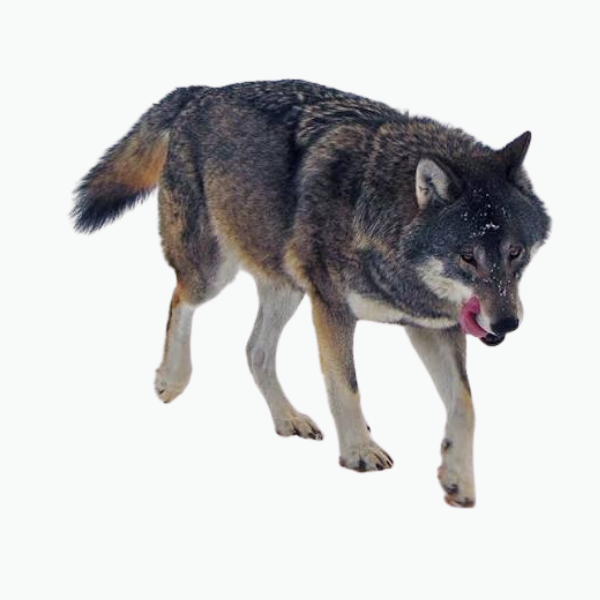
The Iberian wolf (Canis lupus signatus) is a geographically recognized gray wolf subspecies associated with the Iberian Peninsula. The Canid Specialist Group recognizes C. l. signatus among the European gray wolf subspecies. Iberian wolves are generally smaller than some northern gray wolves and are known for regional coat patterns that can include darker markings on the limbs and body. They occur primarily in Spain and Portugal, although their distribution has changed over time because of human persecution, habitat changes, and differences in national wildlife management.
Italian Wolf
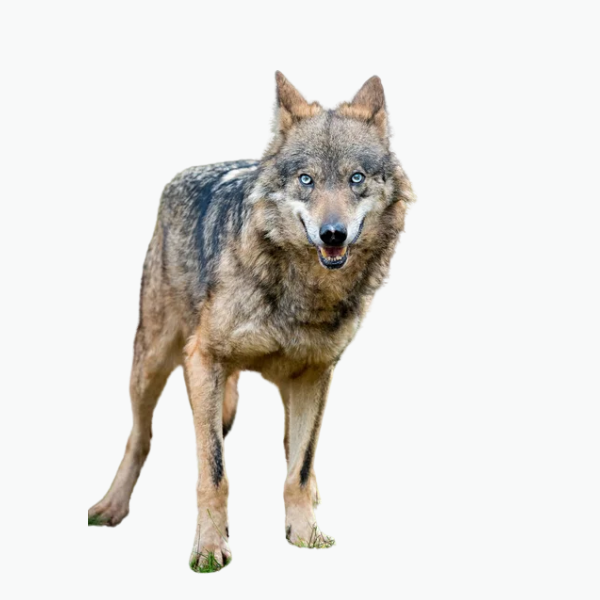
The Italian wolf (Canis lupus italicus) is a geographically distinctive gray wolf subspecies recognized by the Canid Specialist Group in Italy and parts of France and Switzerland. Italian wolves historically faced severe persecution, but populations have recovered and expanded into parts of the western Alps. Their coat can contain gray, brown, reddish, and black tones, and individuals are generally smaller than some northern European and North American gray wolves. Like other gray wolves, they are adaptable predators capable of using forests, mountains, and landscapes modified by people when sufficient prey and cover remain.
Arabian Wolf
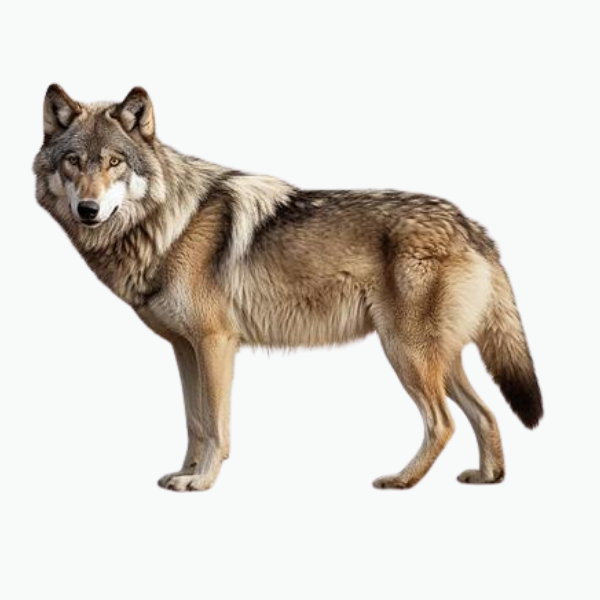
The Arabian wolf (Canis lupus arabs) is a small-bodied gray wolf form associated with the Arabian Peninsula. Compared with many northern gray wolves, it has adaptations suited to warmer and drier environments, including a relatively light build and a coat suited to desert and semi-desert conditions. Its distribution is fragmented and varies between countries. Arabian wolves can use rocky landscapes, desert margins, mountains, and other areas where food and water are available. The subspecies is recognized within the gray wolf classification, although its conservation situation differs by country and population.
Indian Wolf
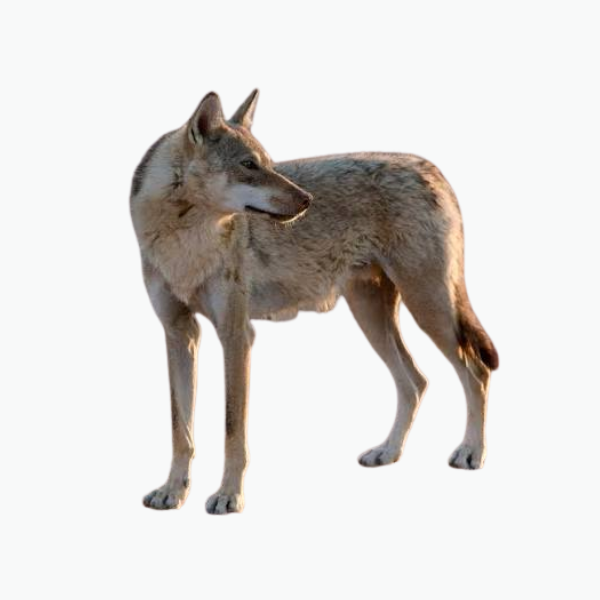
The Indian wolf (Canis lupus pallipes) is a southern Asian gray wolf form occurring across parts of the Indian subcontinent and neighboring regions. It is generally smaller and more lightly built than many northern gray wolves, reflecting adaptation to warmer climates. Indian wolves can live in open landscapes such as grasslands, scrub, agricultural margins, and semi-arid areas. Their prey includes small and medium-sized mammals, livestock where conflicts occur, and other available food. The Canid Specialist Group recognizes C. l. pallipes across much of the Asian gray wolf range.
Himalayan Wolf
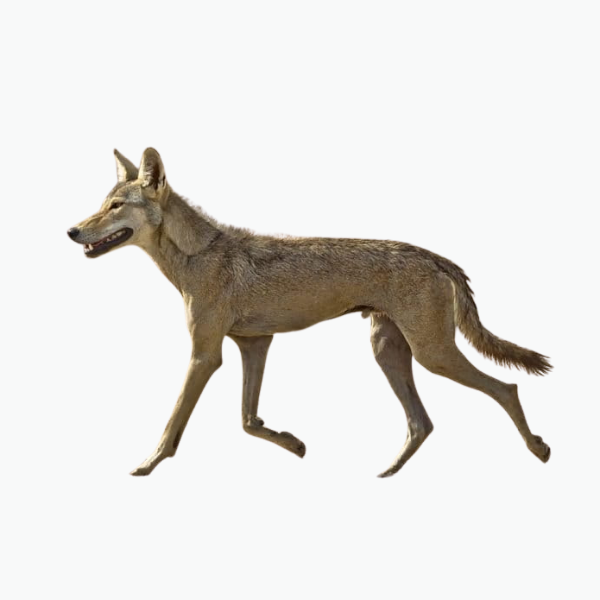
The Himalayan wolf (Canis lupus chanco) represents an ancient and genetically distinctive wolf lineage associated with high-altitude ecosystems of the Himalayas and Tibetan Plateau. Its formal classification has received considerable scientific attention, but genetic evidence supports treating it as at least a distinct subspecies, while research continues on whether it merits species-level recognition. The 2024 IUCN Red List assessment classified the Himalayan wolf as Vulnerable, citing its relatively small and declining population and threats including habitat degradation, persecution, prey depletion, and increasing human pressure.
Red Wolf
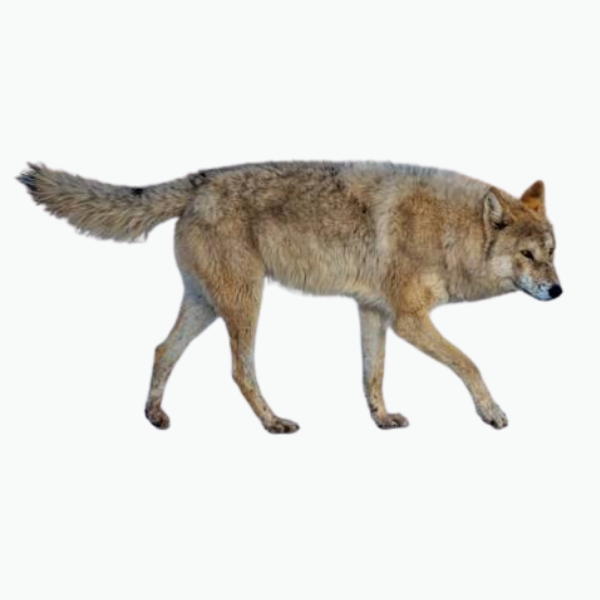
The red wolf (Canis rufus) is a distinct North American wolf species rather than a gray wolf subspecies under the Canid Specialist Group’s current assessment. It is smaller and more slender than a typical large gray wolf, with reddish-brown tones often visible in the coat. The species was declared extinct in the wild by 1980, followed by a reintroduction program in eastern North Carolina.
Ethiopian Wolf
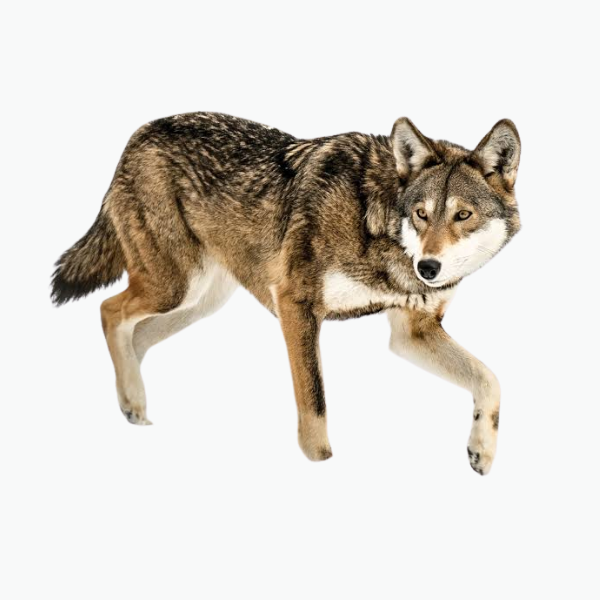
The Ethiopian wolf (Canis simensis) is a highly specialized African canid found only in Ethiopia’s highlands. Despite its name, it is not a subspecies of the gray wolf. It has a reddish-brown coat, white markings, long legs, and a narrow muzzle. Unlike gray wolves, which commonly hunt large ungulates, Ethiopian wolves specialize heavily in small mammals, particularly rodents in Afroalpine ecosystems. The species is Endangered and restricted to isolated highland populations. Habitat loss, disease transmitted from domestic dogs, and declining prey availability are major conservation concerns.
African Wolf
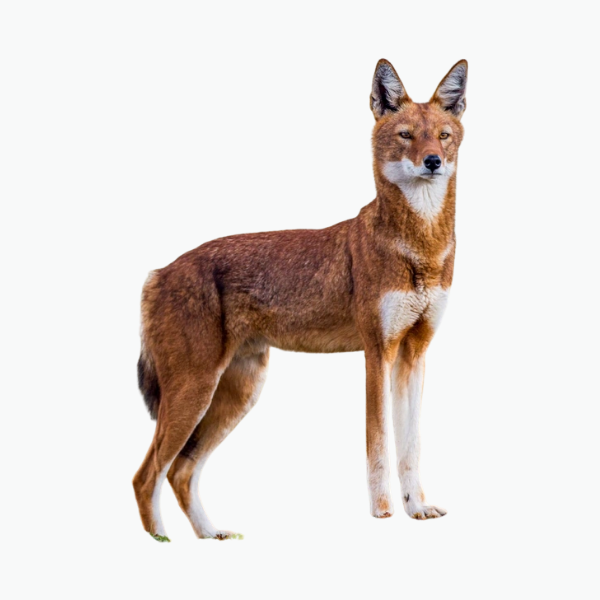
The African wolf (Canis lupaster) is a distinct African canid that was historically confused with the golden jackal. Genetic research showed that African animals previously identified as golden jackals are more closely related to the gray wolf lineage than Eurasian golden jackals are. The species occurs widely across northern and northeastern Africa and can use a range of habitats. Its appearance is more jackal-like than that of a typical large gray wolf. The Canid Specialist Group currently recognizes Canis lupaster as the African wolf, with populations declining in parts of its range.
Wolf Behavior and Social Structure
Many gray wolves live in social groups commonly called packs. Pack composition varies, and social organization depends on habitat, food availability, reproduction, and local population conditions.
Communication is an important part of wolf life. Wolves use vocalizations such as howling, along with body language, scent marking, facial expressions, and physical contact. Howling can help maintain contact between pack members and communicate across large distances.
Frequently Asked Questions About Different Types of Wolf
How many different types of Wolf are there?
There is no single universally accepted number because “type” is not a formal taxonomic rank. The gray wolf has several recognized geographic subspecies, while red, Ethiopian, and African wolves are separate species. The eastern and Himalayan wolves also involve important classification questions.
What is the most common types of wolf?
The gray wolf (Canis lupus) is the most widespread and best-known living wolf species. It occurs across parts of North America, Europe, and Asia and includes several geographically recognized forms.
What is the largest type of wolf?
Among gray wolf populations, some northern forms such as the Northwestern wolf are particularly large. However, there is no single fixed size because body mass varies by sex, region, genetics, prey availability, and individual condition.
What is the smallest types of wolf?
The Mexican wolf is the smallest recognized subspecies of gray wolf in North America. It is also the southernmost and one of the most genetically distinctive North American gray wolf subspecies.
Is the red wolf a gray wolf?
No. The red wolf (Canis rufus) is treated as a separate species by the IUCN SSC Canid Specialist Group. Its evolutionary and genetic history is complex, including documented hybridization with coyotes, but it is not simply a color variation of the gray wolf.
Is the Ethiopian wolf a real wolf?
Yes, the Ethiopian wolf is a legitimate species, Canis simensis. It belongs to the genus Canis but is not a gray wolf subspecies. It is a specialized Ethiopian highland predator that primarily hunts small mammals.
Is the maned wolf really a wolf?
The maned wolf is a real canid, but it is not a true wolf like the gray wolf. It belongs to its own genus, Chrysocyon, and is native to South America. Its extremely long legs and omnivorous diet distinguish it from gray wolves.
Which wolf is the rarest?
There is no single answer unless “rarest” is defined by species, subspecies, or wild population. The red wolf is among the world’s rarest wild canids, with the U.S. Fish and Wildlife Service reporting only 22–23 wild adults and subadults in August 2026, plus 14–15 pups. The Ethiopian wolf also has a very small global population and is Endangered.
More Articles About Animals