Types of Elephant are among the largest and most recognizable land mammals in the world, but not all elephants are the same. Today, three living elephant species are recognized: the African Savanna Elephant, African Forest Elephant, and Asian Elephant. The Asian Elephant also includes several recognized subspecies or regional forms, including the Indian, Sri Lankan, Sumatran, and Bornean elephants. This guide explains these elephant types, their scientific classification, appearance, geographic range, habitat, behavior, diet, and conservation status.
How Many Types of Elephants Are There?
There are three living elephant species recognized today. Two belong to Africa—the African Savanna Elephant and African Forest Elephant—while the Asian Elephant is the third species. The commonly discussed forms are the Indian Elephant, Sri Lankan Elephant, Sumatran Elephant, and Bornean Elephant.
Types of Elephant and Short Descriptions
| Type of Elephant | US IPA | Short Description |
|---|---|---|
| African Bush Elephant | /ˈæfrɪkən bʊʃ ˈɛləfənt/ | The largest living elephant species, mainly found in African savannas, grasslands, and woodlands. |
| African Forest Elephant | /ˈæfrɪkən ˈfɔːrəst ˈɛləfənt/ | A smaller African elephant species adapted to the dense forests of Central and West Africa. |
| Asian Elephant | /ˈeɪʒən ˈɛləfənt/ | A living elephant species found across parts of South and Southeast Asia. |
| Indian Elephant | /ˈɪndiən ˈɛləfənt/ | The mainland Asian elephant form found across India and other parts of mainland Asia. |
| Sri Lankan Elephant | /ˌsriː ˈlæŋkən ˈɛləfənt/ | An Asian elephant subspecies native to Sri Lanka and known for its large body. |
| Sumatran Elephant | /suːˈmɑːtrən ˈɛləfənt/ | An Asian elephant subspecies found on the Indonesian island of Sumatra. |
| Bornean Elephant | /ˈbɔːrniən ˈɛləfənt/ | A distinctive Asian elephant population from northeastern Borneo, known for its smaller size. |
| Woolly Mammoth | /ˈwʊli ˈmæməθ/ | An extinct mammoth adapted to cold Ice Age environments with long hair and insulating fat. |
| Columbian Mammoth | /kəˈlʌmbiən ˈmæməθ/ | An extinct mammoth that lived across parts of North America during the Pleistocene. |
| Steppe Mammoth | /stɛp ˈmæməθ/ | An extinct mammoth that lived across Eurasia and was adapted to open, cold environments. |
| Southern Mammoth | /ˈsʌðərn ˈmæməθ/ | An extinct early mammoth that lived in parts of Europe and Asia. |
| Imperial Mammoth | /ɪmˈpɪriəl ˈmæməθ/ | A large extinct mammoth known from Pleistocene deposits in North America. |
| Dwarf Mammoth | /drɔːrf ˈmæməθ/ | Small extinct mammoths that evolved on islands after becoming isolated from larger mainland populations. |
| Straight-Tusked Elephant | /streɪt tʌstɪd ˈɛləfənt/ | An extinct elephant relative known for its long, relatively straight tusks and large body. |
| Palaeoloxodon Namadicus | /ˌpæliːˈɑːlɒksədɑːn nəˈmædɪkəs/ | An extinct elephant relative from Asia, known from fossil remains including the Indian subcontinent. |
Elephant Behavior and Social Life
Elephants are highly social mammals with complex relationships. Female elephants commonly live in family groups, while adult males may become more independent as they mature. Family groups can cooperate in caring for young animals and moving between feeding and water areas. Their trunks are extremely versatile and are used for breathing, smelling, touching, drinking, feeding, and handling objects.
Types of Elephant and Their Pictures
African Bush Elephant
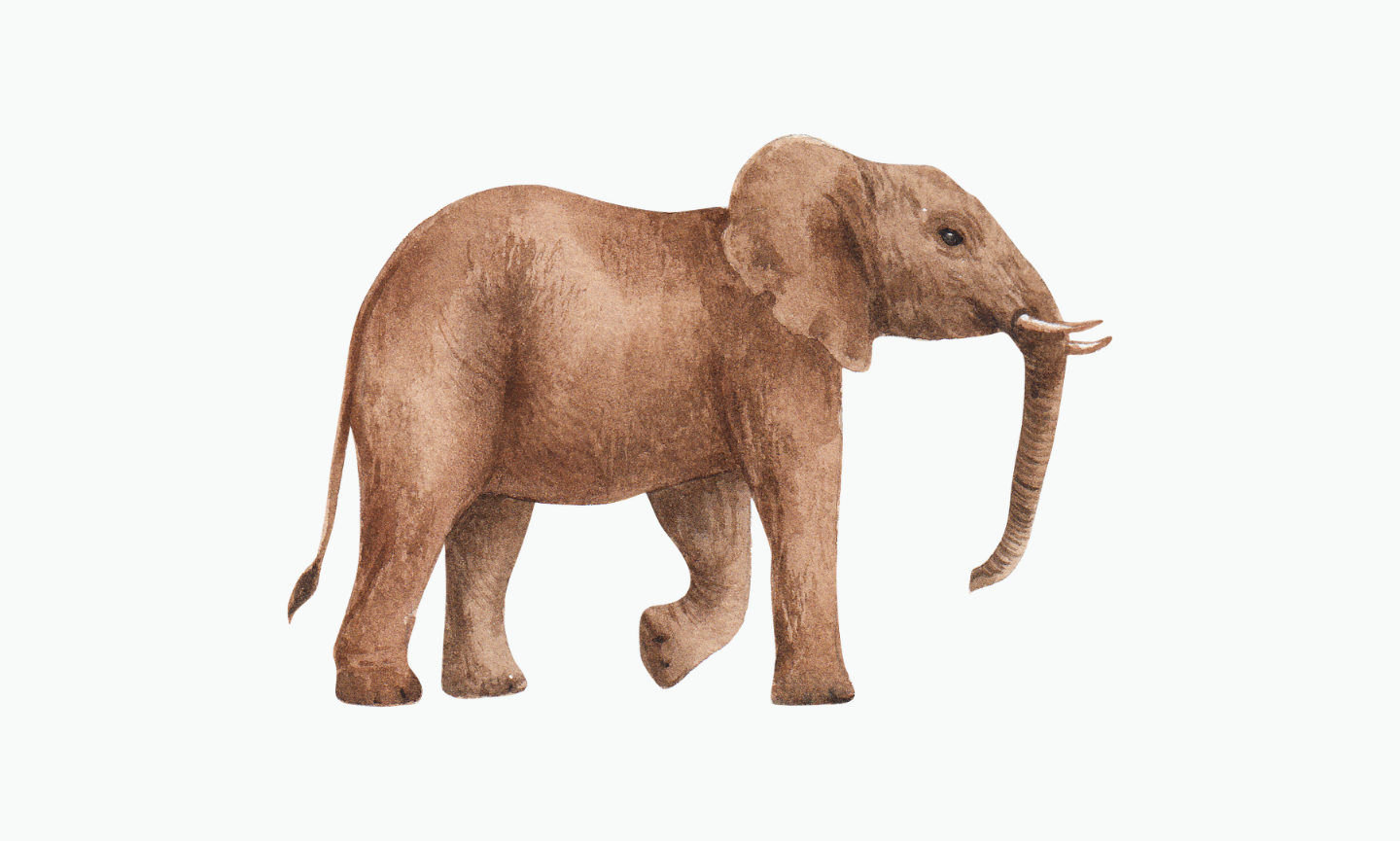
The African bush elephant is the largest living land animal and is scientifically known as Loxodonta africana. It is found mainly in savannas, grasslands, woodlands, and other habitats across sub-Saharan Africa. It has large ears, a long trunk, and curved tusks. African bush elephants live in family groups and mainly eat grasses, leaves, bark, fruits, and other vegetation.
African Forest Elephant
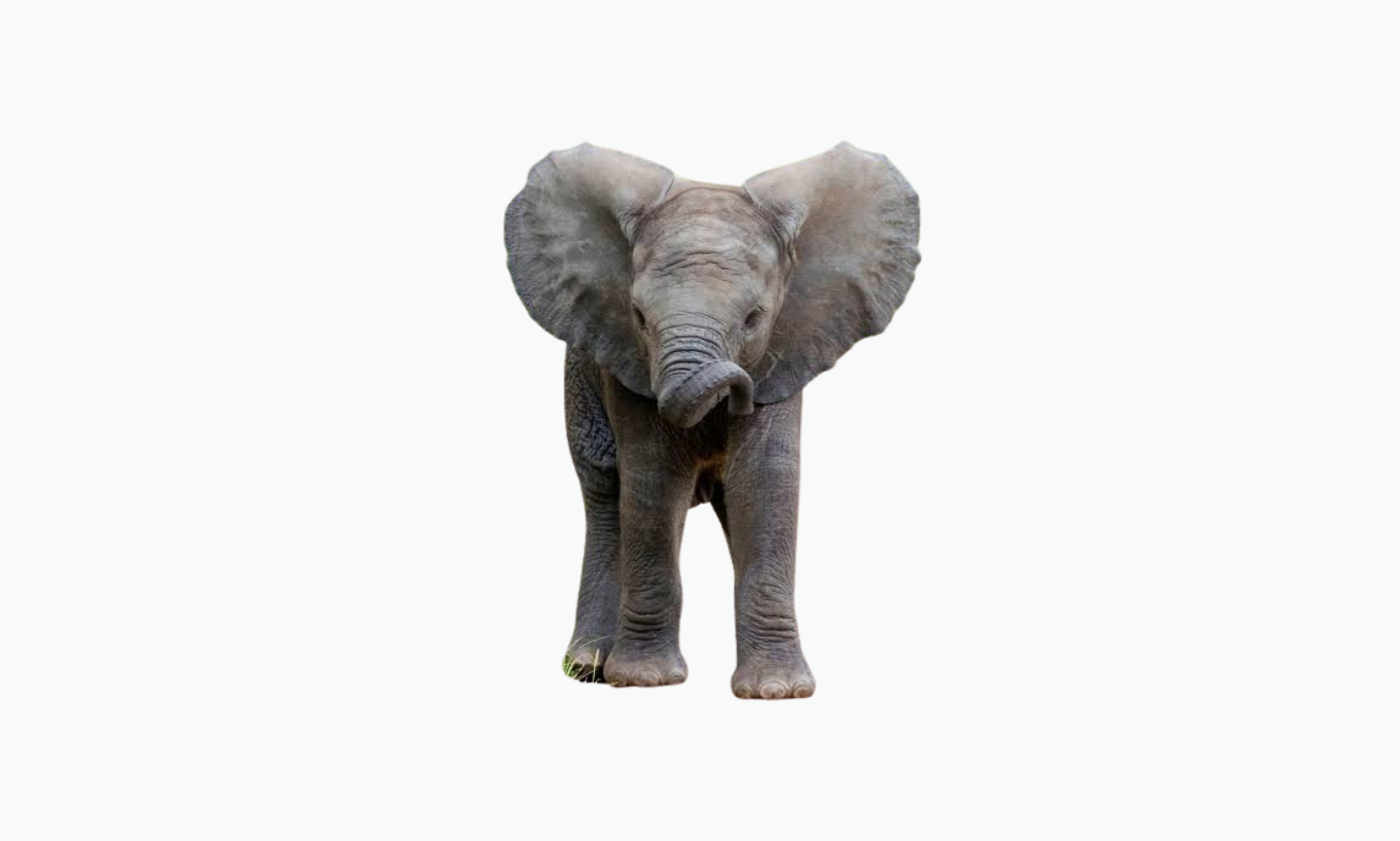
The African forest elephant is scientifically known as Loxodonta cyclotis and is smaller than the African bush elephant. It lives mainly in the tropical forests of Central and West Africa. It has relatively rounded ears and straighter, downward-pointing tusks. Forest elephants play an important ecological role by spreading seeds and creating pathways through dense vegetation while searching for leaves, fruits, and other plant foods.
Asian Elephant | Types of Elephant
The Asian elephant is scientifically known as Elephas maximus and is the largest land animal in Asia. It occurs in parts of South and Southeast Asia, including forests, grasslands, and scrublands. Asian elephants generally have smaller ears than African elephants, and usually only males develop large visible tusks. They are herbivores that feed on grasses, leaves, bark, fruits, roots, and other vegetation.
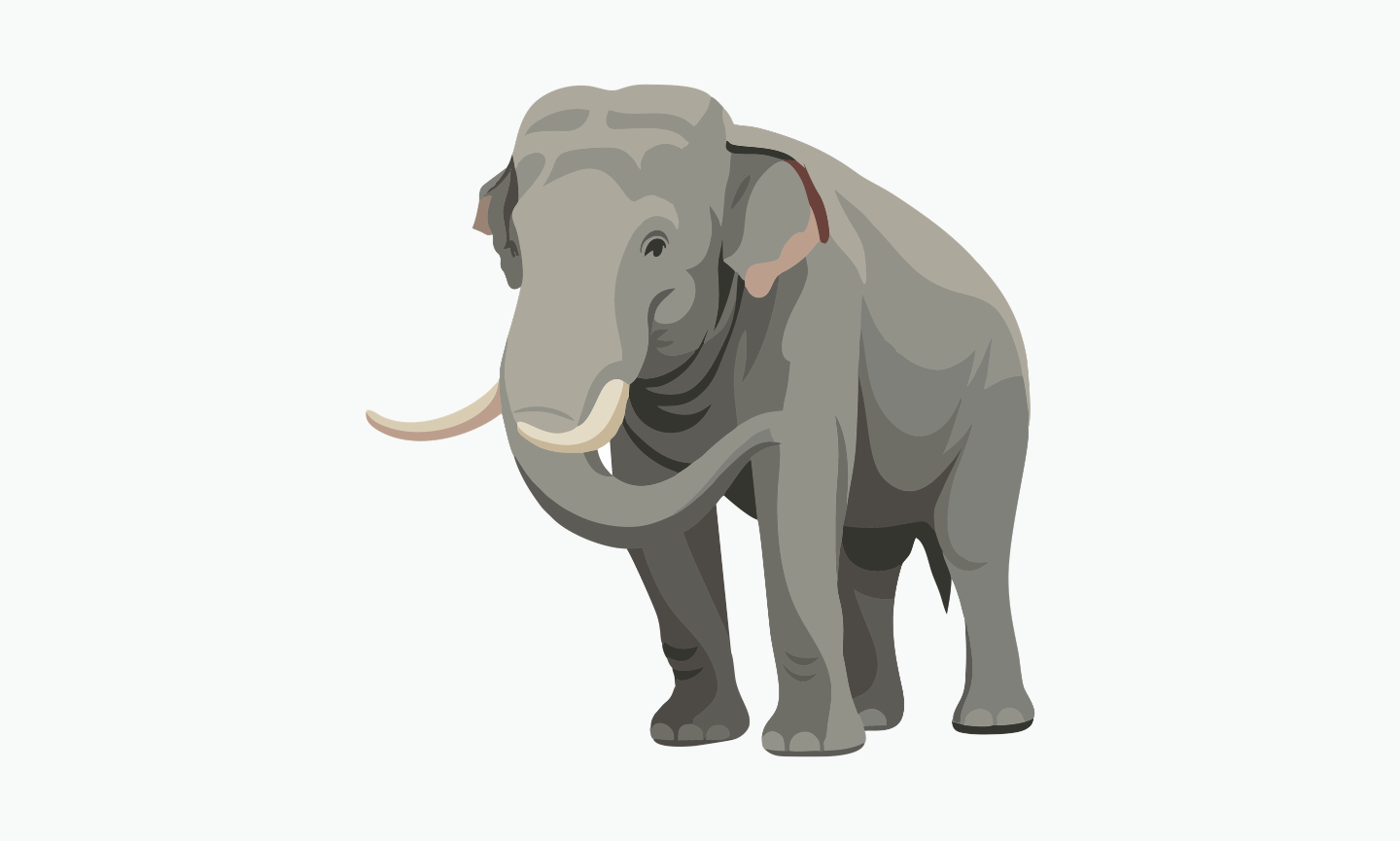
Indian Elephant
The Indian elephant is a population of the Asian elephant, Elephas maximus, found mainly in mainland South Asia. It occurs across India and neighboring regions and inhabits forests, grasslands, wetlands, and cultivated landscapes. Indian elephants have smaller, rounded ears compared with African elephants. They are highly social herbivores that travel in family groups and consume grasses, leaves, bark, fruits, roots, and crops.
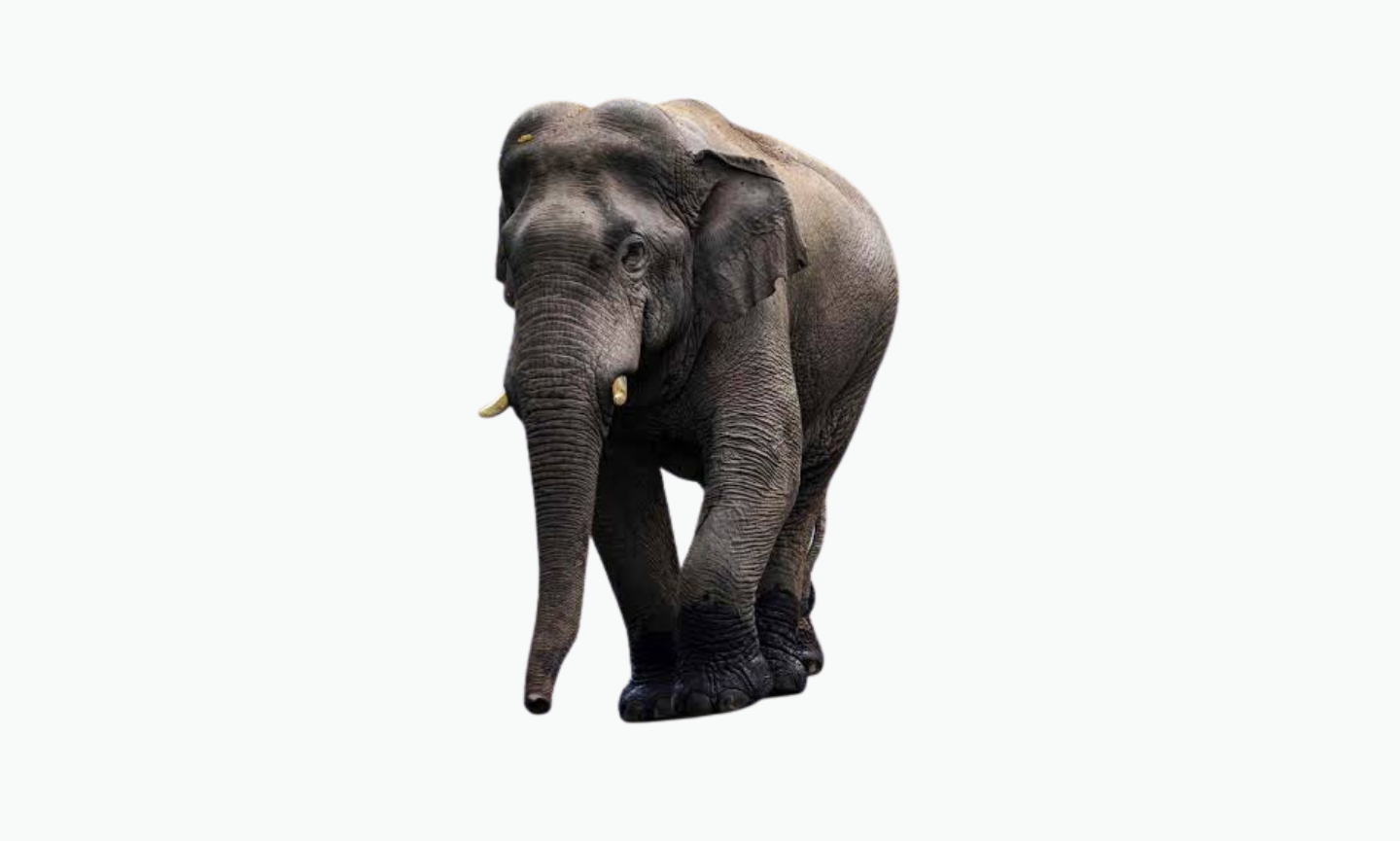
Sri Lankan Elephant
The Sri Lankan elephant is a subspecies of Asian elephant, scientifically known as Elephas maximus maximus. It is native to Sri Lanka and is generally considered the largest of the Asian elephant subspecies. It has a dark gray to brownish skin, often with lighter patches on the face, ears, trunk, and belly. These elephants live in forests, grasslands, and dry-zone habitats and feed mainly on plants.
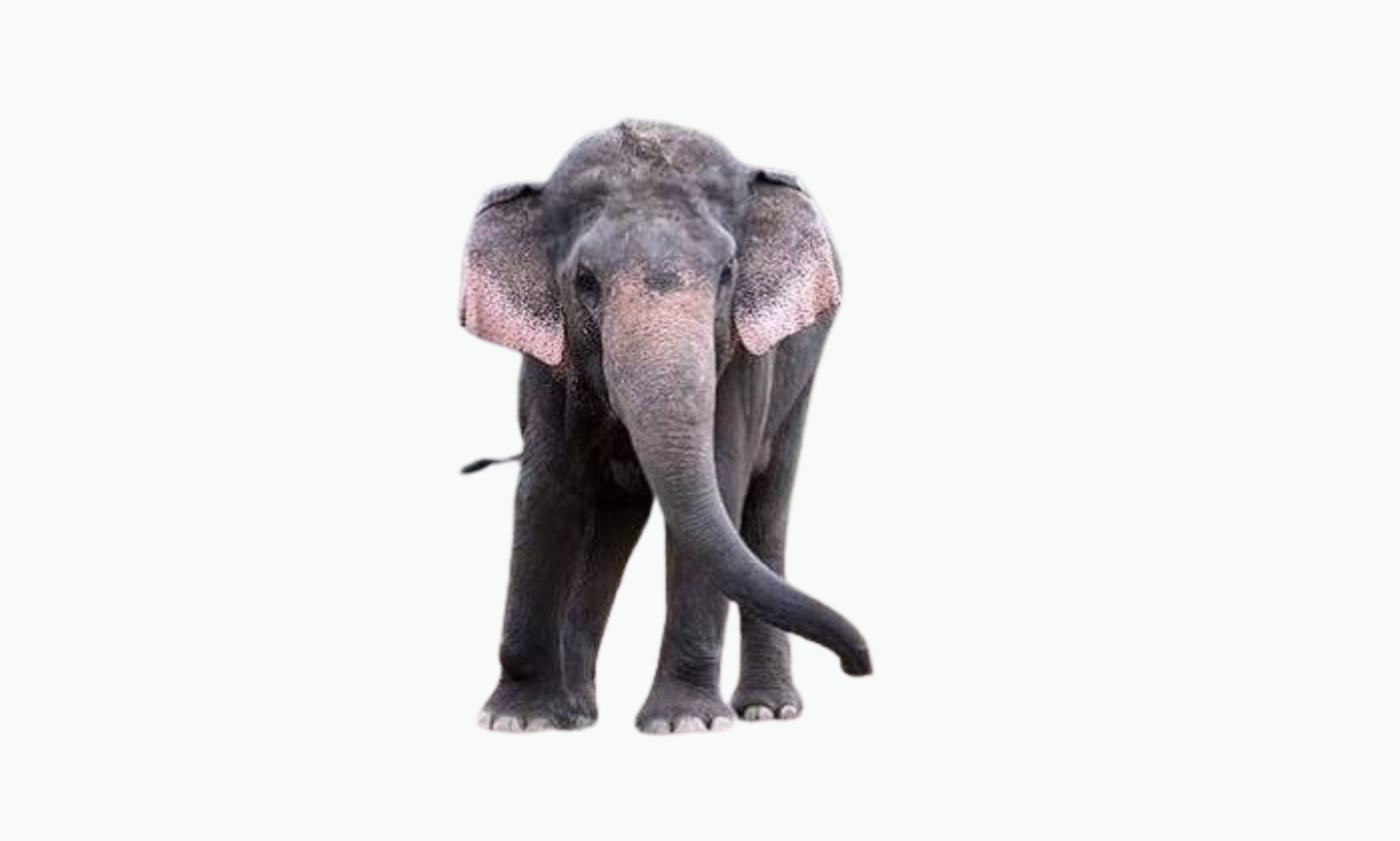
Sumatran Elephant
The Sumatran elephant is a subspecies of Asian elephant, scientifically known as Elephas maximus sumatranus. It is native to the Indonesian island of Sumatra, where it inhabits forests and other areas with suitable vegetation and water. Sumatran elephants are generally smaller than African elephants and have relatively smaller ears. They are herbivores that eat grasses, leaves, bark, fruits, roots, and other plant material.
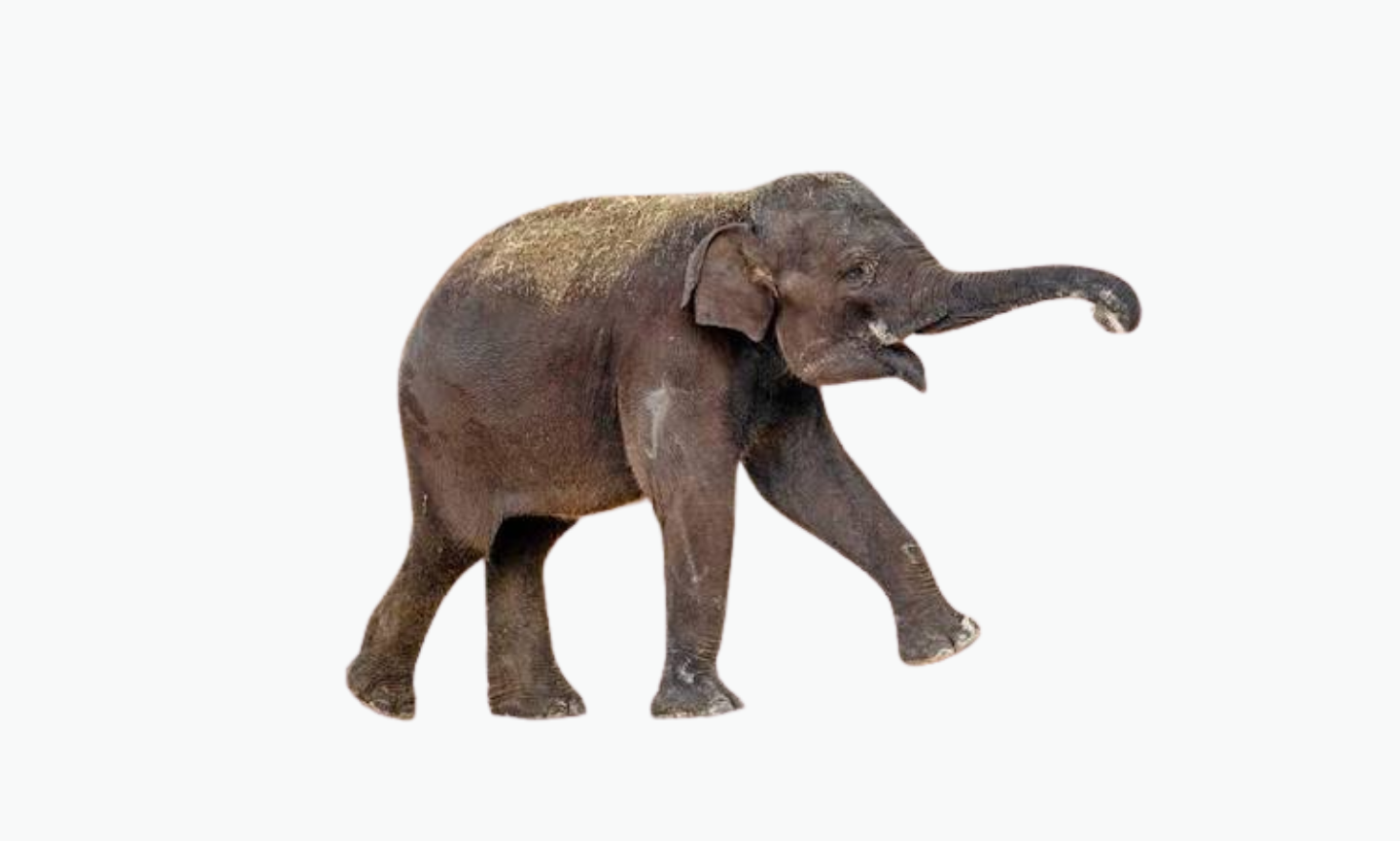
Bornean Elephant
The Bornean elephant is a population of Asian elephants found on the island of Borneo, particularly in northeastern Sabah, Malaysia. It is often called the Bornean pygmy elephant because of its relatively small body size, although its evolutionary history is complex. These elephants live in forests and nearby habitats and feed on grasses, leaves, fruits, bark, and other vegetation. They are threatened by habitat loss and fragmentation.
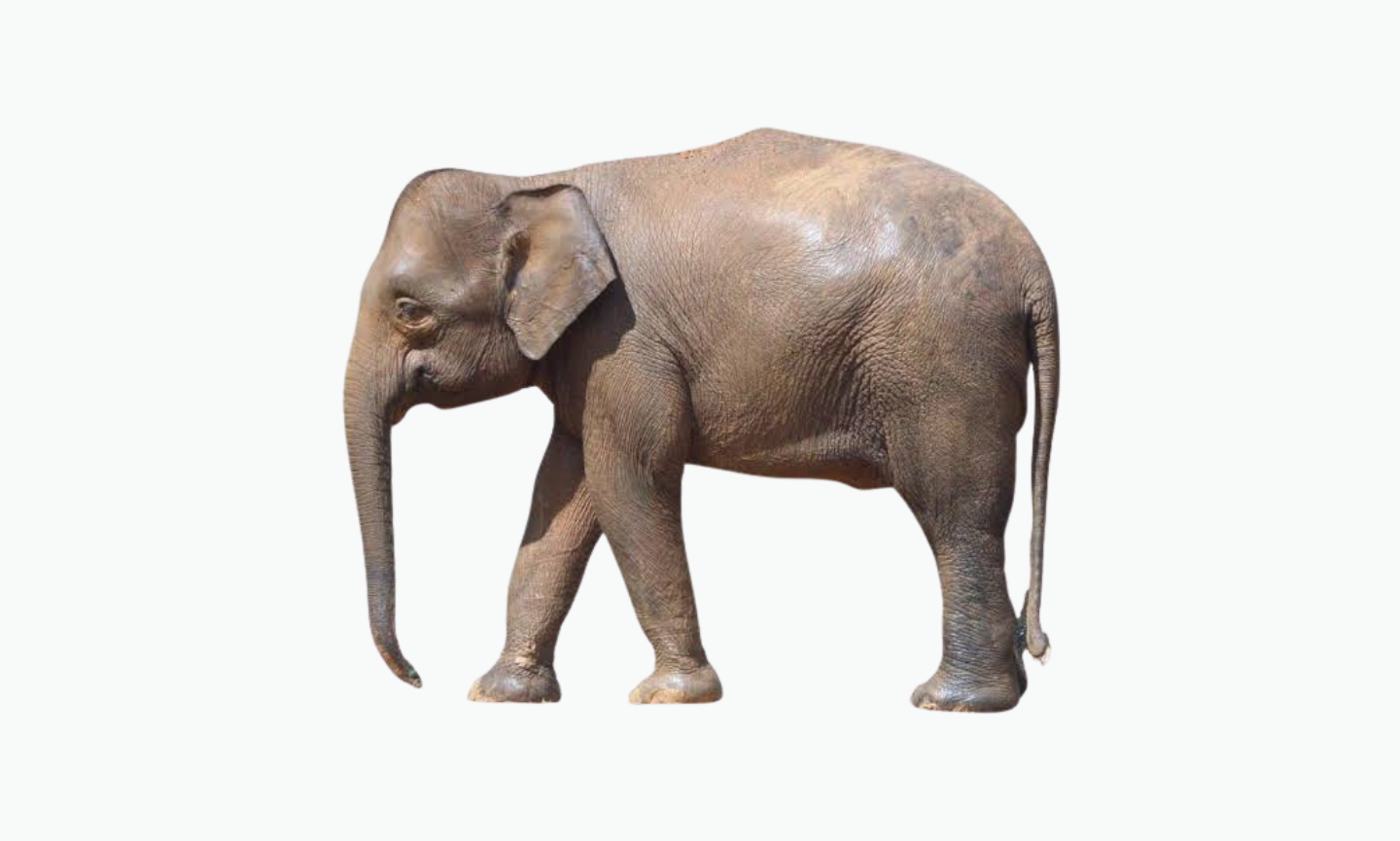
Woolly Mammoth | Types of Elephant
The woolly mammoth was an extinct elephant relative scientifically known as Mammuthus primigenius. It lived across northern Eurasia and North America during the Ice Age and was adapted to cold environments. Its body was covered with long hair and dense underfur, while its small ears helped reduce heat loss. Woolly mammoths had large curved tusks and mainly ate grasses, herbs, and other tundra vegetation.
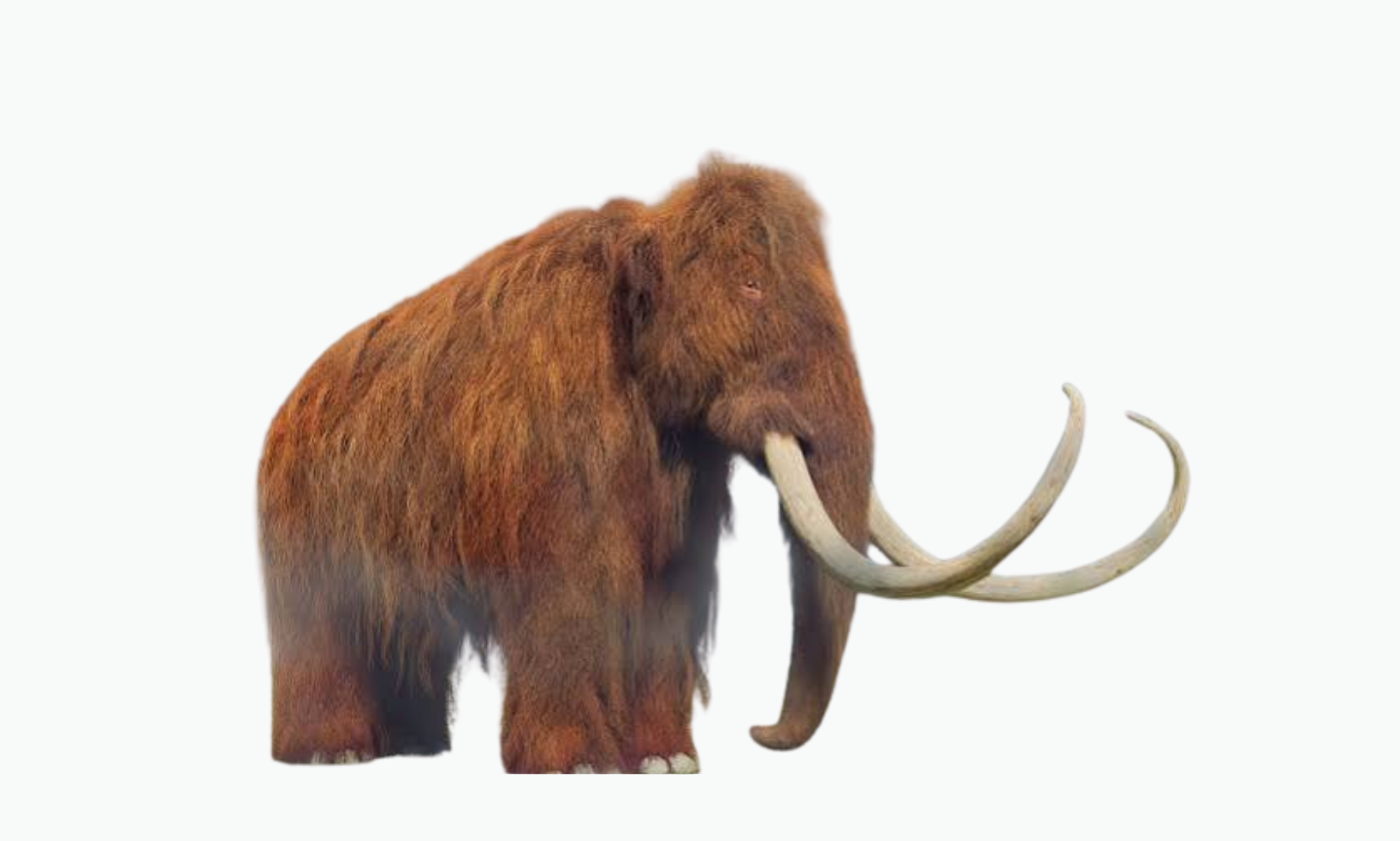
Columbian Mammoth
The Columbian mammoth was an extinct species scientifically known as Mammuthus columbi. It lived in North America during the Pleistocene and occupied a variety of environments, including grasslands and open woodland. It was generally larger than the woolly mammoth and had less extensive body hair because it lived in warmer regions. Columbian mammoths had large tusks and mainly consumed grasses, herbs, and other vegetation.
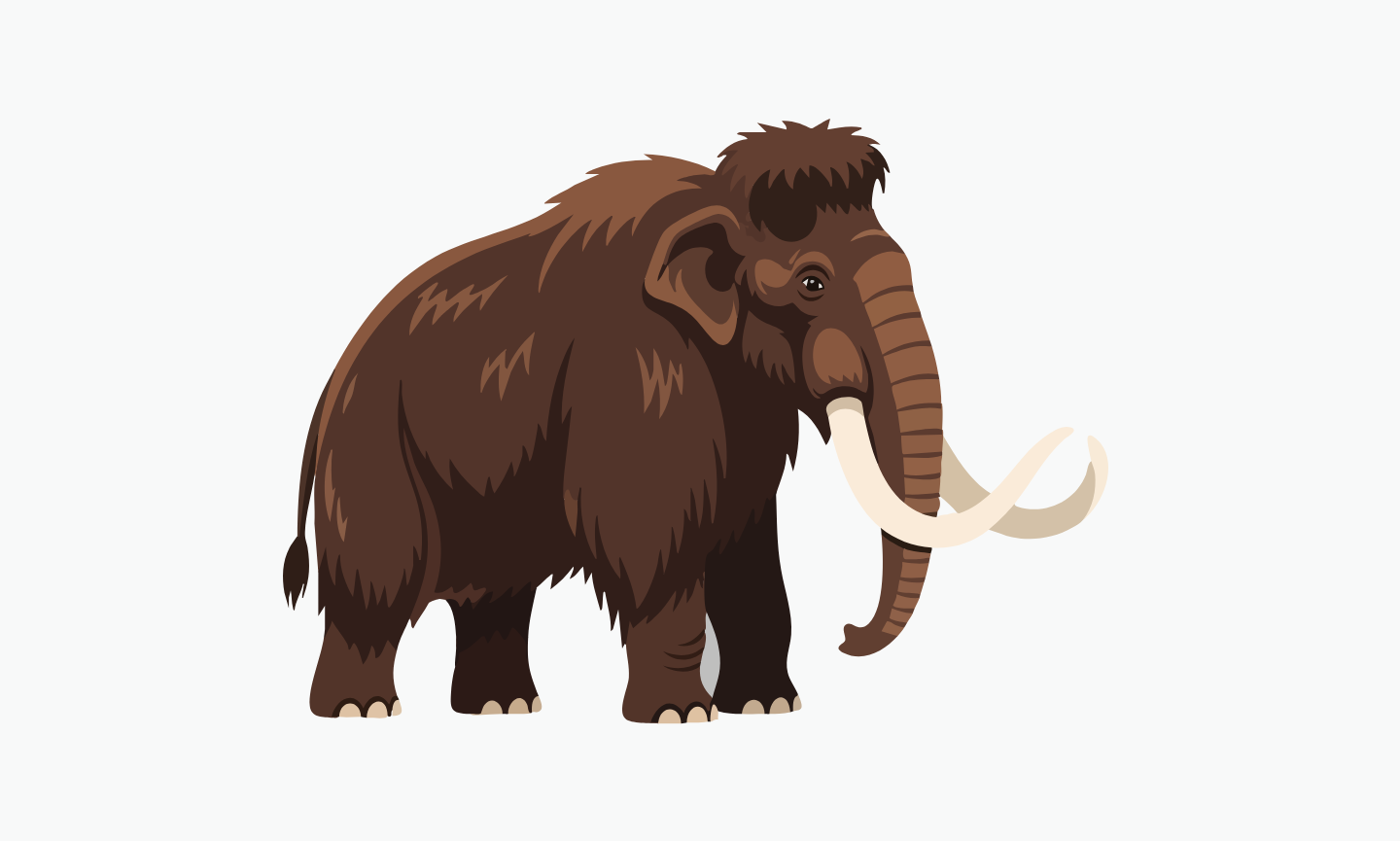
Steppe Mammoth
The steppe mammoth was an extinct species known scientifically as Mammuthus trogontherii. It lived across parts of Eurasia during the Pleistocene and was adapted to open, cold grassland environments. It was a very large mammoth, with long, curved tusks and a massive body. Its diet consisted mainly of grasses and other plants available in steppe habitats. It was an important herbivore in prehistoric ecosystems.
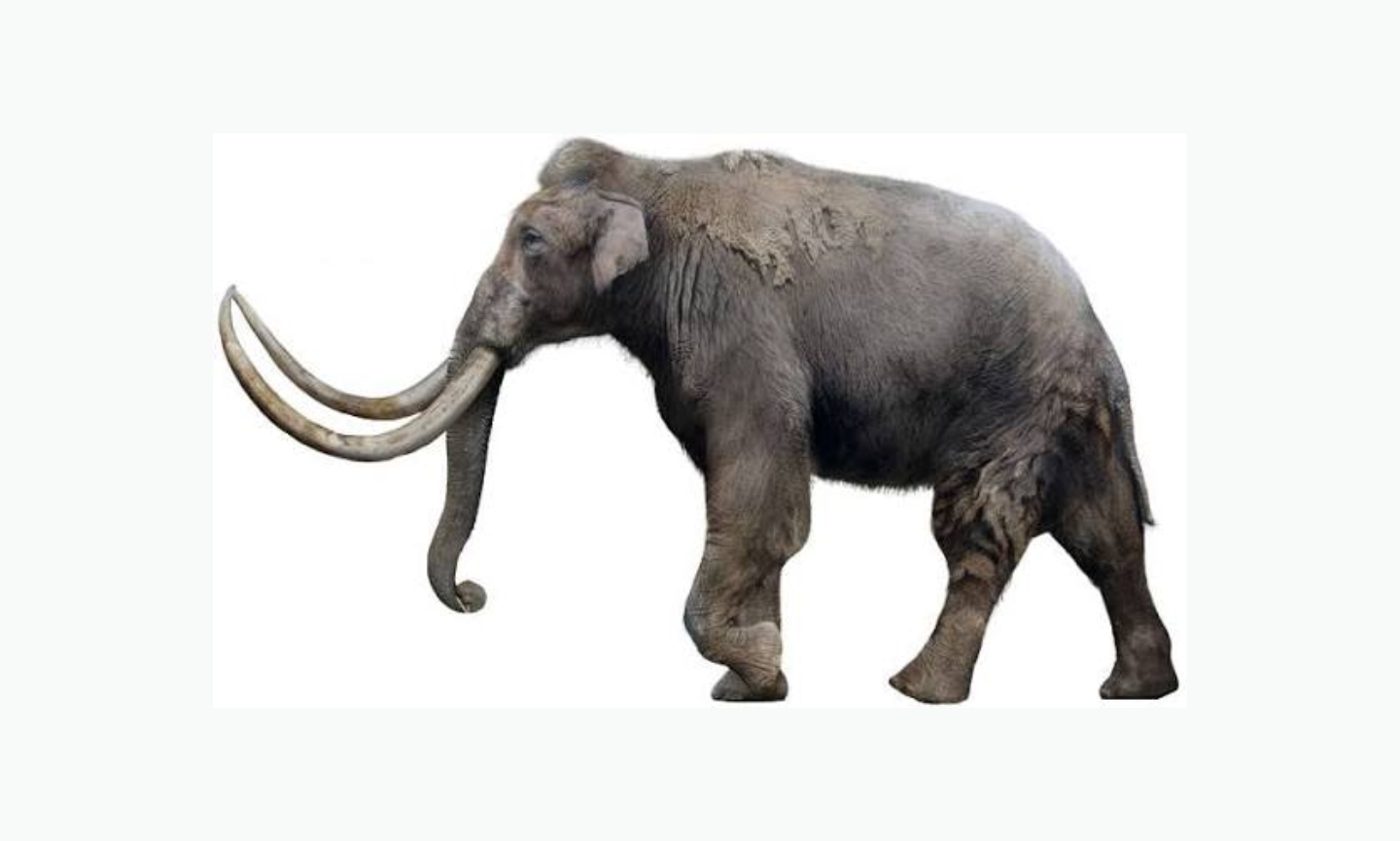
Southern Mammoth
The southern mammoth was an extinct elephant relative scientifically known as Mammuthus meridionalis. It lived during the early and middle Pleistocene across parts of Europe and Asia. It was among the earlier members of the mammoth lineage and had large, curved tusks. Compared with later Ice Age mammoths, it was less adapted to extremely cold conditions. It mainly fed on grasses, leaves, and other vegetation.
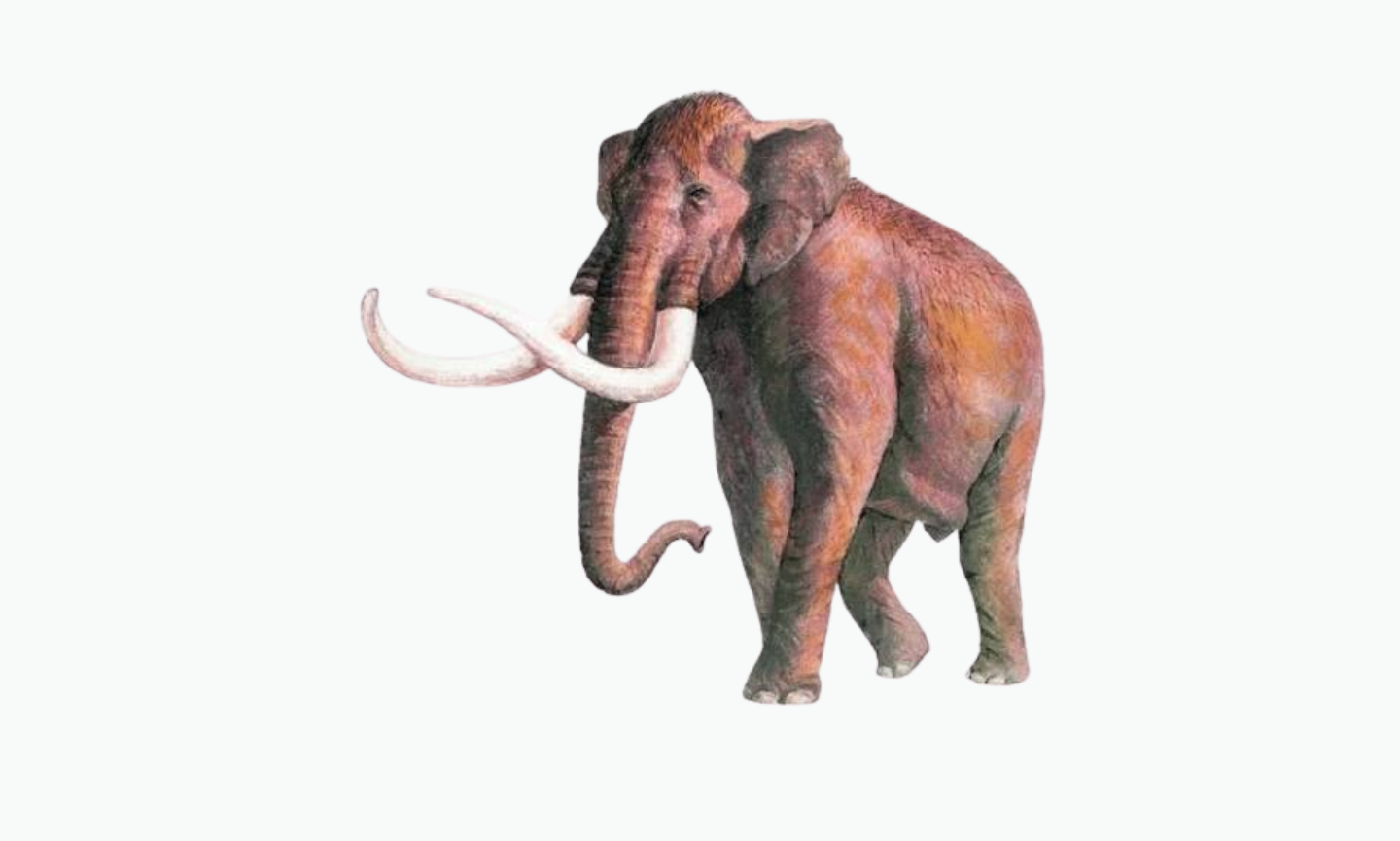
Imperial Mammoth
The imperial mammoth was an extinct mammoth species scientifically known as Mammuthus imperator. It lived in North America during the Pleistocene and was one of the largest known mammoths. It had a massive body, long legs, and large curved tusks. Imperial mammoths inhabited relatively open landscapes and fed on grasses, herbs, shrubs, and other vegetation. Fossil remains have been discovered in several parts of North America.
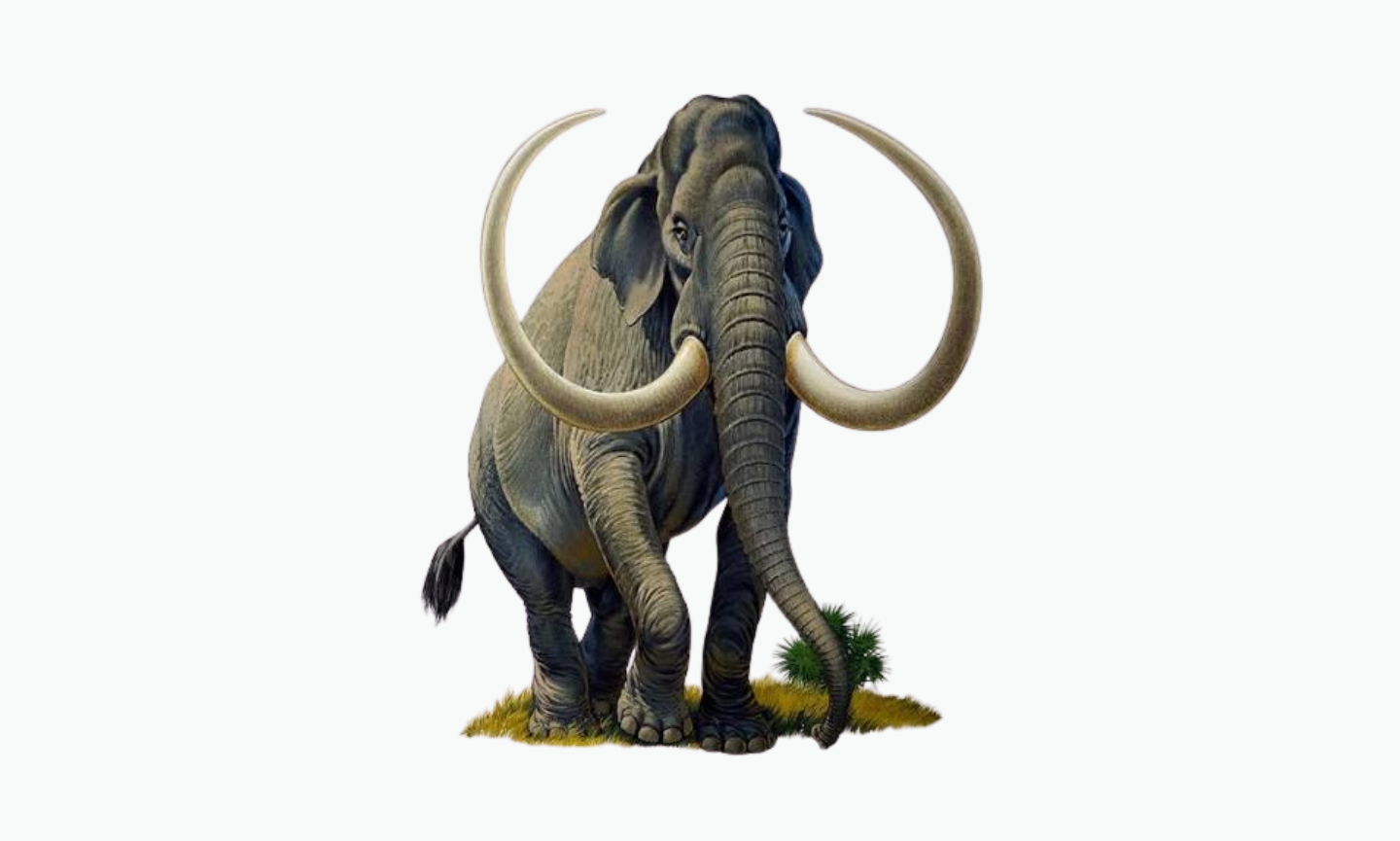
Dwarf Mammoth
Dwarf mammoths were small-bodied mammoths that evolved on islands where limited resources encouraged smaller body sizes. One well-known example is the Channel Islands pygmy mammoth, Mammuthus exilis, which lived on islands off the coast of California. It descended from larger mainland mammoths and became much smaller over generations. This island dwarfism is an example of evolutionary adaptation to restricted habitats and limited food resources.
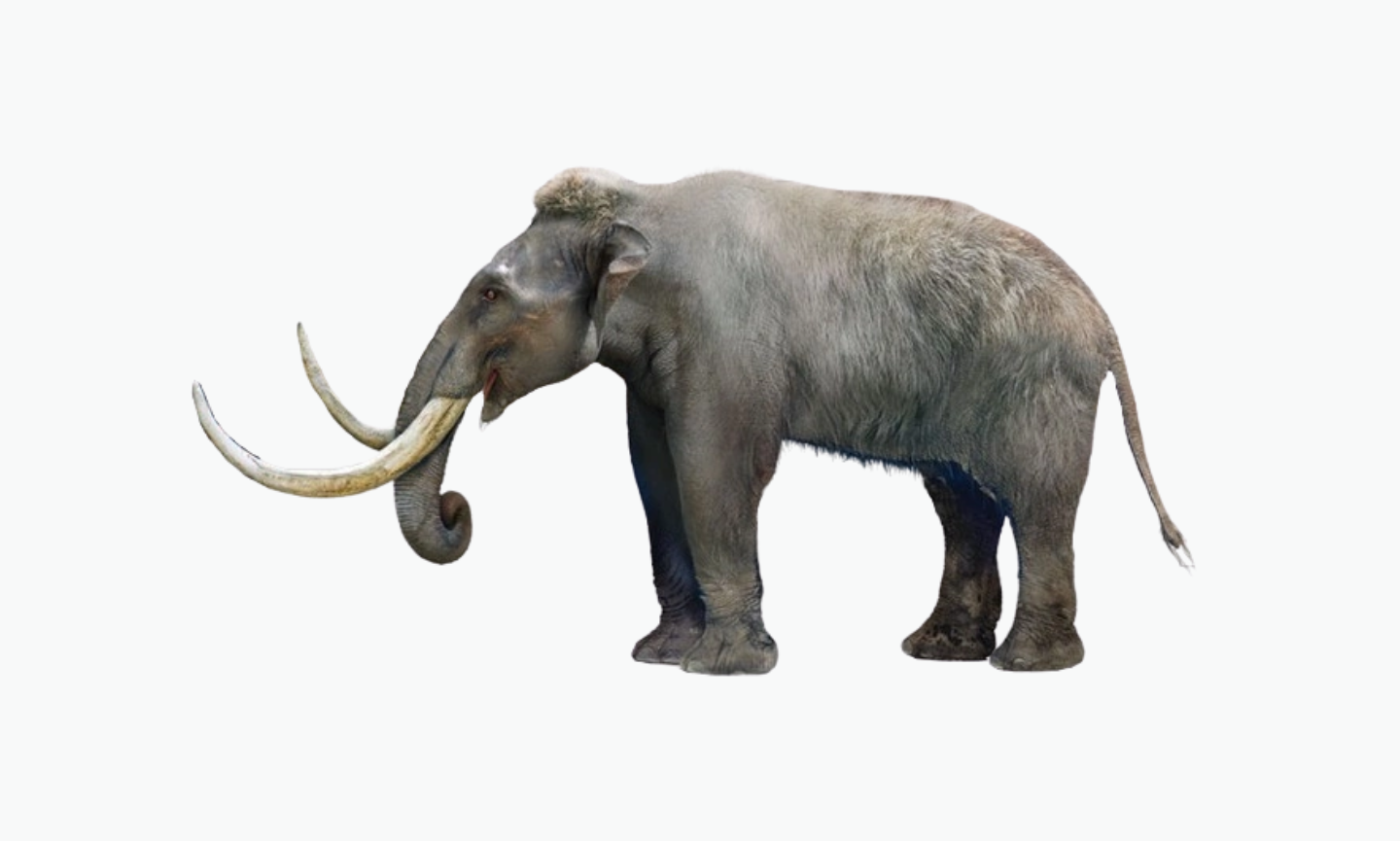
Straight-Tusked Elephant
The straight-tusked elephant was an extinct elephant species scientifically known as Palaeoloxodon antiquus. It lived across Europe and parts of western Asia during the Pleistocene. Unlike modern elephants, it had long, relatively straight tusks and a very large body. It inhabited forests, open woodland, and other temperate environments. Its diet included leaves, grasses, branches, fruits, and other plant material available in its habitat.
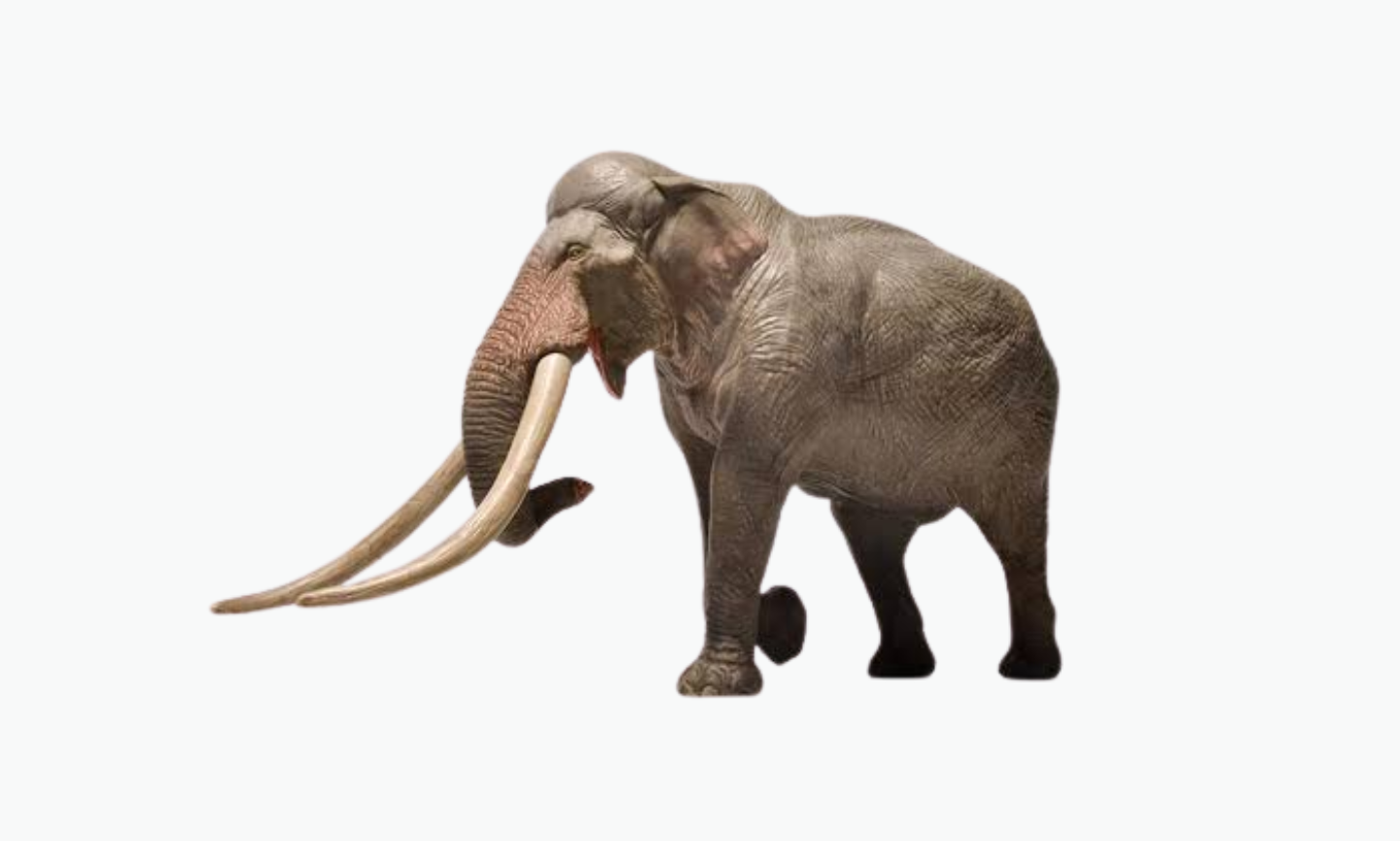
Palaeoloxodon namadicus
Palaeoloxodon namadicus was an extinct elephant species that lived during the Pleistocene in South Asia. It is known from fossil remains found mainly in the Indian subcontinent. It is considered one of the largest known terrestrial mammals, although exact size estimates remain uncertain because complete skeletons are rare. It had massive limb bones and large tusks and probably fed on a variety of vegetation.
How Are Elephants Protected?
Elephant conservation requires several approaches working together. Protecting forests, grasslands, and wildlife corridors helps elephants move between feeding and breeding areas. Anti-poaching programs help reduce illegal killing for ivory. Conservation organizations and governments also work to reduce human-elephant conflict in areas where farms and settlements overlap with elephant habitat.
30 Types of Elephant with US IPA and Descriptions
| Type of Elephant | US IPA | Short Description |
|---|---|---|
| Palaeoloxodon Naumanni | /ˌpæliːˈɑːlɒksədɑːn naʊˈmɑːni/ | An extinct elephant that lived in Japan and other parts of East Asia. |
| Stegodon | /ˈstɛɡədɑːn/ | An extinct proboscidean group related to elephants that lived mainly across Africa and Asia. |
| Stegodon Orientalis | /ˈstɛɡədɑːn ˌɔːriˈɛntəlɪs/ | An extinct Stegodon species known from Pleistocene fossil deposits in eastern and southeastern Asia. |
| Stegodon Trigonocephalus | /ˈstɛɡədɑːn ˌtraɪɡənoʊˈsɛfələs/ | An extinct Stegodon species known from fossil evidence in Southeast Asia. |
| Gomphotherium | /ˌɡɑːmfəˈθɪriəm/ | An extinct proboscidean with four tusks that lived during the Miocene and spread across several regions. |
| Deinotherium | /ˌdaɪnəˈθɪriəm/ | A large extinct proboscidean with distinctive downward-curving lower tusks, unlike modern elephants. |
| Anancus | /ˈænənkəs/ | An extinct proboscidean known for exceptionally long, nearly straight tusks and a short lower jaw. |
| Platybelodon | /ˌplætɪˈbɛlədɑːn/ | An extinct shovel-tusked proboscidean known for its broad lower tusks and unusual feeding adaptations. |
| Amebelodon | /əˈmiːbələdɑːn/ | An extinct shovel-tusked proboscidean that lived in North America and Eurasia during the Miocene. |
| Cuvieronius | /ˌkuːviəˈroʊniəs/ | An extinct gomphothere that lived in North and South America and had spiral-shaped tusks. |
| Notiomastodon | /ˌnoʊtiəˈmæstədɑːn/ | An extinct South American gomphothere that lived during the Pleistocene. |
| Moeritherium | /ˌmɔːrəˈθɪriəm/ | An ancient extinct proboscidean that lived in Africa and had a smaller body than modern elephants. |
| Palaeomastodon | /ˌpæliːoʊˈmæstədɑːn/ | An early extinct proboscidean from Africa that lived millions of years before modern elephants. |
| Primelephas | /praɪˈmɛləfəs/ | An extinct early member of the elephant family, important in the evolutionary history of elephants. |
Are All Elephant Names Actually Species?
African Savanna Elephant, African Forest Elephant, and Asian Elephant are living species. Indian Elephant, Sri Lankan Elephant, Sumatran Elephant, and Bornean Elephant are classifications within the Asian Elephant rather than four additional living species. There are also many extinct proboscideans, including mammoths and other ancient relatives.
Pictires of Elephant with Types
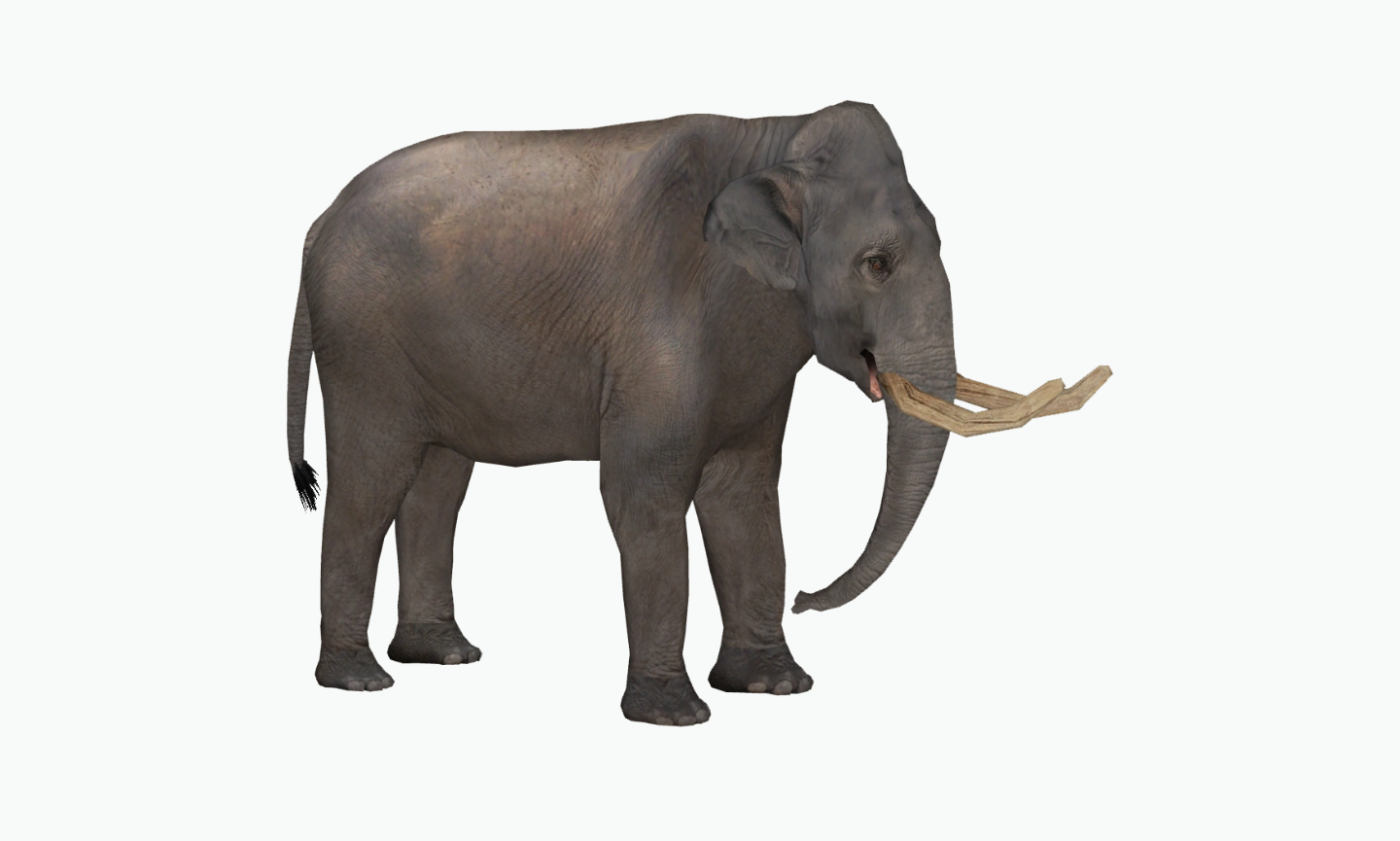
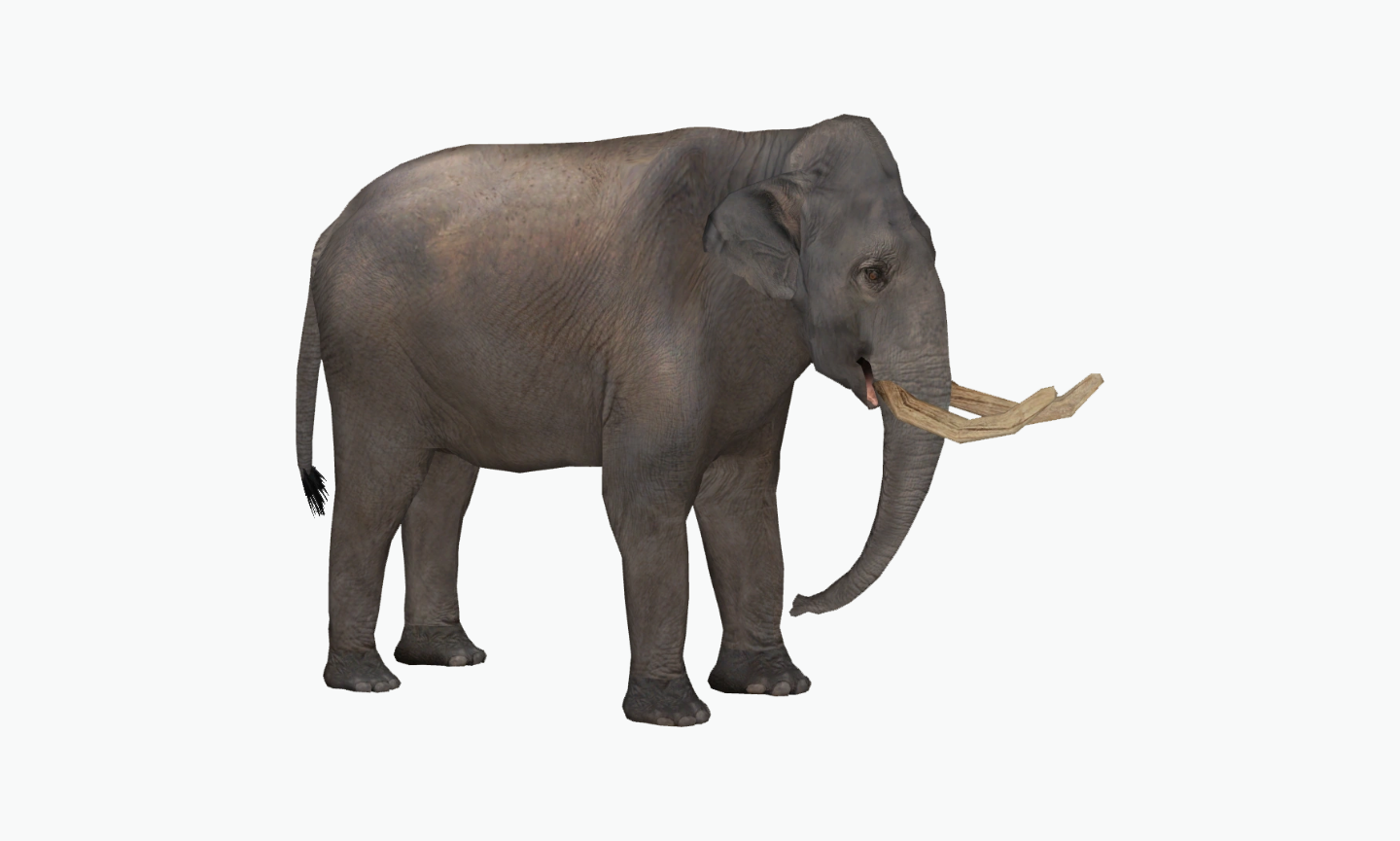
Palaeoloxodon Naumanni
Palaeoloxodon naumanni was an extinct elephant species that lived in Japan and parts of East Asia during the Pleistocene. It was related to the straight-tusked elephants and had a large body with long tusks. Fossils have been found at several Japanese sites. It lived in forests and open environments and probably fed on leaves, grasses, branches, fruits, and other vegetation available in its habitat.
Stegodon
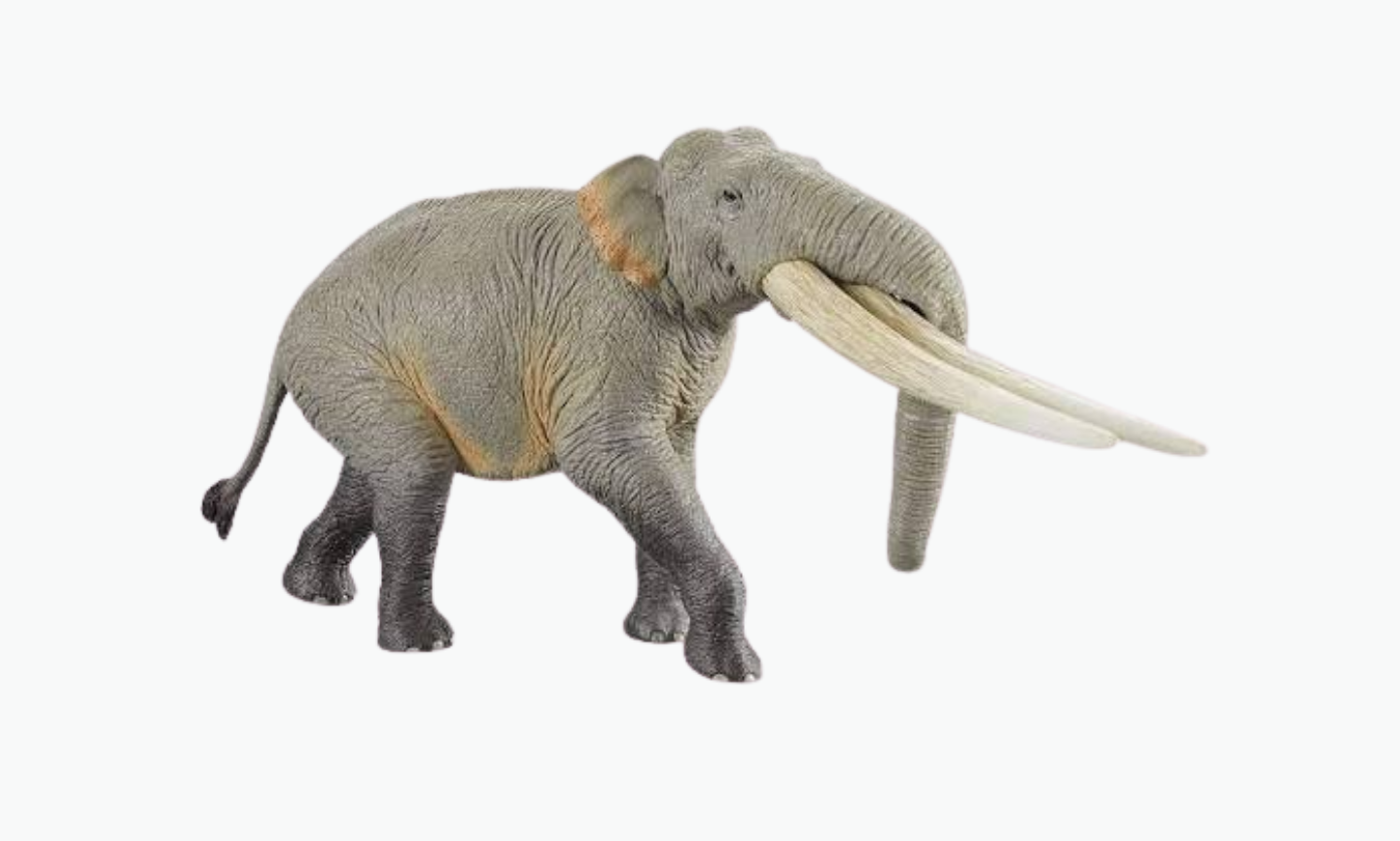
Stegodon was an extinct genus of elephant relatives that lived mainly across Asia during the Miocene and Pleistocene. Its members had large bodies, long tusks, and distinctive molar teeth with numerous ridges. Different Stegodon species occupied forests, grasslands, and other habitats. They were herbivores that likely ate grasses, leaves, branches, fruits, and other plant material, depending on their environment.
Stegodon Orientalis | Types of Elephant
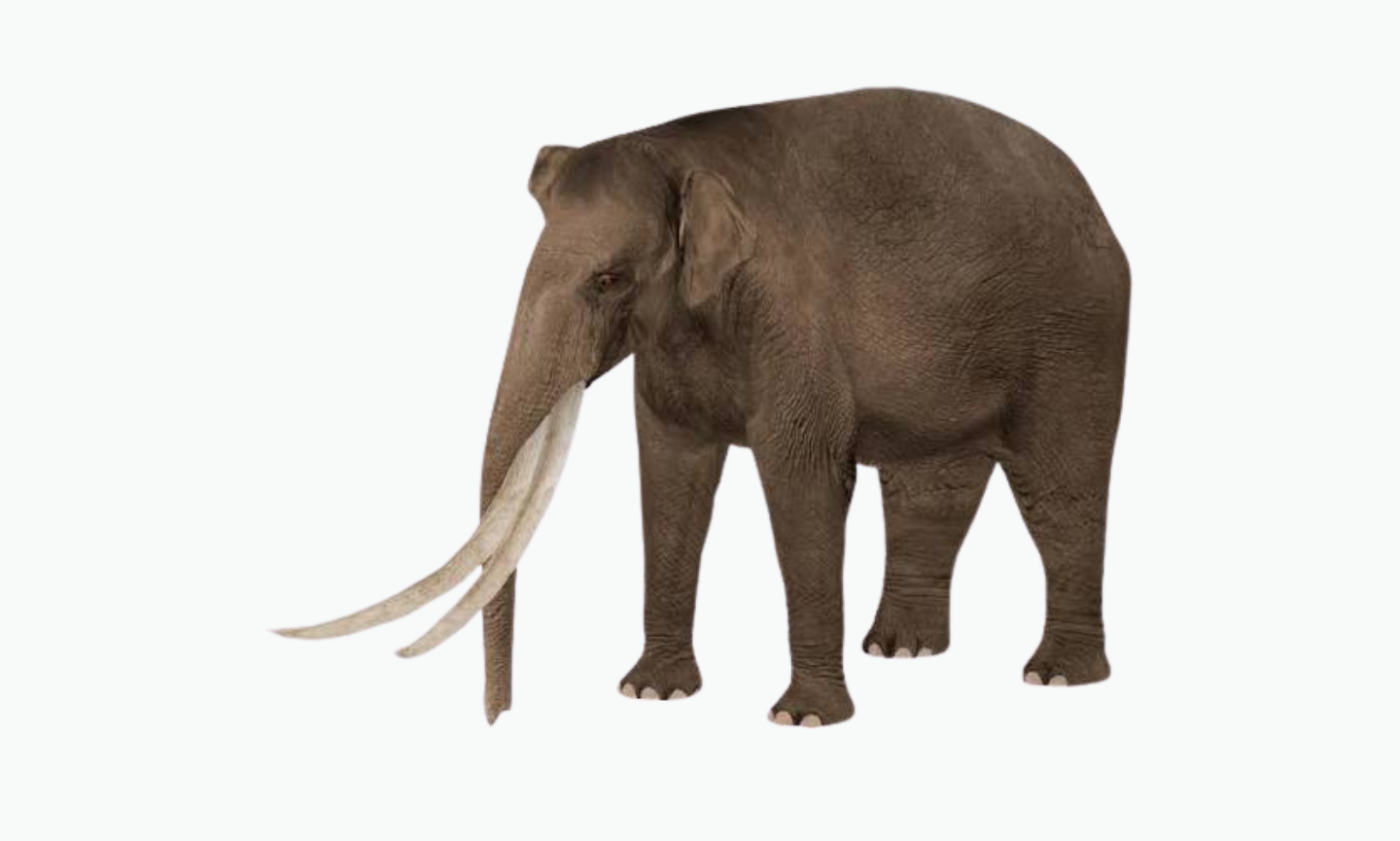
Stegodon orientalis was an extinct elephant species that lived in parts of East and Southeast Asia during the Pleistocene. It had a large body, long tusks, and ridged molar teeth typical of Stegodon. Fossils have been found in China and surrounding regions. It inhabited different environments and was a herbivore, feeding on grasses, leaves, branches, fruits, and other vegetation available in its surroundings.
Stegodon Trigonocephalus
Stegodon trigonocephalus was an extinct elephant species that lived on Java during the Pleistocene. It belonged to the genus Stegodon, known for its distinctive ridged molars and large tusks. Fossil remains have been discovered at several Indonesian sites. Like other elephant relatives, it was herbivorous and probably consumed grasses, leaves, branches, fruits, and other plant material depending on the habitats it occupied.
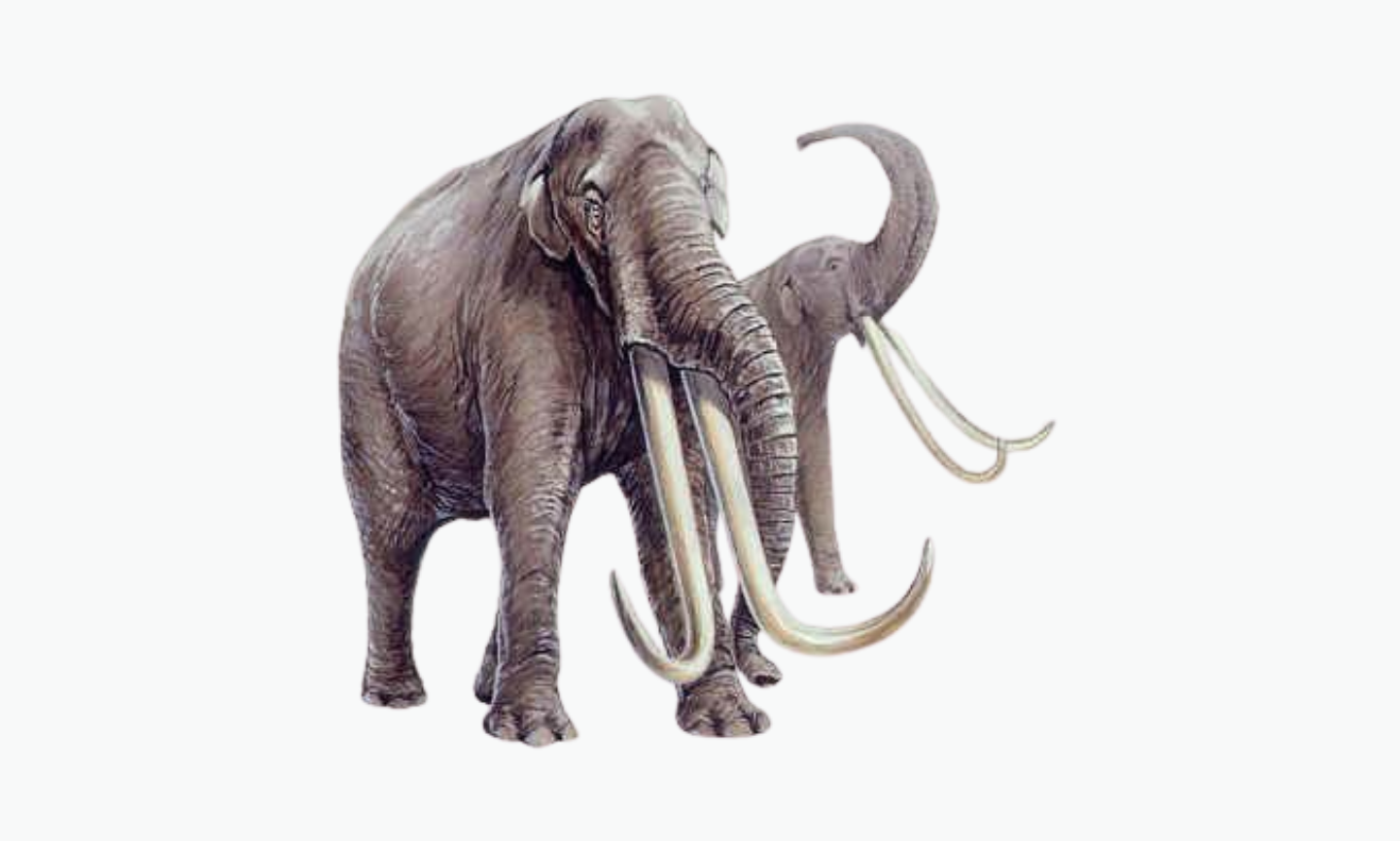
Gomphotherium
Gomphotherium was an extinct genus of proboscideans that lived mainly during the Miocene. It had a long lower jaw and four tusks, including a pair extending from the lower jaw. Its fossils have been found across parts of Europe, Asia, Africa, and North America. Gomphotherium lived in various environments and ate vegetation, including leaves, grasses, fruits, and other available plant material.
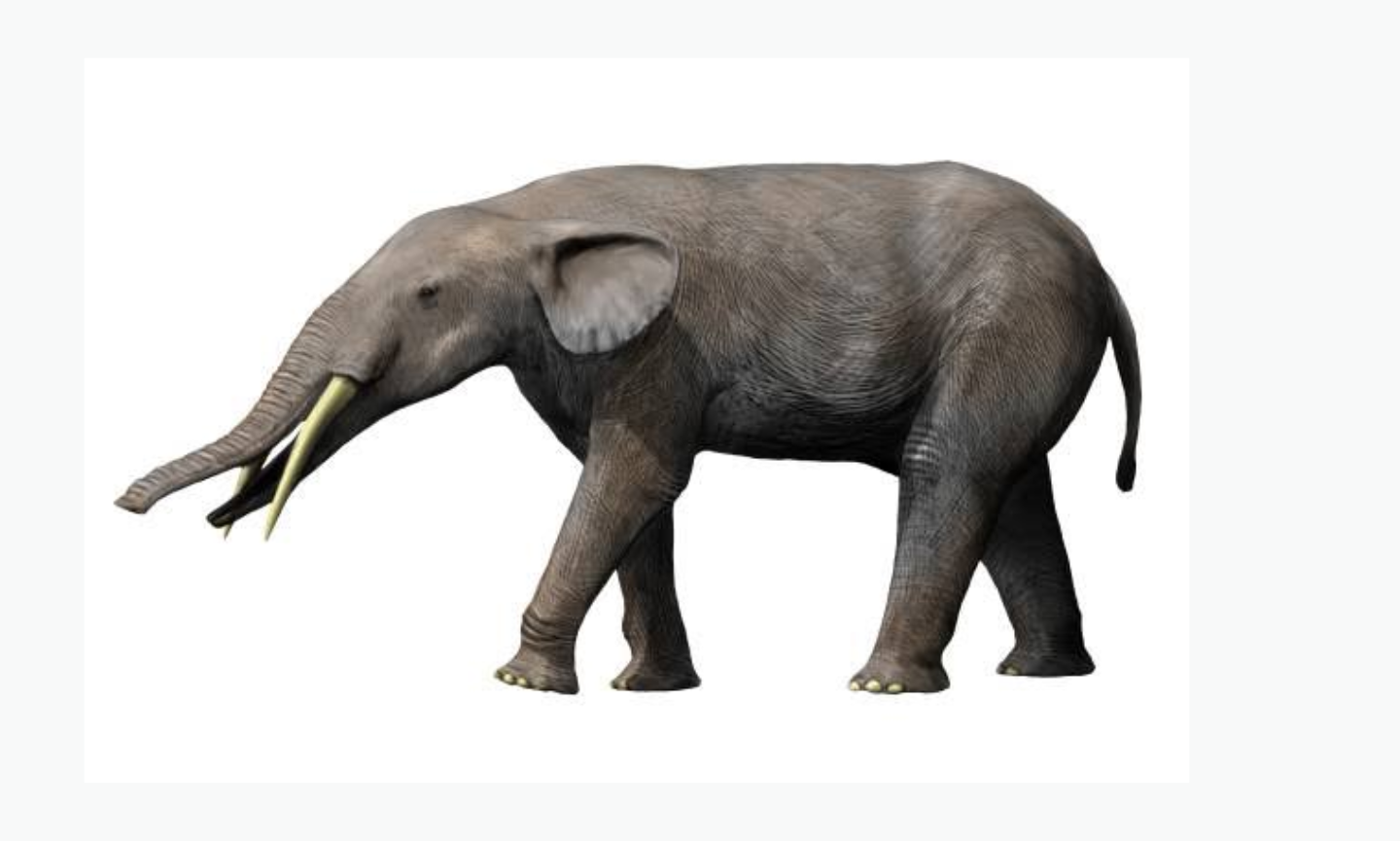
Deinotherium
Deinotherium was an extinct genus of large proboscideans that lived from the Miocene into the early Pleistocene. It had a distinctive pair of downward-curving tusks attached to the lower jaw rather than the upper jaw. Its fossils have been found in Africa, Europe, and Asia. Deinotherium was a herbivore that probably used its trunk and tusks while feeding on leaves, branches, and other vegetation.
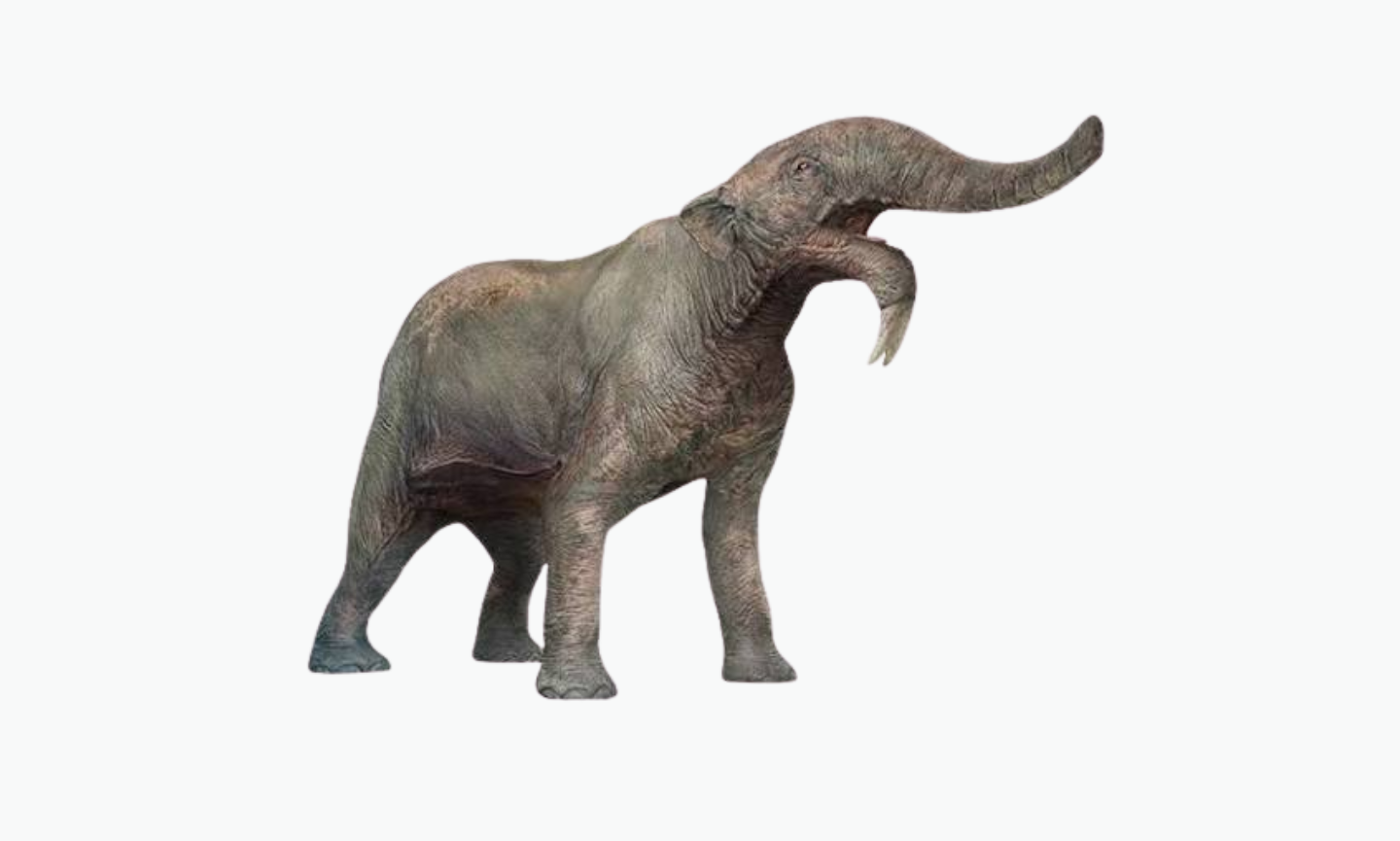
Anancus
Anancus was an extinct genus of proboscideans that lived mainly during the Miocene and Pliocene. It had a large body and exceptionally long, nearly straight upper tusks. Its fossils have been discovered in Africa, Europe, and Asia. Unlike some earlier proboscideans, it had no lower tusks. Anancus was herbivorous and likely fed on grasses, leaves, branches, fruits, and other plant material.
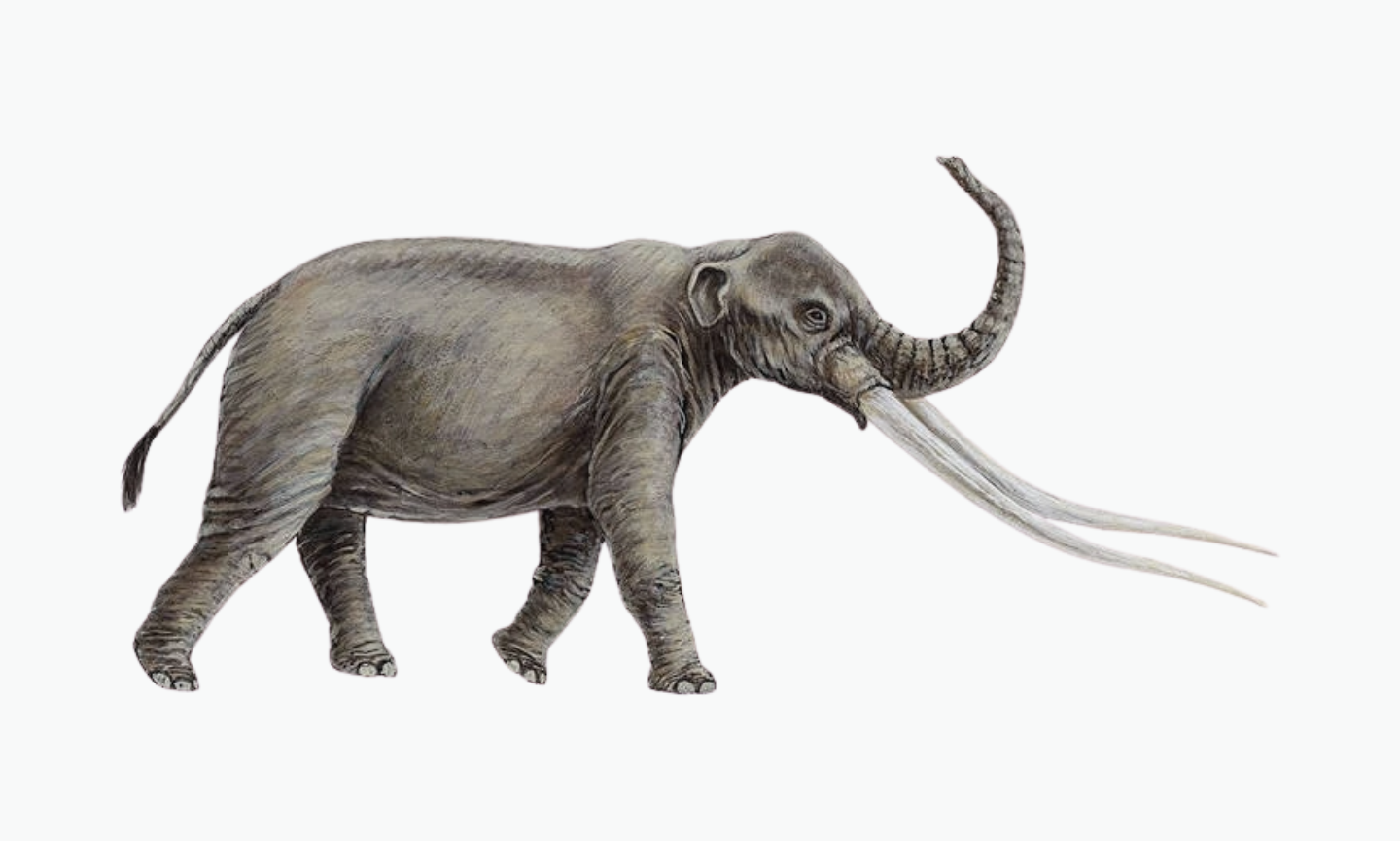
Platybelodon
Platybelodon was an extinct genus of proboscideans that lived during the Miocene. It had a long lower jaw with flattened lower tusks and a broad, shovel-like structure. These unusual teeth may have helped it gather or process vegetation from wet or soft environments. Fossils have been found across parts of Asia, Europe, and North America. It was a plant-eating member of the proboscidean group.
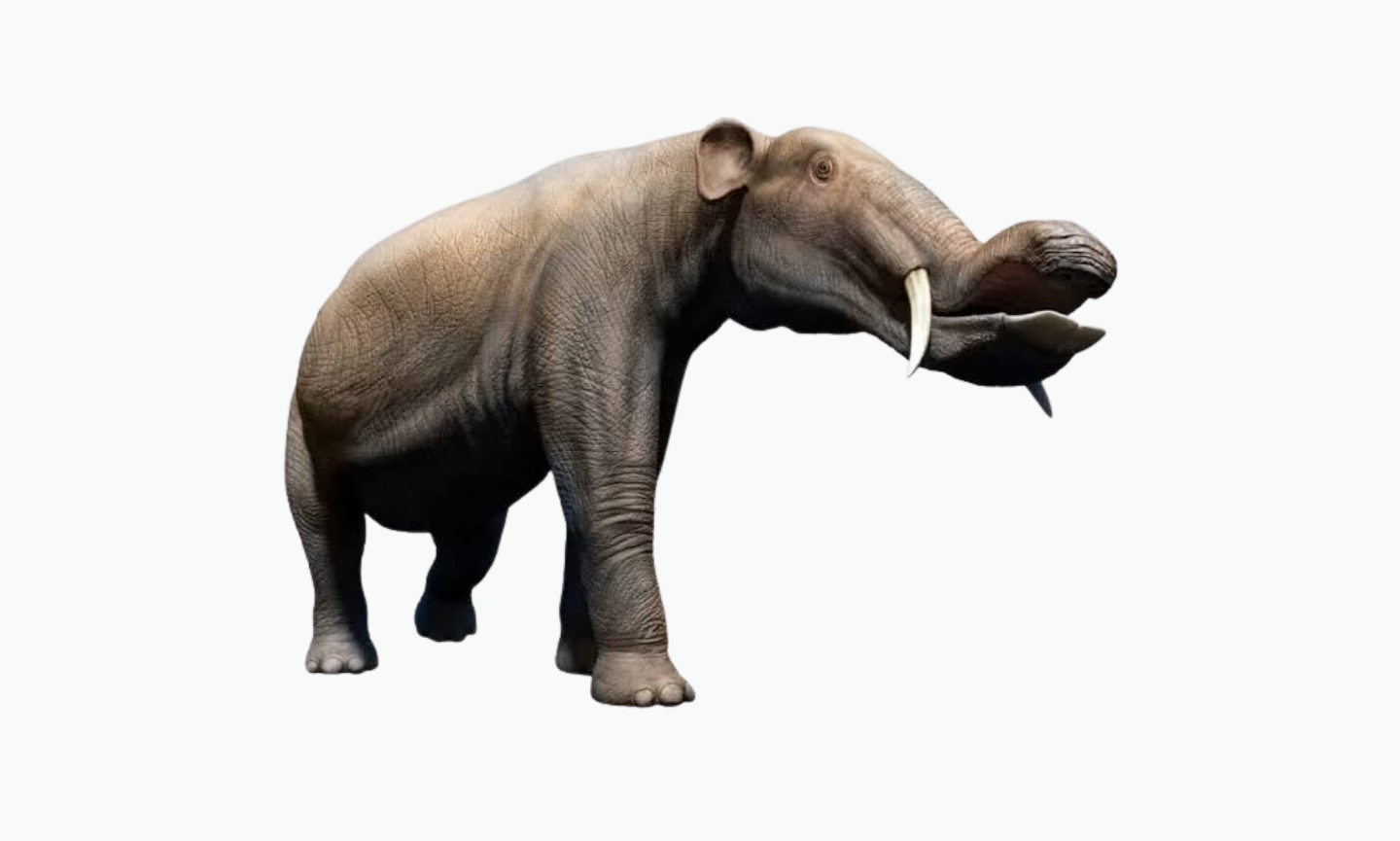
Amebelodon | Types of Elephant
Amebelodon was an extinct genus of shovel-tusked proboscideans that lived mainly during the Miocene and early Pliocene. It had elongated lower jaws and flattened lower tusks that formed a shovel-like shape. Its fossils have been found in North America and other regions. Amebelodon lived in environments near water and probably used its unusual tusks and trunk to gather aquatic plants, grasses, roots, and other vegetation.
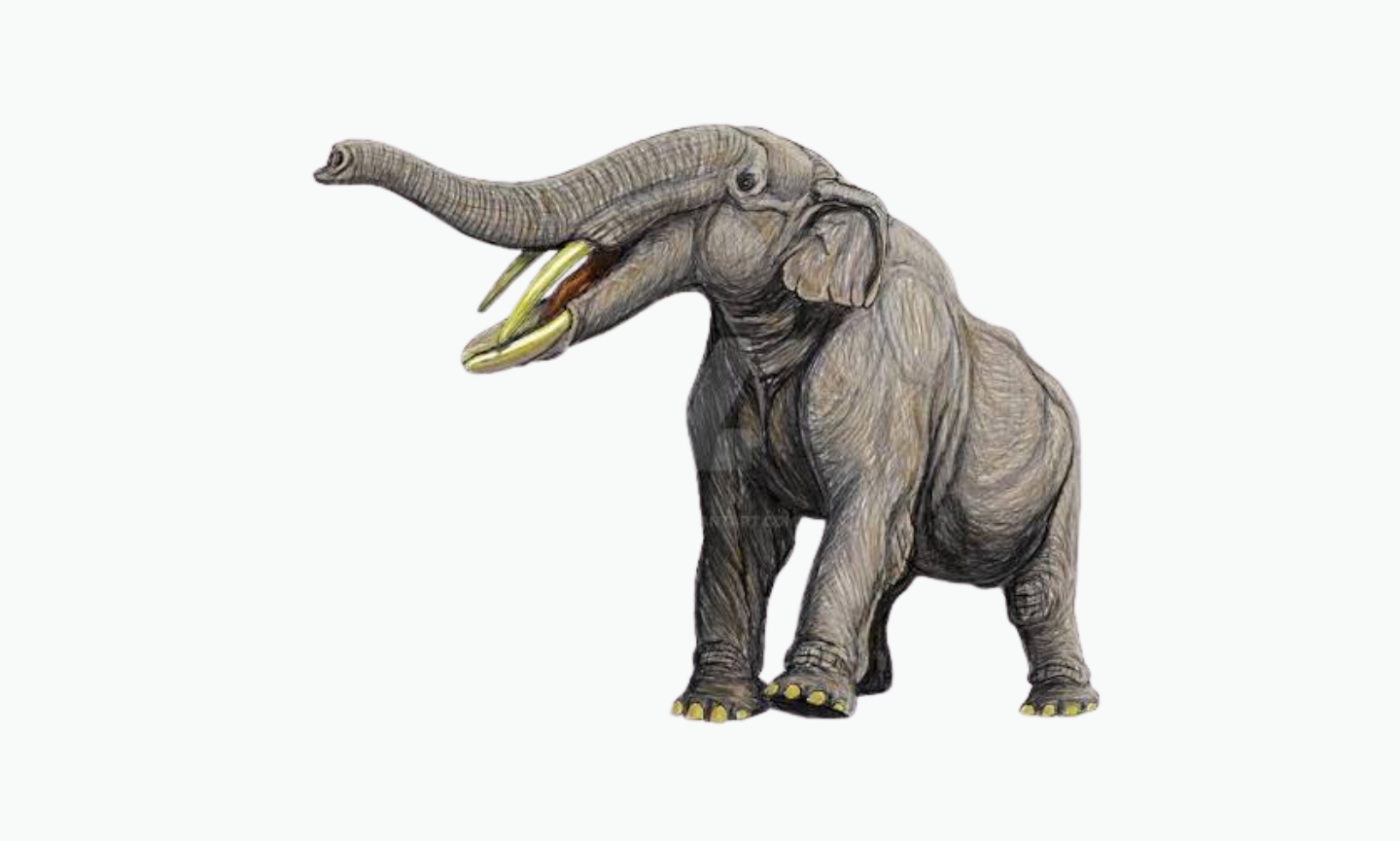
Cuvieronius
Cuvieronius was an extinct genus of proboscideans that lived in North and South America during the Pleistocene. It had a large body, long tusks, and distinctive spiral grooves on its tusks in some specimens. These animals inhabited a variety of environments and were herbivores. Their diet likely included grasses, leaves, fruits, and other vegetation available in the forests, grasslands, and open habitats where they lived.
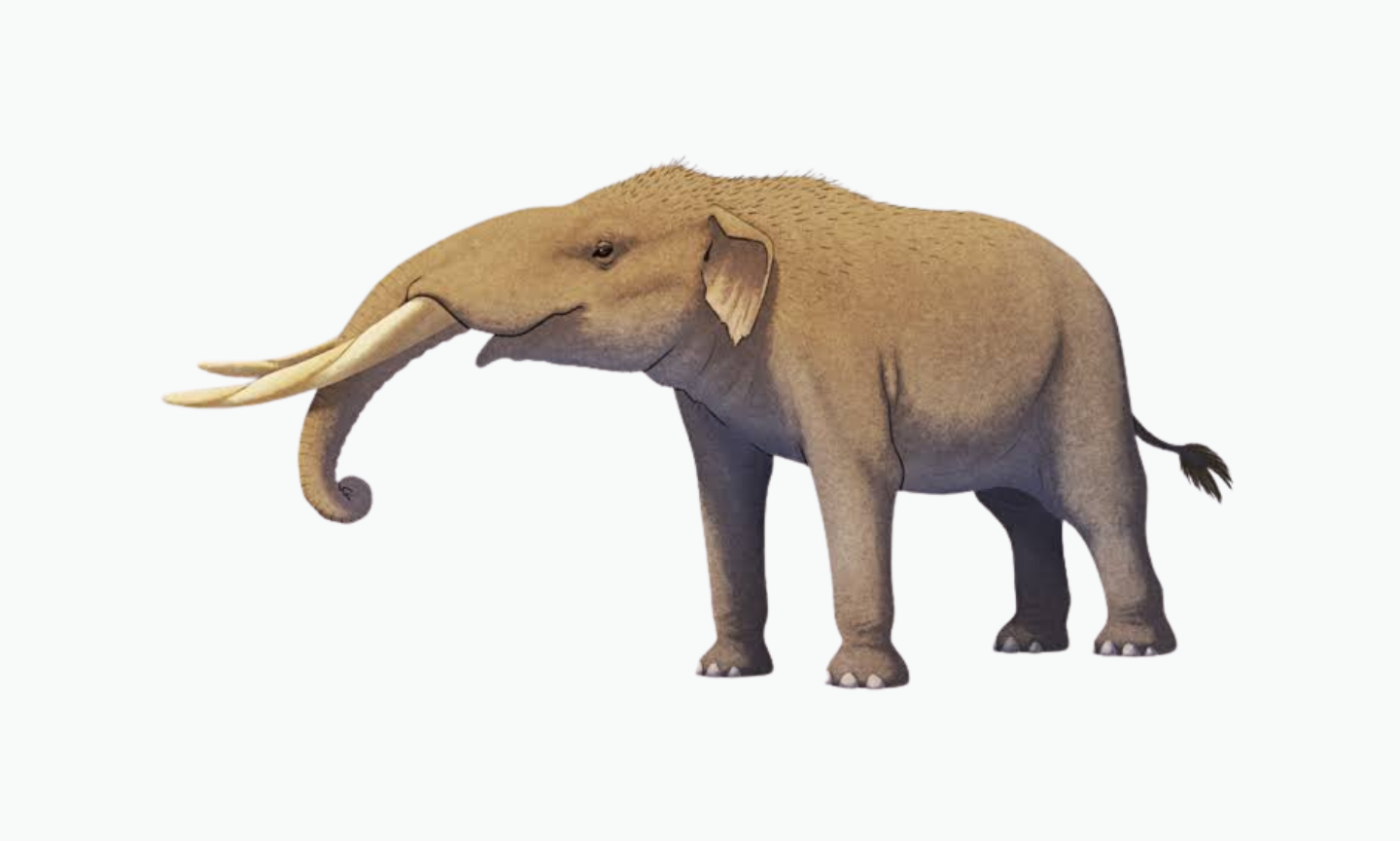
Notiomastodon
Notiomastodon was an extinct genus of proboscideans that lived in South America during the Pleistocene. It was a large, elephant-like herbivore with long tusks and a robust body. Fossils have been discovered in several South American countries. It occupied different habitats, including open areas and forests, and probably ate grasses, leaves, fruits, roots, and other vegetation depending on local environmental conditions.
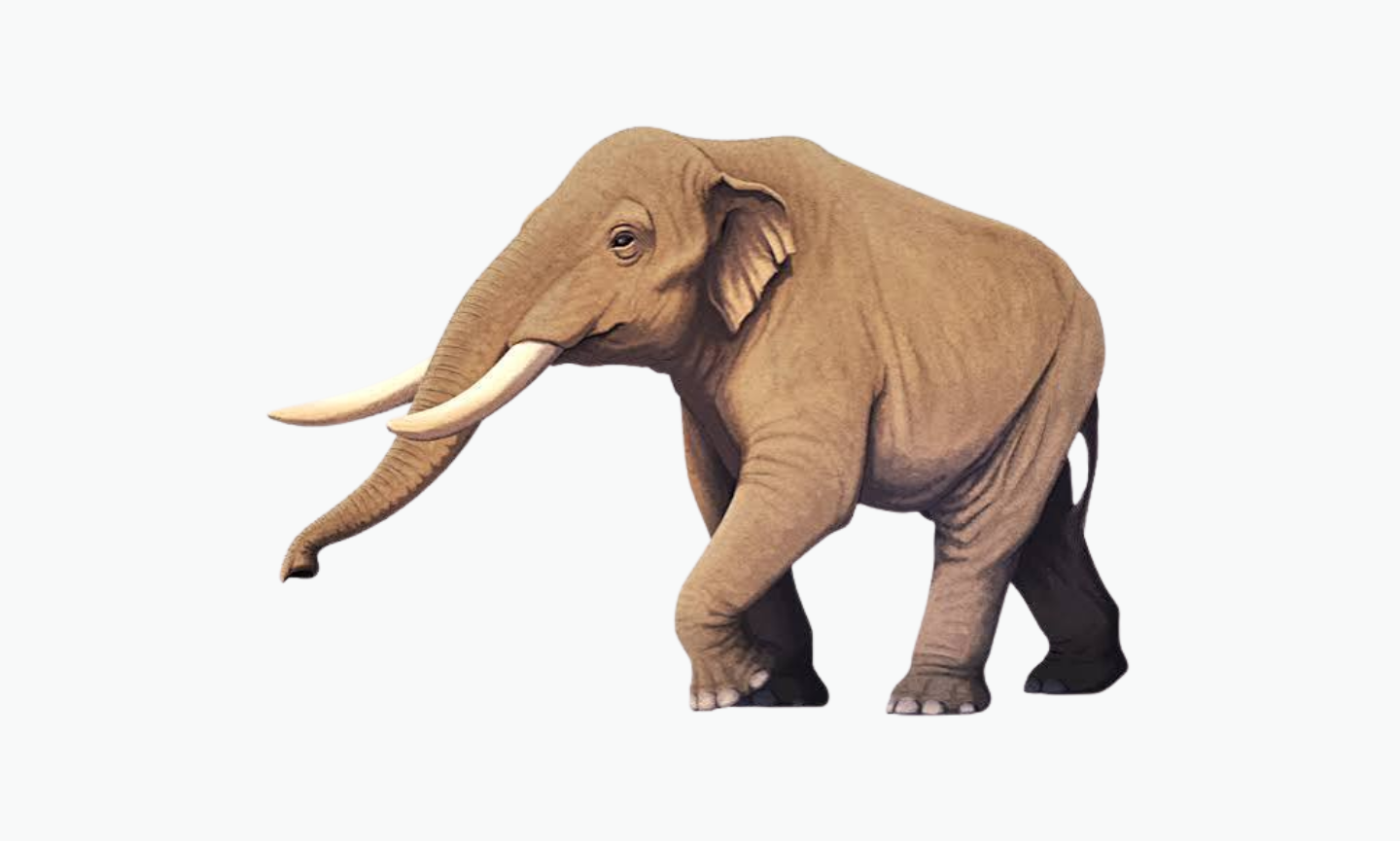
Moeritherium
Moeritherium was an extinct, early proboscidean that lived during the Eocene in northern Africa. It was much smaller than modern elephants and had a low, barrel-shaped body with a short trunk-like upper lip. It probably lived near water in swampy environments. Its teeth suggest a plant-based diet, and it likely fed on soft aquatic vegetation, grasses, leaves, and other plants growing around wetlands.
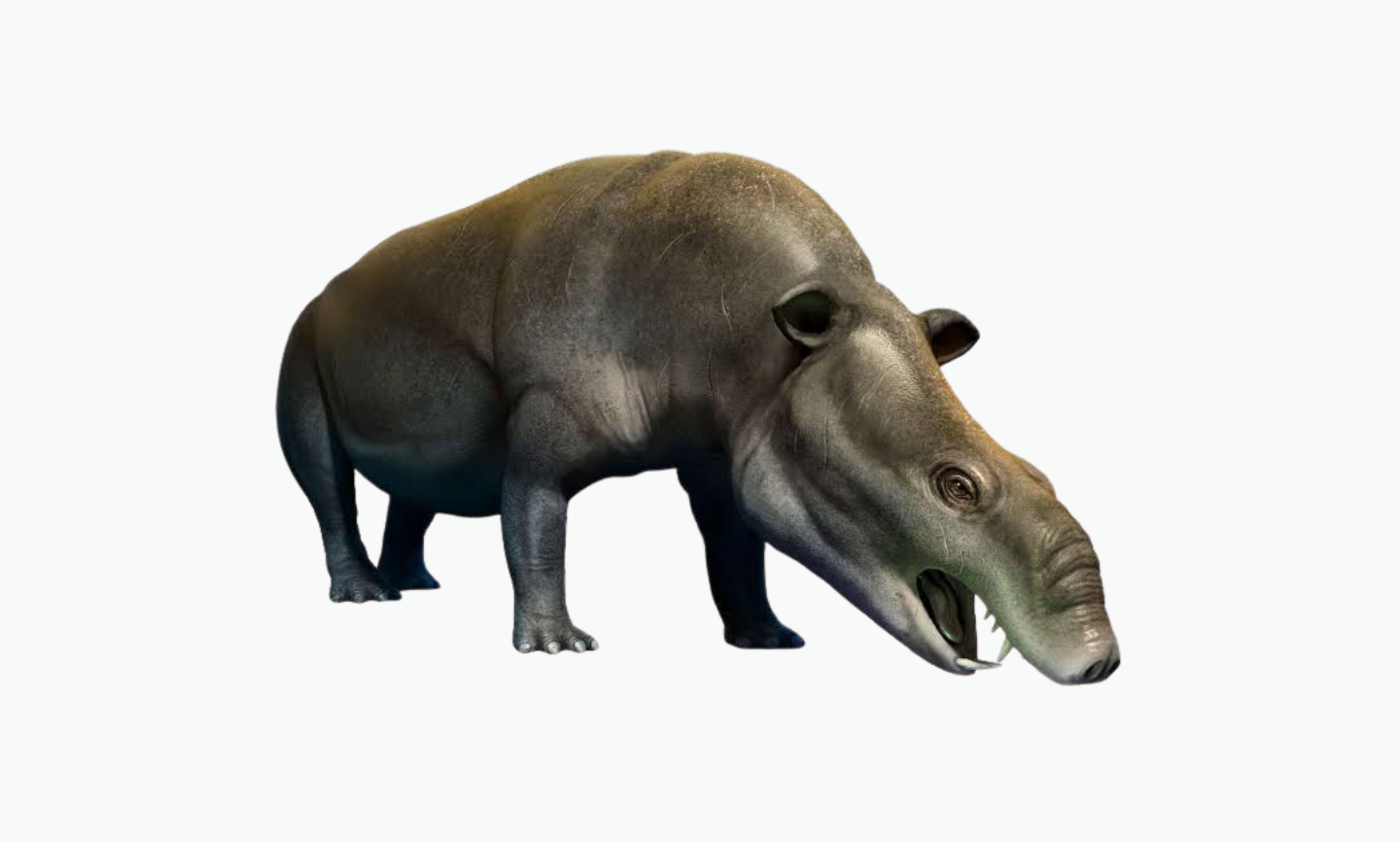
Palaeomastodon
Palaeomastodon was an extinct early proboscidean that lived during the late Eocene and early Oligocene in Africa. It had a large body, a relatively short trunk, and tusks in both the upper and lower jaws. Its fossils are especially associated with the Fayum region of Egypt. It probably lived in environments near water and fed on leaves, grasses, roots, and other vegetation.
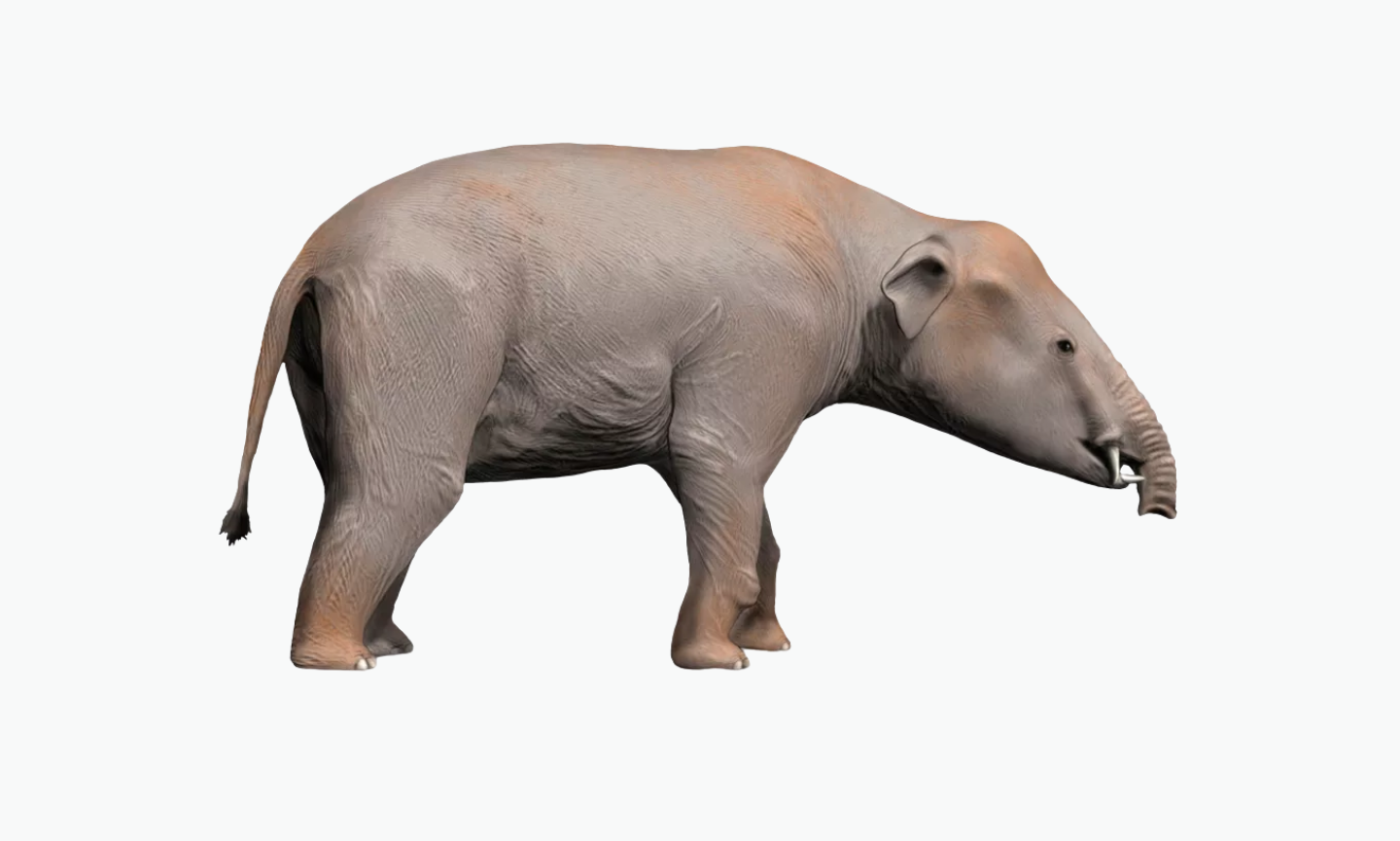
Primelephas
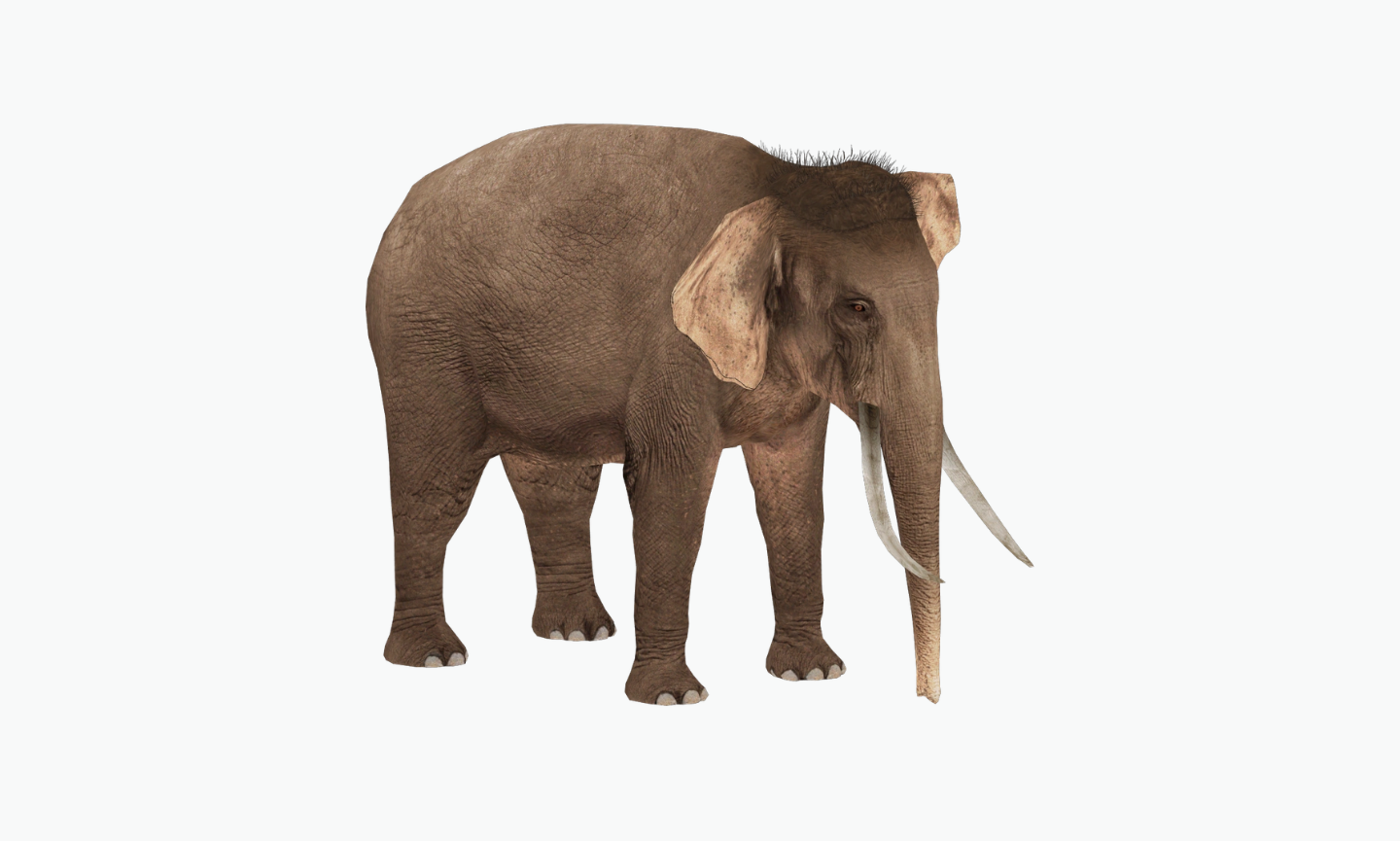
Primelephas was an extinct genus of early elephant relatives that lived in Africa during the late Miocene and Pliocene. It is important in elephant evolution because it is closely related to the lineage leading toward modern elephants and mammoths. Primelephas had tusks and a trunk like later proboscideans. It was herbivorous and likely fed on grasses, leaves, fruits, branches, and other vegetation.
Frequently Asked Questions of Elephants
How many elephant species are alive today?
There are three living elephant species: the African Savanna Elephant, African Forest Elephant, and Asian Elephant.
What are the two types of African elephants?
The two recognized African species are the African Savanna Elephant (Loxodonta africana) and the African Forest Elephant (Loxodonta cyclotis).
What is the largest type of elephant?
The African Savanna Elephant is generally considered the largest living elephant species and the largest living land mammal.
Are African and Asian elephants different species?
Yes. African Savanna and African Forest Elephants belong to the genus Loxodonta, while the Asian Elephant belongs to the genus Elephas.
Which elephant is critically endangered?
The African Forest Elephant is currently classified as Critically Endangered by the IUCN. African Savanna Elephants and Asian Elephants are classified as Endangered.
Are mammoths a type of elephants?
Mammoths were extinct members of the elephant family and close relatives of living elephants, but they are not living elephant types. They should therefore be discussed separately as extinct elephant relatives.
Conclusion
The living elephant world is more diverse than a simple three-name list might suggest. There are three recognized living elephant species—the African Savanna Elephant, African Forest Elephant, and Asian Elephant—along with recognized Asian Elephant subspecies such as the Indian, Sri Lankan, Sumatran, and Bornean elephants. Understanding the difference between species and subspecies makes information about types of elephants more accurate and prevents extinct relatives or regional populations from being incorrectly presented as separate modern species.