Mammals are a fascinating group of animals found in almost every part of the world. They come in many different shapes and sizes, from tiny mice and bats to huge elephants and whales. Most mammals have hair or fur and feed their young with milk. In this guide, you will learn about different types of mammals with pictures, along with their names in simple English.
Different Types of Mammals
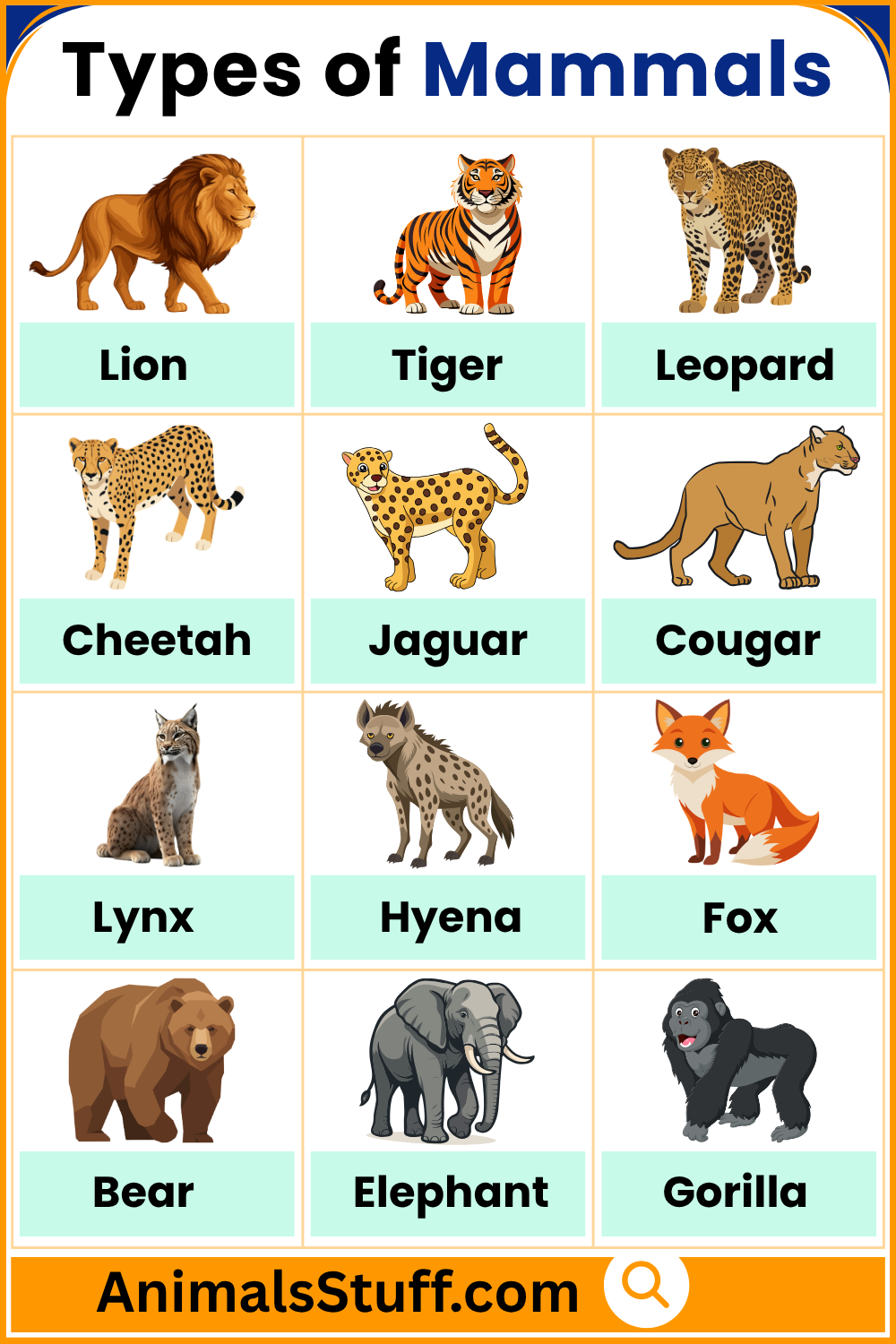
| Mammal | US IPA | Mammal | US IPA | Mammal | US IPA |
|---|---|---|---|---|---|
| Lion | /ˈlaɪən/ | Tiger | /ˈtaɪɡər/ | Leopard | /ˈlɛpərd/ |
| Cheetah | /ˈtʃiːtə/ | Jaguar | /ˈdʒæɡwɑːr/ | Cougar | /ˈkuːɡər/ |
| Lynx | /lɪŋks/ | Hyena | /haɪˈiːnə/ | Fox | /fɑːks/ |
| Bear | /ber/ | Elephant | /ˈɛləfənt/ | Rhinoceros | /raɪˈnɑːsərəs/ |
| Hippopotamus | /ˌhɪpəˈpɑːtəməs/ | Gorilla | /ɡəˈrɪlə/ | Chimpanzee | /ˌtʃɪmpænˈziː/ |
| Orangutan | /əˈræŋətæn/ | Baboon | /bəˈbuːn/ | Wolf | /wʊlf/ |
| Coyote | /kaɪˈoʊti/ | Jackal | /ˈdʒækəl/ | Giraffe | /dʒəˈræf/ |
| Zebra | /ˈziːbrə/ | Camel | /ˈkæməl/ | Llama | /ˈlɑːmə/ |
| Alpaca | /ælˈpækə/ | Donkey | /ˈdɑːŋki/ | Horse | /hɔːrs/ |
100 Types of Mammals and Pictures
Lion
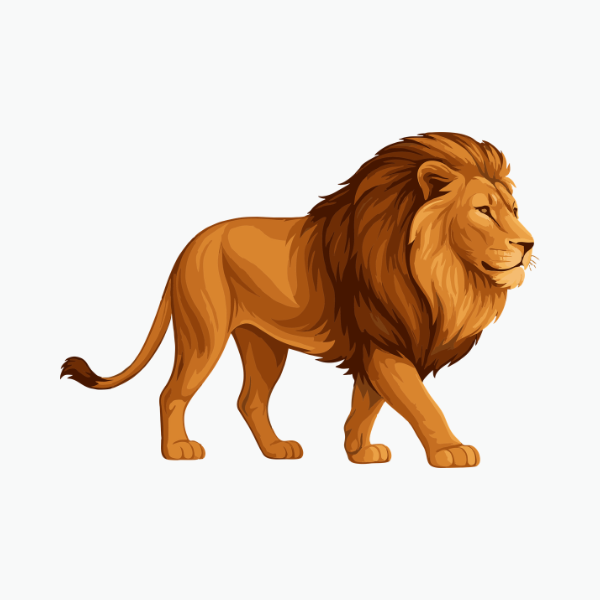
A lion is a large wild mammal and one of the best-known big cats in the world. It has a strong body, powerful legs, sharp claws, and a long tail. Male lions usually have a thick mane around their head and neck. Lions often live in family groups called prides. They mainly eat other animals and use teamwork when hunting. They usually rest during the hottest parts of the day.
Tiger
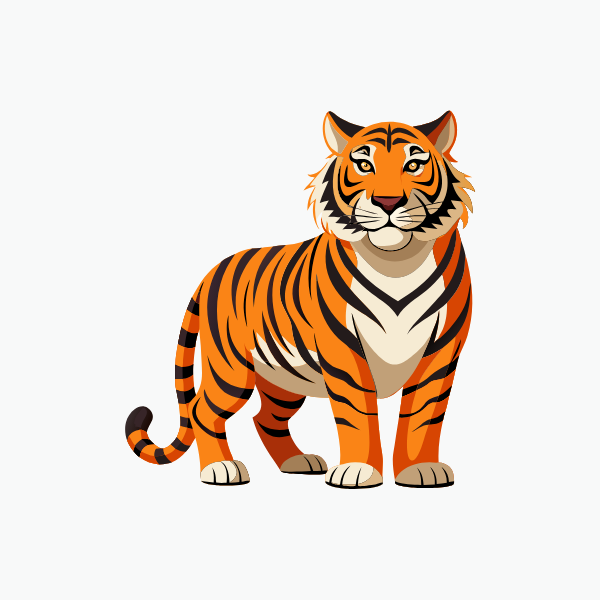
A tiger is a large and powerful wild cat recognized by its beautiful dark stripes and orange coat. Every tiger has a unique stripe pattern, much like a fingerprint. Tigers have strong legs, sharp claws, and excellent night vision. They are skilled hunters and can move quietly through forests and grasslands. Unlike many other cats, tigers enjoy swimming and can travel through water to find food or cool themselves.
Leopard
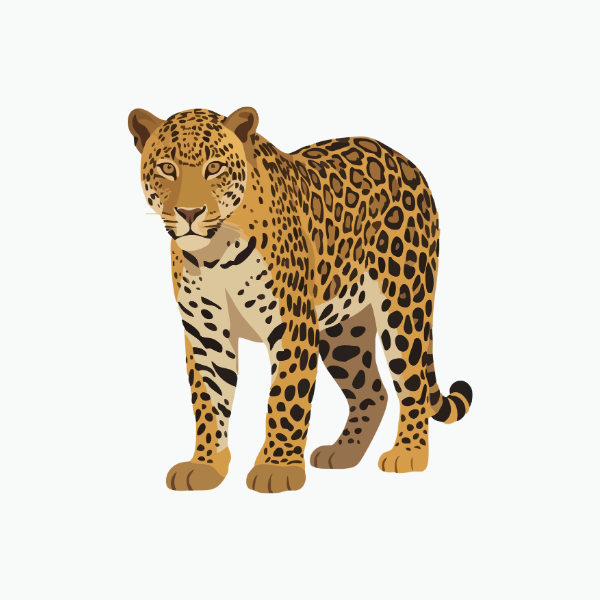
A leopard is a strong and graceful wild cat with a golden coat covered in dark spots. It has a flexible body, powerful legs, and sharp claws that help it climb trees. Leopards are excellent hunters and can move quietly when following prey. They are mostly active at night and can live in different habitats, including forests, grasslands, mountains, and dry areas. Their adaptability helps them survive in many environments.
Cheetah
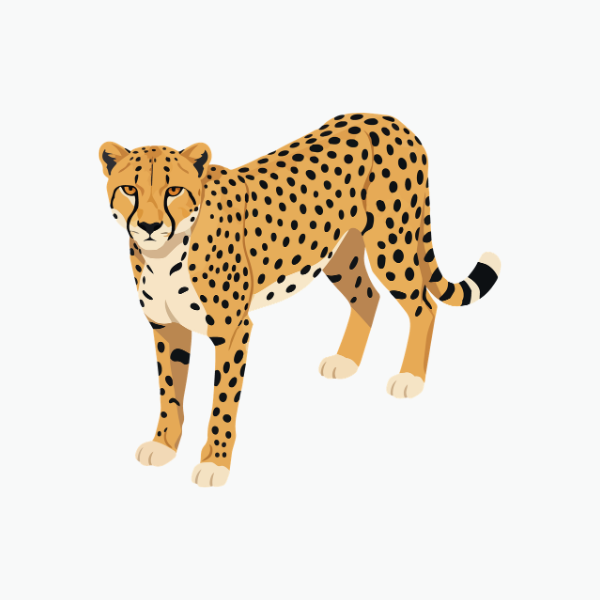
A cheetah is a slim and fast wild cat famous for being one of the fastest land animals. Its body is specially shaped for quick running, with long legs, a flexible spine, and a long tail for balance. Black lines near its eyes help reduce bright sunlight while hunting. Cheetahs usually chase prey across open grasslands. They depend on speed rather than strength to catch their food.
Jaguar
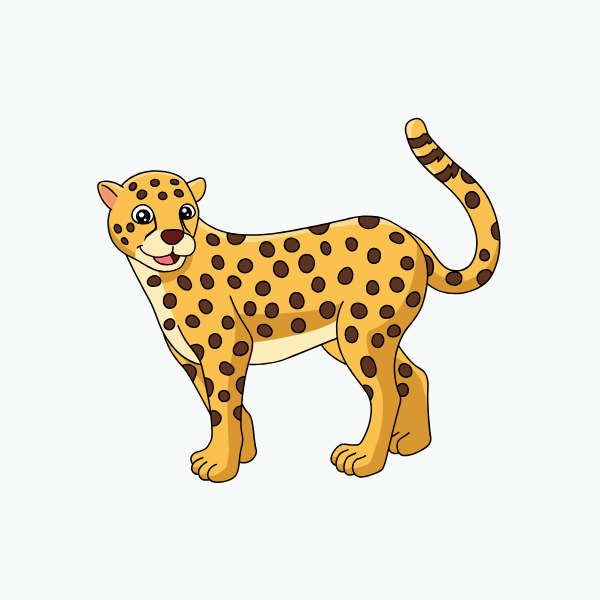
A jaguar is a powerful wild cat found mainly in Central and South America. It has a strong body, short legs, and a golden or yellowish coat covered with dark patterns. Jaguars are excellent swimmers and often live near rivers and wetlands. They have extremely strong jaws and can hunt different animals. Unlike many cats, jaguars are comfortable in water and may enter rivers while searching for food.
Cougar
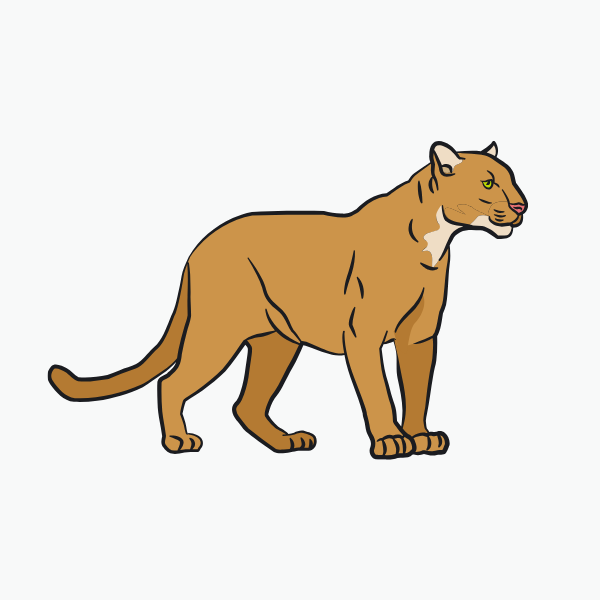
A cougar is a large wild cat with a smooth brown, tan, or grayish coat. It is also known as a mountain lion or puma. Cougars have strong legs that allow them to jump and climb well. They live across many parts of North and South America and can adapt to forests, mountains, deserts, and grasslands. These quiet hunters usually avoid people and prefer to remain hidden while searching for prey.
Lynx
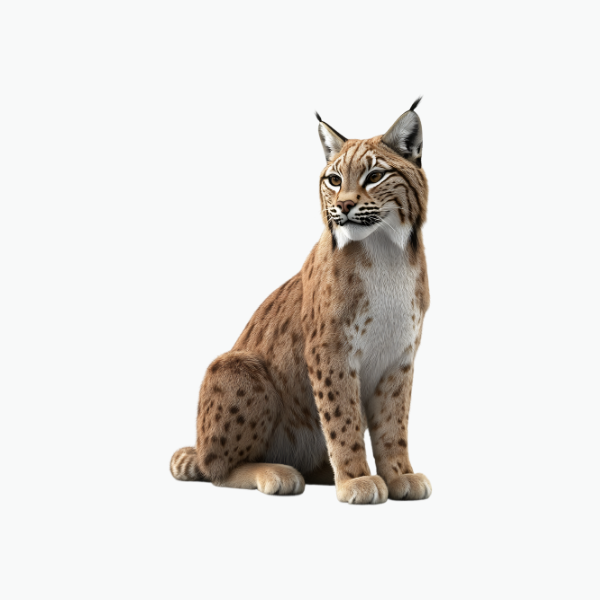
A lynx is a medium-sized wild cat recognized by its short tail, thick fur, and pointed ears with small tufts of hair. Its large paws help it walk across snow without sinking easily. Lynxes are skilled hunters and have excellent hearing and eyesight. Depending on the species, they may live in forests, mountains, or cold northern regions. Their thick coat provides protection against low temperatures during winter.
Hyena
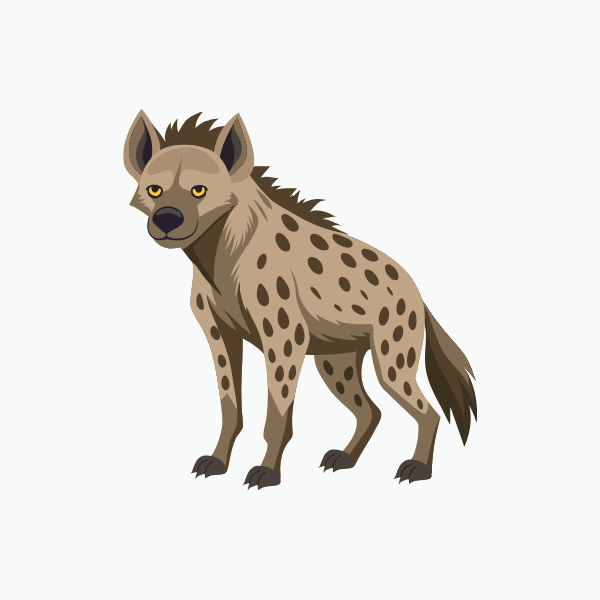
A hyena is a strong mammal with a sloping back, powerful jaws, and excellent hearing. Although hyenas may look similar to dogs, they belong to a different animal family. Several species live in Africa and nearby regions. Spotted hyenas often live in large social groups called clans. They can hunt for themselves but may also feed on remains left by other predators. Their powerful teeth help them process tough food.
Fox
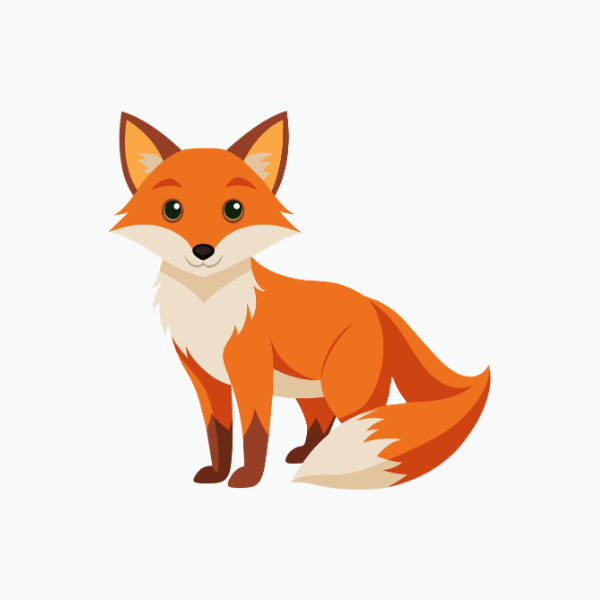
A fox is a small to medium-sized mammal belonging to the dog family. It usually has a pointed face, upright ears, slender legs, and a long bushy tail. Foxes have excellent hearing and a strong sense of smell, which help them find food. They can live in forests, grasslands, deserts, mountains, and even near cities. Foxes are generally cautious animals and often hunt small creatures during the evening or night.
Bear
A bear is a large mammal with a heavy body, strong legs, thick fur, and a short tail. Different bear species have different sizes, colors, and habitats. Some live in forests, while others prefer mountains, Arctic regions, or coastal areas. Bears have an excellent sense of smell and can find food from far away. Depending on the species, their diet may include plants, fruits, insects, fish, and other animals.

Elephant
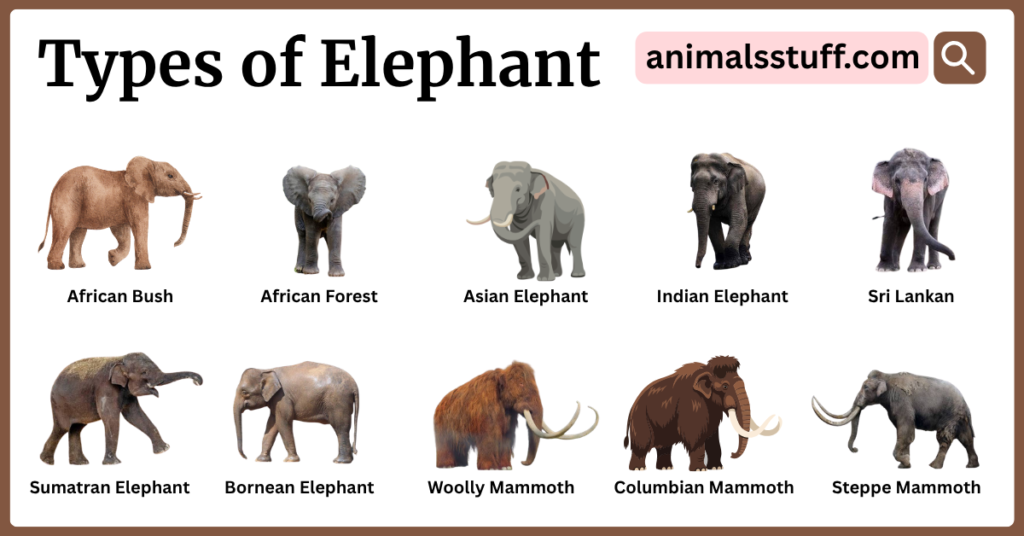
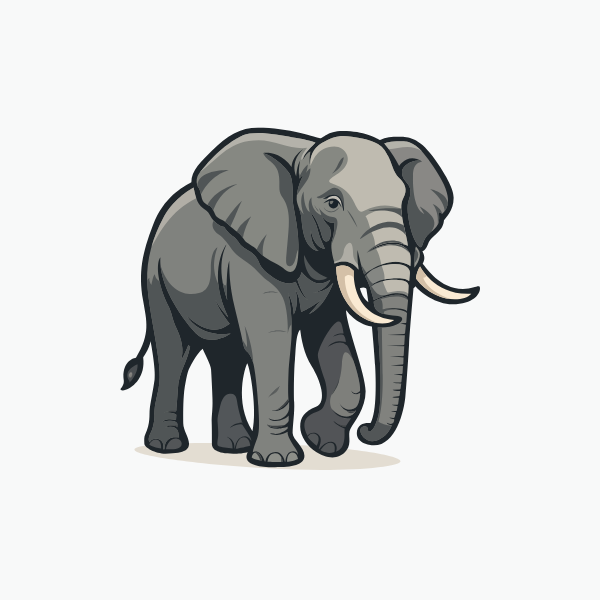
An elephant is the largest living land mammal and is easily recognized by its huge body, long trunk, and large ears. Its trunk helps it breathe, drink water, pick up food, and communicate. Elephants are intelligent and social animals that often live in family groups. They eat grasses, leaves, fruits, bark, and other plant material. Their strong legs support their heavy bodies, allowing them to travel long distances.
Rhinoceros
A rhinoceros is a very large land mammal with thick skin and one or two horns on its nose. Different rhinoceros species live in parts of Africa and Asia. They usually eat grass, leaves, branches, or other plants, depending on the species. Despite their heavy appearance, rhinos can run surprisingly fast. They have poor eyesight but a good sense of smell and hearing, which help them notice nearby animals.

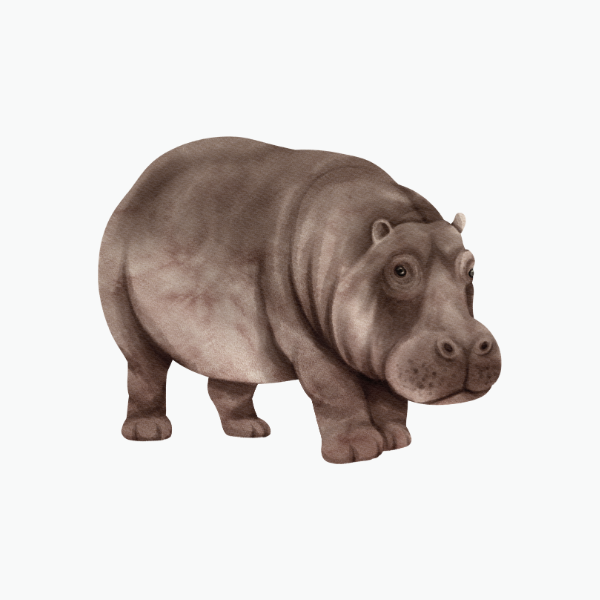
Hippopotamus
A hippopotamus is a huge mammal that spends much of its day in rivers, lakes, and other bodies of water. It has a large mouth, powerful jaws, short legs, and a heavy body. Hippos usually come out of the water at night to feed on grass. They may look slow on land, but they can move quickly when necessary. Their eyes, ears, and nostrils are positioned high on the head.
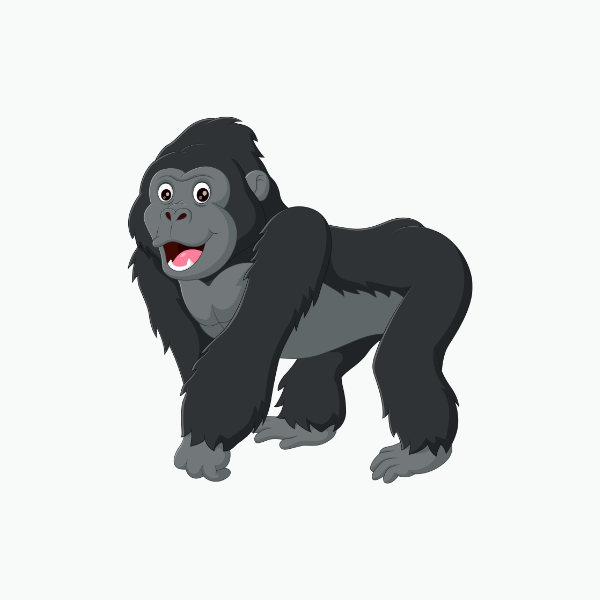
Gorilla
A gorilla is a large and powerful ape native to the forests of Africa. It has broad shoulders, strong arms, dark hair, and a sturdy body. Gorillas mainly eat plant foods such as leaves, stems, fruits, and shoots. They usually live in family groups led by a mature male. Gorillas are intelligent and communicate through sounds, gestures, facial expressions, and body movements. They are generally peaceful when left undisturbed.
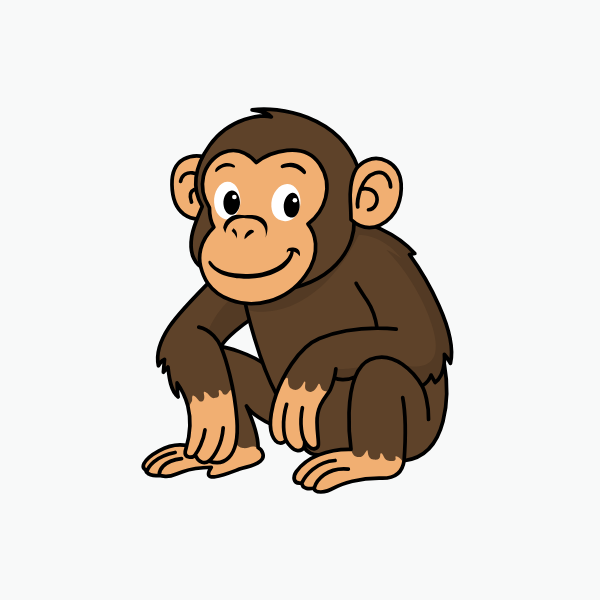
Chimpanzee
A chimpanzee is an intelligent ape that lives mainly in the forests and woodlands of Africa. It has dark hair, long arms, and flexible hands that help it climb and handle objects. Chimpanzees eat fruits, leaves, seeds, insects, and sometimes small animals. They live in social communities and use many sounds, gestures, and facial expressions to communicate. Their ability to learn and use simple tools makes them fascinating mammals.
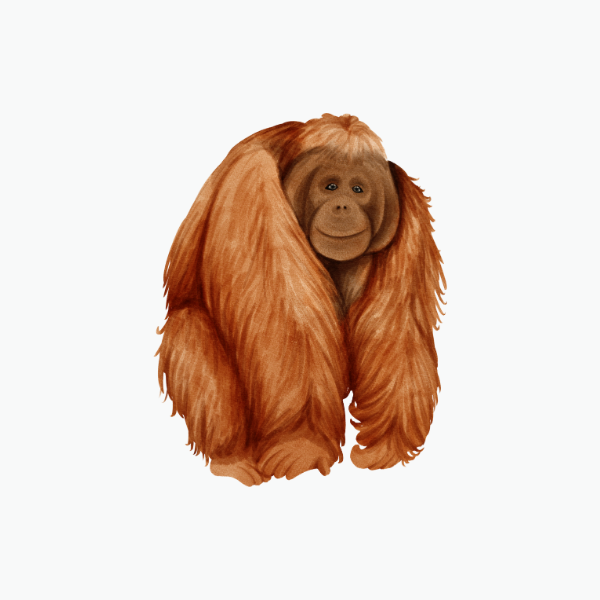
Orangutan
An orangutan is a reddish-brown ape that spends much of its life in trees. It has very long arms, strong hands, and flexible feet that help it move between branches. Orangutans are found naturally in parts of Southeast Asia. They mainly eat fruits, leaves, bark, and other plant foods. They are intelligent animals and can use objects as simple tools. Young orangutans usually stay close to their mothers for several years.
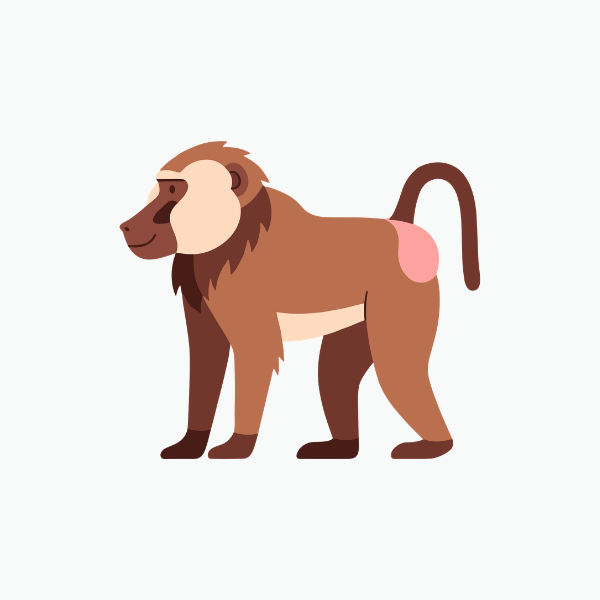
Baboon
A baboon is a large monkey with a long muzzle, strong limbs, and a tail. Baboons live mainly in Africa and can be found in grasslands, forests, and rocky areas. They are social animals that often travel in groups. Their diet includes fruits, seeds, roots, insects, and other foods they can find. Baboons communicate using sounds, facial expressions, and body movements. They are active animals that spend much time searching for food.
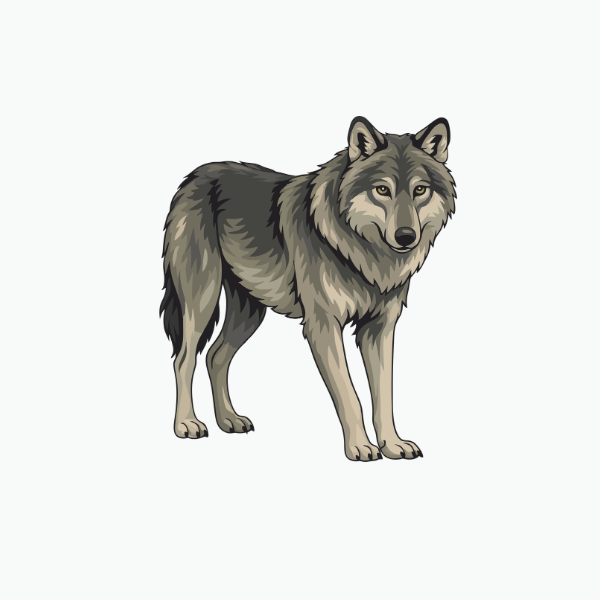
Wolf
A wolf is a large wild member of the dog family with a thick coat, strong legs, and a powerful sense of smell. Wolves are known for their social behavior and often live in family groups called packs. They communicate through sounds, body language, and scent markings. Wolves can travel long distances while searching for food. Their diet mainly includes other animals, and they may work together when hunting larger prey.
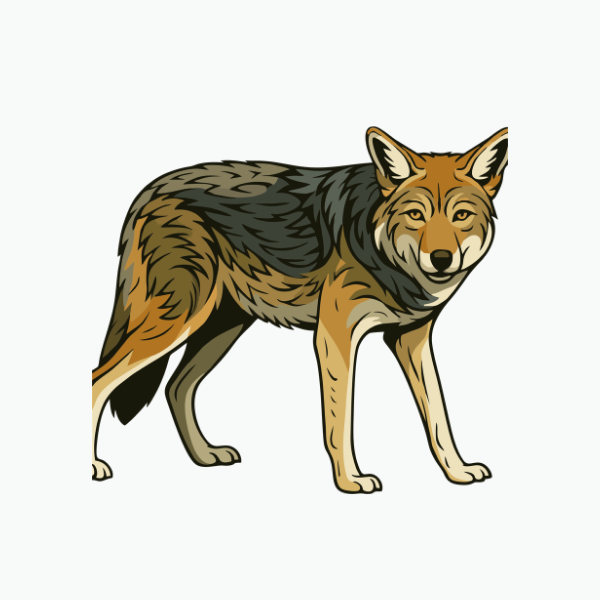
Coyote
A coyote is a medium-sized wild mammal belonging to the dog family. It has a narrow face, pointed ears, slender legs, and a bushy tail. Coyotes are native to North America and can survive in many different habitats. They eat small mammals, birds, insects, fruits, and other available foods. Coyotes are clever and adaptable animals. They are often active at night and can live near forests, farms, deserts, and towns.
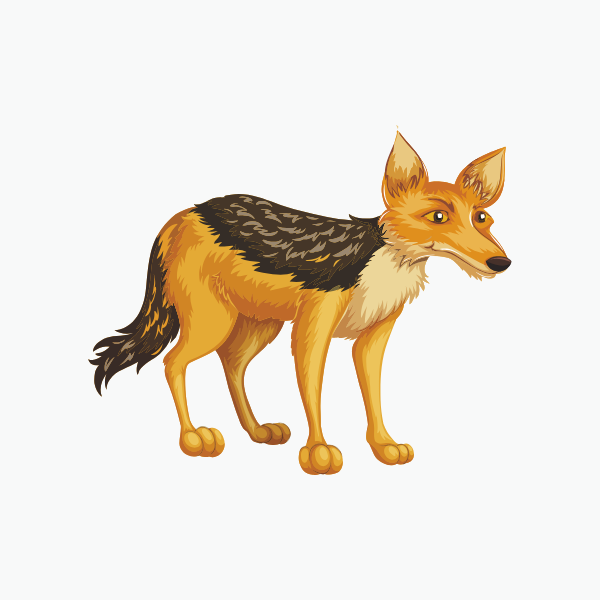
Jackal
A jackal is a medium-sized wild mammal related to dogs, wolves, and foxes. It usually has a slender body, pointed ears, long legs, and a bushy tail. Jackals are found mainly in Africa and parts of Asia and Europe. They eat a wide range of foods, including small animals, insects, fruits, and remains of larger animals. Their adaptability allows them to survive in grasslands, forests, deserts, and open areas.
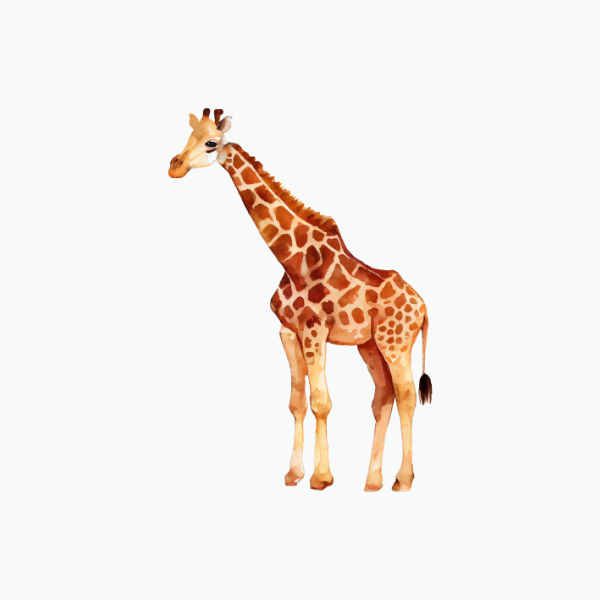
Giraffe
A giraffe is a very tall African mammal famous for its extremely long neck and legs. Its body has a beautiful pattern of irregular patches that helps it blend into its surroundings. Giraffes use their long tongues to pull leaves from tall trees, especially acacia trees. They have strong hearts that help pump blood to their high heads. Giraffes usually live in groups and spend much of their day feeding.
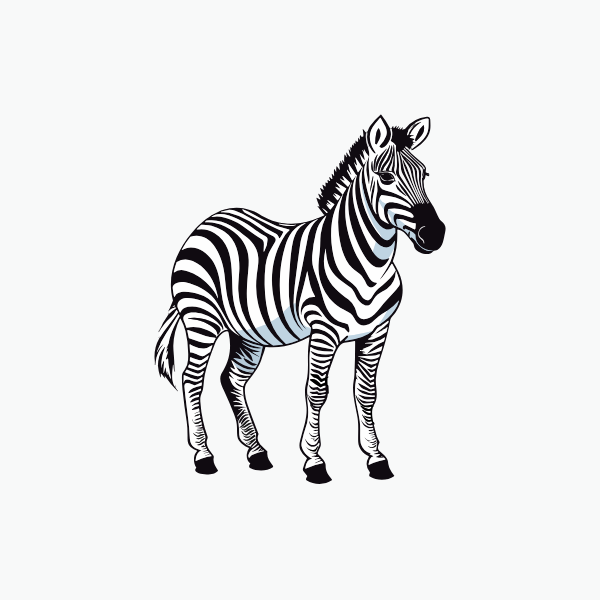
Zebra
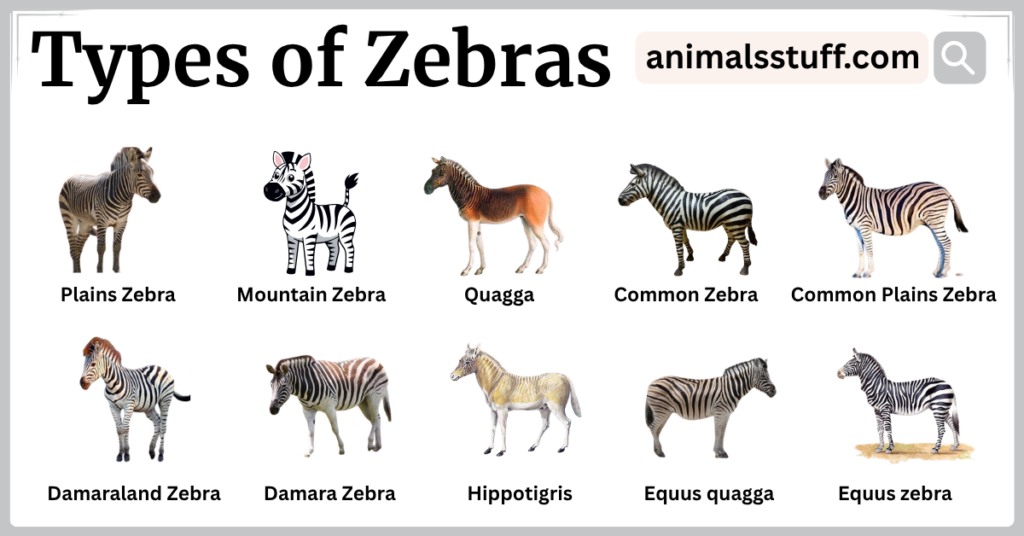
A zebra is a grass-eating mammal known for its distinctive black-and-white stripes. Each zebra has a unique stripe pattern. Zebras live mainly in African grasslands, savannas, and open areas where they can find plenty of vegetation. They have strong legs that help them run away from predators. Zebras often travel in groups and stay alert for danger. Their sharp hearing, good eyesight, and speed help them survive in the wild.
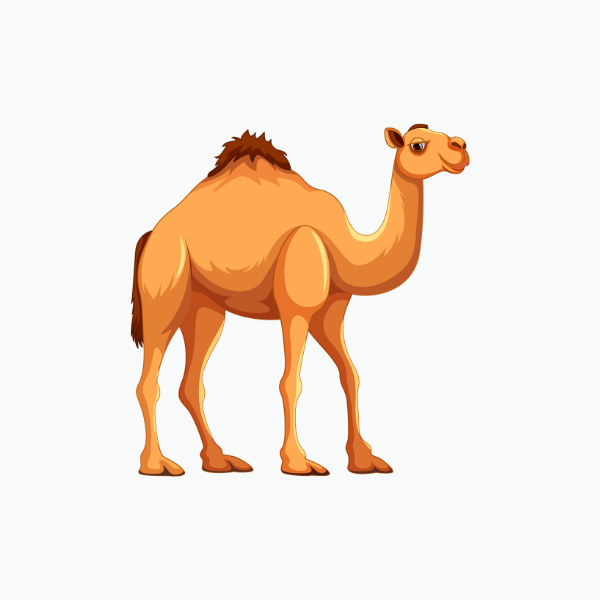
Camel
A camel is a large mammal well adapted to life in dry and sandy environments. It has long legs, a thick coat, wide feet, and a hump or humps depending on the species. Camels can travel long distances while carrying heavy loads. They are able to survive with limited water and can handle hot temperatures. Their wide feet help them walk across loose sand, making them useful animals in desert regions.
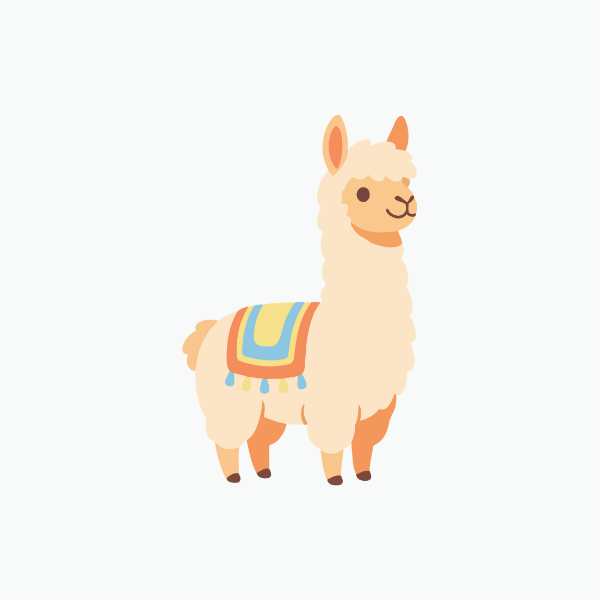
Llama
A llama is a domesticated mammal related to camels and native to South America. It has a long neck, soft woolly coat, tall ears, and strong legs. Llamas are commonly raised for their fiber and are also used as pack animals. They can carry loads over mountainous paths and rough ground. Llamas mainly eat grasses and other plants. They are social animals and often live peacefully in groups with other llamas.
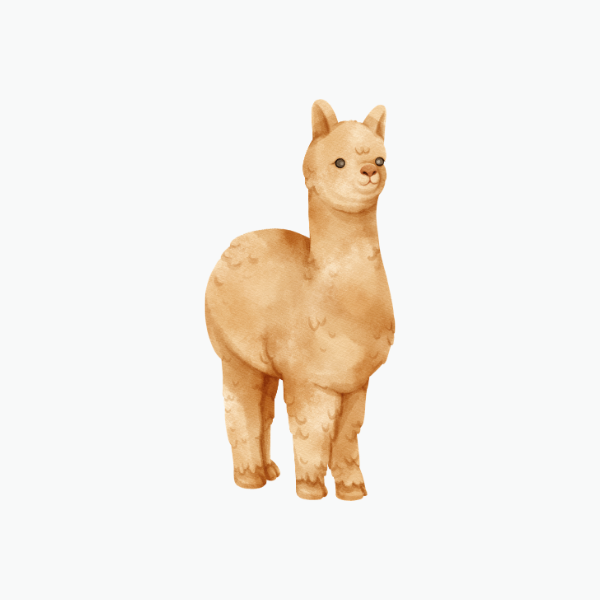
Alpaca
An alpaca is a small domesticated mammal related to the llama. It is known for its soft, thick fleece, which comes in many natural colors. Alpacas are mainly raised for their valuable fiber, which is used to make warm clothing and other products. They are native to the Andes Mountains of South America. Alpacas usually eat grasses and other plants and often live in groups because they are social animals.
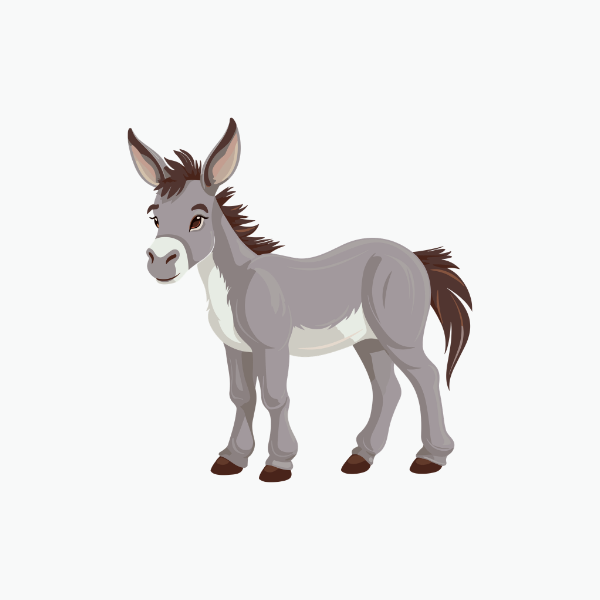
Donkey
A donkey is a domesticated mammal related to horses and known for its strong body and long ears. Donkeys have been kept by people for thousands of years and are often used to carry loads or help with farm work. They can survive in dry areas and usually eat grass, hay, and other plant foods. Donkeys are sure-footed animals and can walk carefully across rocky or uneven ground.
Horse
A horse is a large domesticated mammal with a strong body, long legs, flowing mane, and long tail. Horses have been important to people for transportation, farming, sport, and recreation for many centuries. They are herbivores and mainly eat grass, hay, and other plant foods. Horses have excellent hearing and strong muscles that help them run quickly. They are social animals and can form close relationships with people and other horses.

Names and Types of Mammals
| Mammal | US IPA | Mammal | US IPA | Mammal | US IPA |
|---|---|---|---|---|---|
| Cow | /kaʊ/ | Sheep | /ʃiːp/ | Goat | /ɡoʊt/ |
| Kangaroo | /ˌkæŋɡəˈruː/ | Koala | /koʊˈɑːlə/ | Wombat | /ˈwɑːmbæt/ |
| Platypus | /ˈplætɪpəs/ | Opossum | /əˈpɑːsəm/ | Armadillo | /ˌɑːrməˈdɪloʊ/ |
| Sloth | /slɔːθ/ | Anteater | /ˈæntˌiːtər/ | Aardvark | /ˈɑːrdvɑːrk/ |
| Pangolin | /ˈpæŋɡəlɪn/ | Dolphin | /ˈdɑːlfɪn/ | Whale | /weɪl/ |
| Seal | /siːl/ | Walrus | /ˈwɔːlrəs/ | Otter | /ˈɑːtər/ |
| Beaver | /ˈbiːvər/ | Badger | /ˈbædʒər/ | Weasel | /ˈwiːzəl/ |
| Ferret | /ˈfɛrət/ | Skunk | /skʌŋk/ | — | — |
Pictures of Mammals Animals with Types
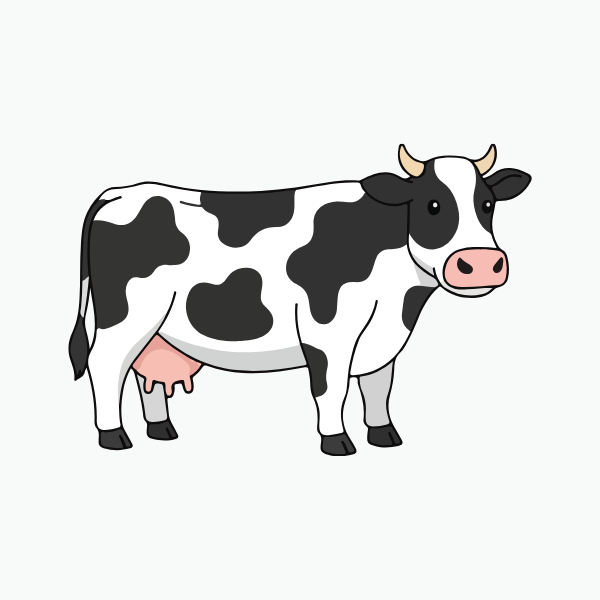
Cow
A cow is a large domesticated mammal commonly raised on farms around the world. It has a strong body, four legs, a long tail, and a broad head. Cows mainly eat grass, hay, and other plant material. They are important farm animals because they provide milk and other useful products. Cows are social creatures and often stay together in groups. They spend many hours each day eating, resting, and chewing their food.
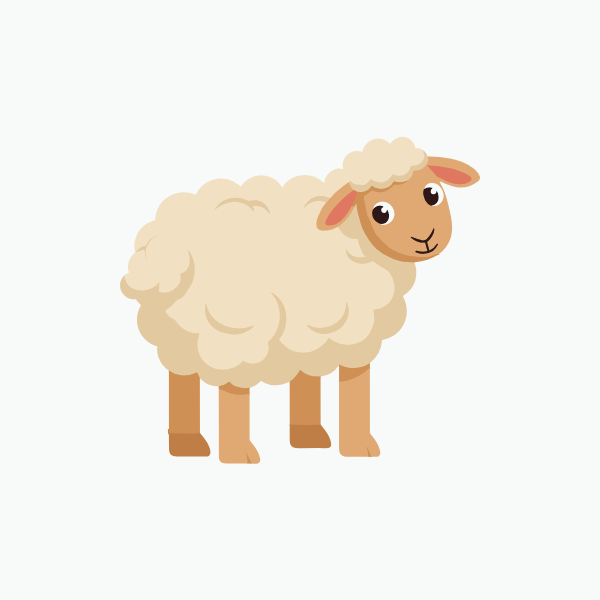
Sheep
A sheep is a gentle domesticated mammal commonly raised on farms. It has a thick coat of wool, four legs, and a rounded body. Sheep mainly eat grass, herbs, and other plants. Their wool is collected and used to make clothing, blankets, and other materials. Sheep are social animals and usually stay together in groups called flocks. They have good hearing and can recognize familiar animals and people around them.
Goat
A goat is a small domesticated mammal known for its curved horns, short tail, and strong climbing ability. Goats can live in farms, mountains, dry areas, and many other environments. They eat grass, leaves, shrubs, and other plant material. Goats are curious and active animals that like exploring their surroundings. People keep them for milk, meat, fiber, and other useful products. They are social animals and often live in groups.
Kangaroo
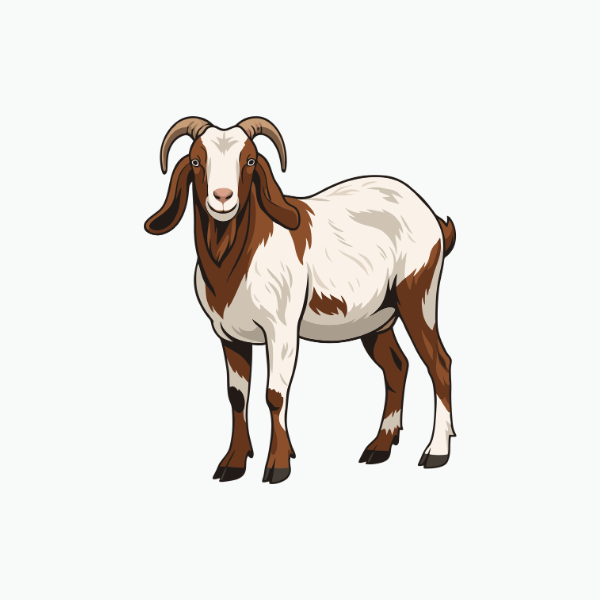
A kangaroo is a famous Australian mammal with powerful back legs, large feet, and a strong tail. It moves mainly by hopping and can cover long distances with each jump. Female kangaroos have a pouch where their young develop after birth. Kangaroos mainly eat grasses, leaves, and other plants. They often live in groups and are especially well adapted to the dry grasslands and open areas of Australia.
Koala
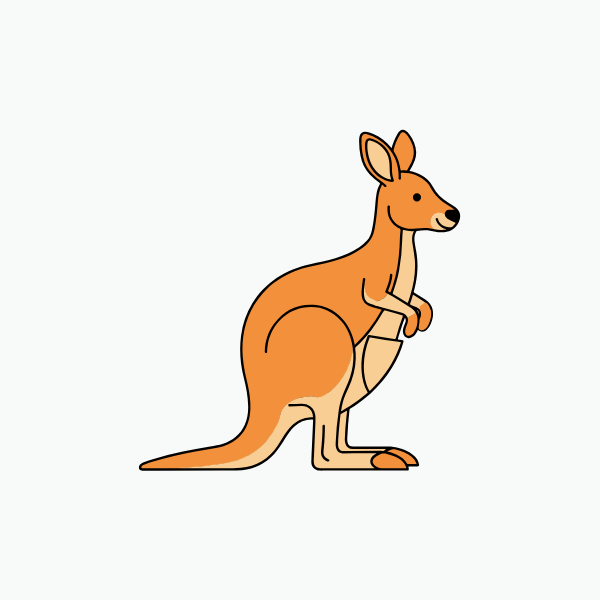
A koala is a small Australian mammal with a round face, large ears, thick grayish fur, and a large nose. Koalas spend much of their time resting in trees and mainly eat eucalyptus leaves. Their bodies are adapted for climbing, with strong limbs and sharp claws. Baby koalas develop inside their mother’s pouch during early life. Although they are often called koala bears, they are actually marsupials rather than bears.

Wombat
A wombat is a sturdy Australian mammal with a short body, strong legs, small eyes, and a broad head. Wombats live mainly in underground burrows, where they stay protected from heat and predators. They are herbivores and feed on grasses, roots, bark, and other plants. Wombats are mostly active at night or during cooler periods. Their powerful claws help them dig burrows and search for food underground.
Platypus
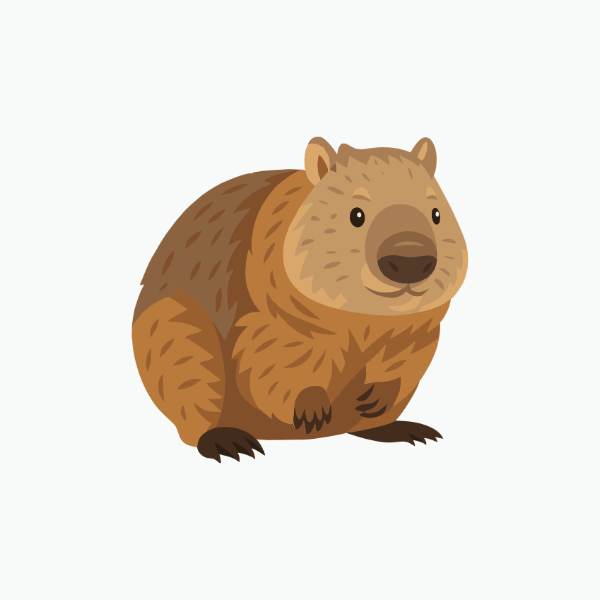
A platypus is an unusual mammal native to eastern Australia. It has a flat bill, webbed feet, dense waterproof fur, and a broad tail. Unlike most mammals, the platypus lays eggs instead of giving birth to live young. It spends much of its time in rivers and streams searching for food. Platypuses eat small aquatic animals and use sensitive areas around their bills to detect prey while underwater.
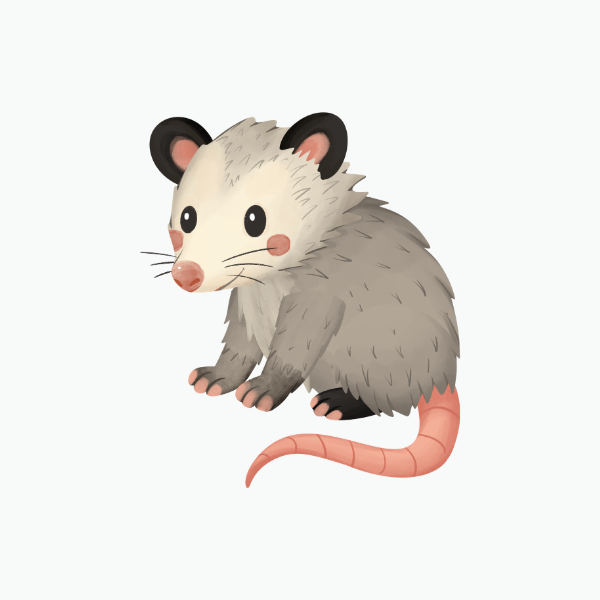
Opossum
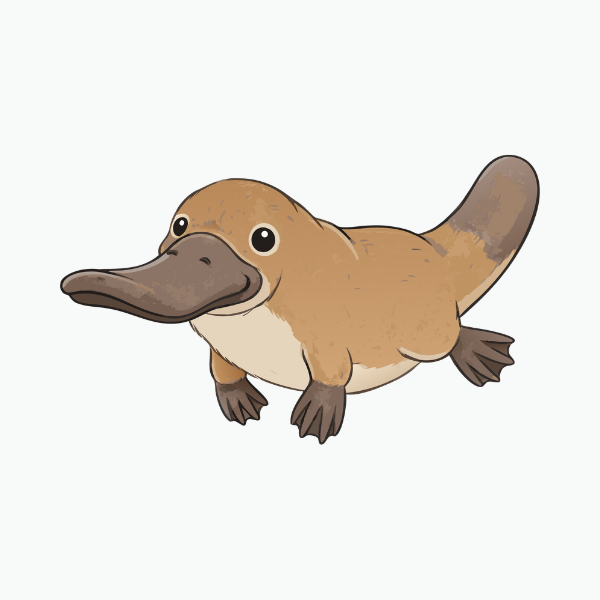
An opossum is a small to medium-sized marsupial found mainly in the Americas. It has a pointed face, small ears, and a long tail that can help it climb. Female opossums carry their young in a pouch during early development. They are adaptable animals that can live in forests, fields, and areas near people. Their diet is varied and may include fruits, insects, small animals, and other available foods.
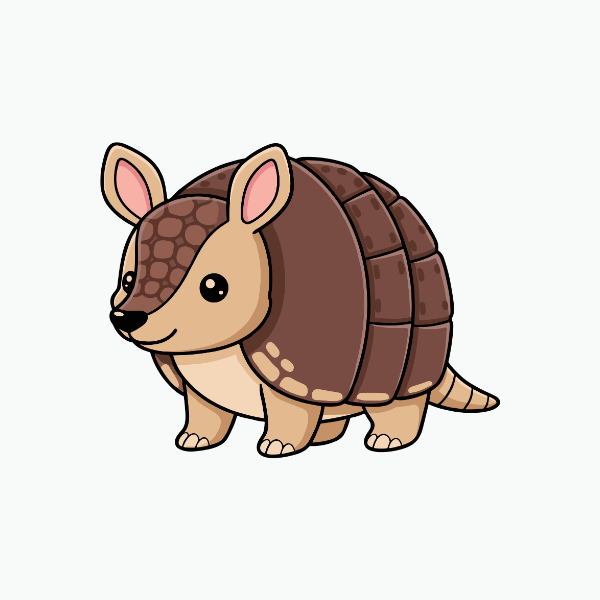
Armadillo
An armadillo is a small to medium-sized mammal recognized by its hard protective body covering. It has short legs, strong claws, and a long snout that helps it search for food. Armadillos live mainly in the Americas and can occupy forests, grasslands, and dry regions. They eat insects, worms, roots, fruits, and other foods. Their strong claws allow them to dig burrows where they can rest and stay safe.
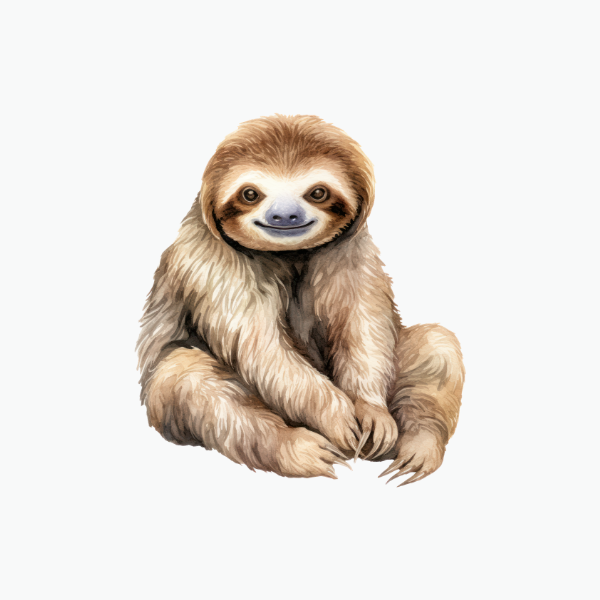
Sloth
A sloth is a slow-moving mammal that spends most of its life hanging from trees. It has long limbs, curved claws, and a body adapted for life in the forest canopy. Sloths mainly eat leaves, although some species also consume fruits and other plant material. Their slow movements help them save energy. They are found in tropical forests of Central and South America, where they spend much time resting.
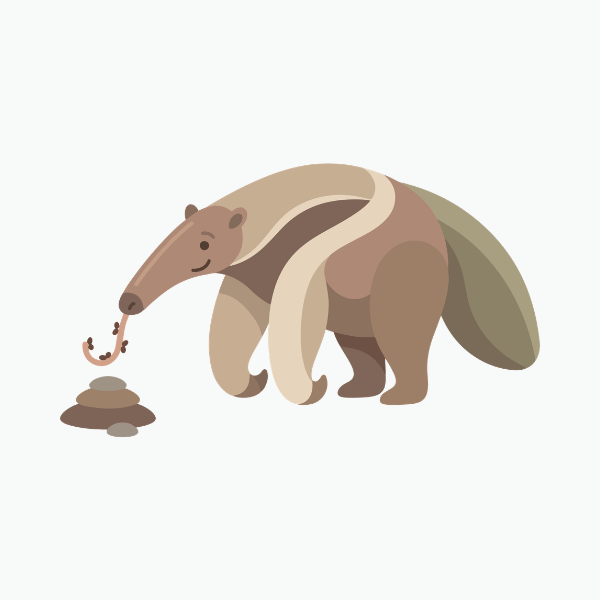
Anteater
An anteater is a mammal specially adapted for eating ants and termites. It has a long narrow snout, a very long tongue, strong claws, and no teeth. Anteaters use their sharp claws to open insect nests and then collect insects with their sticky tongues. They live in parts of Central and South America. Their thick fur and powerful forelimbs provide protection while searching for food among plants and soil.
Aardvark
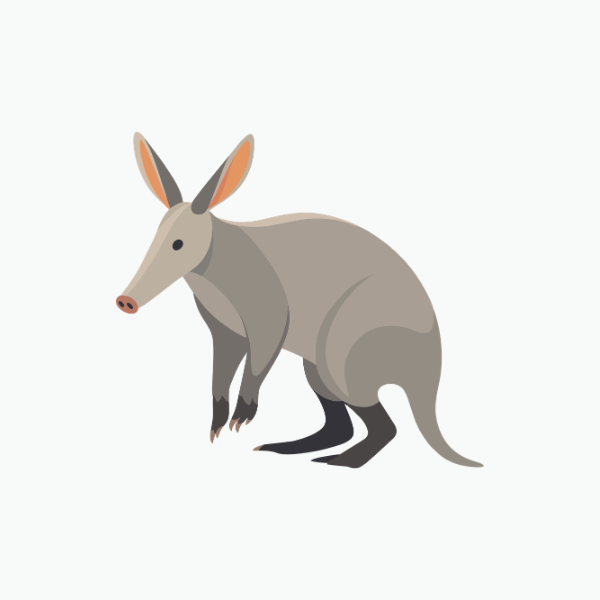
An aardvark is a unusual nocturnal mammal native to Africa. It has a long nose, large ears, powerful claws, and a thick tail. Aardvarks mainly eat ants and termites, which they collect using a long sticky tongue. They are excellent diggers and create underground burrows for resting and raising young. Their strong claws help them break into insect nests and dig through hard soil while searching for food.
Pangolin
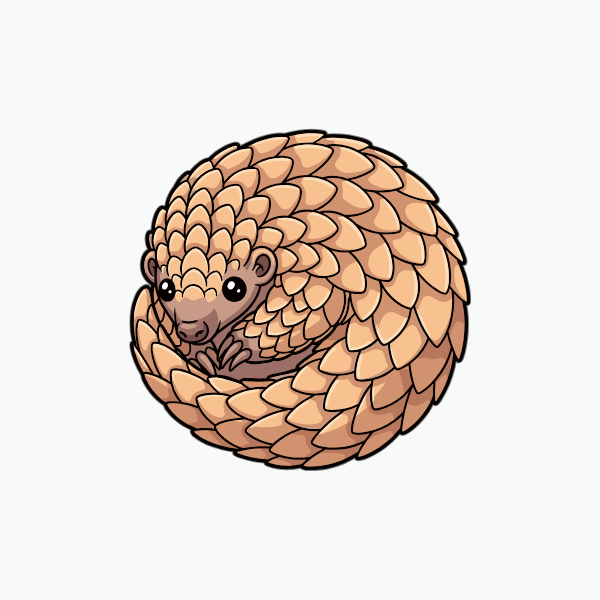
A pangolin is a unique mammal covered with hard overlapping scales made of keratin. It has a long body, short legs, strong claws, and a long sticky tongue for catching ants and termites. Pangolins live in parts of Africa and Asia and are mostly active at night. When threatened, they can curl their bodies into a tight ball, using their tough scales as natural protection against many predators.
Dolphin
A dolphin is an intelligent aquatic mammal with a smooth body, a dorsal fin, and a long snout. Dolphins live in oceans and some rivers around the world. They breathe air through a blowhole and must come to the surface regularly. Dolphins use clicks and whistles to communicate and can produce sounds that help them locate objects underwater. They often travel in groups and are known for their playful and social behavior.

Whale
A whale is a very large marine mammal that lives in oceans around the world. Whales breathe air through blowholes and must regularly come to the surface. Different species have different diets, with some feeding on tiny organisms and others eating fish or squid. Whales communicate using various sounds and can travel long distances through the sea. Some species are among the largest animals ever known to live on Earth.

Seal
A seal is a marine mammal with a rounded body, thick layer of fat, and flipper-like limbs. Seals spend time both in water and on land or ice. They are excellent swimmers and use their streamlined bodies to move through the ocean. Most seals eat fish, squid, and other marine animals. They often rest together in groups and use their strong whiskers to detect movement and changes in the water.

Walrus
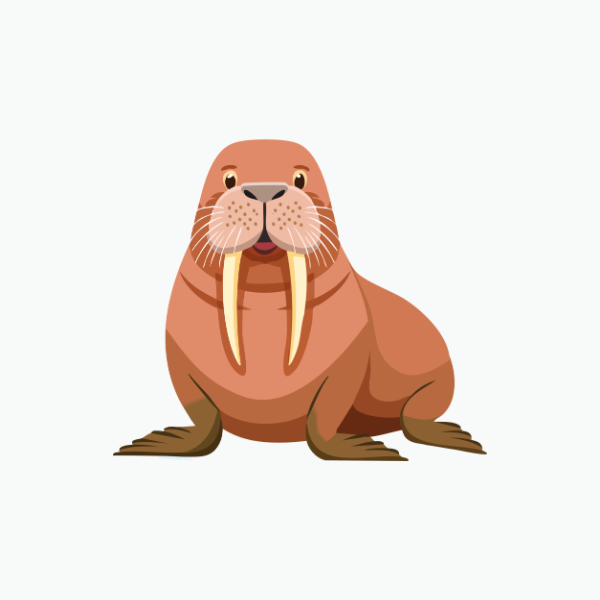
A walrus is a large marine mammal recognized by its long tusks, broad body, thick skin, and long whiskers. Walruses live mainly in cold Arctic waters and often rest on sea ice or rocky shores. They use their tusks for several purposes, including helping them climb onto ice. Their sensitive whiskers help them find food on the ocean floor. Walruses mainly eat clams, mussels, worms, and other small marine animals.
Otter
An otter is a playful mammal that spends much of its time in or near water. It has a long flexible body, short legs, webbed feet, and dense fur that helps keep it warm. Otters are excellent swimmers and can move quickly through rivers, lakes, and coastal waters. Most species eat fish, crustaceans, frogs, and other aquatic animals. They are active, curious creatures and often use rocks to open hard food.

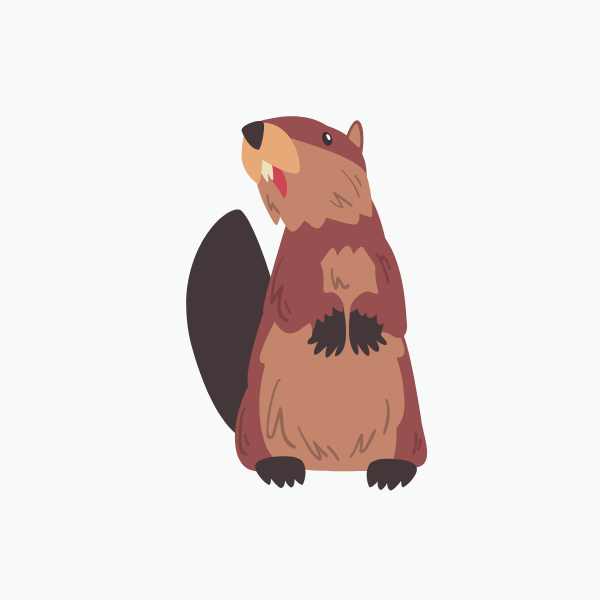
Beaver
A beaver is a large semi-aquatic mammal known for its broad flat tail and strong front teeth. Beavers use their teeth to cut branches and trees, which they use to build dams and shelters. They usually live near rivers, streams, ponds, and lakes. Beavers mainly eat bark, leaves, aquatic plants, and other vegetation. Their dams can change water flow and create wet habitats that benefit many other animals.

Badger
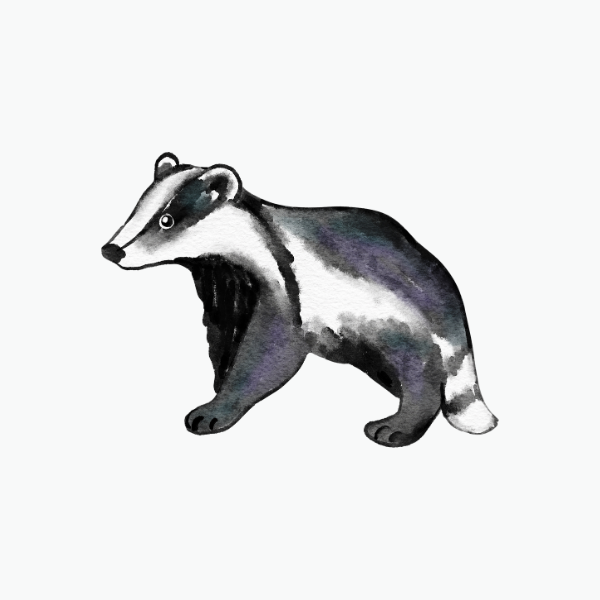
A badger is a strong mammal with a low body, short legs, powerful claws, and a broad head. Different badger species live in parts of Europe, Asia, Africa, and North America. They often dig underground homes called setts or burrows. Badgers eat insects, worms, small animals, roots, fruits, and other foods. Their strong claws make them excellent diggers and help them search for food beneath the soil.
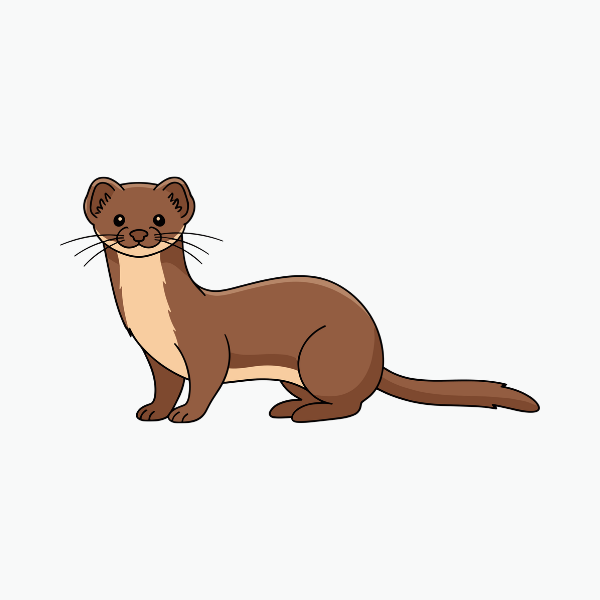
Weasel
A weasel is a small, slender mammal with a long body, short legs, and a pointed face. It is a member of the mustelid family and is known for being quick and active. Weasels can live in forests, grasslands, farms, and other habitats. They mainly eat small animals such as mice and other rodents. Their narrow bodies allow them to enter small spaces while chasing prey or exploring burrows.
Ferret
A ferret is a small domesticated mammal with a long flexible body, short legs, and a pointed face. Ferrets are related to weasels and belong to the mustelid family. They are naturally curious, playful, and energetic animals. Ferrets have traditionally been used to help control rodents and rabbits. As pets, they need a safe environment, suitable food, regular activity, and plenty of opportunities to explore their surroundings.

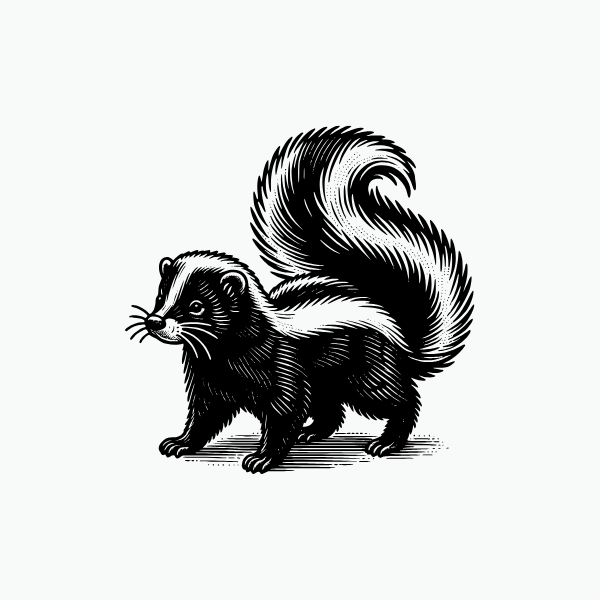
Skunk
A skunk is a small mammal best known for its black-and-white fur and strong defensive spray. Several skunk species live mainly in North and South America. Skunks are usually active at night and spend their time searching for insects, small animals, fruits, and plant foods. When threatened, a skunk can release a strong-smelling liquid to discourage predators. Their bold markings can also warn other animals to keep away.
100 Mammal Animals Names and Types
| Mammal | US IPA | Mammal | US IPA | Mammal | US IPA |
|---|---|---|---|---|---|
| Deer | /dɪr/ | Moose | /muːs/ | Elk | /ɛlk/ |
| Reindeer | /ˈreɪnˌdɪr/ | Antelope | /ˈæntəˌloʊp/ | Gazelle | /ɡəˈzɛl/ |
| Impala | /ɪmˈpɑːlə/ | Wildebeest | /ˈwɪldəˌbiːst/ | Bison | /ˈbaɪsən/ |
| Buffalo | /ˈbʌfəˌloʊ/ | Yak | /jæk/ | Musk Ox | /ˈmʌsk ˌɑːks/ |
| Okapi | /oʊˈkɑːpi/ | Tapir | /ˈteɪpər/ | Pig | /pɪɡ/ |
| Boar | /bɔːr/ | Rabbit | /ˈræbɪt/ | Hare | /her/ |
| Hamster | /ˈhæmstər/ | Gerbil | /ˈdʒɜːrbəl/ | Rat | /ræt/ |
| Mouse | /maʊs/ | Mole | /moʊl/ | Vole | /voʊl/ |
| Dormouse | /ˈdɔːrmaʊs/ | Squirrel | /ˈskwɜːrəl/ | Chipmunk | /ˈtʃɪpˌmʌŋk/ |
| Marmot | /ˈmɑːrmət/ | Porcupine | /ˈpɔːrkjəˌpaɪn/ | Capybara | /ˌkæpɪˈbɑːrə/ |
All Types of Mammals with Descriptions
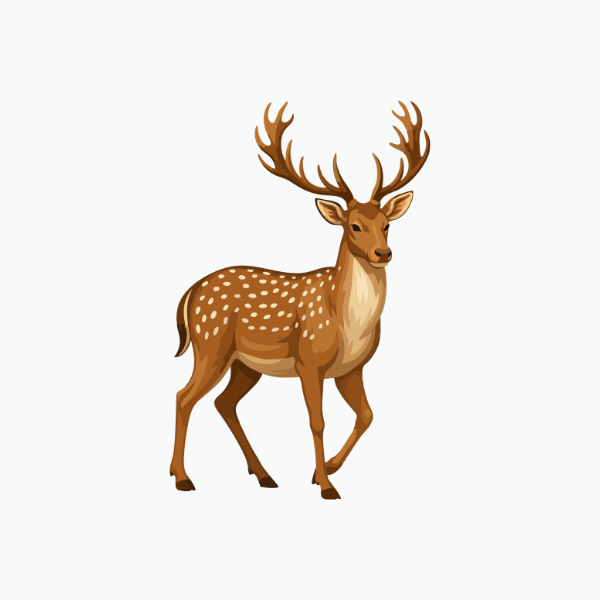
Deer
A deer is a hoofed mammal known for its slender body, long legs, and gentle appearance. Many deer species have antlers, which are usually found on males and grow again each year. Deer live in forests, grasslands, mountains, and other habitats. They mainly eat grass, leaves, fruits, and other plants. Deer are alert animals with strong hearing and eyesight, helping them notice danger quickly and escape predators.
Moose
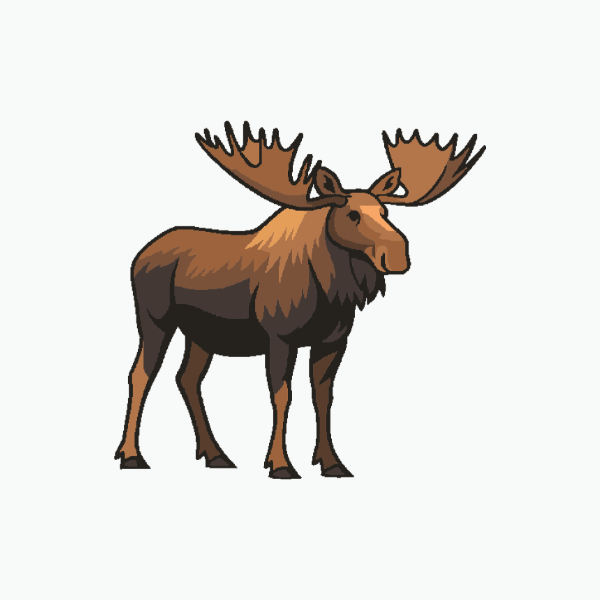
A moose is the largest member of the deer family. It has long legs, a large body, a broad nose, and a hanging flap of skin beneath its throat. Male moose grow large, flat antlers each year. They live mainly in northern forests and wetlands. Moose eat leaves, twigs, grasses, and aquatic plants. Their long legs help them move through deep snow, muddy ground, and shallow water.
Elk
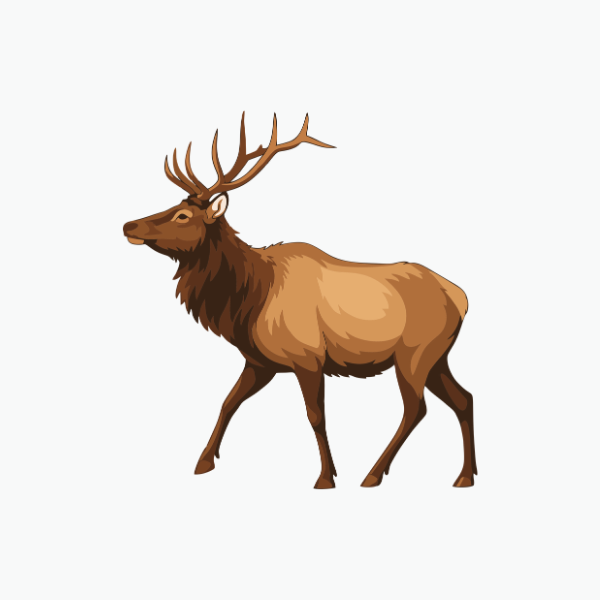
An elk is a large member of the deer family with a strong body, long legs, and a short tail. Adult males grow large antlers that are shed and replaced each year. Elk usually live in forests, mountain valleys, and open grasslands. They feed mainly on grasses, leaves, bark, and other vegetation. These social animals often travel in groups and can move quickly across rough and mountainous landscapes.
Reindeer
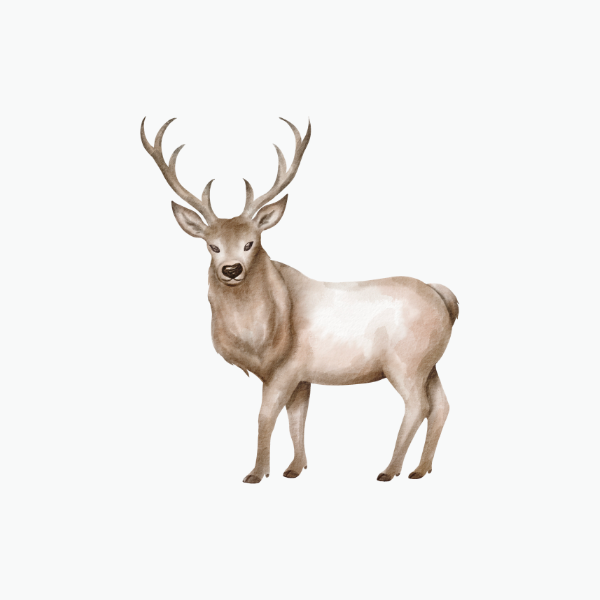
A reindeer is a hoofed mammal adapted to cold northern regions. It has thick fur, wide feet, and a strong body that helps it survive snowy environments. Both male and female reindeer can grow antlers, which is unusual among deer. They eat grasses, leaves, and lichens. Reindeer often travel in large herds and can cover long distances while searching for food across tundra, forests, and snowy landscapes.
Antelope
An antelope is a hoofed mammal found mainly in Africa and parts of Asia. Different species vary greatly in size, color, and body shape. Many antelopes have horns, which they use for defense and competition. They usually eat grasses, leaves, shoots, and other plants. Antelopes have strong legs and excellent senses, allowing them to run quickly when predators approach. Many species live together in herds for protection.
Gazelle
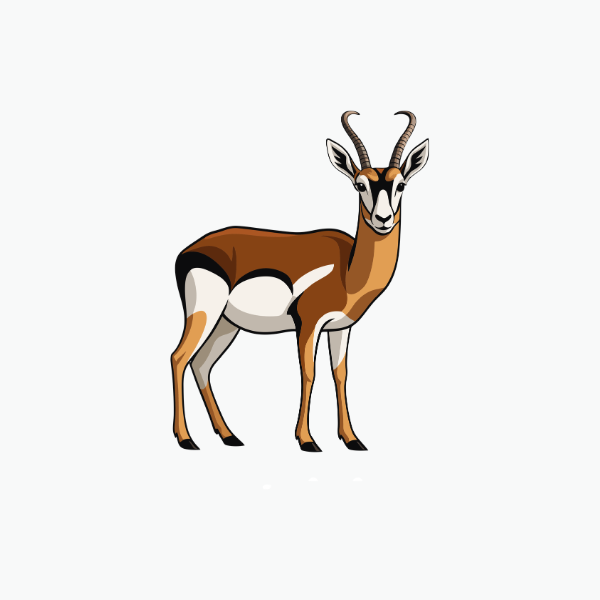
A gazelle is a graceful hoofed mammal known for its slender body, long legs, and quick running ability. Many gazelles have curved horns, especially males. They are commonly found in African and Asian grasslands, savannas, and dry regions. Gazelles mainly eat grasses, leaves, and other plants. Their speed and sharp eyesight help them escape predators. They often live in groups and remain alert while feeding in open areas.
Impala
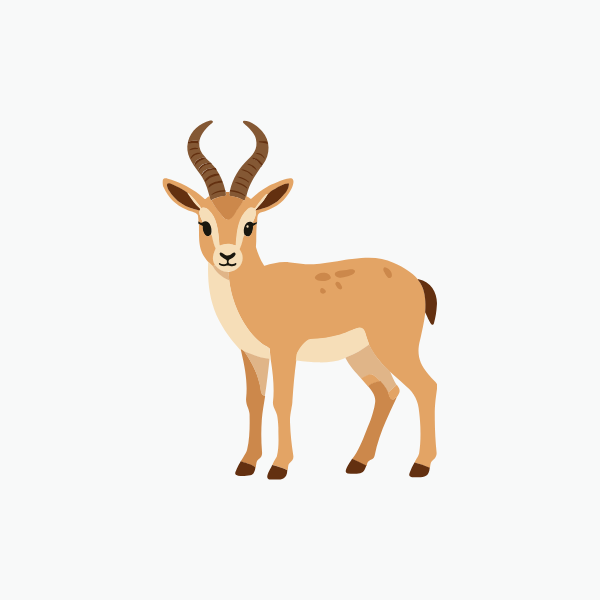
An impala is a medium-sized antelope with a reddish-brown coat, slender legs, and a white underside. Adult males have curved horns that help them compete with other males. Impalas live mainly in African savannas and woodlands. They eat grasses, leaves, and other vegetation. When threatened, they can make powerful jumps and quickly change direction. Impalas often stay in groups, which gives them more protection from predators.
Wildebeest
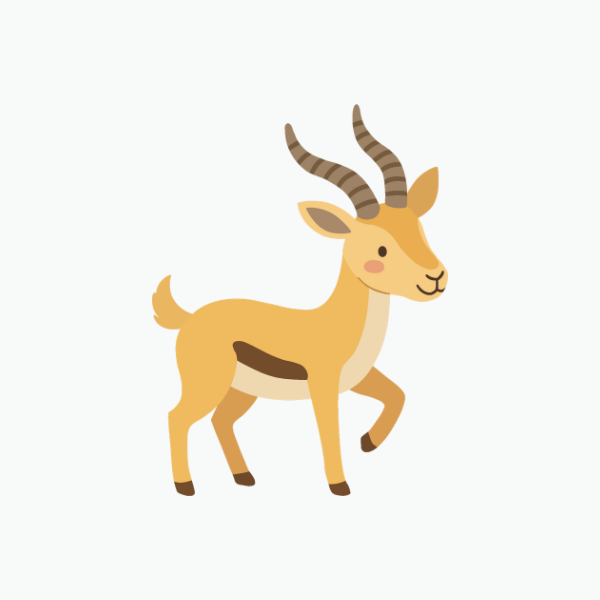
A wildebeest is a large African antelope with a heavy body, curved horns, and a long tail. It has a strong neck and shoulders that give it a distinctive appearance. Wildebeest mainly eat grass and often gather in very large herds. They are famous for their seasonal migrations across African grasslands. During these journeys, they search for fresh water and green vegetation while facing predators and difficult environmental conditions.
Bison
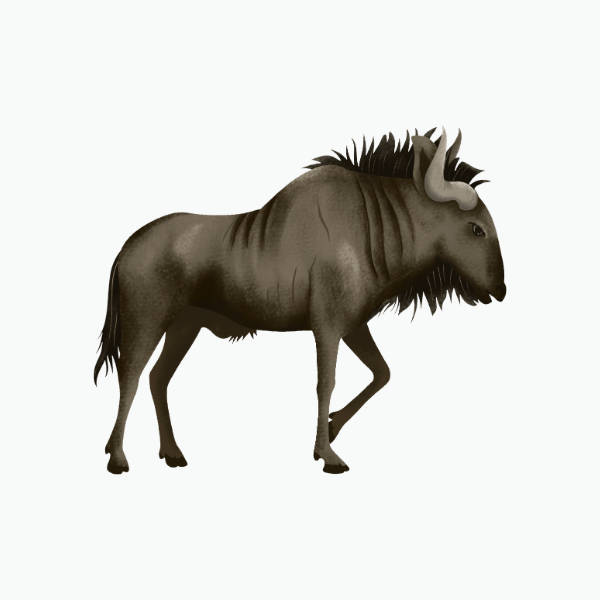
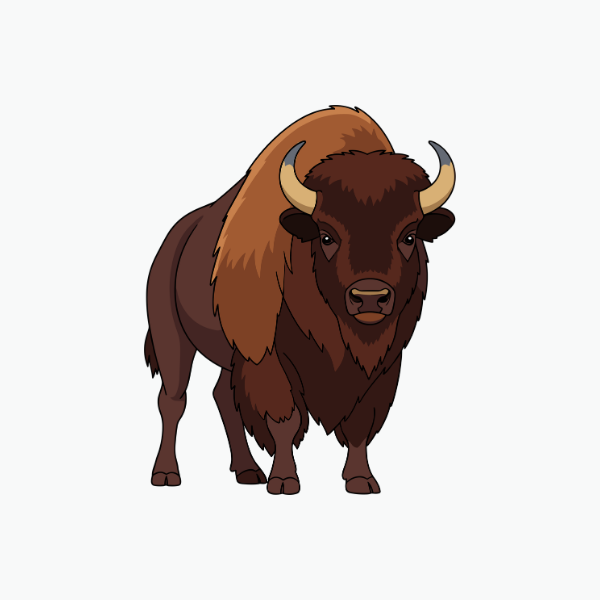
A bison is a large, powerful hoofed mammal with a massive head, strong shoulders, and a thick coat. American bison live mainly in grasslands and plains of North America, while European bison are found in forests and other areas. Bison mostly eat grasses and other plants. They often move in herds and can run surprisingly fast despite their heavy bodies. Their thick fur protects them during cold weather.
Buffalo
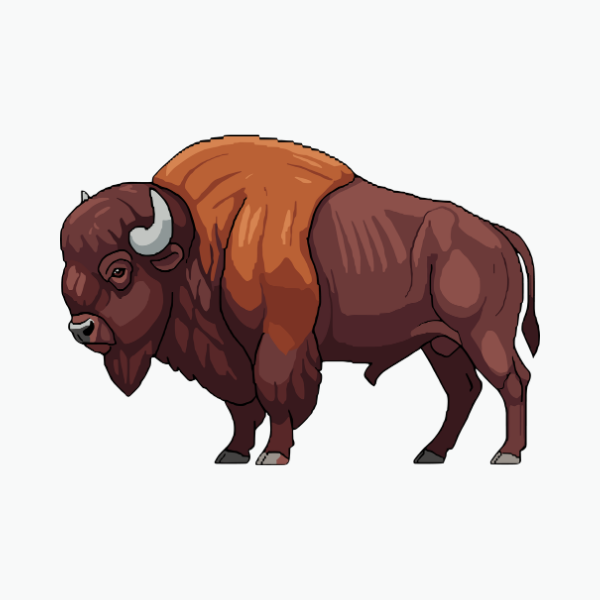
A buffalo is a large hoofed mammal with a strong body, sturdy legs, and wide horns. The word buffalo is commonly used for several large bovine animals, including African buffalo and water buffalo. They usually feed on grass and other vegetation. Buffalo often live in groups and spend time near water. Their powerful bodies and horns provide protection against predators and help them compete with other animals.
Yak
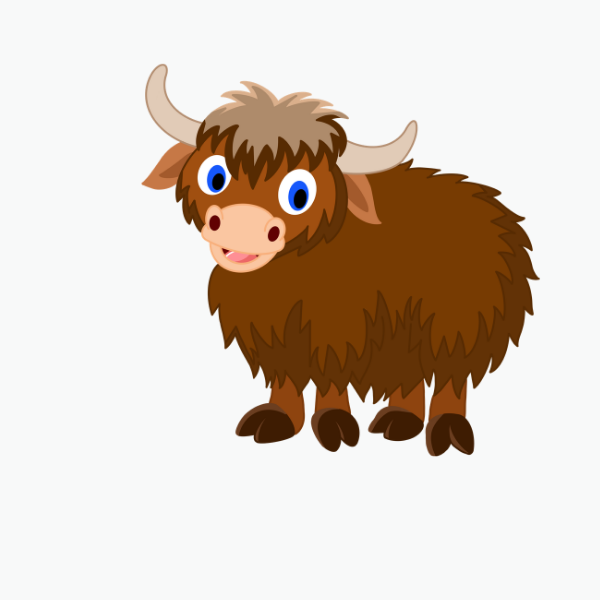
A yak is a large, long-haired mammal adapted to cold mountain environments. Domestic yaks are commonly associated with the highlands of Central Asia, while wild yaks live in remote regions. They have thick coats, strong legs, and broad hooves that help them walk over rocky ground. Yaks eat grasses, herbs, and other plants. People also keep them for milk, meat, fiber, and carrying loads across mountainous areas.
Musk Ox
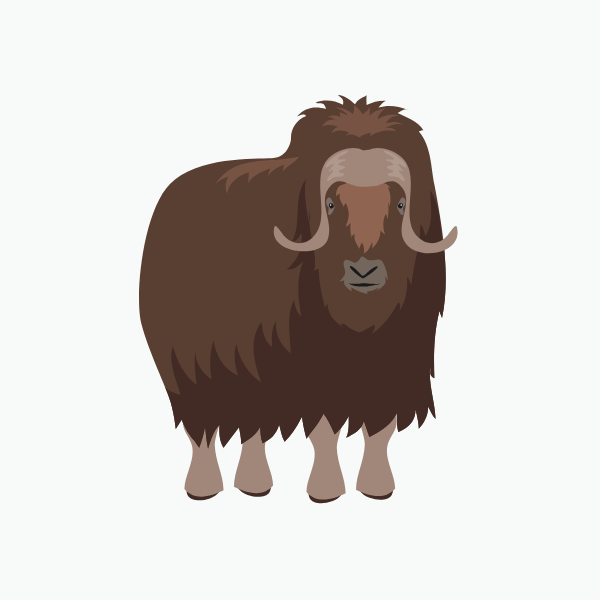
A musk ox is a large Arctic mammal covered with a long, thick coat that protects it from freezing temperatures. It has a broad body, short tail, curved horns, and sturdy legs. Musk oxen mainly eat grasses, sedges, mosses, and other plants. They live in herds and form defensive circles when threatened by predators. Their dense woolly undercoat is one of the warmest natural fibers found in mammals.
Okapi
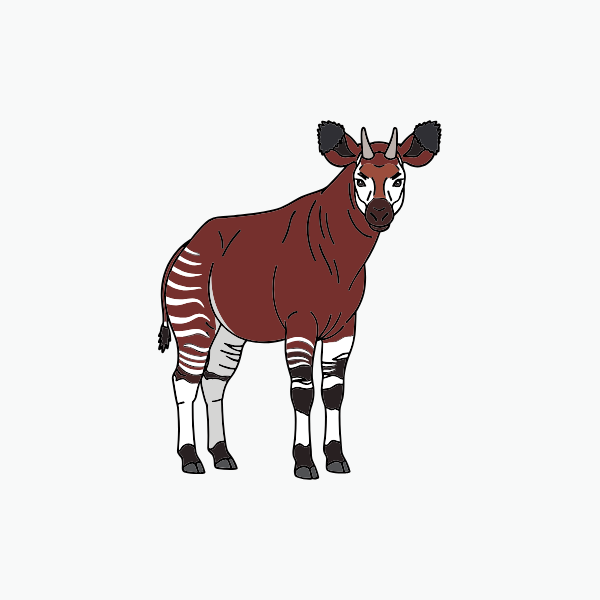
An okapi is a unique mammal native to the forests of the Democratic Republic of the Congo. It has a dark brown body, a long neck, and white-striped markings on its legs that resemble those of a zebra. Okapis are related to giraffes despite their different appearance. They mainly eat leaves, fruits, grasses, and other plants. These shy animals usually stay hidden in dense rainforest vegetation and are difficult to observe.
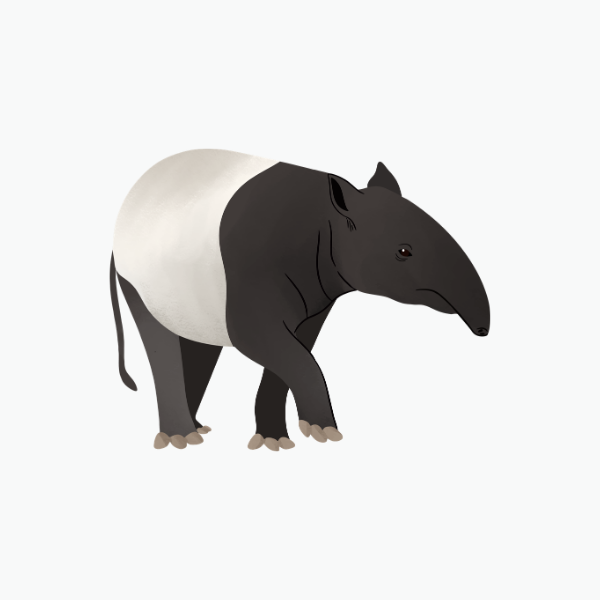
Tapir
A tapir is a large mammal with a rounded body, short legs, and a flexible nose that resembles a small trunk. Tapirs live in forests, grasslands, and wetlands of Central and South America and parts of Asia. They mainly eat leaves, fruits, grasses, and aquatic plants. Tapirs are good swimmers and often enter water to cool themselves or escape danger. Their unusual body shape makes them easy to recognize.
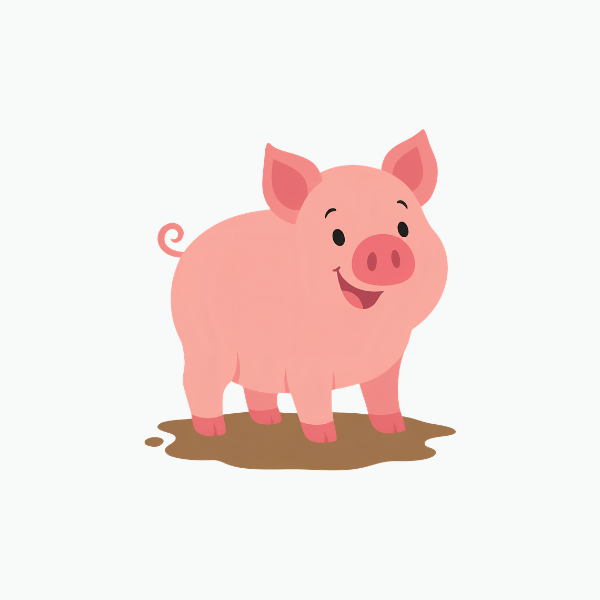
Pig
A pig is a sturdy mammal with a rounded body, short legs, a flat nose, and a curly or straight tail. Domestic pigs are raised on farms in many parts of the world. They eat a varied diet that can include grains, vegetables, fruits, and other suitable foods. Pigs are intelligent and social animals. They have an excellent sense of smell and often use their noses to explore their surroundings.
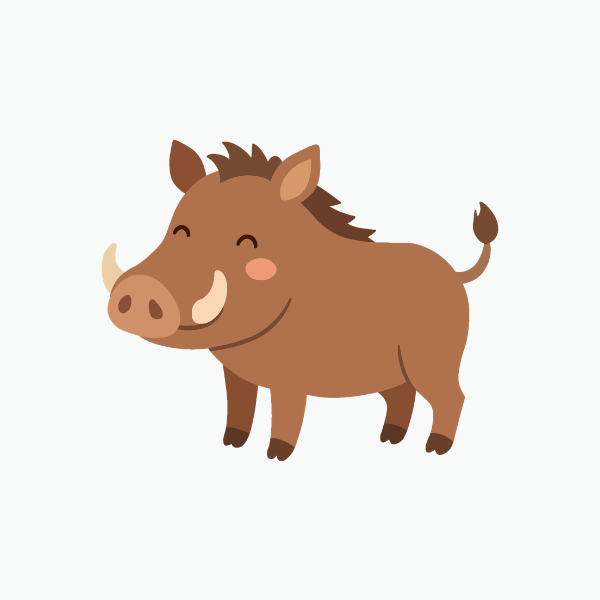
Boar
A boar is a wild pig with a strong body, short legs, a large head, and a tough snout. Wild boars are found across many parts of Europe, Asia, and other regions where they have been introduced. They use their strong noses to dig through soil while searching for roots, insects, and other food. Boars are adaptable animals and can live in forests, grasslands, wetlands, and agricultural areas.
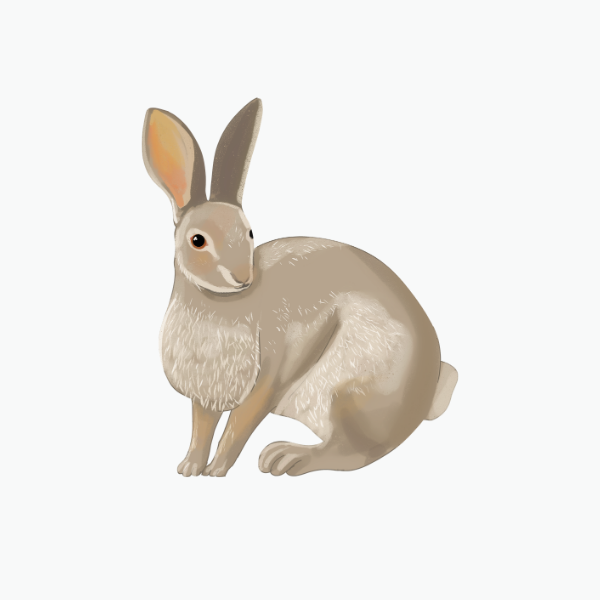
Rabbit
A rabbit is a small mammal with long ears, powerful hind legs, soft fur, and a short fluffy tail. Rabbits can live in grasslands, forests, deserts, farms, and gardens. They mainly eat grass, leaves, vegetables, and other plant foods. Rabbits are known for their quick movements and ability to make sudden jumps when escaping danger. Many species dig underground burrows where they rest and raise their young.

Hare
A hare is a fast-running mammal related to rabbits but generally has longer legs and larger ears. Hares usually live in open areas such as grasslands, fields, and deserts. They mainly eat grasses, herbs, leaves, and other vegetation. Unlike many rabbits, newborn hares are born with fur and open eyes. Hares depend on their powerful legs and excellent hearing to detect predators and escape quickly across open ground.
Hamster
A hamster is a small mammal with a rounded body, short legs, small ears, and soft fur. Many hamster species live naturally in dry or grassy areas, while some are commonly kept as pets. Hamsters have cheek pouches that allow them to carry food to their shelters. They mainly eat seeds, grains, fruits, vegetables, and other foods. Most hamsters are active during the evening and night.

Gerbil
A gerbil is a small rodent with a compact body, long hind legs, and a long tail. Many gerbils naturally live in dry regions of Africa and Asia, where they create underground burrows. They mainly eat seeds, grains, roots, and other plant foods. Gerbils are active and social animals. Their strong back legs help them move quickly, while their burrows provide shelter from heat and predators.

Rat
A rat is a small rodent with a pointed face, rounded ears, long tail, and sharp front teeth. Rats can live in many environments, including forests, fields, cities, and farms. They are highly adaptable and can eat many different foods. Rats have strong senses of smell and hearing and are usually active during the night. Their sharp teeth continue growing throughout life, so they regularly gnaw on objects.
Mouse
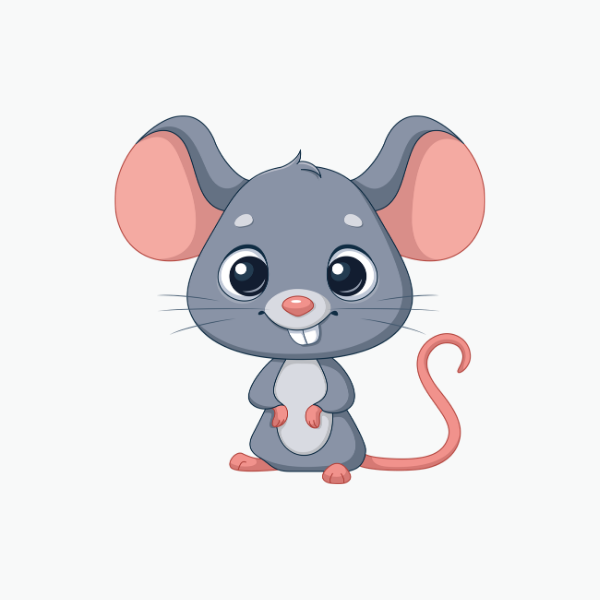
A mouse is a small mammal with a pointed nose, rounded ears, tiny feet, and a long tail. Mice live in many habitats and can adapt easily to forests, grasslands, farms, and human surroundings. They mainly eat seeds, grains, fruits, and other available foods. Mice have excellent hearing and smell, helping them locate food and avoid danger. They are usually most active during the evening and night.
Mole
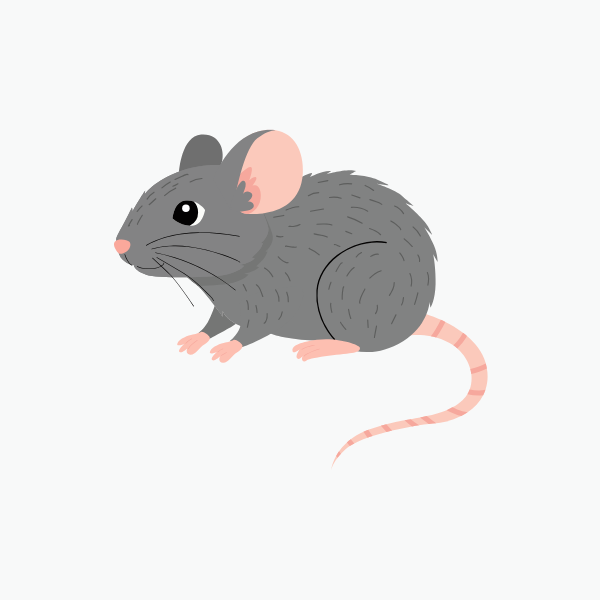
A mole is a small underground mammal with a cylindrical body, tiny eyes, and powerful front paws. Its paws are specially shaped for digging through soil. Moles spend much of their lives beneath the ground and create tunnels while searching for food. They mainly eat earthworms, insects, and other small creatures. Their sensitive noses and whiskers help them find food in dark underground tunnels where eyesight is less useful.
Vole
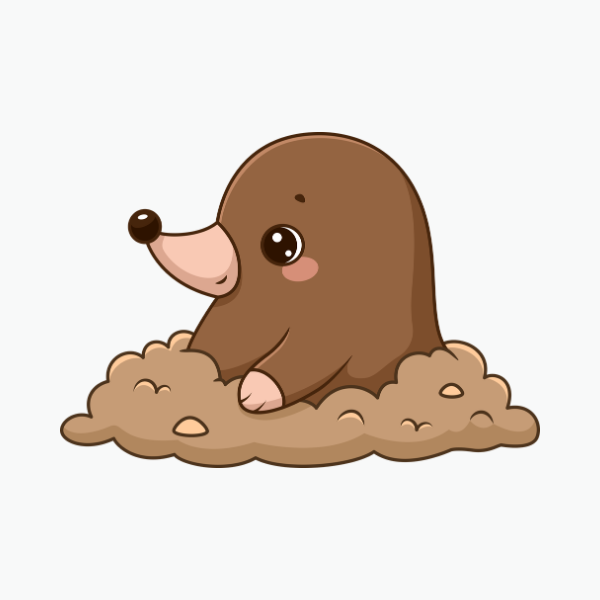
A vole is a small rodent with a rounded body, short legs, small ears, and a short tail. Voles are commonly found in grasslands, meadows, forests, and gardens. They mainly eat grasses, roots, seeds, leaves, and other plant material. Many voles create shallow tunnels through vegetation and soil. They are important prey for many predators and play a useful role in natural food chains and ecosystems.
Dormouse
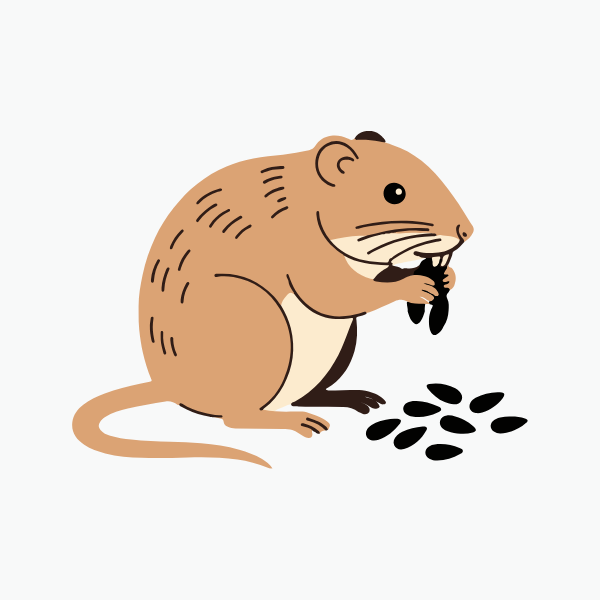
A dormouse is a small rodent with soft fur, large eyes, and a furry tail. Dormice are mainly found in Europe, Asia, and parts of Africa, depending on the species. They often live in woodland areas and spend much of their time climbing among branches. Dormice eat fruits, seeds, nuts, flowers, and insects. Some species spend long periods hibernating during cold weather when food becomes scarce.
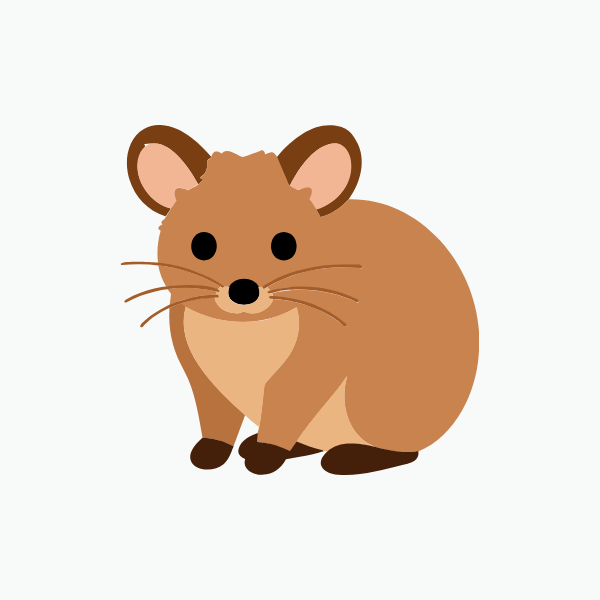
Squirrel
A squirrel is a small mammal with a bushy tail, sharp claws, and strong climbing abilities. Squirrels are found in forests, parks, gardens, and many urban areas. They mainly eat nuts, seeds, fruits, buds, and other plant foods. Their strong front teeth help them open hard shells. Squirrels often store food in hidden places and can quickly climb trees when they need to escape danger.
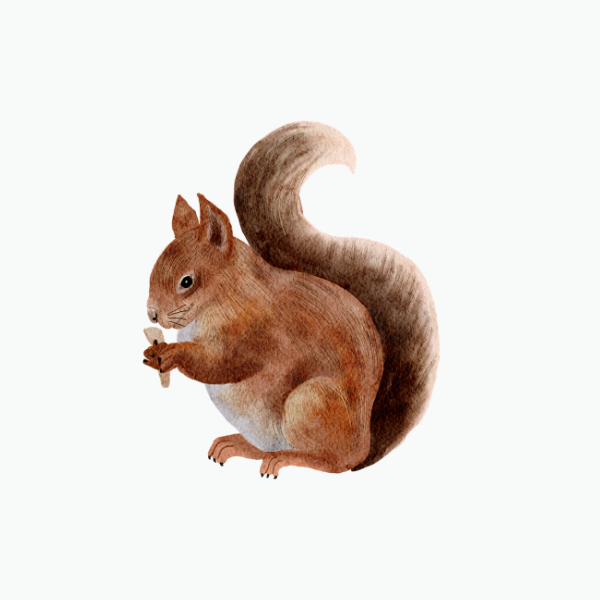
Chipmunk
A chipmunk is a small striped rodent with a slender body, short legs, and a furry tail. Chipmunks are mainly found in North America and parts of Asia. They live in burrows and often gather seeds, nuts, fruits, and insects. Their cheek pouches allow them to carry food to their underground homes. Chipmunks are active during the day and spend much time running, climbing, and searching for food.
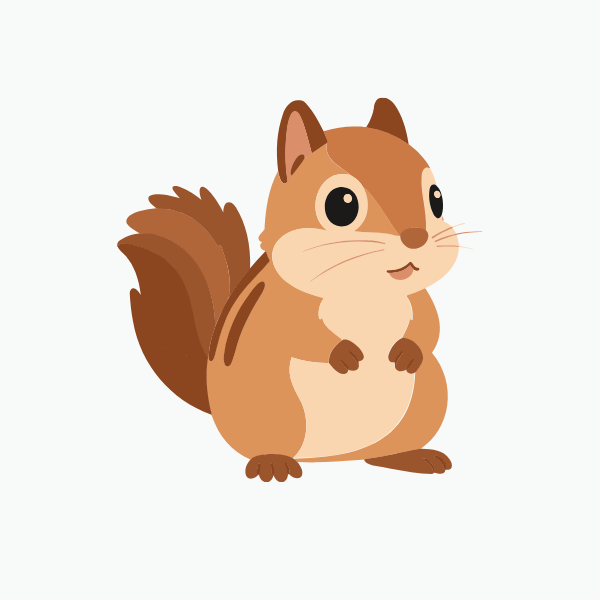
Marmot
A marmot is a large ground squirrel with a sturdy body, short legs, small ears, and a thick coat. Marmots usually live in mountainous or open regions of the Northern Hemisphere. They eat grasses, herbs, flowers, and other plants. Marmots create burrows where they sleep and hide from danger. Many species hibernate during winter, remaining underground for a long period until warmer weather brings more food.
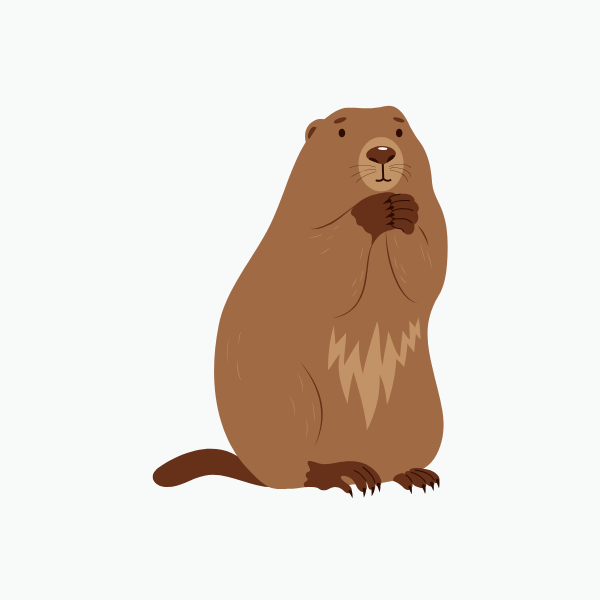
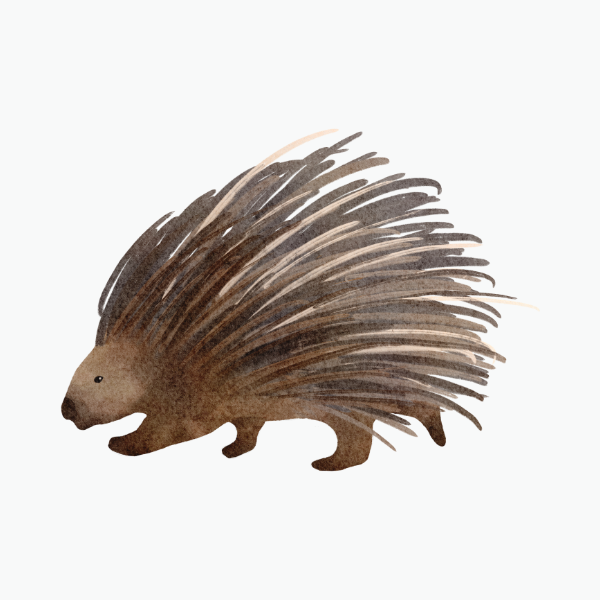
Porcupine
A porcupine is a slow-moving rodent covered with sharp quills that protect it from predators. The quills are modified hairs and can become dangerous when an animal gets too close. Porcupines live in forests, grasslands, deserts, and rocky regions depending on the species. They mainly eat bark, leaves, roots, fruits, and other plant material.
Common Types of Mammals
| Mammal | US IPA | Mammal | US IPA | Mammal | US IPA |
|---|---|---|---|---|---|
| Chinchilla | /tʃɪnˈtʃɪlə/ | Nutria | /ˈnuːtriə/ | Muskrat | /ˈmʌsˌkræt/ |
| Jerboa | /dʒərˈboʊə/ | Bat | /bæt/ | Hedgehog | /ˈhɛdʒˌhɔːɡ/ |
| Shrew | /ʃruː/ | Mongoose | /ˈmɑːŋɡuːs/ | Meerkat | /ˈmɪərˌkæt/ |
| Civet | /ˈsɪvɪt/ | Raccoon | /ræˈkuːn/ | Coati | /koʊˈɑːti/ |
| Kinkajou | /ˈkɪŋkəˌdʒuː/ | Wildcat | /ˈwaɪldˌkæt/ | Bobcat | /ˈbɑːbˌkæt/ |
| Ocelot | /ˈɑːsəˌlɑːt/ | Serval | /ˈsɜːrvəl/ | Caracal | /ˈkærəkæl/ |
| Manatee | /ˈmænətiː/ | Dugong | /ˈduːɡɑːŋ/ | — | — |
Mammal Animals with Pictures and
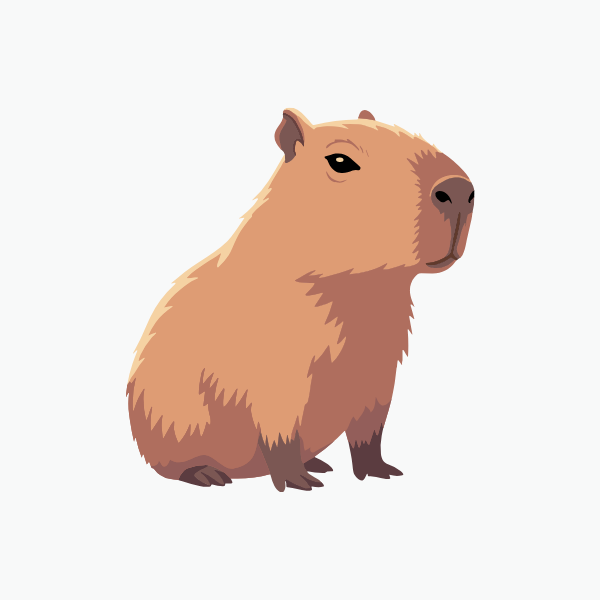
Capybara
A capybara is the world’s largest living rodent. It has a large barrel-shaped body, short legs, small ears, and partially webbed feet. Capybaras live mainly in South America near rivers, lakes, wetlands, and grasslands. They are excellent swimmers and spend much time near water. Their diet consists mostly of grasses and aquatic plants. Capybaras are highly social and often live together in groups of several animals.
Chinchilla
A chinchilla is a small rodent known for its extremely soft and dense fur. It has large rounded ears, big eyes, short front legs, and longer back legs. Wild chinchillas are native to rocky mountain areas of South America. They mainly eat grasses, seeds, and other dry plant foods. Chinchillas are active animals that can jump well and often use dust baths to keep their thick fur clean.

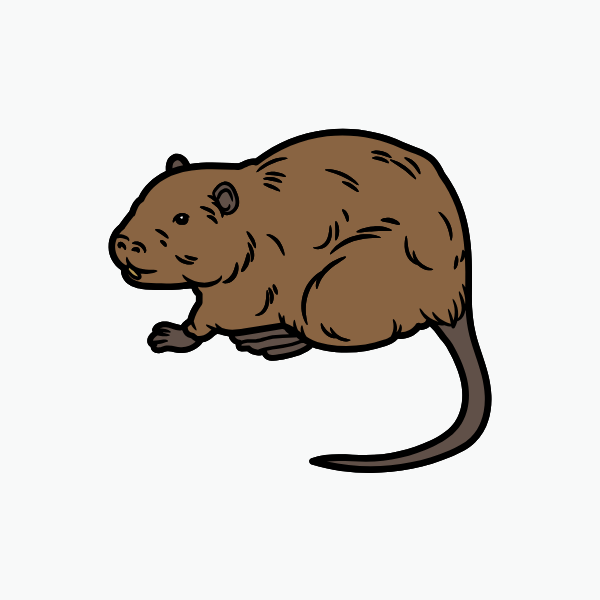
Nutria
A nutria is a large semi-aquatic rodent with orange-colored front teeth, a rounded body, webbed back feet, and a long tail. It is native to South America but has been introduced to other regions. Nutria usually live near rivers, ponds, wetlands, and marshes. They mainly eat aquatic plants, grasses, roots, and other vegetation. Their burrowing and feeding activities can sometimes change wetland habitats and damage plant communities.
Muskrat
A muskrat is a small semi-aquatic rodent with a rounded body, small ears, and a long narrow tail. It lives mainly around ponds, marshes, streams, and wetlands in North America and other introduced regions. Muskrats are good swimmers and build shelters near water. They mainly eat aquatic plants, roots, and other vegetation. Their webbed hind feet help them move efficiently through water while searching for food.
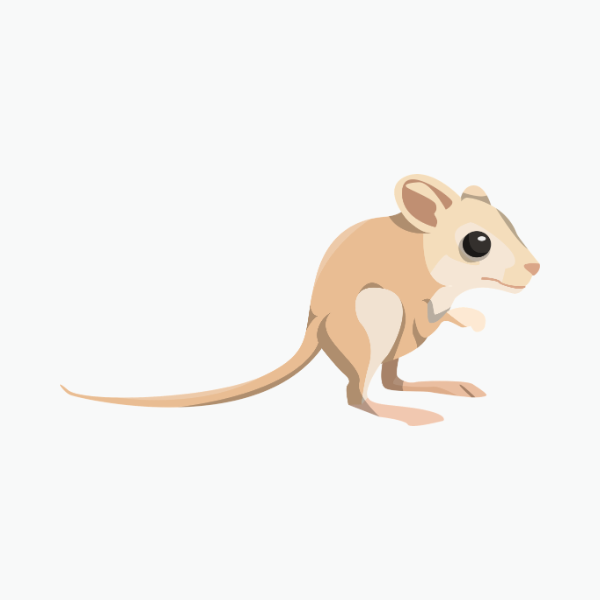
Jerboa
A jerboa is a tiny desert rodent with very long hind legs, short front legs, and a long tail. Its unusual body shape allows it to move by making powerful jumps across sandy ground. Jerboas live mainly in deserts and dry regions of Africa and Asia. They usually feed on seeds and plants and may also eat small insects. Their large ears help them detect sounds in their quiet surroundings.
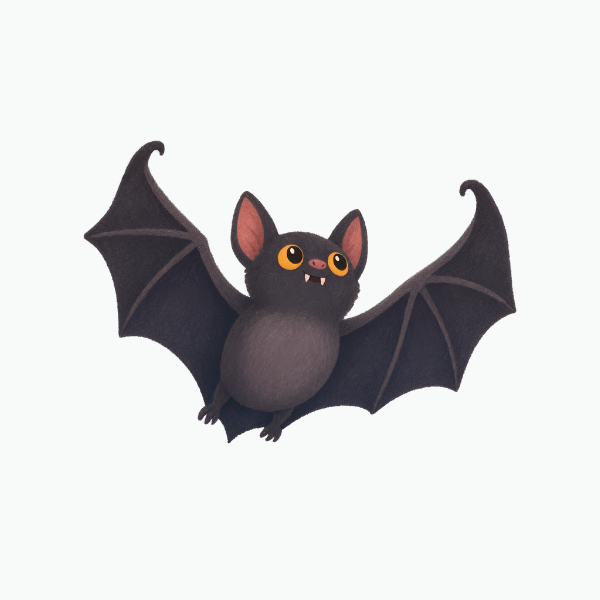
Bat
A bat is the only mammal capable of true sustained flight. It has wings formed from thin skin stretched across its elongated fingers and body. Bats live in many parts of the world and can be found in forests, caves, farms, and cities. Different species eat insects, fruits, nectar, fish, or other foods. Many bats use echolocation to navigate and locate objects in darkness, especially while hunting.
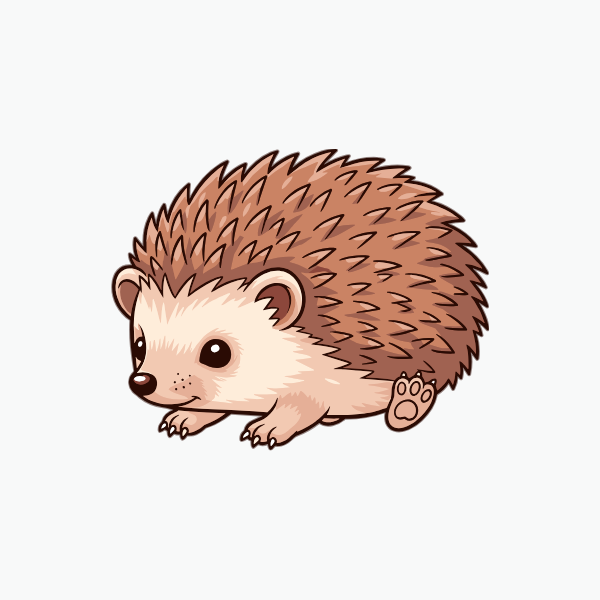
Hedgehog
A hedgehog is a small mammal covered with short sharp spines that protect its body. It has a pointed face, small eyes, short legs, and a compact body. Hedgehogs are mainly active at night and search for insects, worms, fruits, and other foods. When frightened, a hedgehog can curl into a tight ball, making its spines face outward. Different species live in Europe, Asia, and Africa.
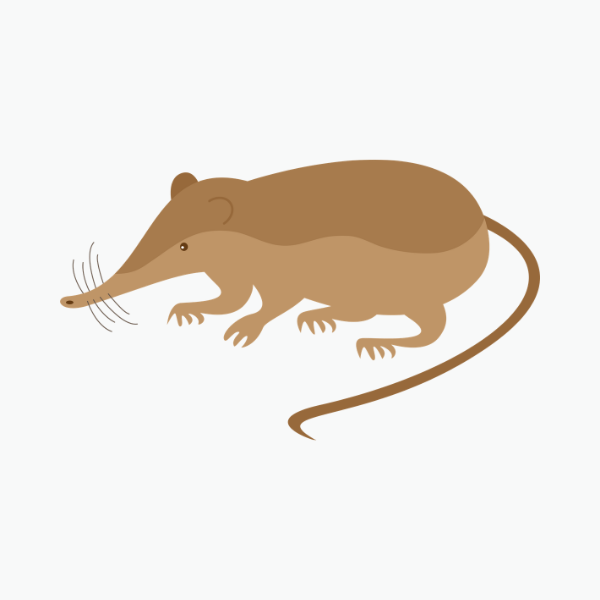
Shrew
A shrew is a tiny mammal with a pointed snout, small eyes, and a long narrow body. Shrews are found in many habitats, including forests, grasslands, wetlands, and gardens. They are active hunters and often eat insects, worms, spiders, and other small creatures. Shrews have very fast metabolisms, so they need to eat frequently. Their sensitive whiskers and strong sense of smell help them locate food.
Mongoose
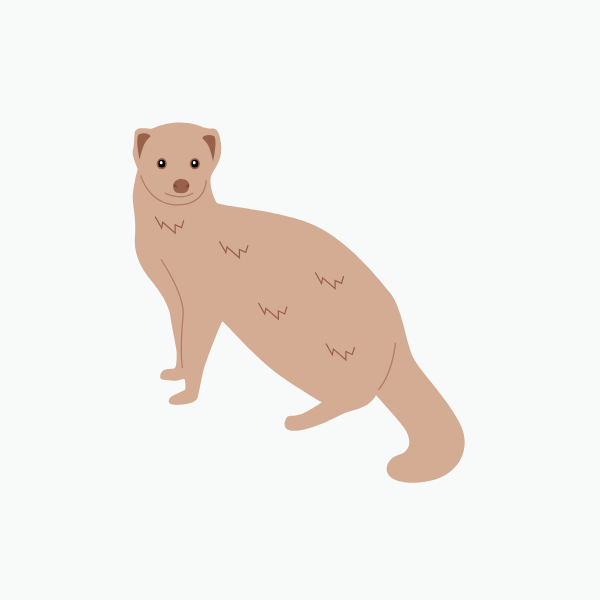
A mongoose is a small to medium-sized mammal with a long body, short legs, and a pointed face. Many mongoose species live in Africa, while others occur in parts of Asia and southern Europe. They eat insects, small animals, eggs, fruits, and other foods. Mongooses are quick and alert creatures. Some species are famous for their ability to face venomous snakes, although they do not always win such encounters.
Meerkat
A meerkat is a small mammal belonging to the mongoose family. It has a slender body, pointed face, dark patches around its eyes, and a long tail. Meerkats live mainly in dry regions of southern Africa and often stay together in groups. They dig underground burrows for shelter and raise their young cooperatively. Meerkats eat insects, spiders, small animals, roots, and other foods found on the ground.

Civet
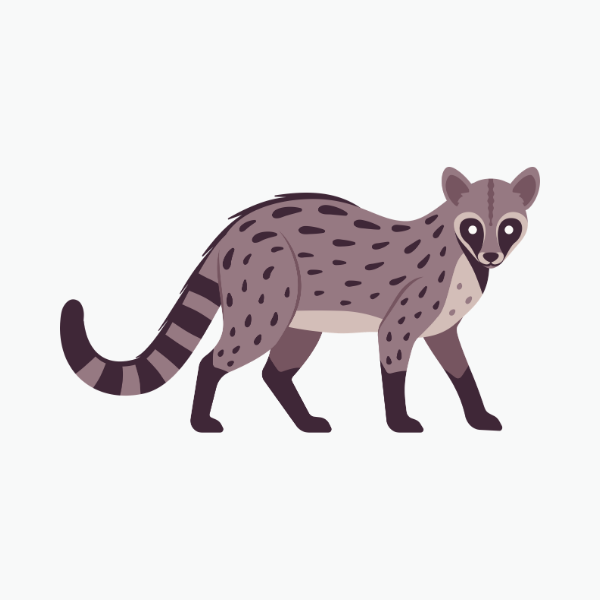
A civet is a small to medium-sized mammal with a long body, short legs, pointed face, and often a patterned coat. Civets live mainly in tropical regions of Africa and Asia. Many species are active at night and spend time searching for fruits, insects, small animals, and other foods. Some civets climb trees well, while others mainly stay on the ground. Their strong sense of smell helps them explore their surroundings.
Raccoon
A raccoon is a medium-sized mammal recognized by its black facial mask, ringed tail, and nimble front paws. It is native to North America but has been introduced to other regions. Raccoons are highly adaptable and can live in forests, wetlands, farms, and urban areas. They eat fruits, insects, small animals, eggs, and many other foods. Most raccoons are active at night and are excellent climbers and swimmers.

Coati
A coati is a small to medium-sized mammal related to raccoons. It has a long flexible snout, pointed face, short legs, and a long ringed tail. Coatis live mainly in forests and other warm regions of the Americas. They are excellent climbers and often search the ground for insects, fruits, eggs, and small animals. Coatis can live in groups, while adult males of some species may spend more time alone.

Kinkajou
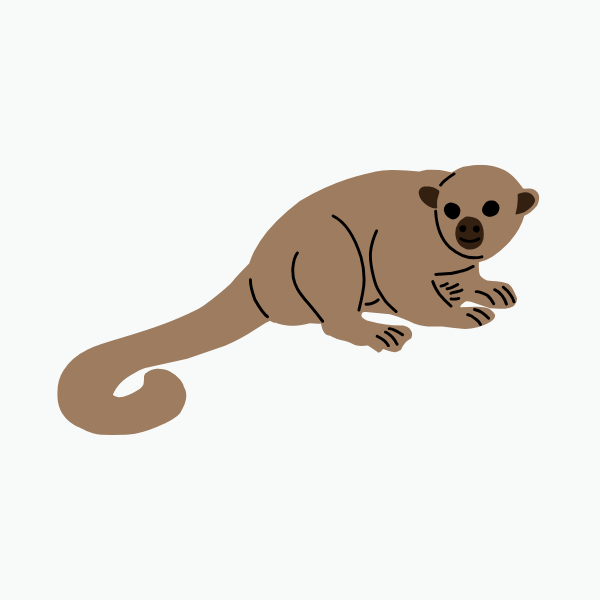
A kinkajou is a small rainforest mammal related to raccoons, although it may look somewhat like a monkey. It has soft golden-brown fur, large eyes, short legs, and a long prehensile tail that helps it move through trees. Kinkajous are mainly active at night and spend much of their lives in the forest canopy. They mostly eat fruits and nectar and can help spread seeds between different areas.
Wildcat
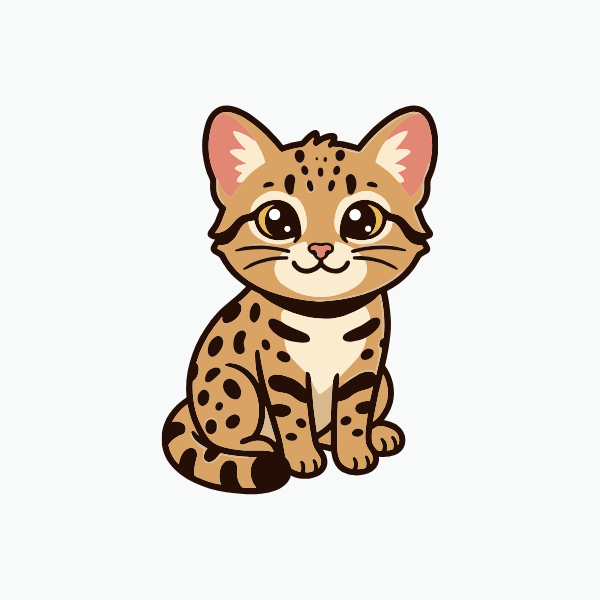
A wildcat is a small to medium-sized feline with a sturdy body, sharp claws, and a striped or spotted coat depending on the species. Wildcat species live in forests, grasslands, mountains, and dry regions. They are skilled hunters and usually feed on rodents, birds, reptiles, and other small animals. Most wildcats are solitary and cautious. Their excellent hearing, eyesight, and quiet movements help them hunt effectively.
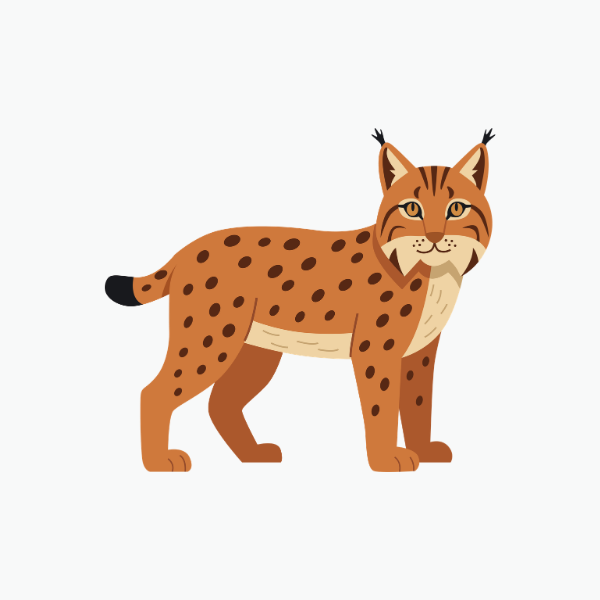
Bobcat
A bobcat is a medium-sized wild cat native to North America. It has a short tail, tufted ears, strong legs, and a coat marked with spots or stripes. Bobcats can live in forests, deserts, mountains, grasslands, and areas near human settlements. They usually hunt alone and feed on rabbits, rodents, birds, and other small animals. Their name comes from their noticeably short or “bobbed” tail.
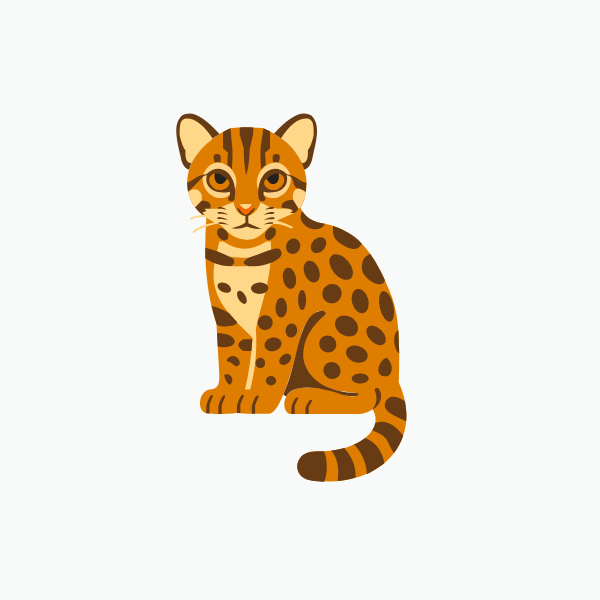
Ocelot
An ocelot is a small wild cat with a beautiful coat covered in dark spots, stripes, and rosette-like markings. It lives mainly in forests, grasslands, and other habitats of Central and South America. Ocelots are skilled climbers and swimmers and are usually active at night. They hunt alone and eat rodents, birds, reptiles, fish, and other small animals. Their patterned fur provides camouflage among plants and shadows.
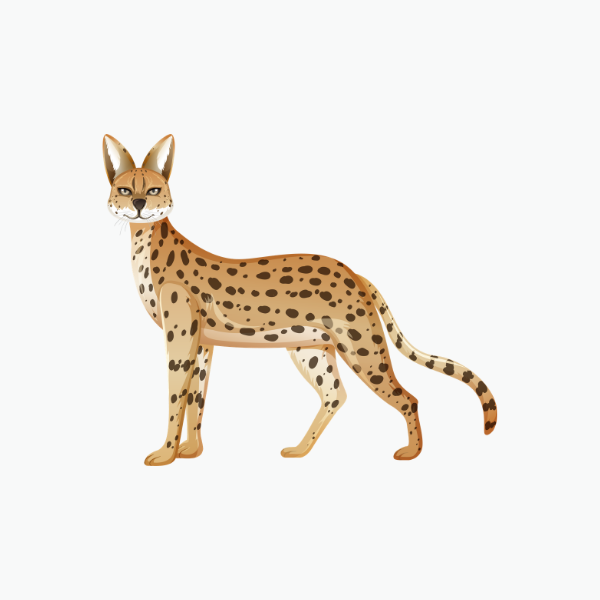
Serval
A serval is a slender African wild cat with very long legs, large ears, and a spotted coat. Its long legs help it move through tall grass, while its large ears allow it to detect small animals hidden nearby. Servals mainly eat rodents, birds, frogs, and other small prey. They are skilled hunters and can leap high into the air to catch animals. Servals usually live alone.
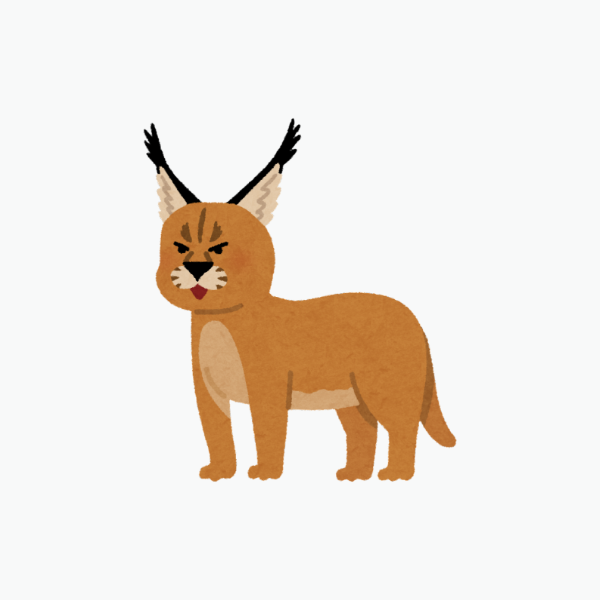
Caracal
A caracal is a medium-sized wild cat recognized by its reddish-brown coat and long black ear tufts. It has strong legs and can make impressive vertical jumps when hunting birds. Caracals live in parts of Africa, the Middle East, and Asia, occupying grasslands, scrublands, and dry regions. They mainly eat birds, rodents, hares, and other small animals. Caracals are mostly solitary and are often active during the night.
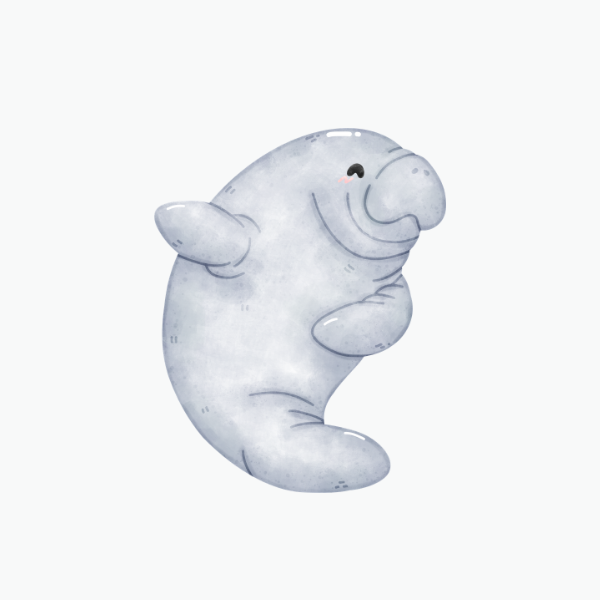
Manatee
A manatee is a large aquatic mammal often called a sea cow because it mainly eats plants. It has a rounded body, paddle-shaped front flippers, and a broad flat tail. Manatees live in warm coastal waters, rivers, and shallow wetlands. They feed on aquatic vegetation such as grasses and floating plants. Manatees are gentle swimmers and regularly come to the surface to breathe air through their nostrils.

Dugong
A dugong is a large marine mammal related to manatees. It has a rounded body, paddle-like front flippers, and a broad tail shaped somewhat like a whale’s tail. Dugongs live in warm coastal waters of the Indian and western Pacific Oceans. They mainly feed on seagrass growing on the ocean floor. Dugongs spend much of their time underwater but must rise to the surface regularly to breathe air.
Lear More Animals Related Articles