Bears are powerful mammals found across forests, mountains, grasslands, and Arctic landscapes. There are eight living bear species, and each has its own body shape, habitat, diet, and behavior. In this guide to Types of Bear with Their Pictures, you will learn about the Brown Bear, American Black Bear, Asiatic Black Bear, Polar Bear, Sun Bear, Sloth Bear, Giant Panda, and Andean Bear. You will also learn how these species differ, where they live, what they eat, how large they can become, and which conservation challenges affect them today
How Many Types of Bear Species Are There?
There are eight living bear species recognized today. They are the Brown Bear, American Black Bear, Asiatic Black Bear, Polar Bear, Sun Bear, Sloth Bear, Giant Panda, and Andean Bear.
Types of Bears with Pronunciation and Descriptions
| Bear Name | US IPA | Short Description |
|---|---|---|
| Brown Bear | /braʊn ber/ | A large bear found across parts of North America, Europe, and Asia, with several regional populations. |
| American Black Bear | /əˈmerɪkən blæk ber/ | A North American bear that commonly lives in forests and can have black, brown, or cinnamon-colored fur. |
| Asiatic Black Bear | /eɪʒiˈætɪk blæk ber/ | A medium-sized Asian bear with dark fur and a distinctive white chest marking shaped like a crescent. |
| Polar Bear | /ˈpoʊlər ber/ | A large Arctic bear with white-looking fur that spends much of its life on sea ice. |
| Sun Bear | /sʌn ber/ | The smallest bear species, native to Southeast Asian forests and recognized by a golden chest marking. |
| Sloth Bear | /sloʊθ ber/ | A shaggy-haired bear from the Indian subcontinent that mainly eats insects, fruits, and other plant foods. |
| Giant Panda | /ˈdʒaɪənt ˈpændə/ | A black-and-white bear native to China, famous for its bamboo-based diet and strong climbing ability. |
| Andean Bear | /ˈændiən ber/ | The only bear species native to South America, living mainly in mountain forests and grasslands. |
How Long Do Bears Live?
Bear lifespan differs among species and between wild and human-care settings. Some wild bears can live for more than 20 years, while exceptional individuals can live considerably longer. Brown bears have recorded wild lifespans reaching the upper 30s, while American black bears can also exceed 30 years in the wild.
Bear Behavior and Social Life
Most bear species are solitary, especially adults outside the breeding season or family groups. Mothers usually spend time with their young, but bears generally do not form large permanent social groups like many herd animals.
Their behavior depends on species, habitat, food, season, and human activity. Some bears are excellent climbers, while others are strong swimmers or highly adapted to walking across snow and sea ice.
Types of Bear and Their Pictures
Brown Bear
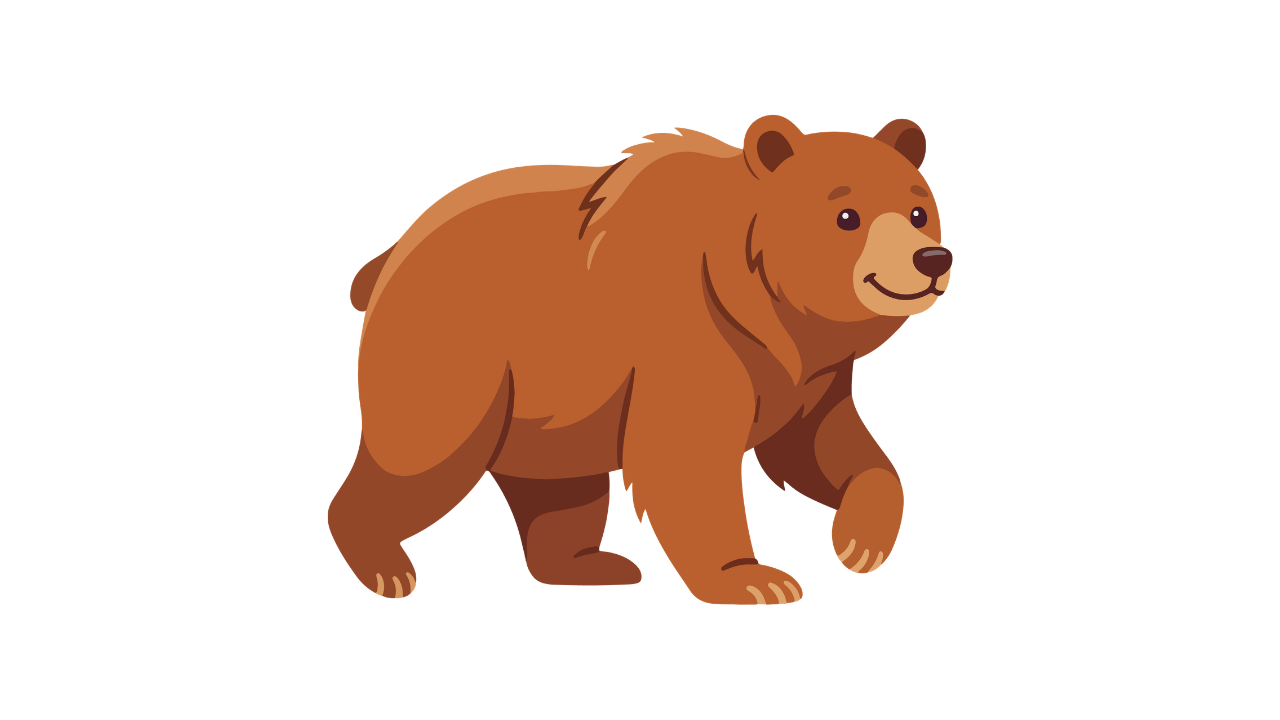
The Brown Bear is a large bear found in parts of North America, Europe, and Asia. Its fur can range from light brown to very dark brown. Brown bears live in forests, mountains, grasslands, and tundra. They eat both plants and animals, including berries, roots, insects, fish, and small mammals. Grizzly bears are a well-known North American form of the brown bear.
American Black Bear
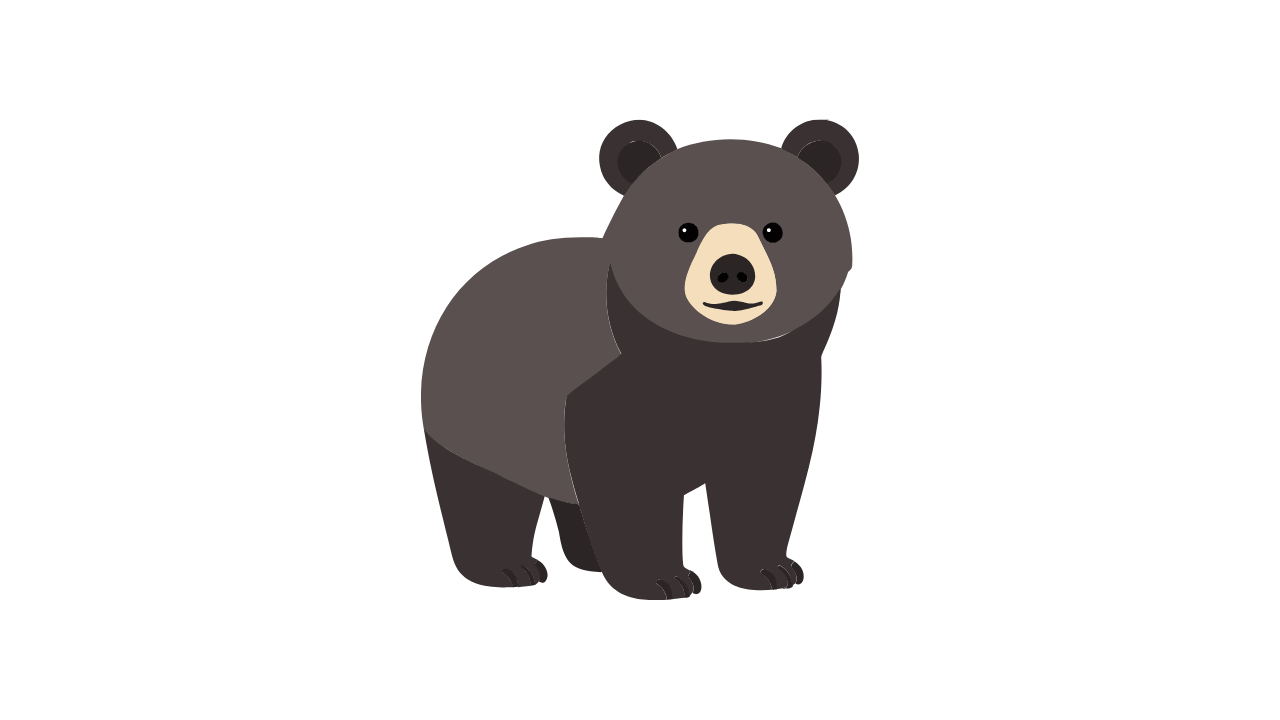
The American Black Bear is native to North America and is found in forests, mountains, wetlands, and other habitats. Despite its name, its fur may be black, brown, cinnamon, or even pale. It is an excellent climber and can swim well. American black bears eat fruits, nuts, plants, insects, fish, and small animals. They usually live alone except when females raise their cubs.
Asiatic Black Bear
The Asiatic Black Bear, also called the moon bear, is native to many parts of Asia. It has thick black fur and a noticeable white or cream-colored chest marking. These bears live mainly in forests, mountains, and hilly areas. They eat fruits, nuts, plants, insects, and small animals. Asiatic black bears can climb trees well and may rest or feed high above the ground.
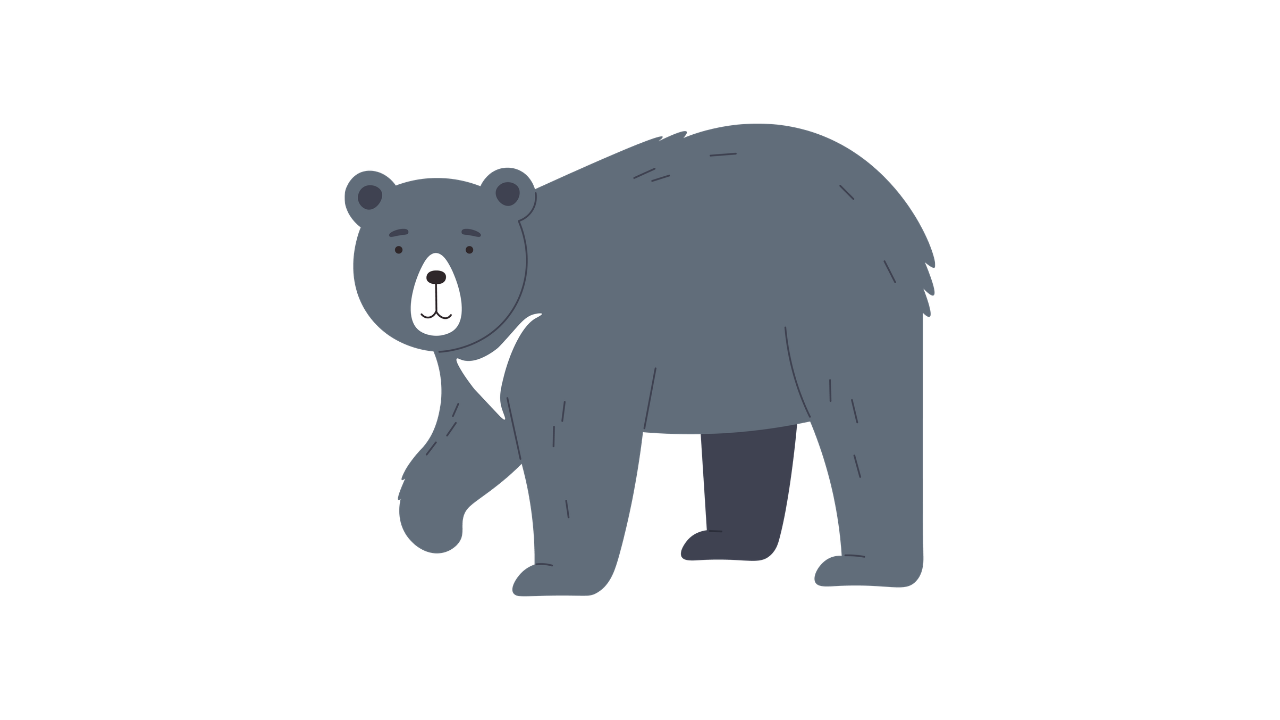
Polar Bear
The Polar Bear is a large bear native to the Arctic region. Its thick fur appears white and helps it blend into snowy surroundings, while a layer of body fat provides insulation against the cold. Polar bears are strong swimmers and spend much of their lives near sea ice. Their main food is seals, although they may eat other available animals and food when necessary.
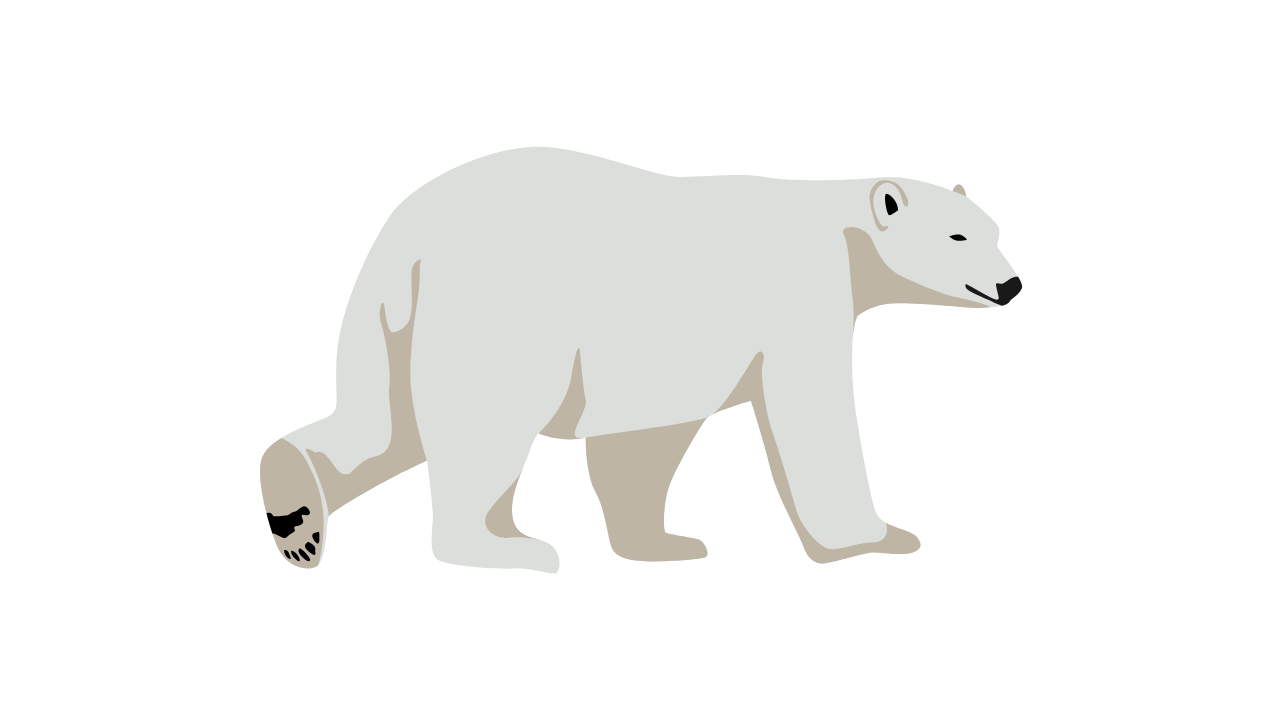
Sun Bear
The Sun Bear is the smallest living bear species and lives mainly in the tropical forests of Southeast Asia. It has short, dark fur and a distinctive golden or orange chest marking that resembles a rising sun. Sun bears are excellent climbers and spend much time in trees. Their diet includes fruits, insects, honey, and other small foods. They are generally active and adaptable forest animals.
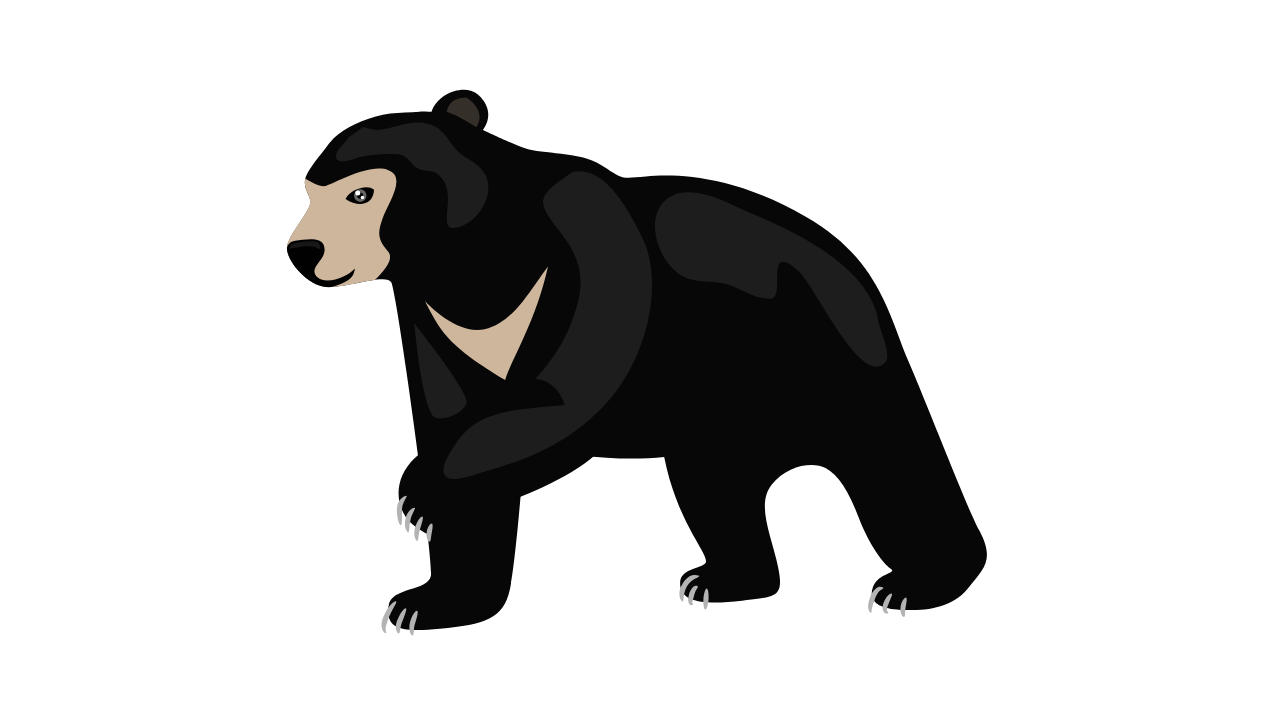
Sloth Bear
The Sloth Bear is a shaggy-haired bear found mainly in India and nearby parts of the Indian subcontinent. It has long, dark fur and a pale marking on its chest. Sloth bears mainly eat termites, ants, fruits, and other plant foods. Their long claws and flexible lips help them collect insects from nests. They are mostly active at night and can be protective around their cubs.
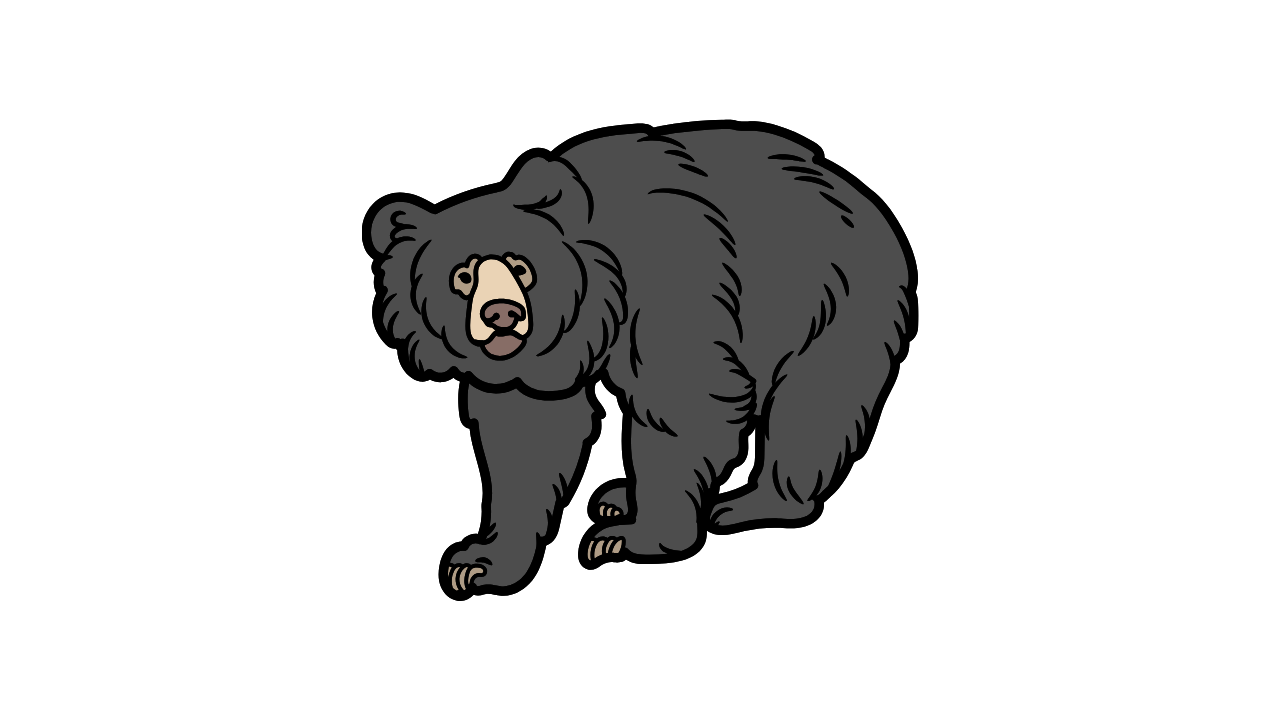
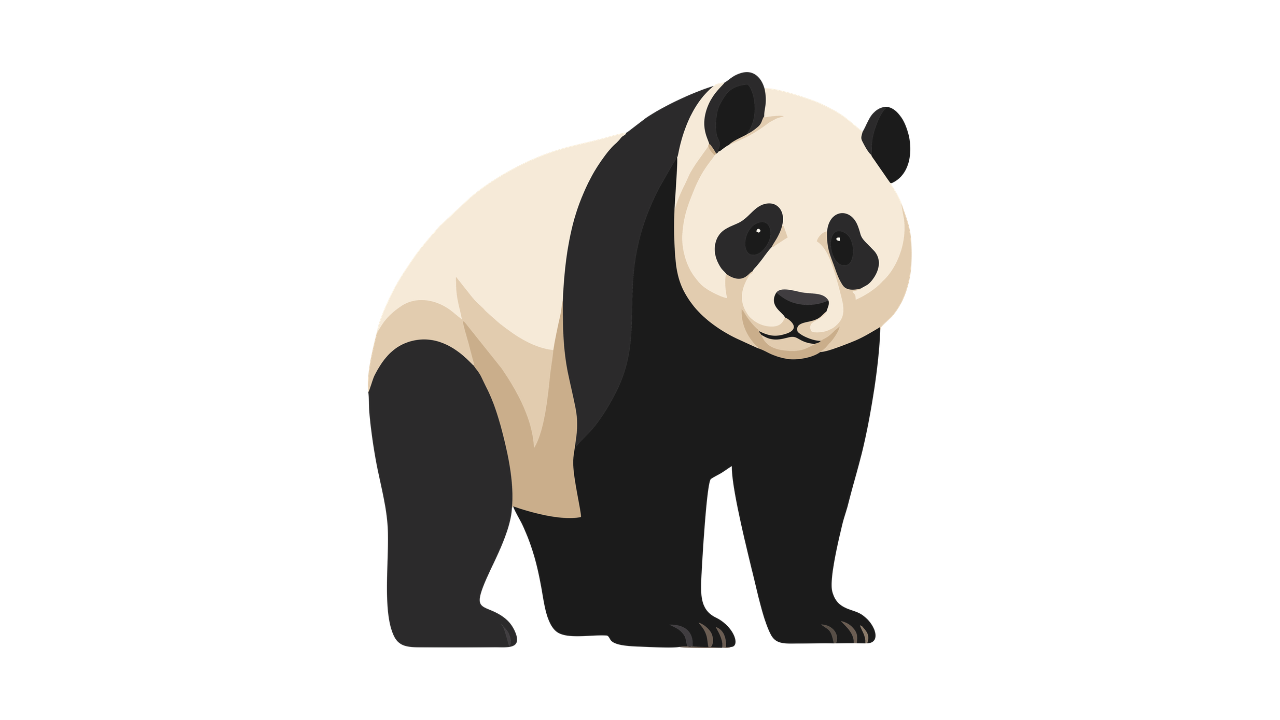
Giant Panda
The Giant Panda is a black-and-white bear native to mountain forests in central China. It is famous for its strong dependence on bamboo, which makes up most of its diet. Giant pandas have powerful jaws, large molar teeth, and a special wrist bone that helps them hold bamboo. They are generally solitary animals and spend many hours each day feeding and resting in forest habitats.
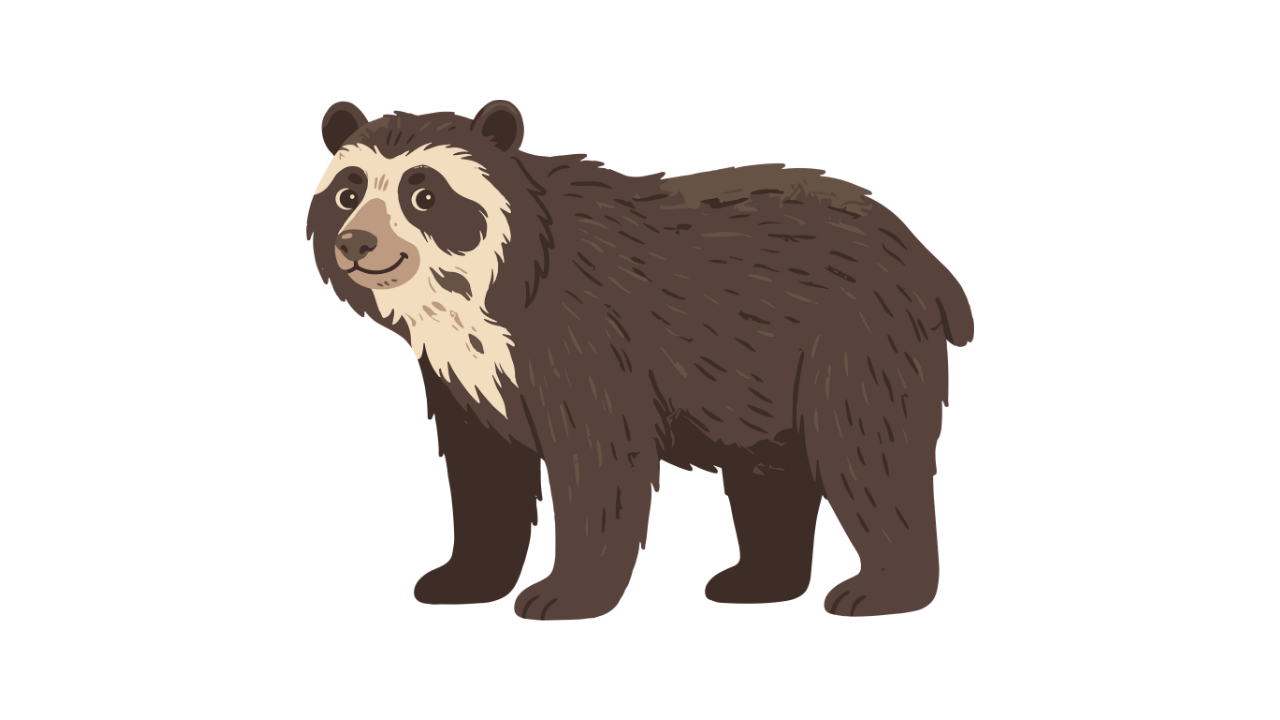
Andean Bear
The Andean Bear, also called the spectacled bear, is the only living bear species native to South America. It lives mainly in the Andes, using forests, grasslands, and other mountain habitats. Its fur is usually black or dark brown, often with lighter markings around the face. Andean bears eat fruits, plants, insects, and other available foods. They are generally shy and spend considerable time in trees.
Where Do Bears Live?
Bears live in a wide range of environments. Most species are associated with forests, but some also use grasslands, mountains, wetlands, tundra, or Arctic sea ice.
- Brown Bear: North America, Europe, and Asia
- American Black Bear: Canada, the United States, and Mexico
- Asiatic Black Bear: parts of Asia
- Polar Bear: Arctic regions
- Sun Bear: Southeast Asia
- Sloth Bear: India, Sri Lanka, and Nepal
- Giant Panda: mountain forests of central China
- Andean Bear: Andes of South America
Can Bears Be Domesticated?
Bears are wild animals, not domesticated animals. They have not been selectively bred over generations to live as household animals in the way domestic dogs or cats have.
Even bears raised around people retain strong natural behaviors, large physical strength, and complex environmental needs. For their welfare and public safety, bears are best understood as wild species that require appropriate professional care and suitable natural or managed habitats.
How to Identify Different Bear Species
The best way to identify a bear is to consider geographic range, body shape, coat, markings, and behavior together rather than relying on color alone.
- Polar Bear: White-looking coat and Arctic sea-ice habitat.
- Giant Panda: Distinctive black-and-white coat and bamboo-rich mountain habitat.
- Sun Bear: Small body, short dark coat, and golden or cream chest patch.
- Sloth Bear: Long, shaggy dark fur and pale muzzle.
- Andean Bear: Dark coat with individual cream or white facial markings.
- Asiatic Black Bear: Dark coat with a pale crescent-like chest marking.
- American Black Bear: Highly variable coat colors in North America.
- Brown Bear: Very broad geographic range and wide variation in appearance.
Frequently Asked Questions About Types of Bear
How many types of bear are there?
There are eight living bear species recognized in the bear family: Brown Bear, American Black Bear, Asiatic Black Bear, Polar Bear, Sun Bear, Sloth Bear, Giant Panda, and Andean Bear.
What is the largest bear species?
The Polar Bear is generally recognized as the largest living bear species, with adult males commonly reaching very large body weights. Brown Bears can also reach exceptional sizes, so individual records can overlap.
What is the smallest bear species?
The Sun Bear is the smallest living bear species. Adult Sun Bears generally weigh about 30–90 kilograms, although body size varies by sex and region.
Is the Giant Panda really a bear?
Yes. The Giant Panda belongs to the family Ursidae, which is the bear family. It is a specialized bear with a diet centered on bamboo and several adaptations for feeding on tough plant material.
Is the Grizzly Bear a separate species?
No. The Grizzly Bear is a form of Brown Bear, Ursus arctos, rather than a separate living species.
Which bear is the only one found in South America?
The Andean Bear, also called the Spectacled Bear, is the only living bear species native to South America. It mainly occurs along the Andes of Venezuela, Colombia, Ecuador, Peru, and Bolivia.
Which bear eats mostly bamboo?
The Giant Panda eats mainly bamboo. It has strong jaws, large molar teeth, and a specialized wrist structure that help it handle tough bamboo stems and leaves.
Which bear has the strongest connection to sea ice?
The Polar Bear is strongly dependent on Arctic sea ice because it uses sea ice as an important platform for hunting seals and moving through its environment. Loss of sea ice is its major long-term conservation concern.
Conclusion
The Types of Bear with Their Pictures are best understood as the eight living species of the bear family, rather than a long list of local names or unusual color forms. Brown Bears, American Black Bears, Asiatic Black Bears, Polar Bears, Sun Bears, Sloth Bears, Giant Pandas, and Andean Bears each have different habitats, diets, body shapes, and behaviors. Learning these differences also helps explain why conservation needs vary from one species to another.
Animals Related Articles