Zebras are African equids best known for their distinctive black-and-white striped coats, but they are not all the same. There are three widely recognized living zebra species: plains zebra, mountain zebra, and Grevy’s zebra. Several recognized subspecies occur within the plains and mountain zebra groups, while the quagga is an extinct form of the plains zebra. This guide to Types of Zebras with Their Pictures explains the main species and recognized subspecies, their scientific names, ranges, habitats, appearance, behavior, diet, and conservation. It also clarifies why different sources sometimes list different numbers of zebra types.
How Many Types of Zebras Are There?
There are three widely recognized living zebra species:
- Plains zebra — Equus quagga
- Mountain zebra — Equus zebra
- Grevy’s zebra — Equus grevyi
Type of Zebras and US IPA and Descriptions
| Type of Zebra | US IPA | Short Description |
|---|---|---|
| Plains Zebra | /pleɪnz ˈziːbrə/ | The most widespread zebra species, living mainly in eastern and southern Africa. |
| Mountain Zebra | /ˈmaʊntən ˈziːbrə/ | A zebra species adapted to rocky mountains, hills, and dry southwestern African habitats. |
| Grevy’s Zebra | /ˈɡreɪviz ˈziːbrə/ | The largest living zebra, known for narrow stripes, large ears, and a white belly. |
| Grant’s Zebra | /ɡrænts ˈziːbrə/ | A northern form of plains zebra found across parts of eastern Africa. |
| Chapman’s Zebra | /ˈtʃæpmənz ˈziːbrə/ | A plains zebra form recognized by broad stripes and brownish shadow stripes. |
| Crawshay’s Zebra | /ˈkrɔːʃeɪz ˈziːbrə/ | A plains zebra form known for numerous narrow stripes and closely spaced markings. |
| Burchell’s Zebra | /ˈbɜrtʃəlz ˈziːbrə/ | A historical name associated with a southern form of plains zebra. |
| Selous’ Zebra | /səˈluːz ˈziːbrə/ | A historical plains zebra form associated with southeastern Africa. |
| Böhm’s Zebra | /beɪmz ˈziːbrə/ | A historical name used for a northern plains zebra form. |
| Quagga | /ˈkwæɡə/ | An extinct zebra form from southern Africa with stripes mainly on its front body. |
What Do Zebra Look Like?
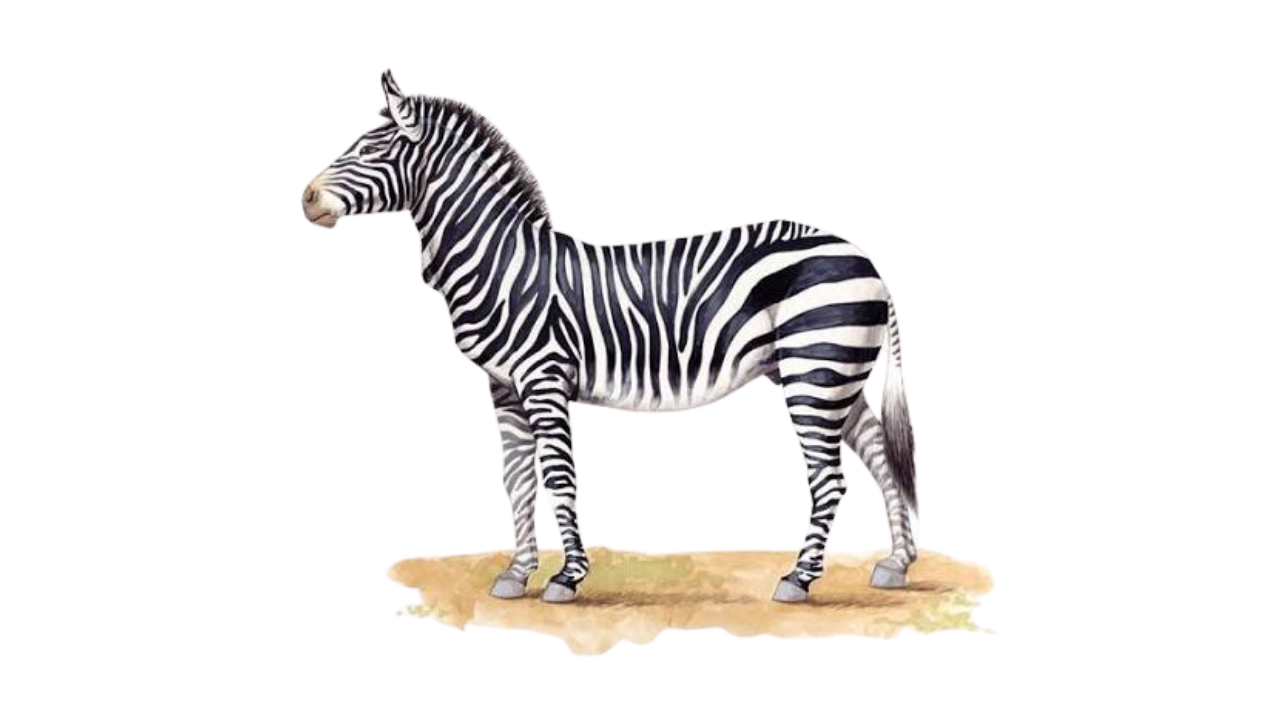
Zebras have the basic body structure of wild equids: a large head, sturdy neck, long legs, mane, and tasseled tail. Their most recognizable feature is their striped coat. However, stripe patterns differ between species and geographic populations.
Plains Zebras generally have wider stripes, Mountain Zebras have distinctive rump markings and a throat dewlap, while Grévy’s Zebras have narrow, closely spaced stripes and large rounded ears. Individual zebra stripe patterns are also unique, which can help researchers identify animals.
Types of Zebras with Explanations
Plains Zebra
The Plains Zebra, scientifically known as Equus quagga, is the most widespread living zebra species. It occurs across eastern and southern Africa, mainly in grasslands, savannas, and open woodlands. Its black-and-white stripes vary between individuals and populations. Plains zebras are social animals and usually live in groups. They are herbivores that mainly graze on grasses and can travel considerable distances in search of food and water.
Mountain Zebra
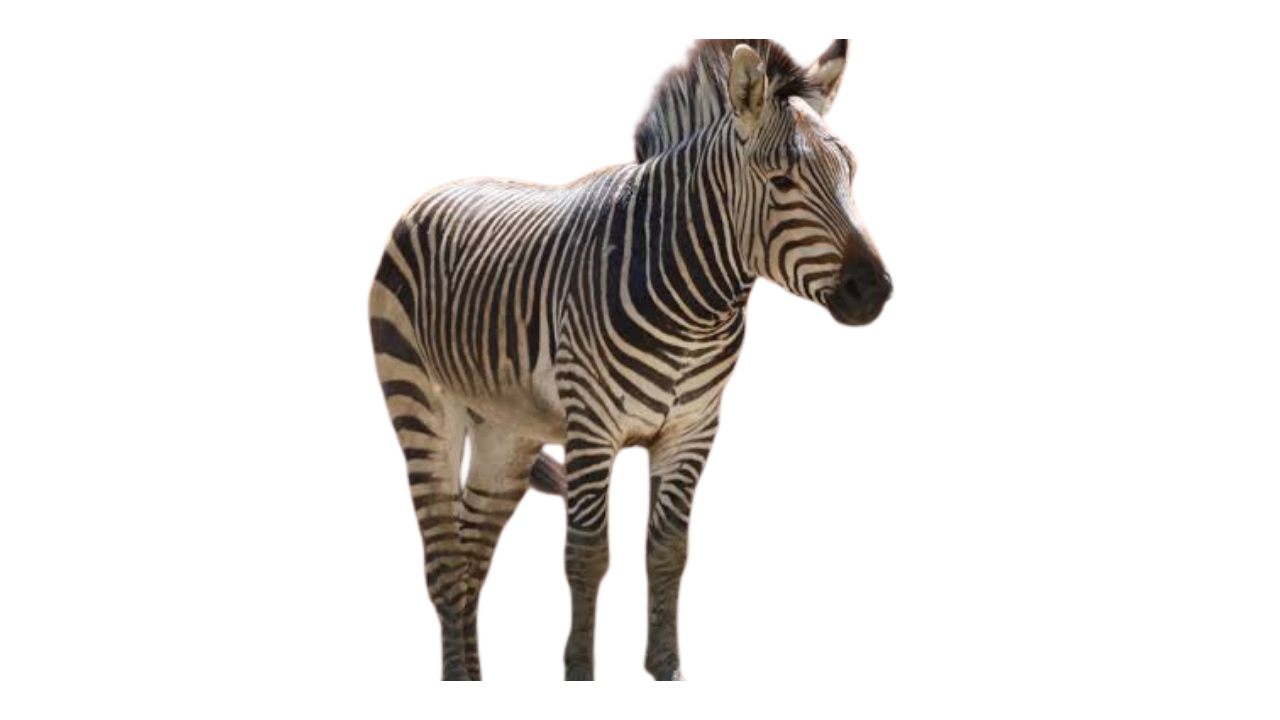
The Mountain Zebra, Equus zebra, is a zebra species native to southwestern Africa. It is well adapted to rocky mountains, steep slopes, and dry habitats. It has a compact body, strong legs, and distinctive narrow stripes. Mountain zebras mainly eat grasses and other vegetation. They usually live in small breeding groups, while young males may form separate bachelor groups. The species includes two recognized subspecies.
Quagga
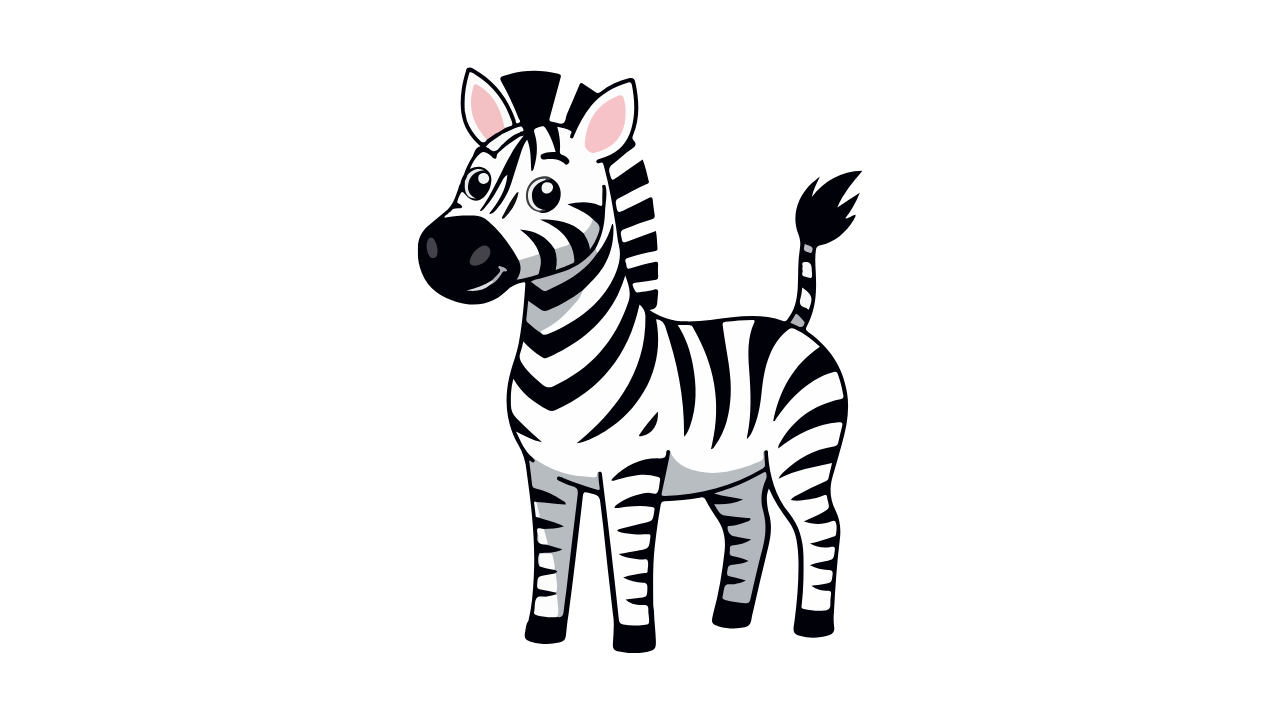
The Quagga was an extinct form of the Plains Zebra from southern Africa, historically called Equus quagga quagga. It had prominent stripes on the head, neck, and front part of the body, while the rear body was mostly brown. The quagga became extinct in the nineteenth century because of hunting and other human pressures. Genetic research has confirmed its close relationship with surviving Plains Zebras.
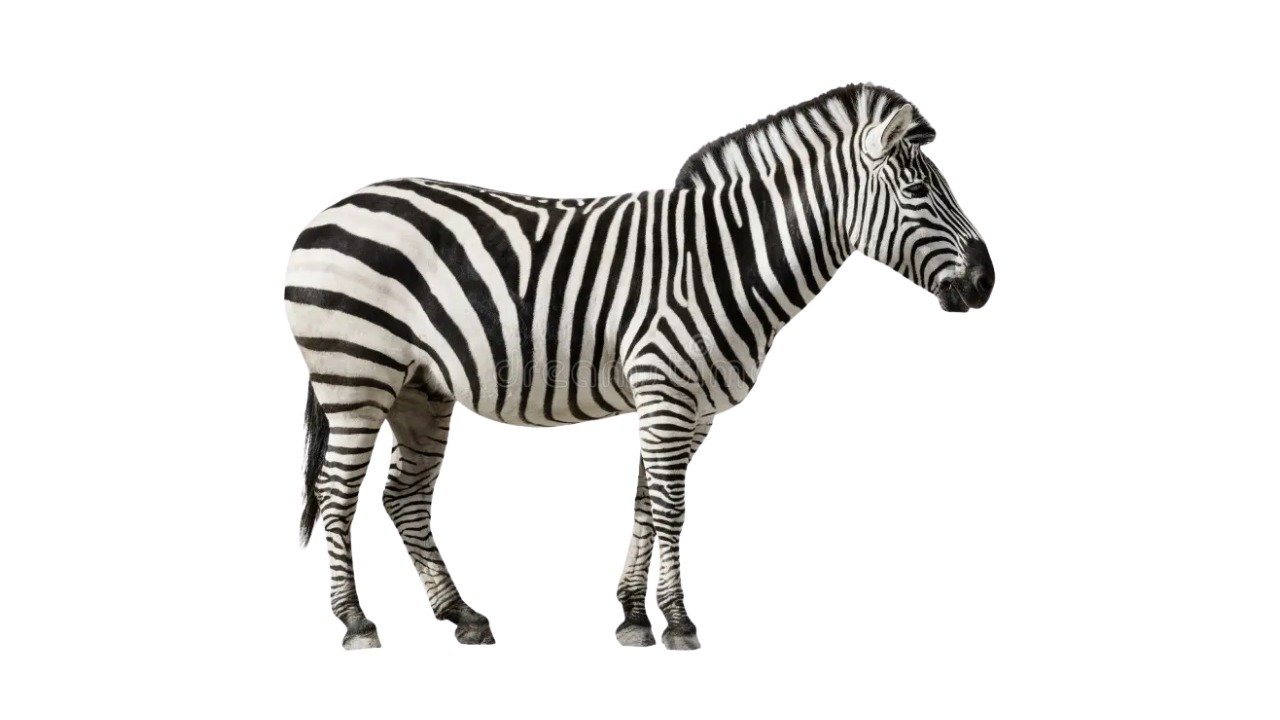
Equus grevyi
Equus grevyi is the scientific name of Grevy’s zebra, the largest living zebra species. It is distinguished by narrow, closely spaced stripes, large rounded ears, and a white belly. Today, it is found mainly in northern Kenya and parts of Ethiopia. Grevy’s zebras live in semi-arid grasslands and scrublands and feed mainly on grasses. Unlike plains zebras, they have a more flexible social structure.
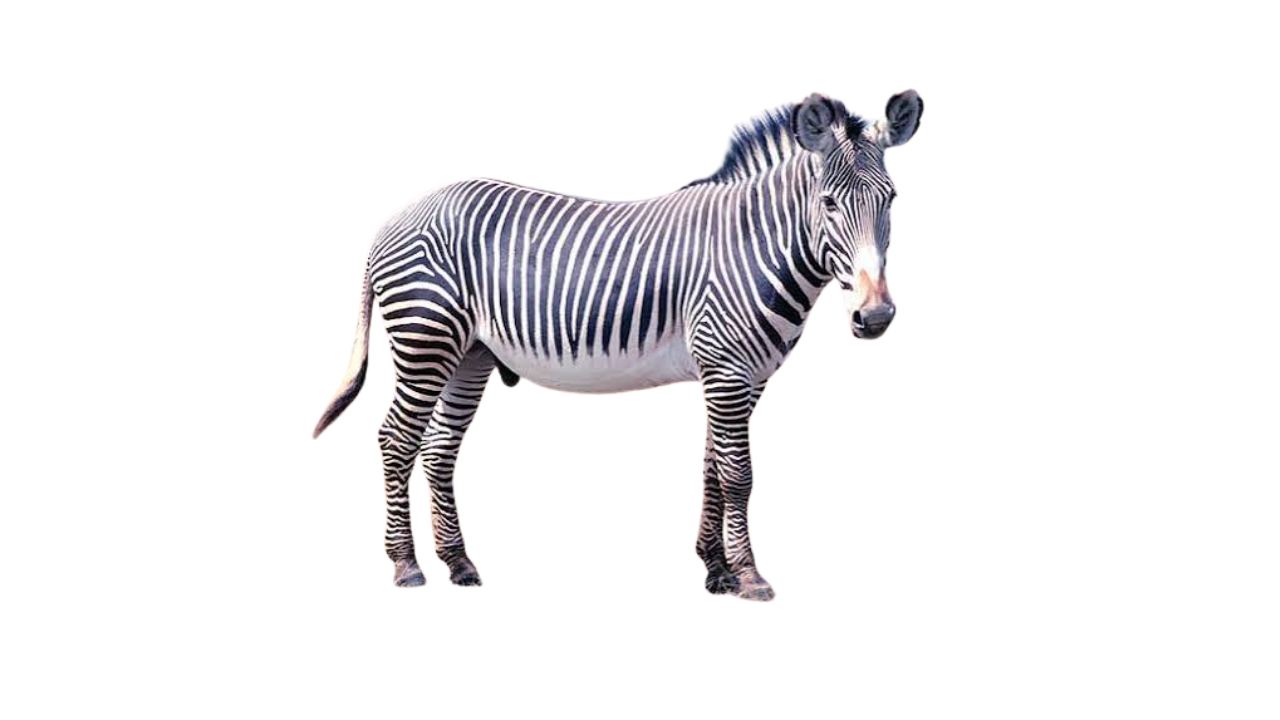
Cape Mountain Zebra
The Cape mountain zebra, Equus zebra zebra, is a subspecies of mountain zebra native to mountainous areas of South Africa. It has a compact body, strong legs, and narrow stripes that extend over much of its body. It is well adapted to steep, rocky terrain and dry conditions. Cape mountain zebras mainly graze on grasses and live in small breeding groups consisting of a stallion, mares, and young.
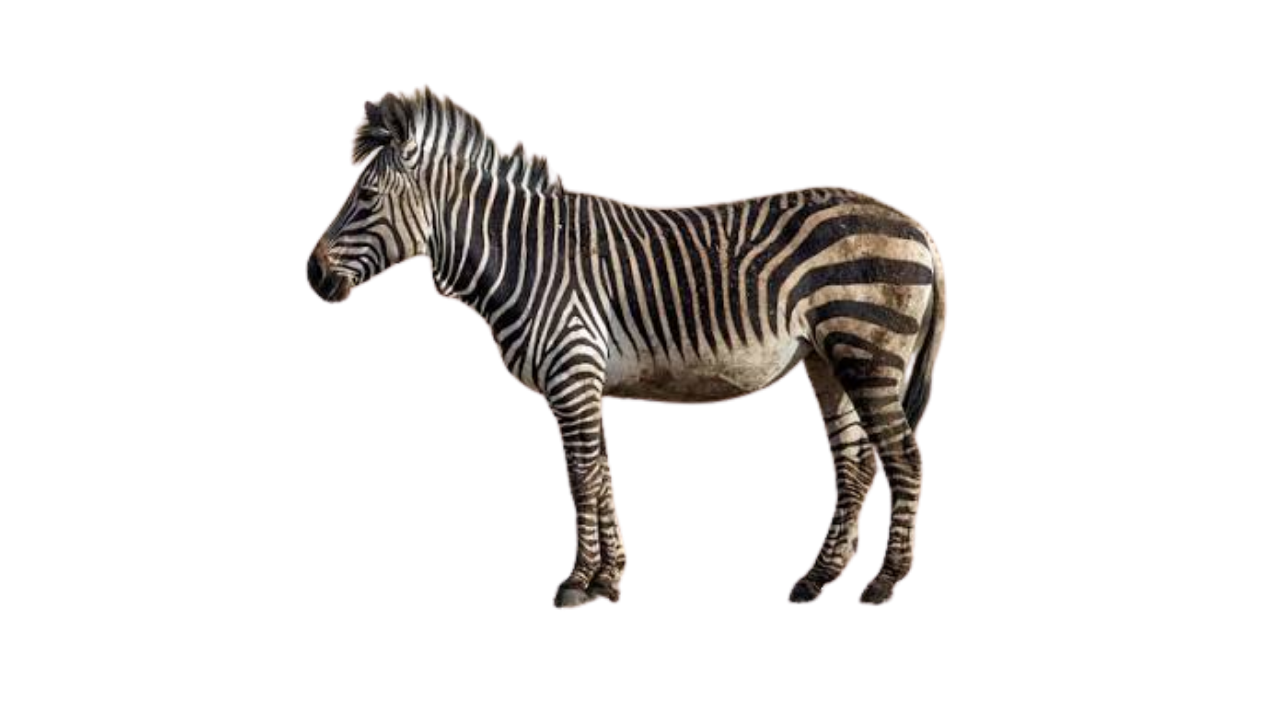
Zebra Behavior and Social Life
Zebra social behavior differs between species. Plains zebras commonly live in social herds, while mountain zebras usually form smaller breeding groups and bachelor groups. Grevy’s zebras have the most unusual social system of the three: adults do not form permanent herds or permanent social bonds. Females and foals may form changing groups, while territorial males can live alone and defend territories.
Types of Zebras with US IPA
| Type of Zebra | US IPA | Short Description |
|---|---|---|
| Common Zebra | /ˈkɑːmən ˈziːbrə/ | Another common name historically used for the plains zebra. |
| Common Plains Zebra | /ˈkɑːmən pleɪnz ˈziːbrə/ | A name referring to the widespread plains zebra of African grasslands and savannas. |
| Damara Zebra | /dəˈmɑːrə ˈziːbrə/ | A historical name associated with a southern population of plains zebra. |
| Damaraland Zebra | /ˈdɑːmərˌlænd ˈziːbrə/ | A historical regional name associated with plains zebras from southwestern Africa. |
| Hippotigris | /ˌhɪpoʊˈtaɪɡrɪs/ | A taxonomic name historically used for the zebra group within the horse family. |
| Equus quagga | /ˈiːkwəs ˈkwæɡə/ | The scientific name of the plains zebra, including its recognized subspecies. |
| Equus zebra | /ˈiːkwəs ˈziːbrə/ | The scientific name of the mountain zebra species. |
| Equus grevyi | /ˈiːkwəs ˈɡreɪvi.aɪ/ | The scientific name of Grevy’s zebra, the largest living zebra species. |
| Cape Mountain Zebra | /keɪp ˈmaʊntən ˈziːbrə/ | A subspecies of mountain zebra native to mountainous areas of South Africa. |
| Hartmann’s Mountain Zebra | /ˈhɑrtmənz ˈmaʊntən ˈziːbrə/ | A mountain zebra subspecies found mainly in Namibia and southwestern Angola. |
Where Do Zebras Live?
Zebras are native to Africa, but their habitats differ by species.
- Plains Zebras live across broad areas of eastern and southern Africa.
- Mountain Zebras occupy rocky slopes and plateaus in southern Africa.
- Grévy’s Zebras are mainly found in northern Kenya and parts of Ethiopia
Zebras Pictures
Common Zebra
The Common Zebra is a common name historically used for the plains zebra, Equus quagga. It is the most widespread zebra species and occurs across parts of eastern and southern Africa. It has a distinctive striped coat, strong legs, and a short upright mane. Common zebras mainly graze on grasses and usually live in social groups across savannas, grasslands, and open woodlands.
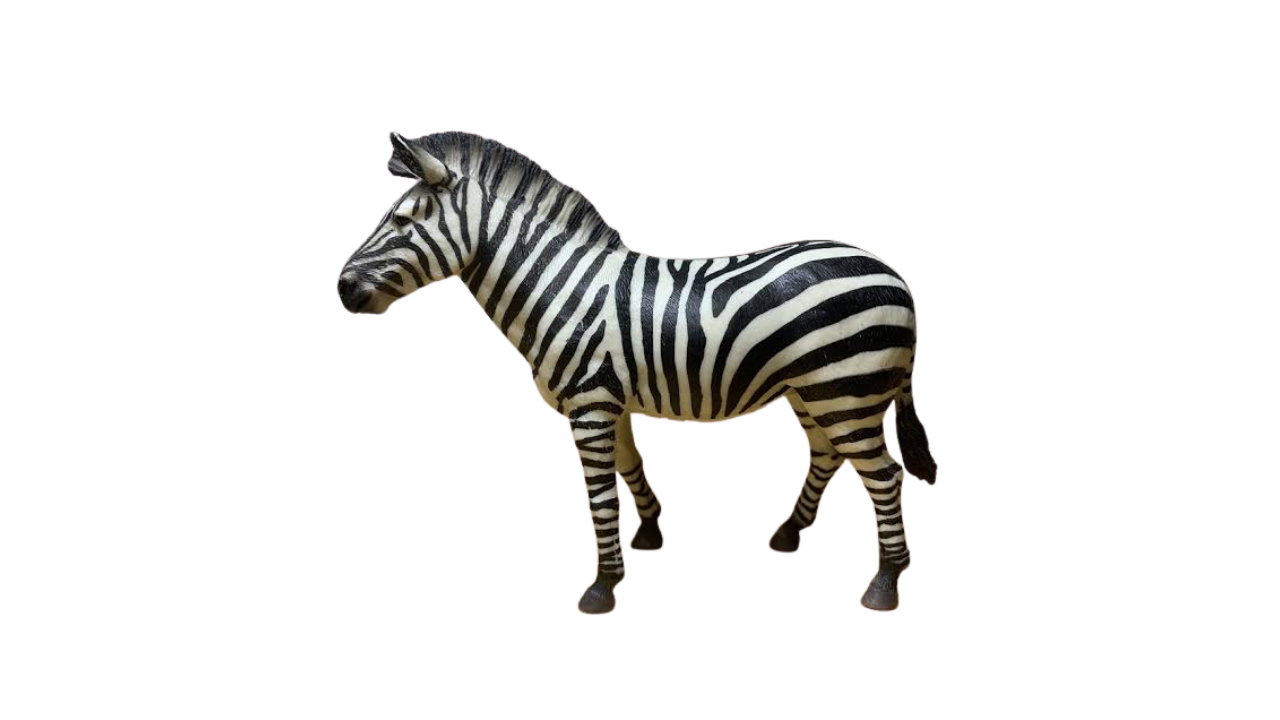
Common Plains Zebra
The Common Plains Zebra refers to the plains zebra, scientifically known as Equus quagga. It is widely distributed across eastern and southern Africa and is commonly found in grasslands, savannas, and open woodlands. Its black-and-white stripes vary among individuals and populations. It is primarily a grass-eating herbivore and commonly lives in groups, using its speed, alertness, and strong social behavior to avoid predators.
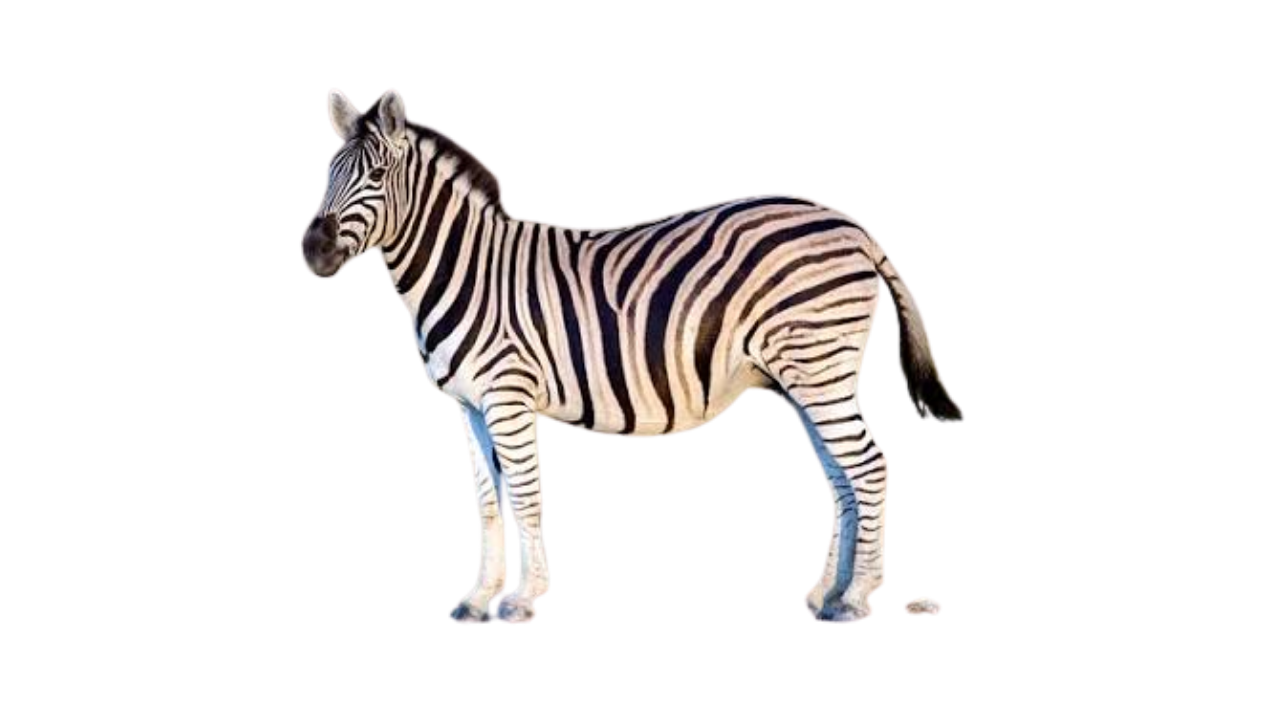
Damaraland Zebra
The Damaraland Zebra is a historical or regional name associated with plains zebras from Damaraland, a region of present-day Namibia. It does not represent one of the three recognized living zebra species. Like other plains zebras, these animals have black-and-white stripes, strong hooves, and grazing teeth. They are herbivores that mainly consume grasses and may move across large areas when food and water conditions change.
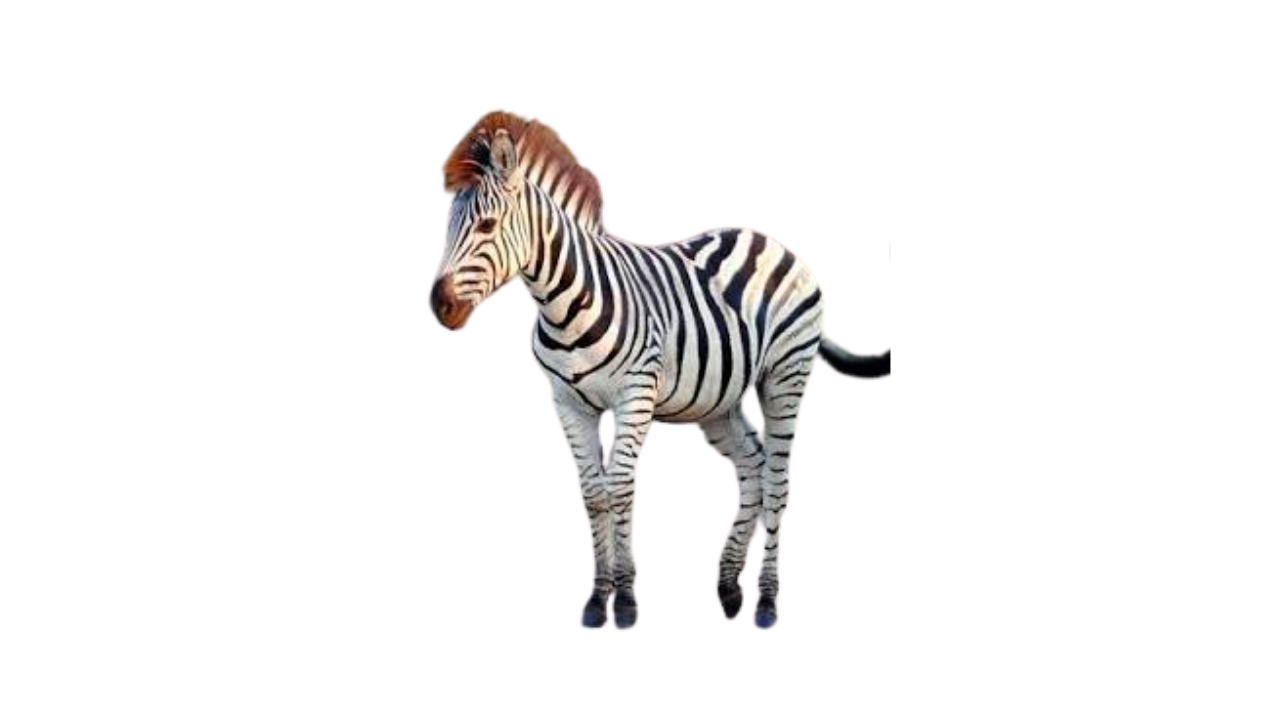
Hippotigris
Hippotigris is a taxonomic name historically used for the group containing the living zebras within the horse genus, Equus. It is not a separate zebra species or an individual animal type. The group includes the plains zebra, mountain zebra, and Grevy’s zebra in modern classifications. These African equids share striped coats, hoofed feet, herbivorous diets, and adaptations for living in diverse open and dry habitats.
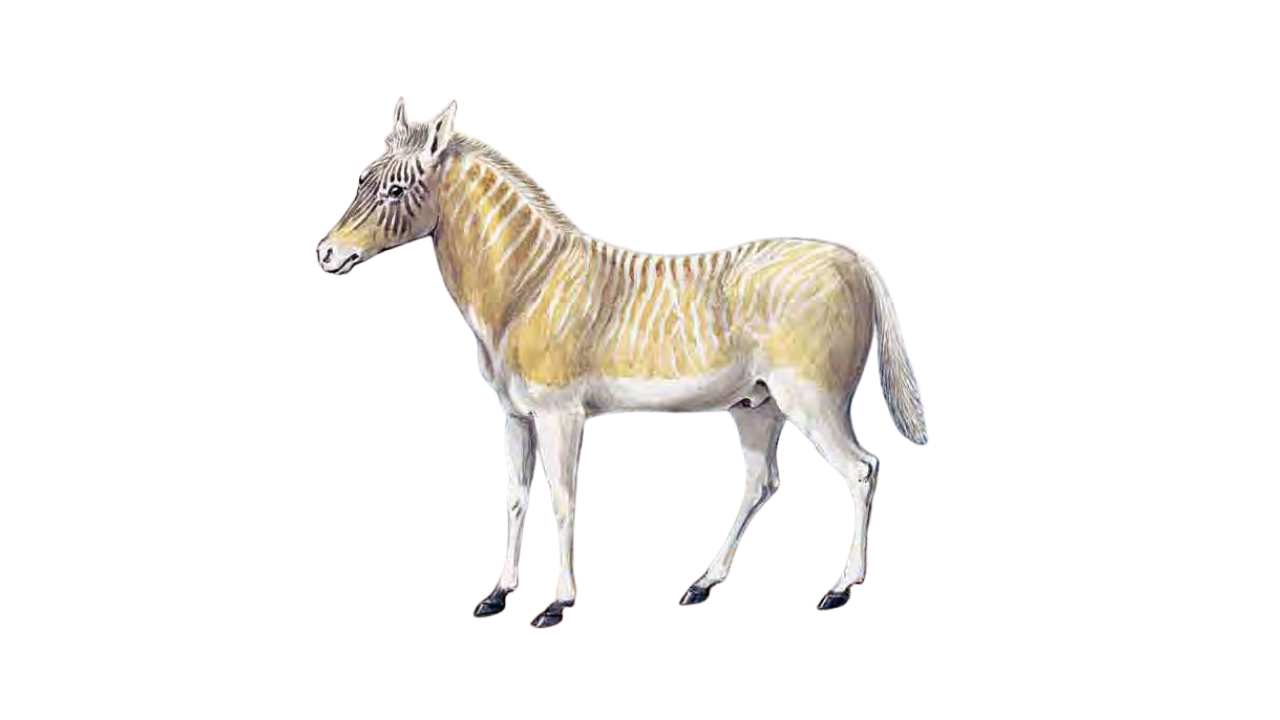
Equus quagga
Equus quagga is the scientific name of the plains zebra, the most widespread living zebra species. It occurs across parts of eastern and southern Africa, particularly in grasslands, savannas, and open woodlands. Plains zebras have variable black-and-white stripe patterns and strong, sturdy bodies. They are primarily grazers, feeding mainly on grasses, and generally live in social groups that provide protection through vigilance.
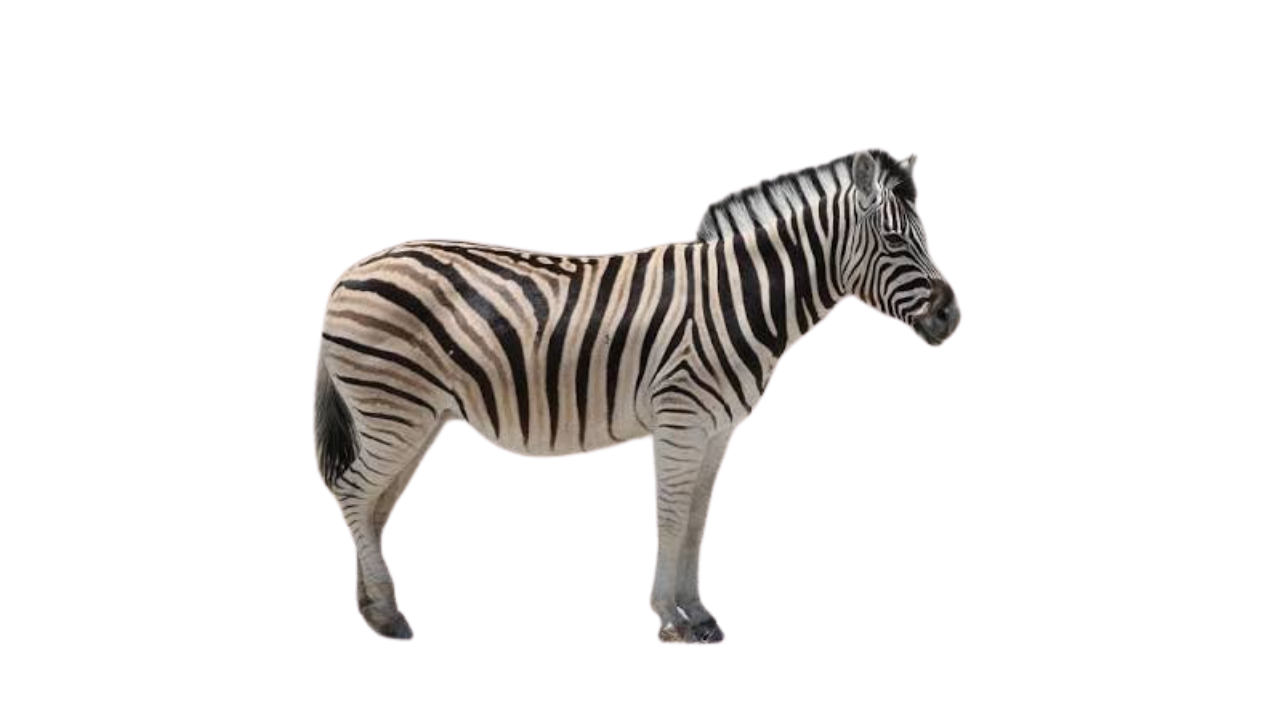
Equus zebra
Equus zebra is the scientific name of the mountain zebra, a zebra species native to southwestern Africa. It is adapted to rocky, mountainous, and relatively dry habitats. Mountain zebras have a compact body, strong legs, and distinctive striping. They mainly feed on grasses but may also consume other vegetation. The species includes two commonly recognized subspecies: the Cape mountain zebra and Hartmann’s mountain zebra.
Frequently Asked Questions About Types of Zebras
How many zebra species are there?
There are three widely recognized living zebra species: the plains zebra, mountain zebra, and Grevy’s zebra.
What is the largest types of zebras?
The Grevy’s zebra is the largest living zebra species. Adults can stand about 4–5 feet at the shoulder and typically weigh around 770–950 pounds.
What is the difference between a plains zebra and a mountain zebra?
Plains zebras are widespread across eastern and southern Africa and generally inhabit open grasslands and savannas. Mountain zebras are adapted to rocky, dry environments in southwestern Africa and have a more compact build and distinctive striping.
Where do Grevy’s zebras live?
Today, Grevy’s zebras are found mainly in northern Kenya and Ethiopia, with a small introduced population in southern Kenya. Their habitat includes semi-arid grasslands and scrub.
Can zebras live with horses?
Zebras can live near horses in some managed settings, but they remain wild equids, not domesticated horses. Their behavior and defensive instincts differ substantially from domestic horses, so they should not be treated as ordinary domestic animals.
Conclusion
The Types of Zebras with Their Pictures are best understood through the three living species: plains zebra, mountain zebra, and Grevy’s zebra. Several subspecies and historical forms add further diversity, but they should not be incorrectly presented as separate species. The differences in stripe patterns, body shape, habitat, social behavior, geographic range, and conservation status make each zebra group distinctive. Understanding these taxonomic differences is especially important when using zebra names in educational, wildlife, or SEO content.
Animals Related Articles