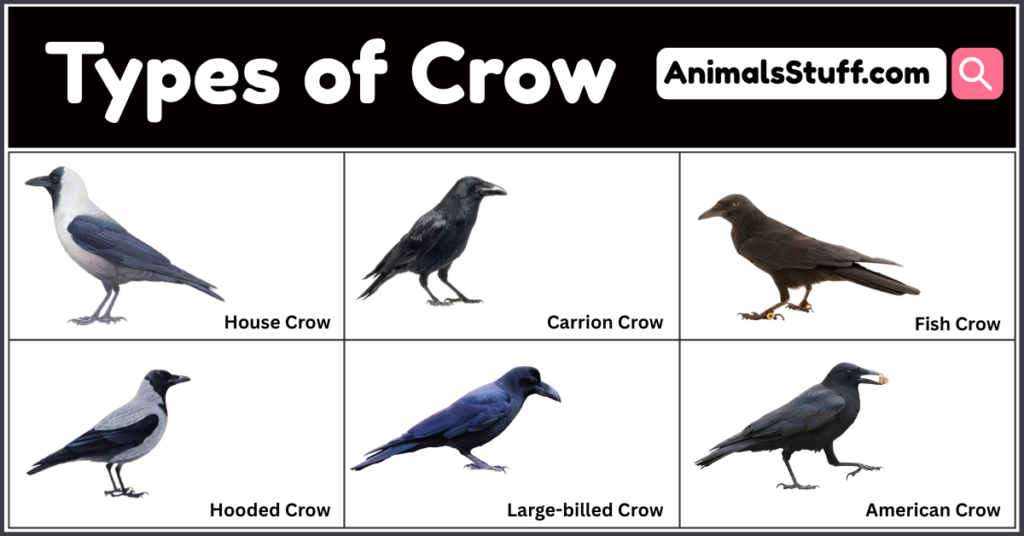
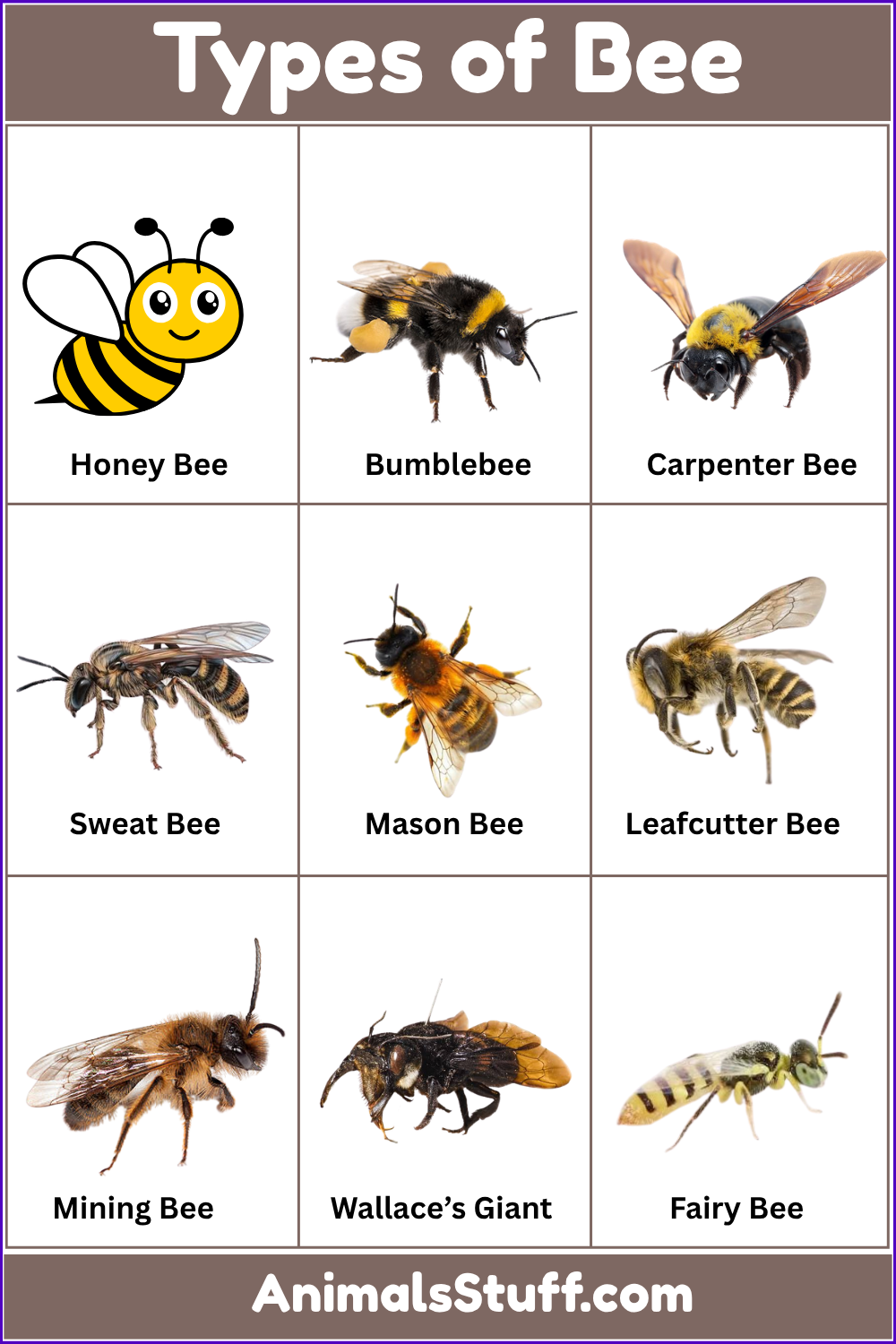
Bee are fascinating insects found in gardens, forests, farms, and many other habitats around the world. Although honey bees are the most familiar, there are thousands of bee species with different sizes, colors, nesting habits, and behaviors. Some live in social colonies, while many others live alone and build individual nests. In this guide to Different Types of Bee With Pictures, you will learn about various bee types, their identifying features, habitats, and interesting characteristics, with pictures to help you recognize and compare them more easily.
Different Types of Bee With Short descriptions
| Bee Type | US IPA | Short Description |
|---|---|---|
| Honey Bee | /ˈhʌni biː/ | Social bees that live in colonies and produce honey and beeswax. |
| Bumblebee | /ˈbʌmbəlbiː/ | Large, fuzzy bees known for effective pollination and buzz pollination. |
| Carpenter Bee | /ˈkɑːrpəntər biː/ | Large bees that create nesting tunnels by boring into dead or weathered wood. |
| Sweat Bee | /ˈswɛt biː/ | Small bees that may be attracted to human sweat for moisture and salts. |
| Mason Bee | /ˈmeɪsən biː/ | Solitary bees that use mud to build partitions around their nests and offspring. |
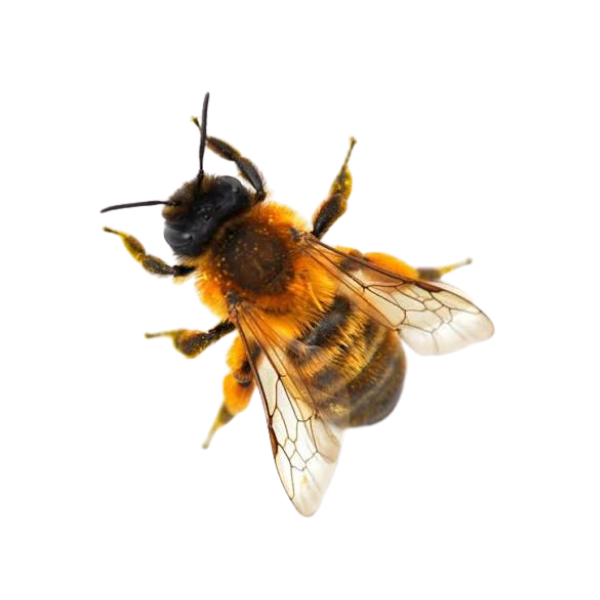
| Leafcutter Bee | /ˈliːfˌkʌtər biː/ | Solitary bees that cut pieces of leaves to construct and line their nests. |
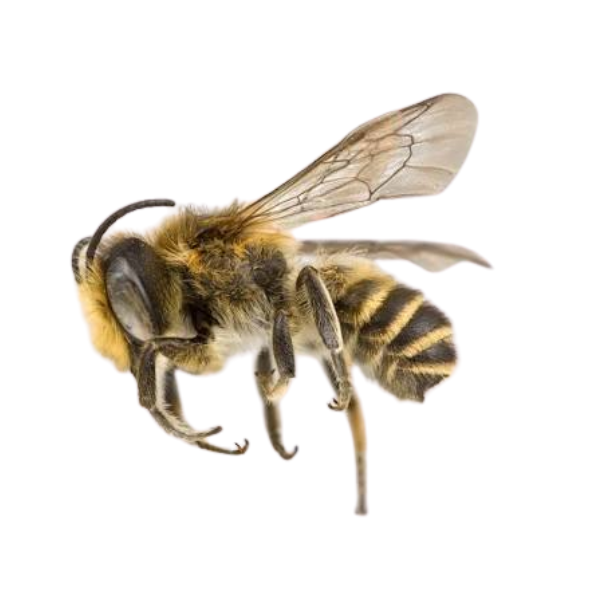
| Mining Bee | /ˈmaɪnɪŋ biː/ | Mostly solitary ground-nesting bees that excavate tunnels and chambers in soil. |
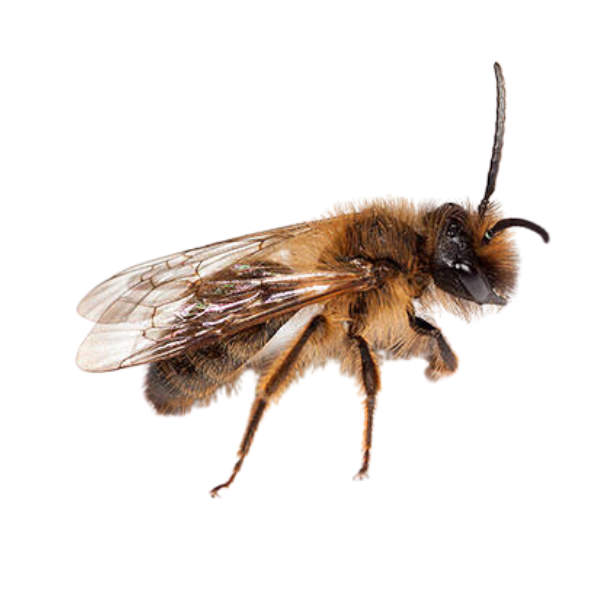
| Wallace’s Giant Bee | /ˈwɑːləsɪz ˈdʒaɪənt biː/ | A very large Indonesian bee that nests inside active termite nests in trees. |
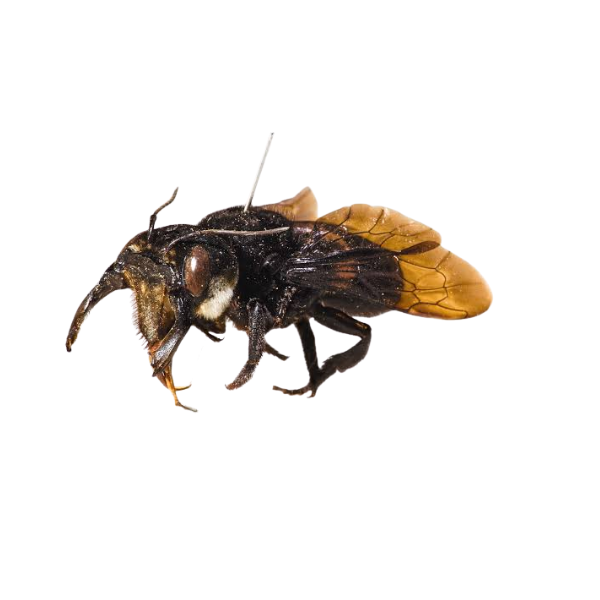
| Fairy Bee | /ˈfɛri biː/ | Extremely tiny bees belonging to the genus Perdita, including some of the smallest known bees. |
| Orchid Bee | /ˈɔːrkɪd biː/ | Colorful tropical bees, with males collecting fragrant compounds from flowers and orchids. |
| Teddy Bear Bee | /ˈtɛdi bɛr biː/ | A fuzzy Australian bee with dense golden-brown hair covering much of its body. |
| Vulture Bee | /ˈvʌltʃər biː/ | Unusual tropical bees that collect animal carrion instead of relying mainly on pollen. |
| Himalayan Rock Honey Bee | /ˌhɪməˈleɪən rɑːk ˈhʌni biː/ | A large honey bee that builds exposed nests on cliffs and rocky surfaces. |
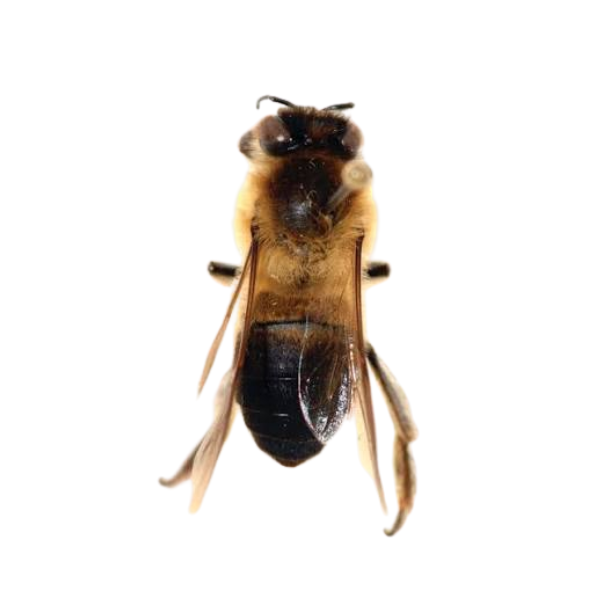
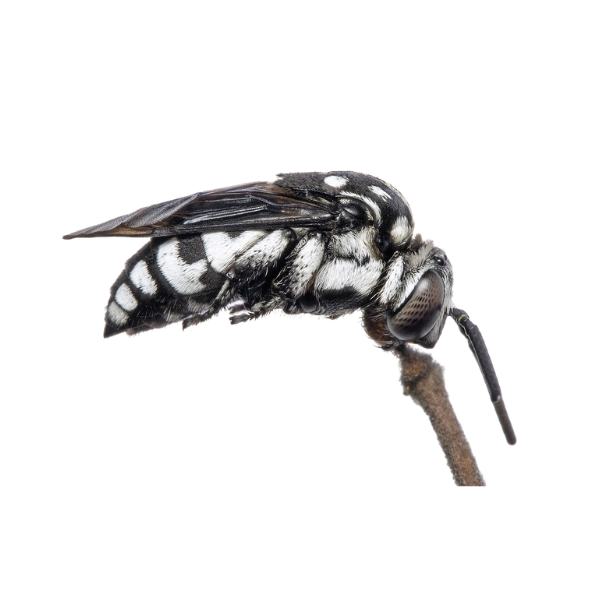
| Domino Cuckoo Bee | /ˈdɑːmənoʊ ˈkʊkuː biː/ | Parasitic bees that lay eggs in other bees’ nests instead of raising their own young. |
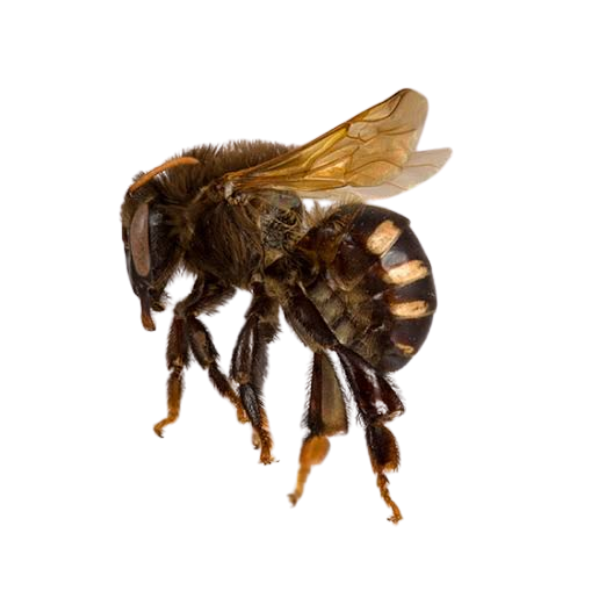
| Stingless Bee | /ˈstɪŋləs biː/ | Social tropical bees that lack a functional sting and defend colonies in other ways. |
Are All Type of Bee Social?
No. The idea that every bee lives in a hive is incorrect. Most bee species are solitary, meaning an individual female generally builds and provisions her own nest. The USDA Forest Service reports that the vast majority of wild bees are solitary. Some bees are social, including honey bees and bumblebees, while certain sweat bees show varying levels of social behavior.
Different Types of Bee With Pictures
Honey Bee
Honey bees are social insects that live together in organized colonies containing a queen, workers, and drones. They are widely known for producing honey and beeswax, but their role in pollination is equally important. Honey bees visit many flowering plants to collect nectar and pollen. They communicate within their colony and store food for periods when flowers are less available.

Bumblebee
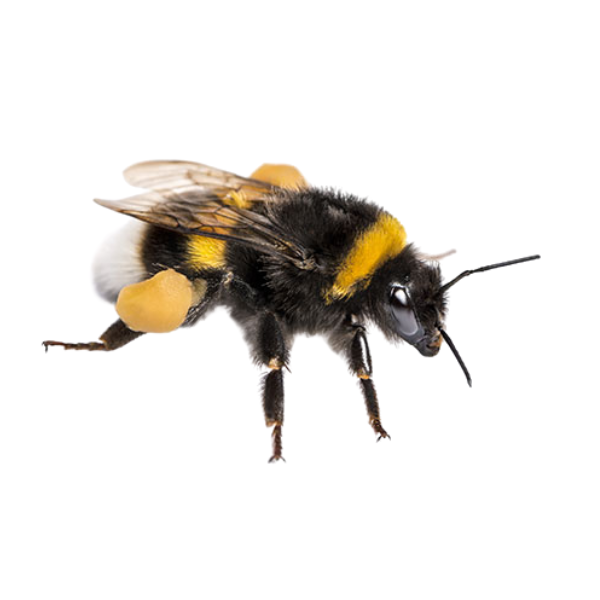
Bumblebees are large, round-bodied bees covered with noticeable hairs that help them carry pollen. They are important pollinators in gardens, farms, and natural habitats. Many bumblebees can pollinate flowers through a process called buzz pollination, in which they vibrate their flight muscles to release pollen. Unlike honey bees, most bumblebee colonies are annual and usually contain far fewer individuals.
Carpenter Bee
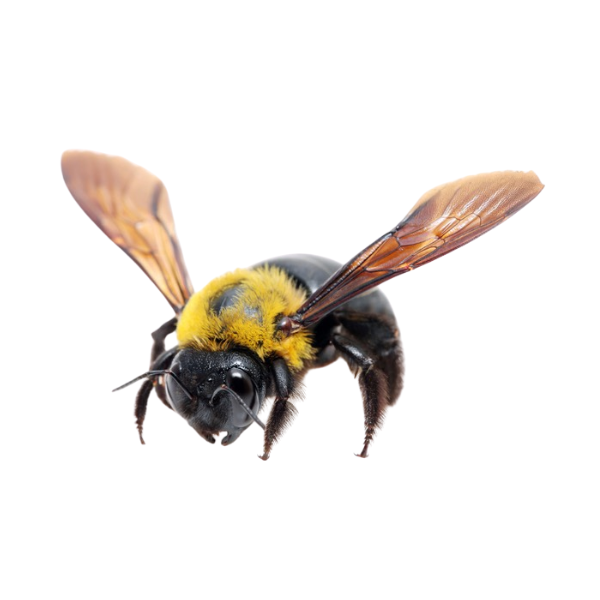
Carpenter bees are large bees named for their habit of making nesting tunnels in wood. They are often confused with bumblebees, although many carpenter bees have smooth, shiny abdomens. Females usually excavate tunnels in dead, weathered, or soft wood where they create chambers for their offspring. Carpenter bees visit flowers for nectar and pollen and can be valuable pollinators in many environments.
Sweat Bee
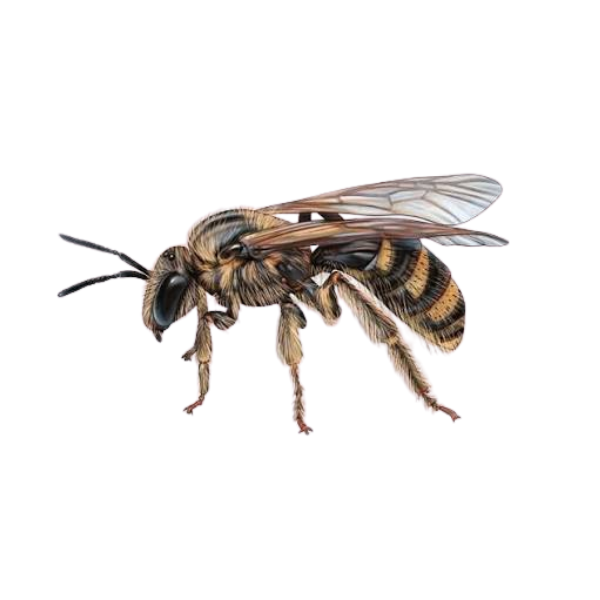
Sweat bees are generally small bees belonging to the family Halictidae. Some species are attracted to human sweat because it contains moisture and salts that they can collect. Their appearance varies greatly, with some species having metallic green or blue bodies while others are dark and less noticeable. Sweat bees can be important pollinators because they visit many different flowers while collecting pollen and nectar.
Mason Bee
Mason bees are mostly solitary bees that do not form large colonies like honey bees. They receive their name from their use of mud or other soil materials to build partitions inside nesting spaces. Many species use natural cavities, hollow stems, or artificial nesting tubes. Mason bees are valued pollinators because females actively collect pollen for their developing young while visiting numerous flowers during their active season.
Leafcutter Bee
Leafcutter bees are solitary bees recognized by their habit of cutting neat, rounded pieces from leaves and flower petals. They carry pollen on specialized hairs underneath their abdomen rather than mainly on their hind legs. The cut plant material is used to construct and divide their nesting chambers. These bees usually nest in cavities, and their careful leaf-cutting behavior rarely causes serious harm to healthy plants.
Mining Bee
Mining bees are mostly solitary ground-nesting bees that excavate tunnels in soil. They are commonly seen during spring when many species become active and visit early-blooming flowers. A female mining bee usually creates her own nest and prepares individual chambers for her offspring. Despite their underground lifestyle, these bees play an important role as pollinators by collecting pollen and nectar from a wide variety of flowering plants.
Wallace’s Giant Bee
Wallace’s giant bee is an exceptionally large bee native to the Indonesian islands of North Maluku. It belongs to the genus Megachile and is notable for its impressive body size and large jaws. Unlike many bees that nest in ordinary cavities, females use active termite nests in trees as nesting sites. The species was famously rediscovered in 1981 after being considered lost for many decades.
Fairy Bee
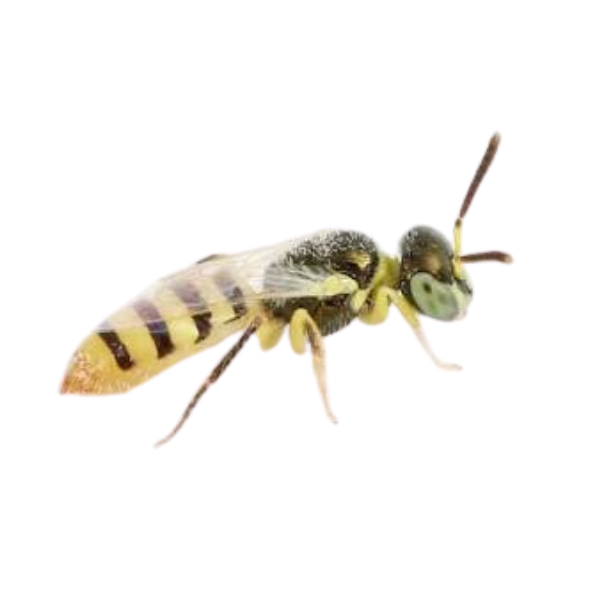
Fairy bees are extremely tiny bees belonging to the family Apidae, with some species among the smallest known bees. Their small bodies make them easy to overlook when they fly among flowers and vegetation. Species in this group can have very different lifestyles and habitats depending on their exact identity. Despite their tiny size, fairy bees are still important members of ecosystems where they contribute to pollination.
Orchid Bee
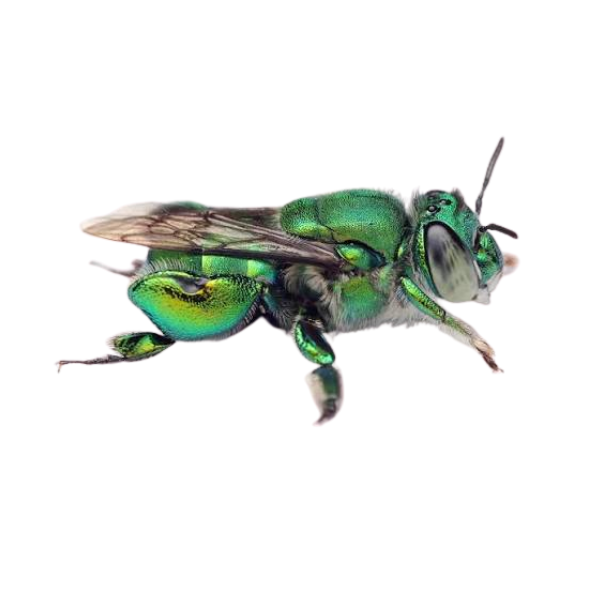
Orchid bees are colorful bees mainly associated with tropical and subtropical regions of the Americas. Many species have shiny metallic bodies that may appear green, blue, purple, or bronze. Male orchid bees are especially famous for collecting fragrant chemicals from orchids and other plants, which they store in specialized structures on their hind legs. Females collect pollen and nectar and can pollinate a wide range of flowering plants.
Teddy Bear Bee
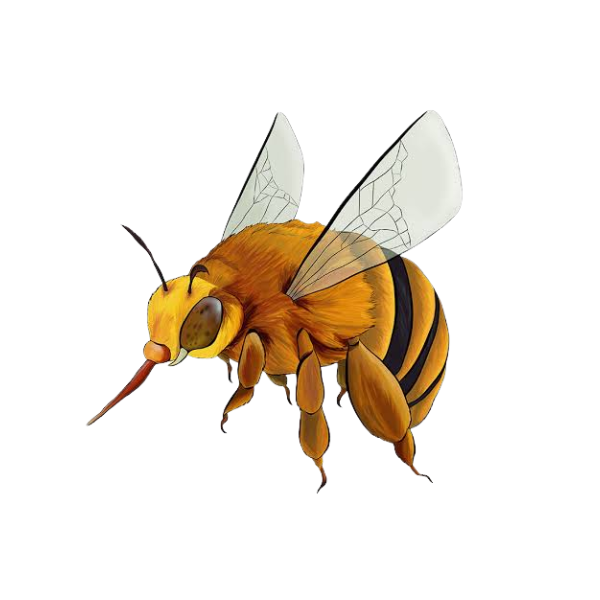
The teddy bear bee is an Australian bee known for its thick covering of golden-brown hairs. Its rounded body and dense fur give it an appearance that resembles a miniature teddy bear. Like other bees, it visits flowers to obtain food and can contribute to pollination. It is a solitary bee, meaning individuals generally make and provision their own nests rather than living in large social colonies.
Vulture Bee
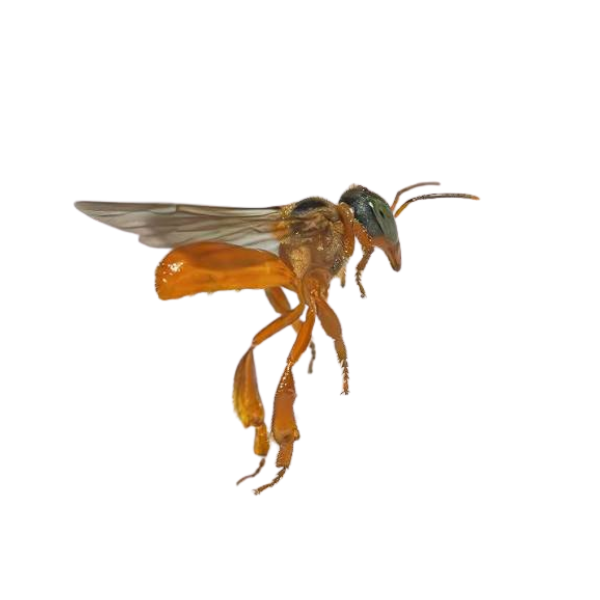
Vulture bees are unusual tropical bees that have developed a diet based largely on animal carrion rather than the pollen and nectar commonly associated with bees. They belong to a group of stingless bees found in parts of Central and South America. Workers locate dead animals and collect carrion, which the colony processes into stored food. Their specialized feeding behavior makes them one of the most unusual groups of bees.
Himalayan Rock Honey Bee
The Himalayan giant honey bee, often called the Himalayan rock honey bee, is a large honey bee associated with mountainous regions of South and Southeast Asia. It builds large, exposed nests on cliffs and other steep surfaces rather than inside enclosed cavities. Colonies can travel considerable distances while collecting nectar and pollen. Their honey and nesting behavior have made these bees important to local communities in some regions.
Domino Cuckoo Bee
Domino cuckoo bees are striking parasitic bees belonging to the genus Thyreus. They are named for their contrasting dark bodies and pale or bluish-white markings. Instead of building and provisioning their own nests, females enter the nests of other bees and lay their eggs there. Their young then develop using food that the host bee has already collected, making them an example of brood parasitism.
Stingless Bee
Stingless bees are a large group of social bees found mainly in tropical and subtropical regions. Although females possess a reduced sting that is not effective for defense, colonies use other methods to protect their nests. They may bite intruders or use plant resins and other materials. Stingless bees collect nectar and pollen and produce honey, making them important pollinators and culturally valuable insects in many tropical areas.
Learn more helpful articles