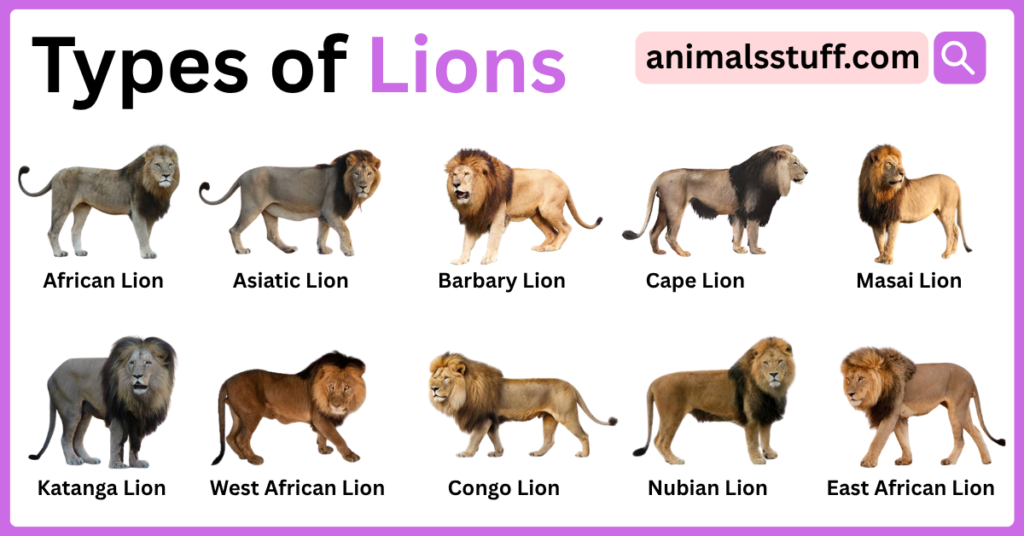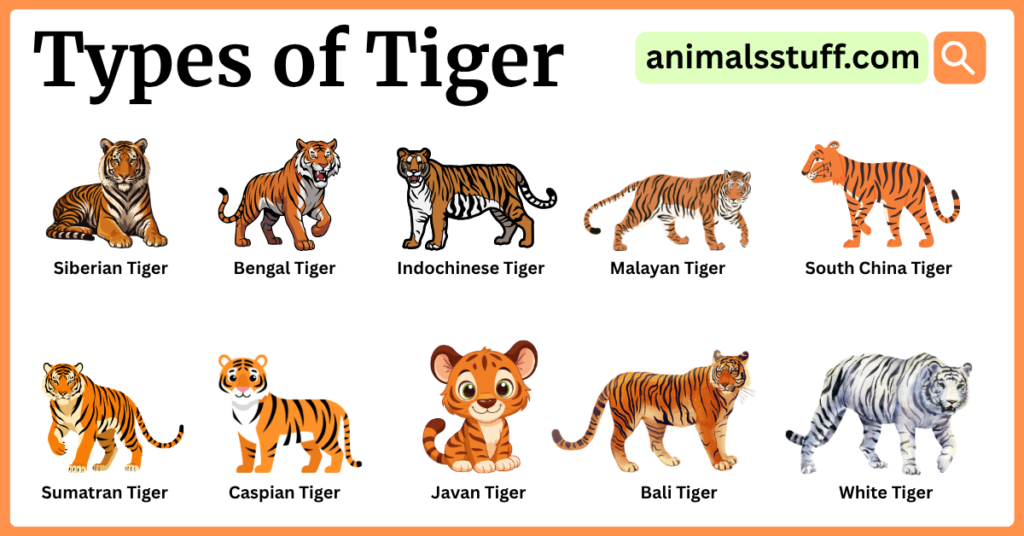
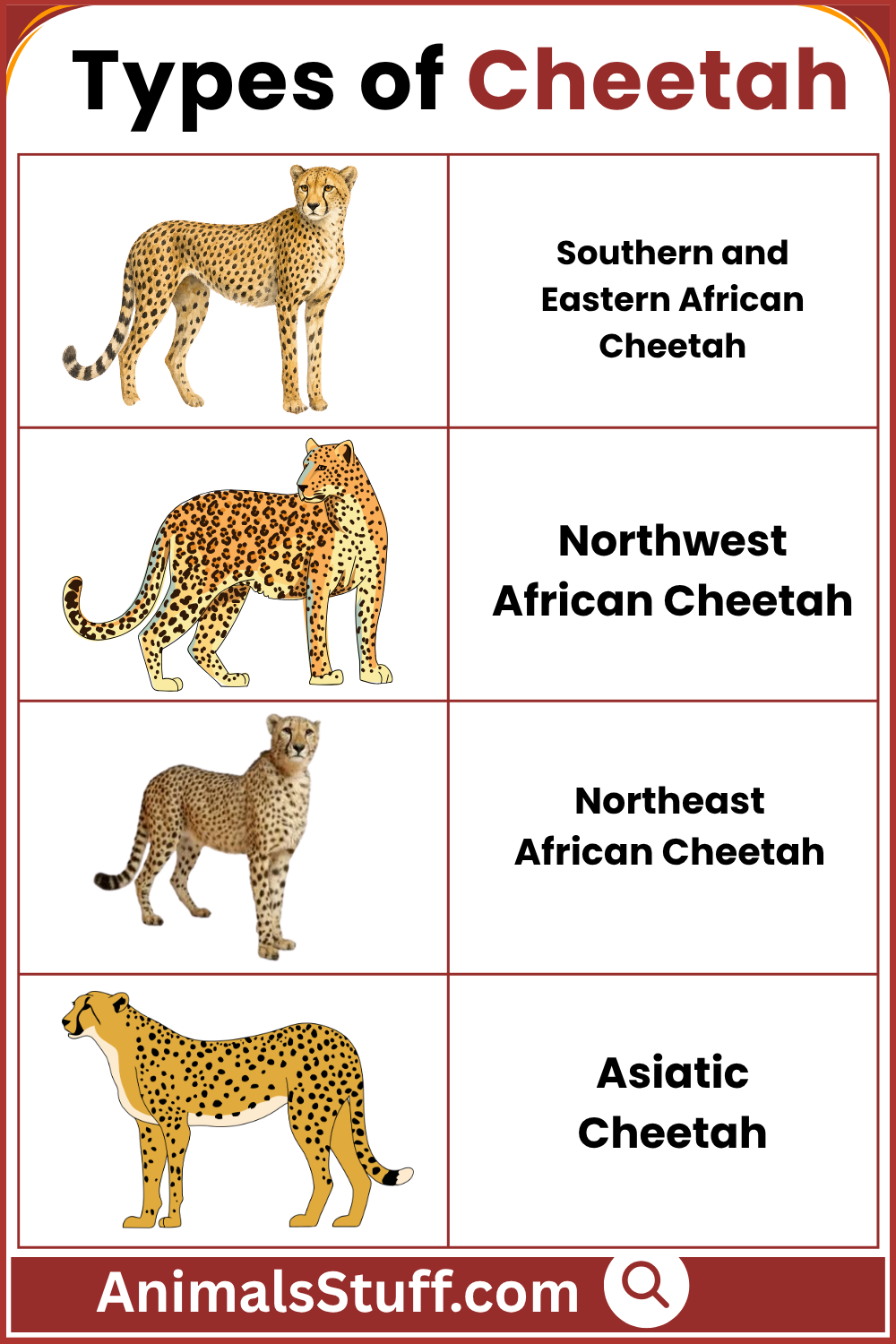
Cheetahs are among the most recognizable wild cats on Earth, famous for their incredible speed, slim bodies, black spots, and distinctive dark tear marks beneath their eyes. But when people search for different types of cheetah, they may find several names that can be confusing. Modern scientific classification recognizes four living cheetah subspecies, each associated with a different geographic region.
Different Types of Cheetah with Description
| Name | US IPA | Short Description |
|---|---|---|
| Southern and Eastern African Cheetah | /ˈsʌðərn ænd ˈiːstərn ˈæfrɪkən ˈtʃiːtə/ | The most widespread recognized cheetah subspecies, found mainly across parts of southern and eastern Africa. |
| Northwest African Cheetah | /ˌnɔrθˈwɛst ˈæfrɪkən ˈtʃiːtə/ | A highly threatened North and West African subspecies with small, scattered populations. |
| Northeast African Cheetah | /ˌnɔrθˈiːst ˈæfrɪkən ˈtʃiːtə/ | A regional subspecies occurring in parts of the Horn of Africa and nearby northeastern areas. |
| Asiatic Cheetah | /eɪˈʒiːətɪk ˈtʃiːtə/ | The only surviving Asian cheetah population, now restricted to Iran and critically endangered. |
Can Cheetahs Be Kept as Pets?
Cheetahs are wild animals and are not suitable household pets. They have specialized diets, enormous space requirements, complex social and behavioral needs, and powerful hunting instincts. Conservation programs may care for rescued, injured, or orphaned cheetahs, but professional wildlife care is very different from private pet ownership.
Different Types of Cheetah with Pictures
Southern and Eastern African Cheetah
The Southern and Eastern African Cheetah is found across parts of southern and eastern Africa, where open grasslands, savannas, and dry woodland provide suitable hunting grounds. It is known for its slender body, long legs, flexible spine, and spotted coat. This cheetah relies mainly on speed and agility to catch prey such as gazelles and other small to medium-sized animals. Habitat loss and declining prey populations remain important conservation concerns.
Northwest African Cheetah
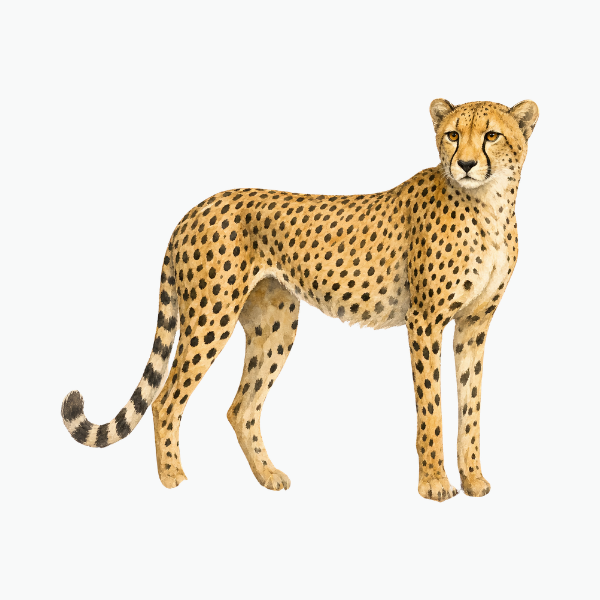
The Northwest African Cheetah is a rare cheetah population native to parts of North and Northwest Africa. It has adapted to dry landscapes, including desert edges, rocky areas, and open habitats where prey can be scarce. Like other cheetahs, it has a lightweight body, long legs, and a spotted coat that provides useful camouflage. This population faces serious threats from habitat loss, reduced prey availability, and human activity, making its protection especially important.
Northeast African Cheetah
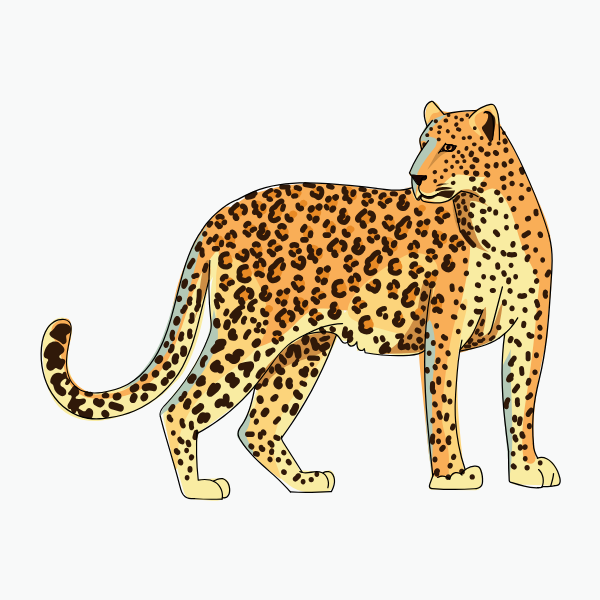
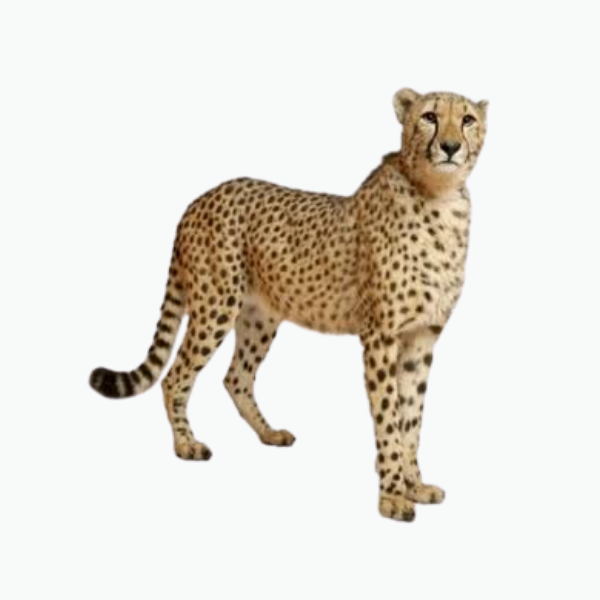
The Northeast African Cheetah occurs in parts of northeastern Africa and is adapted to a range of dry and open environments. Its slender body, spotted fur, long legs, and distinctive facial markings help it survive and hunt effectively. Cheetahs depend on excellent eyesight and short bursts of remarkable speed when pursuing prey. Changes in habitat, competition with people, and reductions in available prey can create significant challenges for their continued survival in the wild.
Asiatic Cheetah
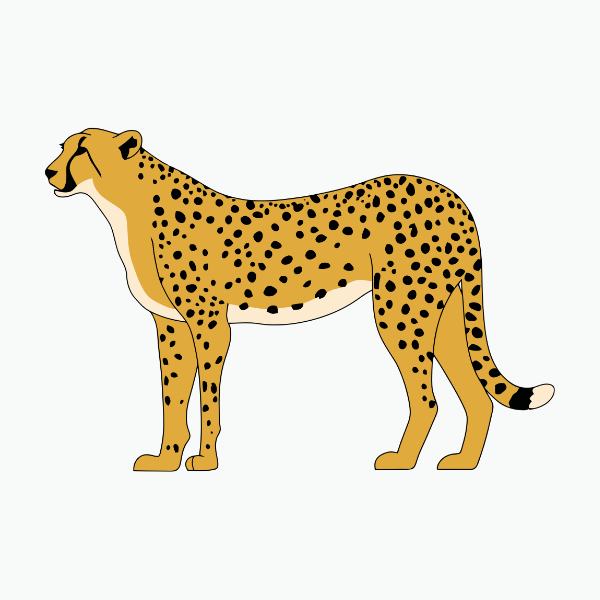
The Asiatic Cheetah is a critically endangered cheetah population that now survives mainly in Iran. It is adapted to arid landscapes, including deserts, semi-deserts, and open mountain areas. This cheetah has a slim body, long legs, a spotted coat, and dark facial tear markings. Its population is extremely small, with habitat loss, limited prey, roads, and other human pressures creating serious risks. Conservation programs focus on protecting remaining habitat and supporting its survival.
Cheetah Habitat
Cheetahs can live in several types of open or semi-open environments. Their preferred habitats generally provide enough space for hunting and sufficient prey.
- Grasslands
- Savannas
- Open woodlands
- Dry scrublands
- Semi-arid landscapes
- Some desert-edge environments
Dense forests are generally less suitable because they restrict the long-distance visibility and open running space that cheetahs need. Today, habitat fragmentation is a major concern. Roads, farms, settlements, fences, and other developments can divide populations into smaller groups.
Cheetah Characteristics
Cheetahs have several physical adaptations that make them exceptional hunters. Their bodies are light and streamlined rather than heavily built like those of lions or tigers.
- Long, slender legs
- A flexible backbone
- Long muscular tail
- Semi-retractable claws
- Large nasal passages
- Large lungs and heart
- Lightweight body
- Excellent eyesight
- Solid black coat spots
- Dark tear marks below the eyes
Frequently Asked Questions About Different Types of Cheetah
How many types of cheetah are there?
Modern genetic classification recognizes four living cheetah subspecies: the Southern and Eastern African cheetah, Northwest African cheetah, Northeast African cheetah, and Asiatic cheetah.
Is the king cheetah a separate species?
No. The king cheetah is not a separate species or subspecies. It is a rare coat-pattern variation caused by a genetic mutation.
Which cheetah is the rarest?
The Asiatic cheetah is the rarest living cheetah subspecies. Its remaining wild population is restricted to Iran and is critically endangered.
What is the scientific name of a cheetah?
The scientific name of the cheetah is Acinonyx jubatus.
What is the fastest type of cheetah?
There is no scientifically recognized subspecies that should be called a separate “fastest type.” Cheetahs as a species are the fastest land animals, with exceptional individuals capable of reaching around 70 mph during short bursts.
What is the difference between a king cheetah and a normal cheetah?
The main difference is the coat pattern. Normal cheetahs have many separate black spots, while king cheetahs have larger blotches and stripe-like markings. Both are the same species.
Are cheetahs found in Asia?
Yes, but only a tiny surviving population of Asiatic cheetahs remains in Iran. Historically, cheetahs occupied much more of Asia.
Are cheetahs endangered?
The cheetah species is classified as Vulnerable, while some subspecies face a much higher level of risk. The Asiatic and Northwest African subspecies are Critically Endangered.
Conclusion
The different types of cheetah are best understood through their four currently recognized living subspecies rather than through every unusual coat pattern or regional name found online. Southern and Eastern African cheetahs represent the broader African form, while the Northwest and Northeast African subspecies occupy more restricted regions. The Asiatic cheetah is the most threatened and now survives only in Iran. King and spotless cheetahs are fascinating genetic coat variations, not separate subspecies. Protecting habitat, prey, wildlife corridors, and local communities is essential if future generations are to see these remarkable animals in the wild.
More Animals Related Articles